
Code Quality Audit Services for Engineering Excellence
We provide engineering and code quality audits, security hardening, and architectural remediation to ensure your foundation supports rapid, secure scaling. We identify the risks missed by most AI code reviews.










Code Quality Risks That Matter
Deployment Latency
Zero Test Coverage
Security Exposure
No Code Review Process
Documentation Doesn’t Exist
Production Is a Black Box
A 6-Dimensional Code Quality Audit
Code Architecture
- Project structure and modularity
- Design patterns and consistency
- Separation of concerns
- API design and contracts
- Database schema and relationships
- Error handling patterns
Security Assessment
- OWASP Top 10 vulnerability scan
- Authentication and authorization review
- Secrets management audit
- Input validation and sanitization
- Dependency vulnerability analysis
- Network and infrastructure security
Testing & Quality
- Test coverage analysis
- Test quality and effectiveness
- CI/CD pipeline evaluation
- Code review process assessment
- Linting and formatting standards
- Type safety and static analysis
Performance
- Frontend performance (Core Web Vitals)
- API response time profiling
- Database query optimization
- Bundle size and loading strategy
- Caching implementation
- Memory and resource utilization
Infrastructure & DevOps
- Cloud architecture review
- Deployment pipeline analysis
- Environment configuration
- Monitoring and alerting setup
- Backup and disaster recovery
- Cost optimization opportunities
Developer Experience
- Onboarding documentation
- Local development setup
- Code contribution workflow
- API documentation quality
- Debugging and troubleshooting tools
- Technical debt inventory
Code Quality Impact, Proven in Production




Get a Clear Engineering Risk Report
20+
Years of Engineering Products
1000+
Products Shipped to Production
350+
Engineers
600+
Projects
Signs Your Codebase Needs an Audit
Release Anxiety
The Bug Cycle
Security Gaps
Invisible Progress
Knowledge Silos
Silent Failures
If These Risks Sound Familiar, It’s Time to Audit Your Codebase
Our Engineering Baseline for Production-Ready Code
We measure code quality by how safely your team can change, release, recover, review, and respond when the product is live.
> 80%
Automated Test Coverage
You can change code without fear of breaking the entire system.
< 5 Minutes
Deployment Speed
You can ship updates to your users multiple times a day, not once a month.
< 2 Minutes
Rollback Time
If something goes wrong, you can undo it instantly with zero downtime.
0
Critical Issues
Your user data and intellectual property are protected against known threats.
100%
Reviewed Peer Oversight
Every line of code is double-checked by a senior expert before it goes live.
< 30 Seconds
Alert Response
Your team is notified of a problem the moment it happens.












Code Quality Audits Across Industry Sectors


Why GeekyAnts for Code Quality
A Deep Code Quality Audit, Delivered in 2 Weeks
Days 1 – 2
Access and Discovery- $3K
We establish read-only access to your repositories, infrastructure, and CI/CD pipelines. We interview your lead engineers and map system boundaries, reviewing existing architecture documentation, or identifying where the lack of it creates a single point of failure.Days 3 – 5
Automated Quantitative Foundation
We deploy deep-scan tooling for static analysis, dependency vulnerabilities, and performance profiling. This phase generates the quantitative baseline of your technical debt and code complexity metrics.Days 5 – 10
Senior Architect Manual Review
This is where experience matters. While automated tools find syntax errors, our senior architects manually audit design patterns, data flow, and infrastructure logic. We identify the structural risks that software scanners miss.Days 10 – 14
Prioritized Remediation Roadmap
We deliver a comprehensive report with findings rated by severity (Critical to Low). We don't just list problems; we provide a prioritized roadmap for repair and walk your team through the logic in a 90-minute deep-dive session.
Know What Your Codebase Is Really Costing You
More Ways We Can Help You with AI-Powered Product Engineering
Our Latest Thinking
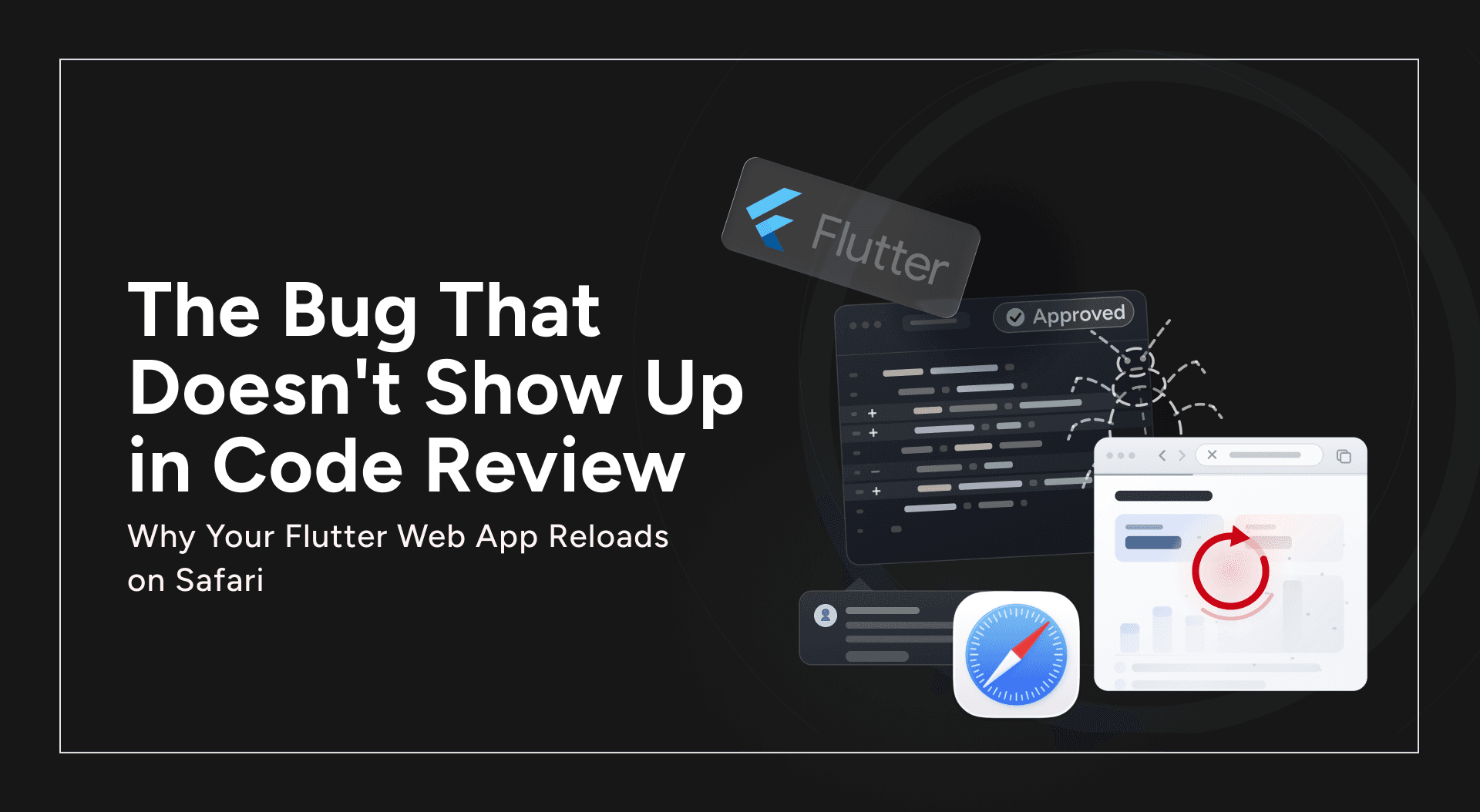
The Bug That Doesn't Show Up in Code Review: Why Your Flutter Web App Reloads on Safari
A real-world look at how oversized images can trigger Safari reloads and iOS crashes in Flutter apps and how smarter image decoding prevents them.
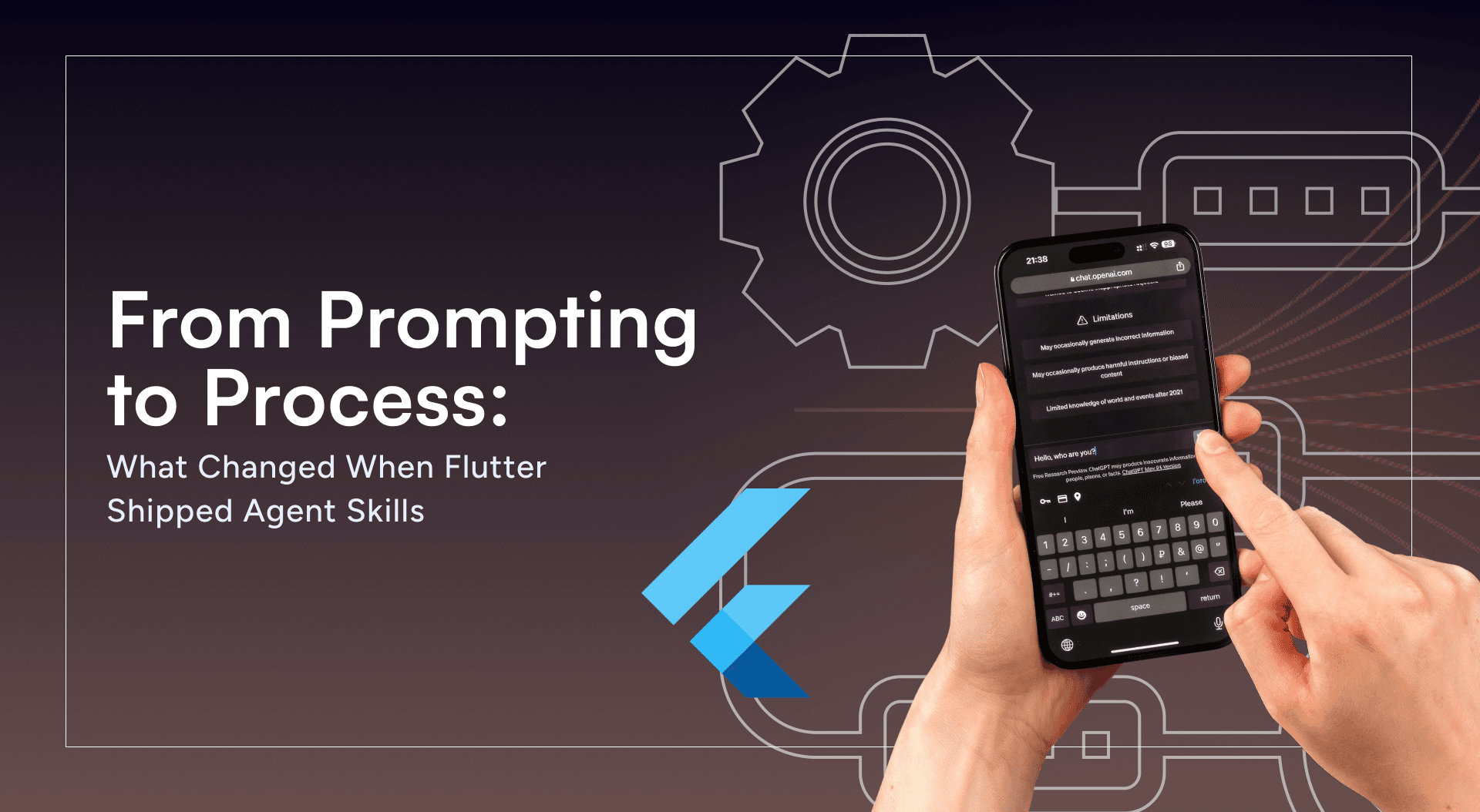
From Prompting to Process: What Changed When Flutter Shipped Agent Skills
This blog explores how Flutter Agent Skills improve AI-assisted development by combining official framework workflows with project-specific guidance for more consistent development.
Why Legacy Systems Block Real-Time AI Decision-Making
Learn how legacy systems limit real-time AI decision-making and what businesses can do to build an AI-ready infrastructure.
What Makes an AI Product Enterprise-Ready? A Business Leader’s Perspective
Most AI pilots never make it to production. Here are the five questions business leaders should ask before approving, buying, or scaling an AI product.
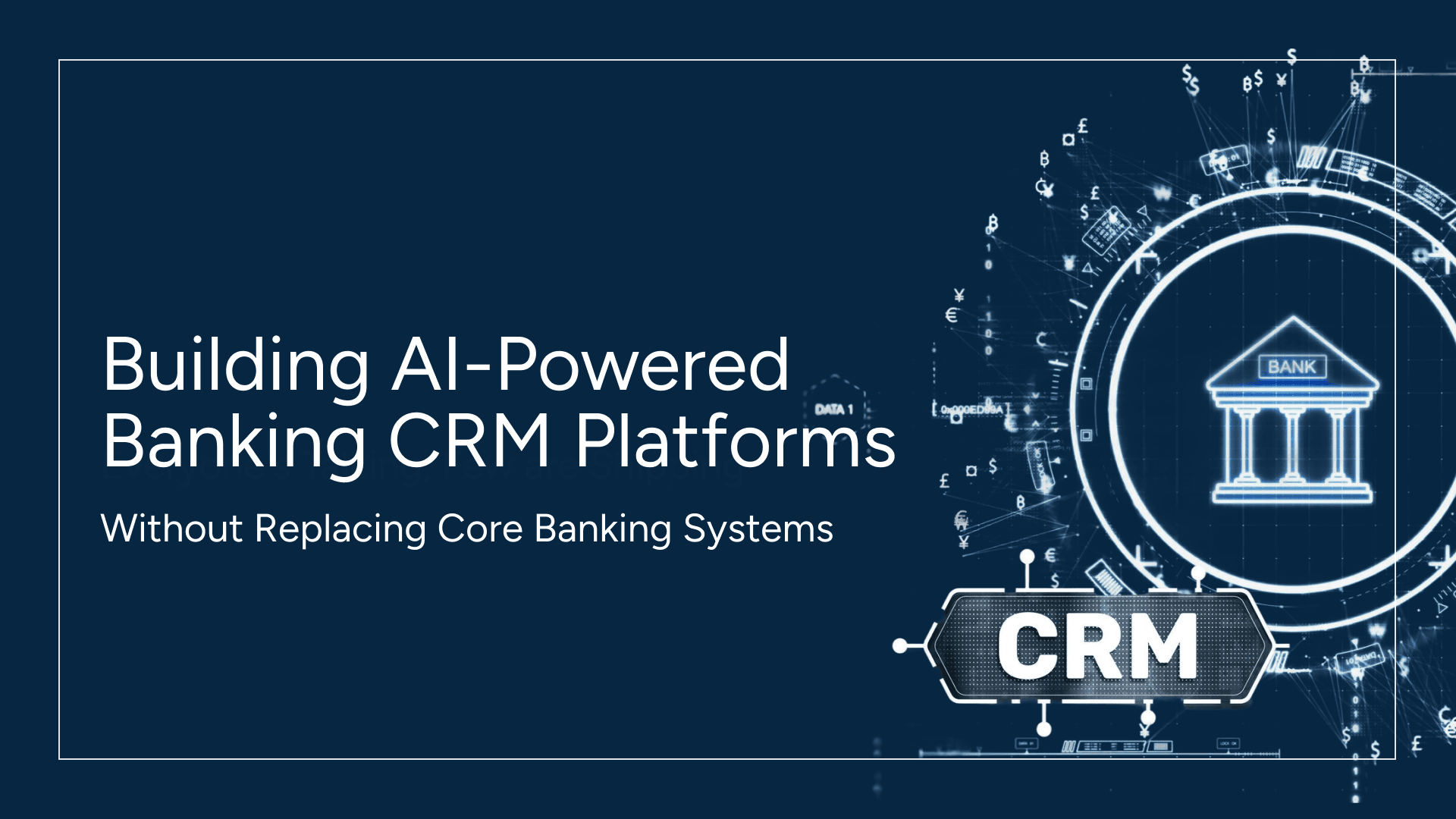
Building AI-Powered Banking CRM Platforms Without Replacing Core Banking Systems
Banks can modernize CRM with AI without replacing their core banking systems. This guide covers the architecture, use cases, governance, and roadmap to do it.
AI in Fintech: Everyone's Talking, Few are Shipping
This blog covers the key engineering, governance, and compliance principles required to build production-ready AI systems for financial services.
