Build Smarter, Deliver Faster with Fullstack App Development Services
GeekyAnts provides full stack app development services that bring together frontend, backend, APIs, databases, and cloud infrastructure to build scalable digital products. Our end-to-end full stack development approach helps businesses launch new applications, modernize existing platforms, and support long-term growth.










Fullstack Application Development Services Focussed on ROI
As a full stack development company, GeekyAnts delivers end-to-end full stack development services that connect frontend engineering, backend systems, APIs, databases, and cloud infrastructure. We build secure, scalable applications for new product launches, enterprise platforms, and modernization initiatives.
We architect robust fullstack focused backend systems with scalable databases, secure APIs, and seamless integrations, ensuring your app is built for growth from the ground up.
Our fullstack developers handle both the user interface and server-side logic to deliver cohesive digital experiences with smooth communication between frontend and backend components.
Our fullstack developers implement modular coding practices and component-based development to maximize code reusability, simplify testing, and accelerate deployment across projects.
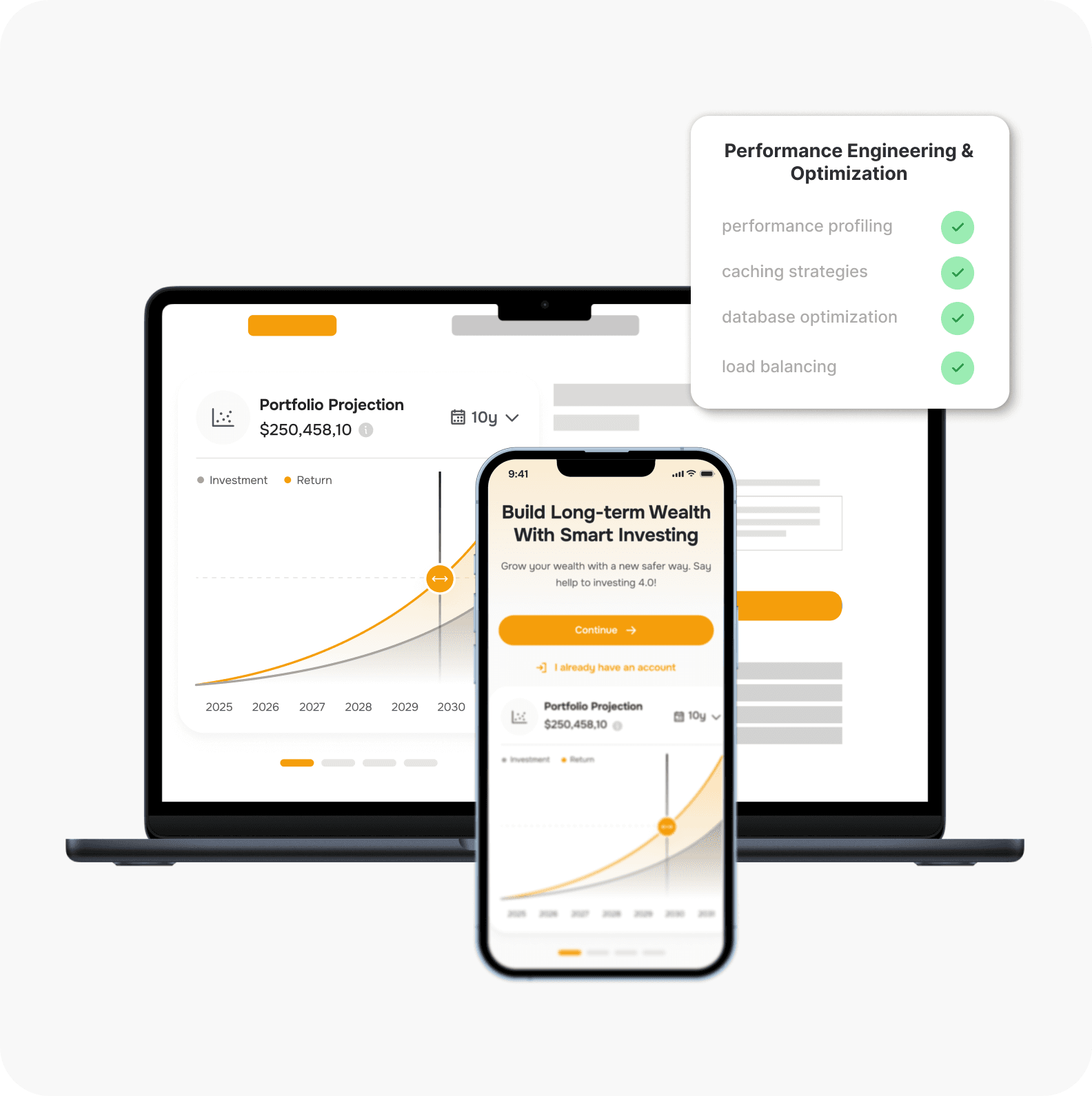
We enhance application speed and efficiency through performance profiling, caching strategies, database query optimization, and load balancing.
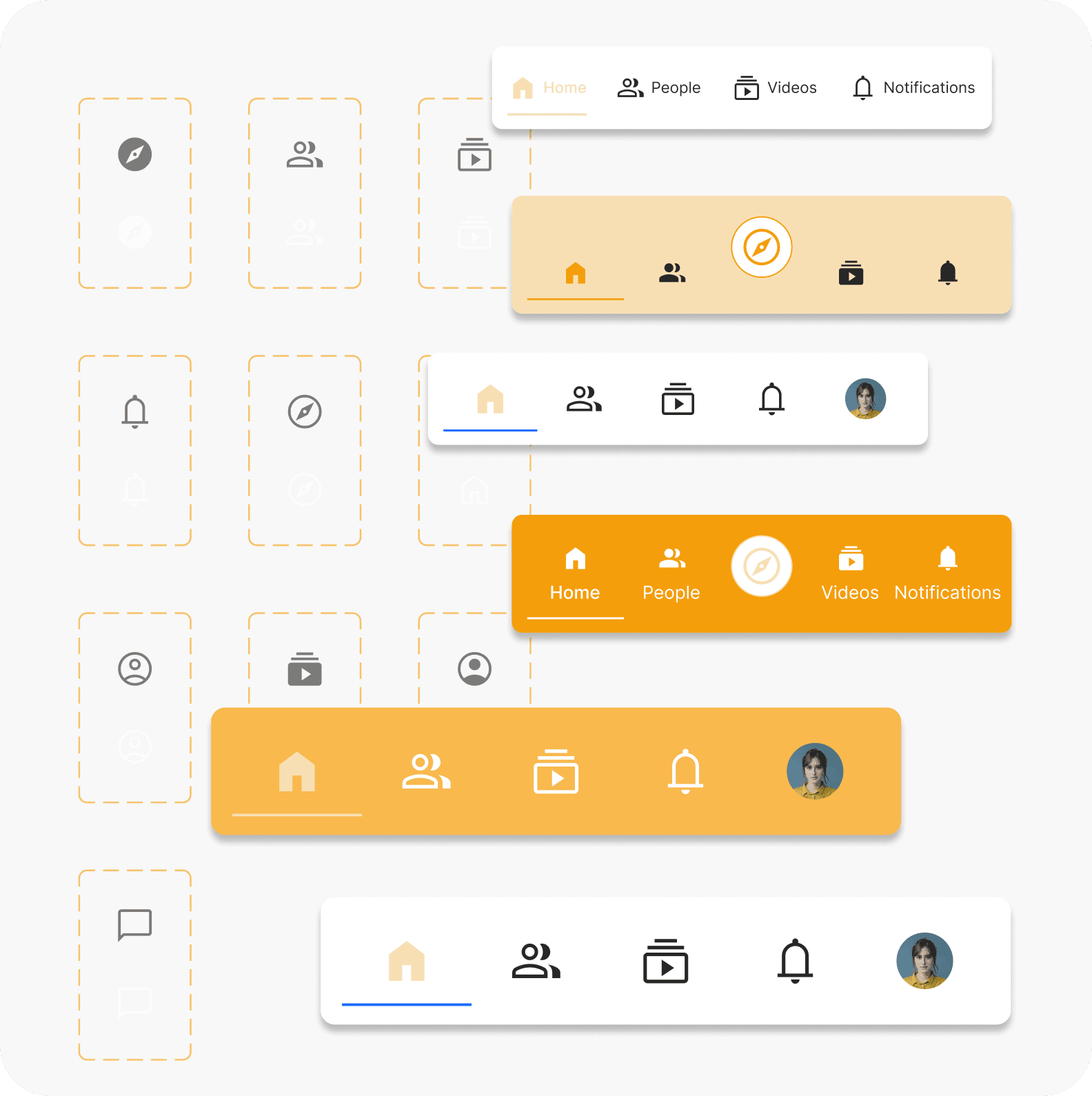
We craft intuitive user interfaces that adapt seamlessly across browsers and devices—focusing on accessibility, responsiveness, and brand consistency.
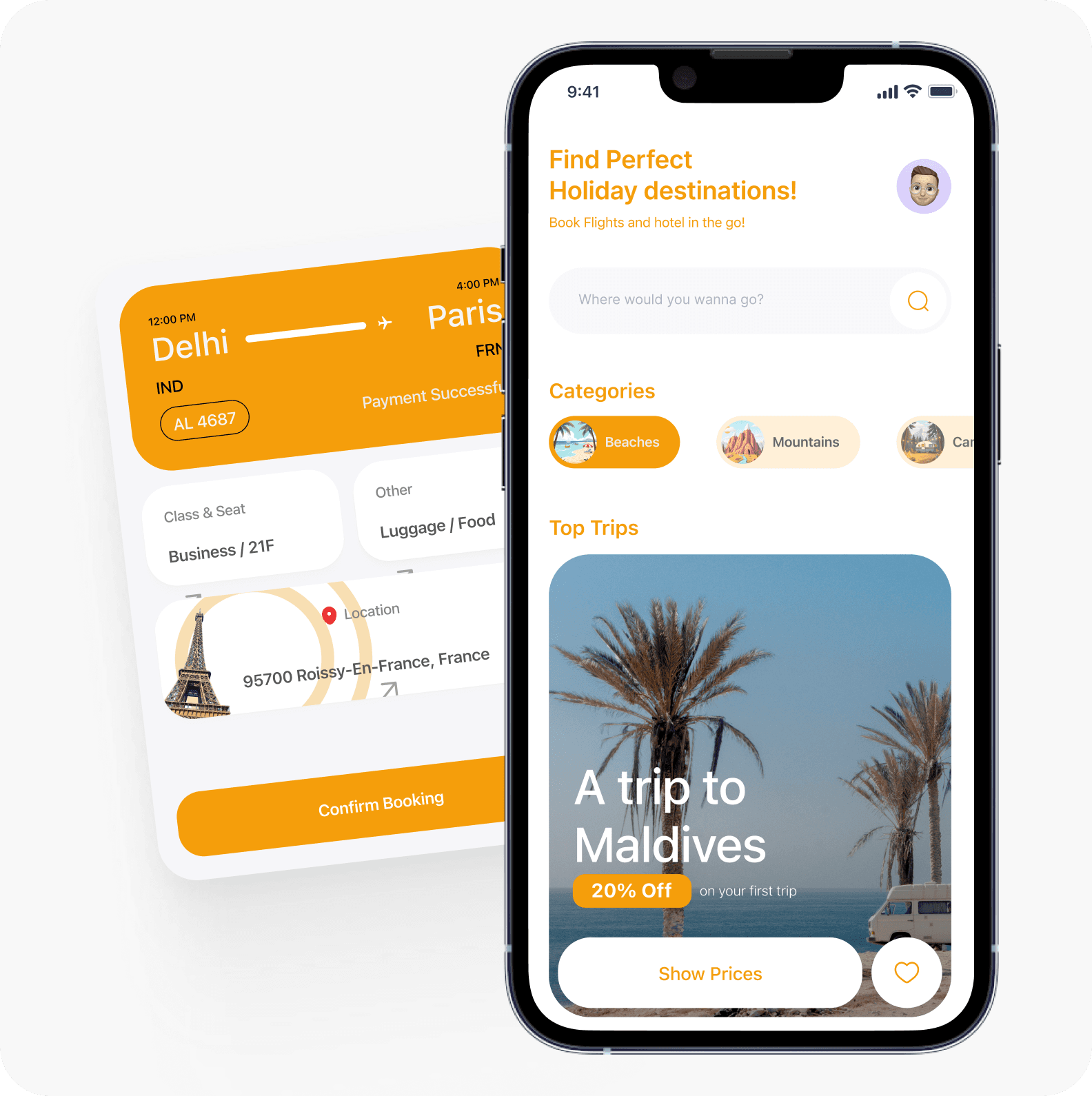
From encrypted storage and CI/CD pipelines to GDPR and HIPAA compliance, we bake in security, automation, and regulatory adherence across every layer of the stack.
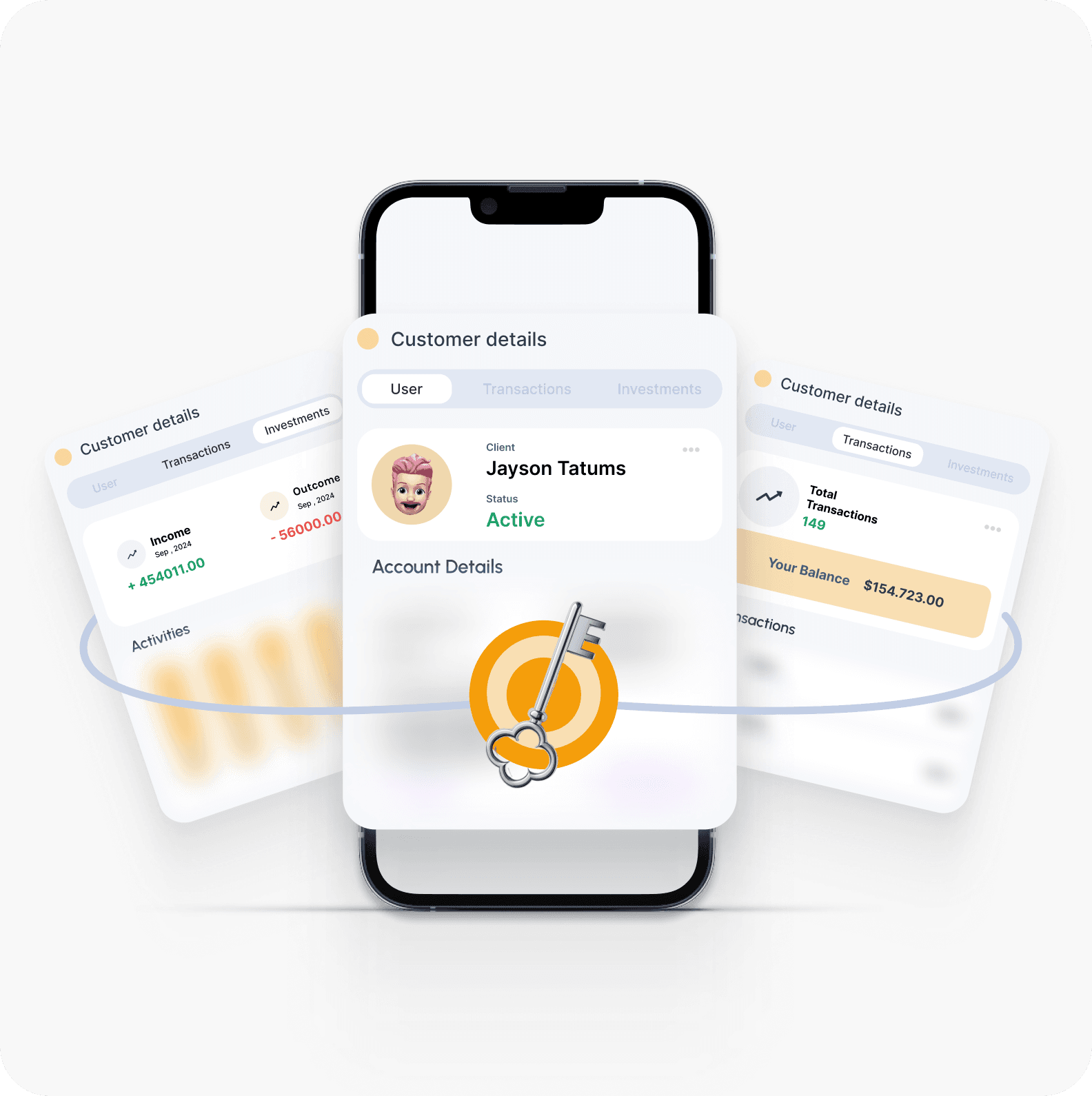
Impact We Have Made
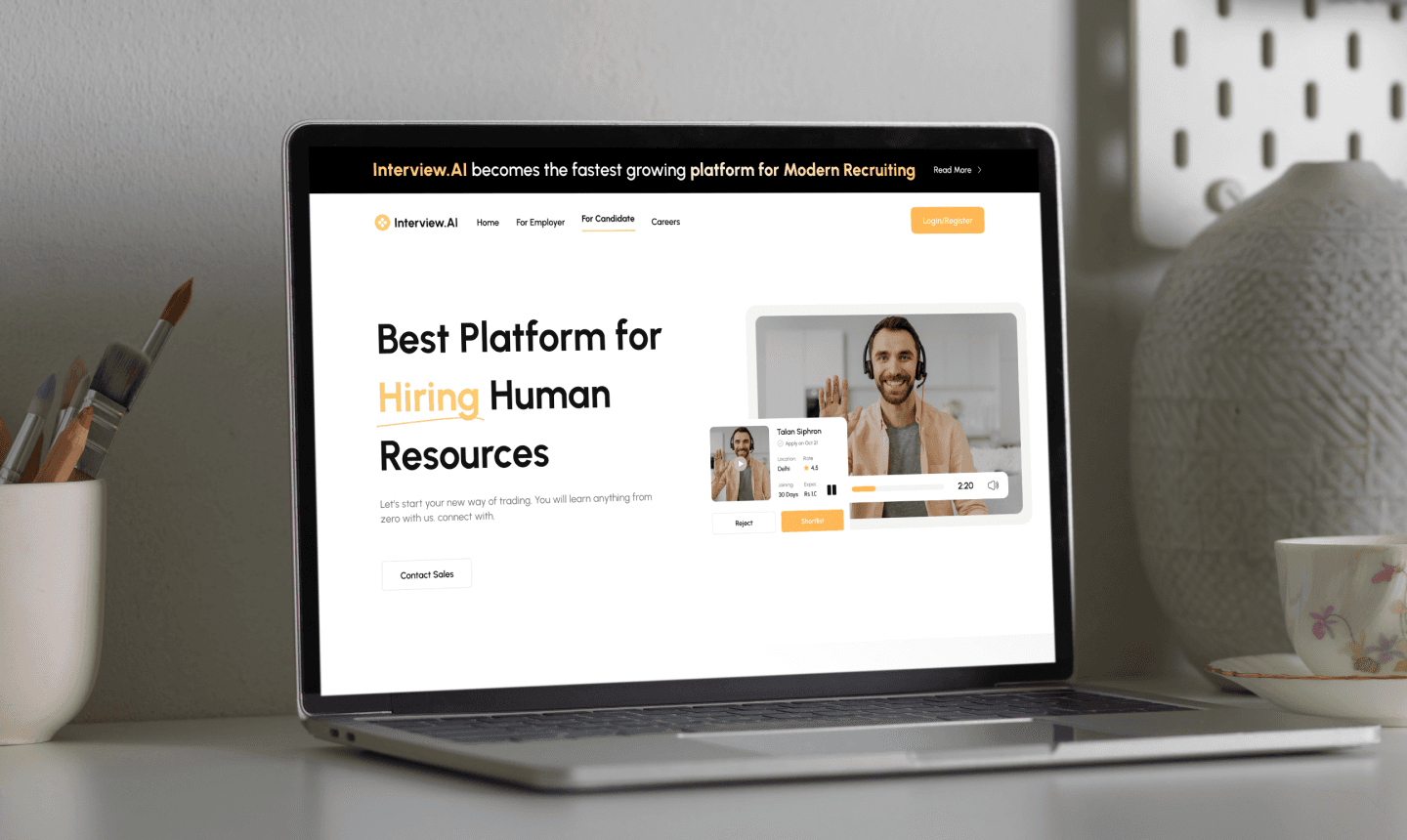
AI-Powered Candidate Screening at Scale
Automated technical interviews with real-time voice interactions, adaptive questioning, and intelligent candidate evaluation to accelerate hiring and improve screening consistency.
- Candidate Screening
- 24/7
- Voice Interviews
- AI-Led

A Unified Platform for Vending Business Management
Built a modern SaaS platform that automates workflows, centralizes operations, and enables efficient management of leads, routes, users, and subscriptions.
- On-time Delivery
- 100%
- Week Delivery Completed
- 12
- Blocker Launch
- 0%
Industries We Cater Through Fullstack Development Services
Our fullstack development services capabilities extend across diverse industries, each with distinct backend, frontend, and integration demands. From secure healthcare systems and high-performance fintech apps to scalable consumer platforms and real-time IoT solutions, we build robust, end-to-end digital products that power seamless user experiences across web and mobile.
Advantages of Fullstack App Development
Full stack app development services simplify product delivery by combining frontend, backend, databases, APIs, and deployment within one engineering engagement. This approach reduces coordination overhead, speeds releases, improves maintainability, and supports scalable application growth.
Build and iterate quickly with one team across the stack.
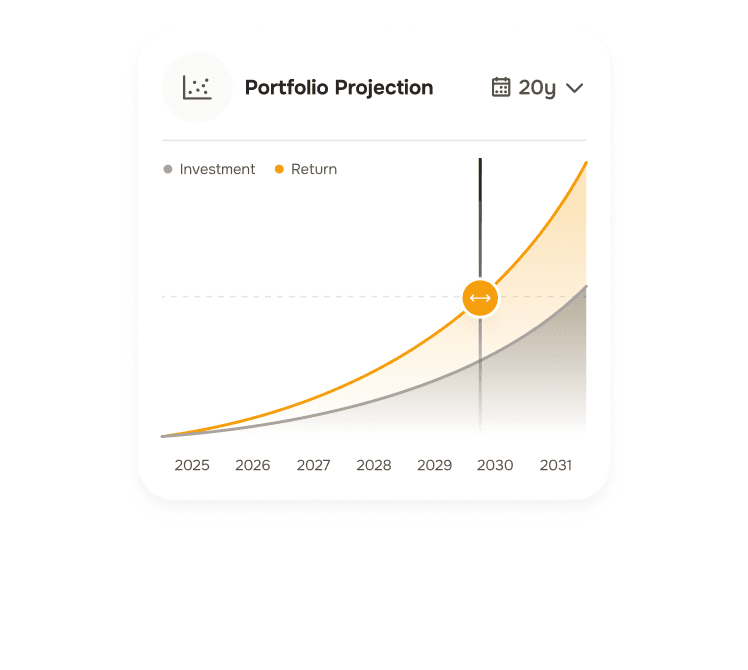
Maximize efficiency with cross-functional expertise.
Ensure smooth data flow and consistent logic across all layers.
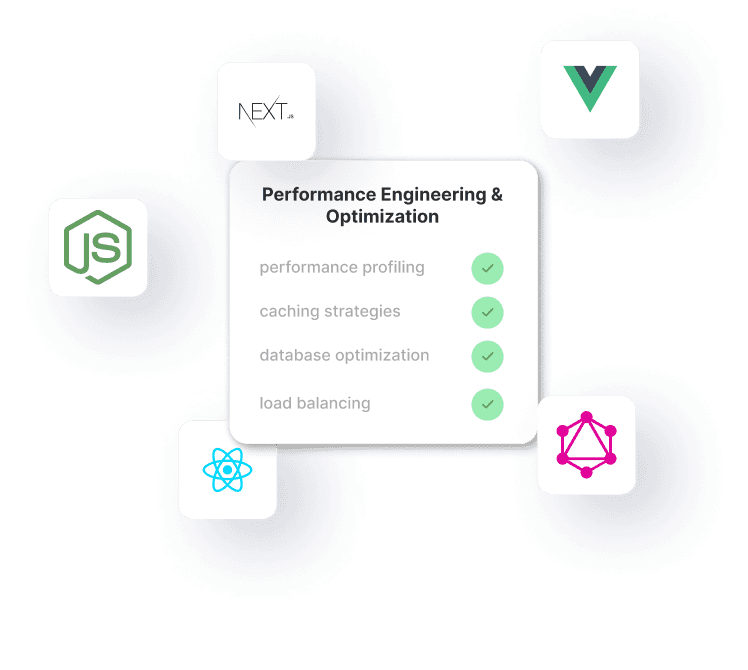
Unified updates, bug fixes, and deployments.
Designed for growth with flexible, reusable components.
Different Types of Fullstack Applications We Build
Our full stack app development services cover customer-facing applications, enterprise software, AI-enabled platforms, internal business tools, and connected solutions across platforms. Every mobile application is designed with integrated frontend, backend, and cloud architecture to support long-term scalability and performance.

Enterprise and Business Tools
Scalable systems to manage workflows, boost productivity, and improve collaboration.

Customer-Facing Web & Mobile Apps
Engaging apps with responsive UIs, built for retention and user growth.

AI-Integrated Applications and Platforms
Fullstack apps that integrate AI/ML models, chat agents, and automation pipelines.

IoT-Connected Applications and Solutions
Backend-integrated interfaces for real-time analytics and monitoring.

Vertical-Specific Industry Solutions
Custom fullstack apps built to meet domain-specific and operational standards.

Internal Automation Platforms
Platforms that streamline internal workflows, automate tasks, and boost ROI.
Why Choose GeekyAnts as Your Full-Stack Development Company?
GeekyAnts is an AI-powered digital product engineering and consulting company that delivers full stack app development services across frontend, backend, APIs, databases, cloud infrastructure, and DevOps. Our end-to-end full stack development approach emphasizes scalable architecture, future-proof performance, secure integrations, and reliable product delivery.
End-to-End System Architecture
We develop fullstack systems with clear logic, reusable modules, and clean separation of concerns.
Frontend-Backend Synchronization
APIs, databases, and UIs are developed in tandem to ensure seamless communication and UX.
Built for Scalability and Major User Load
Our apps are built to scale—from infrastructure to UI—handling growth with zero compromise.
Optimized DevOps & Deployment
CI/CD pipelines, testing, and observability are integrated from day one for faster and safer releases.
Domain-Aligned Fullstack Solutions
We build context-aware stacks for industries like fintech, healthcare, and e-commerce.
Unified Development Velocity
With one cross-functional team owning the entire stack, we reduce bottlenecks and speed up delivery.
We Specialize in AI Solutions, Experience Design, and End-to-End Development Frameworks
- GPT

- LlamaIndex

- Prompt Engineering

- Lang chain

- React Native
- React
- Android
- Flutter
- Angular
- Next.js
- VueJS
- SvelteJS
- Expo
- gluestack-ui
- Native iOS
- MongoDB
- PostgreSQL
- MariaDB
- Firestore
- Amazon DynamoDB
- MySQL
- Jenkins
- Manual Testing
- Selenium
- Figma
- Illustrator
End-to-End Fullstack App Development Built for Consistency and Scale
- Step 01
Discovery & Requirement Analysis
- Step 02
System Design & Stack Selection
- Step 03
Backend Architecture & API Design
- Step 04
Frontend Development
- Step 05
Middleware & Integration Setup
- Step 06
Performance Optimization
- Step 07
UI/UX and Data Flow Validation
- Step 08
Scalability & QA Testing
- Step 09
CI/CD, Launch & Monitoring
Book A Free Discovery Call
Build scalable digital products with a dedicated engineering team experienced in frontend, backend, cloud infrastructure, APIs, and end-to-end application delivery. For all engagements, we follow a strong NDA policy and your inputs are secure with us.
Contact us
Learn More About Our Full Stack App Development Services
GeekyAnts offers something most vendors don't: depth of specialization across the entire application lifecycle. From UI/UX and frontend engineering to backend logic, APIs, databases, and deployment, our teams build systems that are modular, scalable, and aligned to your business architecture.
Why it matters:
- Unified Teams: At GeekyAnts, fullstack development doesn’t mean a “jack-of-all-trades.” It means a cohesive team where the same developers can own interactions between UI logic, business services, and infrastructure. This dramatically reduces communication gaps and accelerates delivery.
- Domain Experience: With hundreds of successful projects in fintech, healthcare, education, and marketplaces, we understand domain-specific requirements, like HIPAA compliance in healthcare or high-frequency transaction handling in fintech.
- Modern Stack Mastery: Our full stack developers are fluent with React, Next.js, Node.js, NestJS, PostgreSQL, MongoDB, Redis, Docker, AWS, Firebase, and more. We don’t just use them—we contribute to the ecosystem (e.g., our Gluestack framework).
- Process-Driven Execution: Every engagement is driven by documented workflows—discovery sprints, daily standups, CI/CD pipelines, security audits, and code quality checks. No guesswork, no silos.
In short: If you need an app that looks beautiful, works seamlessly, scales intelligently, and can be delivered in record time, GeekyAnts is structured to make that happen.
There is no universal pricing model for fullstack app development because every project varies in complexity, features, integrations, team structure, and compliance requirements. That said, we offer a value-based pricing approach, ensuring you get ROI—not just code.
Typical ranges:
- Startup MVP (Basic Features, Limited Roles)
$15,000 – $30,000
Includes frontend + backend + DB for one user role, usually over 4–6 weeks. - Growth-Stage SaaS Product
$40,000 – $100,000
Multi-user flows, external APIs, analytics dashboard, DevOps setup. - Enterprise-Grade Platform (Modular Architecture, Multi-tenancy)
$100,000+
Includes microservices, integrations with legacy systems, custom security layer, scalability testing.
Cost Drivers:
- Custom UI vs Design System
- Number of roles/user journeys
- 3rd-party integrations (e.g., payment, SMS, CRM)
- Performance benchmarks (esp. in fintech/gaming)
- DevOps & infrastructure readiness
We also offer discovery sprints (typically $5K–$10K) to validate the architecture, define scope, and provide an accurate estimate before you commit to full development.
Timelines depend on clarity of requirements, size of the app, integrations needed, and deployment scope.
Example Timeline – B2B SaaS Platform:
- Discovery & Architecture – 2 weeks
- Design System Setup – 1 week
- Frontend Dev (2–3 modules) – 5–6 weeks
- Backend Services (User Mgmt, Roles, Reports) – 4–5 weeks
- Integration & DevOps – 1 week
- QA, UAT, Final Launch – 2 weeks
We work in agile sprints with regular demos, ensuring continuous validation.
End-to-end full stack development includes frontend development, backend engineering, API development, database design, cloud infrastructure, testing, deployment, and ongoing maintenance. GeekyAnts delivers these capabilities as a unified engineering engagement to simplify delivery and support long-term application growth.
Our fullstack developers are not generalists. They specialize in building complex, production-grade applications using tools that scale and perform under pressure.
Core Specialization Areas:
- UI Engineering: Custom design systems, component libraries, React, Next.js
- API & Backend Engineering: REST/GraphQL APIs, authentication flows, microservices
- Database Design & Optimization: PostgreSQL, MongoDB, Firebase, Redis
- DevOps & CI/CD: Docker, GitHub Actions, AWS, Vercel, Heroku
- Security Implementation: OAuth2, RBAC, JWT, rate limiting, data encryption
- Domain Expertise: Fintech, healthcare, SaaS, HR tech, marketplaces
We assign developers based on their project fit, not just availability.
We choose frameworks based on your business goals, speed to market, and team scale. The most robust choices today include:
Popular Frontend Frameworks:
- React.js (UI flexibility, component ecosystem)
- Next.js (SSR, performance optimization, fullstack capabilities)
Backend Frameworks:
- Node.js + Express/NestJS (JavaScript stack, async-heavy workloads)
- Python + FastAPI/Django (good for ML, admin-heavy apps)
- Golang (high-performance systems, real-time apps)
Others:
- Firebase + Firestore (good for MVPs, real-time data)
- Supabase (PostgreSQL backend with auth and APIs out of the box)
Framework choice is not about trend—it’s about aligning stack decisions with product architecture and team capacity.
You need to validate both technical competence and system-level thinking.
Here’s how:
- Architecture Whiteboard Sessions: Ask them to explain system flows, caching, data consistency, error handling, and scaling.
- Live Coding Task (3–4 hours): Simulate your architecture (e.g., design a REST API + frontend form + DB model).
- Code Sample Review: Check readability, separation of concerns, structure, and test coverage.
- Ask for Past Impact: What trade-offs did they make? How did they handle downtime or scaling?
At GeekyAnts, our developers go through multi-stage vetting, project simulation rounds, and ongoing L&D. We staff only those who’ve handled production systems end-to-end.
Hiring fullstack developers brings both strategic and operational benefits:
- Holistic Ownership: One developer can implement, debug, and optimize a complete feature—from database query to UI component.
- Faster Iteration: Short feedback loops, fewer dependencies, and minimal handoffs mean quicker releases.
- Lower Headcount = Lower Cost: For lean teams or early-stage products, fullstack profiles reduce the need for multiple hires.
- Cross-functional Thinking: They naturally optimize across concerns—performance, UX, API design, and security.
That said, fullstack developers are best when paired with specialists (QA, DevOps, UX) in scaling phases. GeekyAnts builds pods that blend generalists and specialists.
We treat quality and security as non-negotiable engineering disciplines. They’re built into every phase—not added as a post-launch layer.
Quality Practices:
- Strict PR Reviews and CI pipelines
- Automated testing: Unit, Integration, E2E
- Coding standards enforced via linters, formatters
- Component-driven architecture for reusability
Security Protocols:
- Authentication via OAuth2/JWT with role-based access
- Encrypted sensitive fields in DB (AES, RSA)
- HTTPS & secure headers by default
- Rate limiting, input validation, XSS & CSRF prevention
- Dependency scanning via Snyk/GitHub Dependabot
Clients receive documentation, risk assessments, and infrastructure blueprints.
Yes. We offer flexible models based on your build stage and team needs:
- Solo Fullstack Dev: Best for founders or small teams testing an idea
- Mini-Pod: 1 PM, 2 devs (FE/BE), 1 QA – for startups & MVPs
- Dedicated Squad: Full product team working exclusively on your app
Billing Models:
- Time & Material (weekly/monthly)
- Fixed Scope (based on milestones)
- Retainer for ongoing maintenance and feature evolution
Teams work in your timezone, attend your standups, and adapt to your tools and workflows.
A full stack development company manages frontend, backend, APIs, databases, deployment, and integration within one engineering team. This reduces communication overhead, simplifies project management, improves delivery consistency, and helps resolve issues across the application stack more efficiently.
Yes. Transparency is built into our engagement model.
You get:
- Code Ownership: Full access to private GitHub repos with real-time visibility
- Tooling Transparency: Jira/ClickUp dashboards, release logs, time tracking
- Weekly Syncs: Sprint planning, demo, blockers, retrospective
- Documentation: Architecture diagrams, API docs, CI/CD process, staging credentials
You’re never left wondering where things stand. Stakeholders are looped in weekly, and engineers are available for clarifications, technical walkthroughs, and support.
Full Stack App Development