
F&B App Design & Development Services
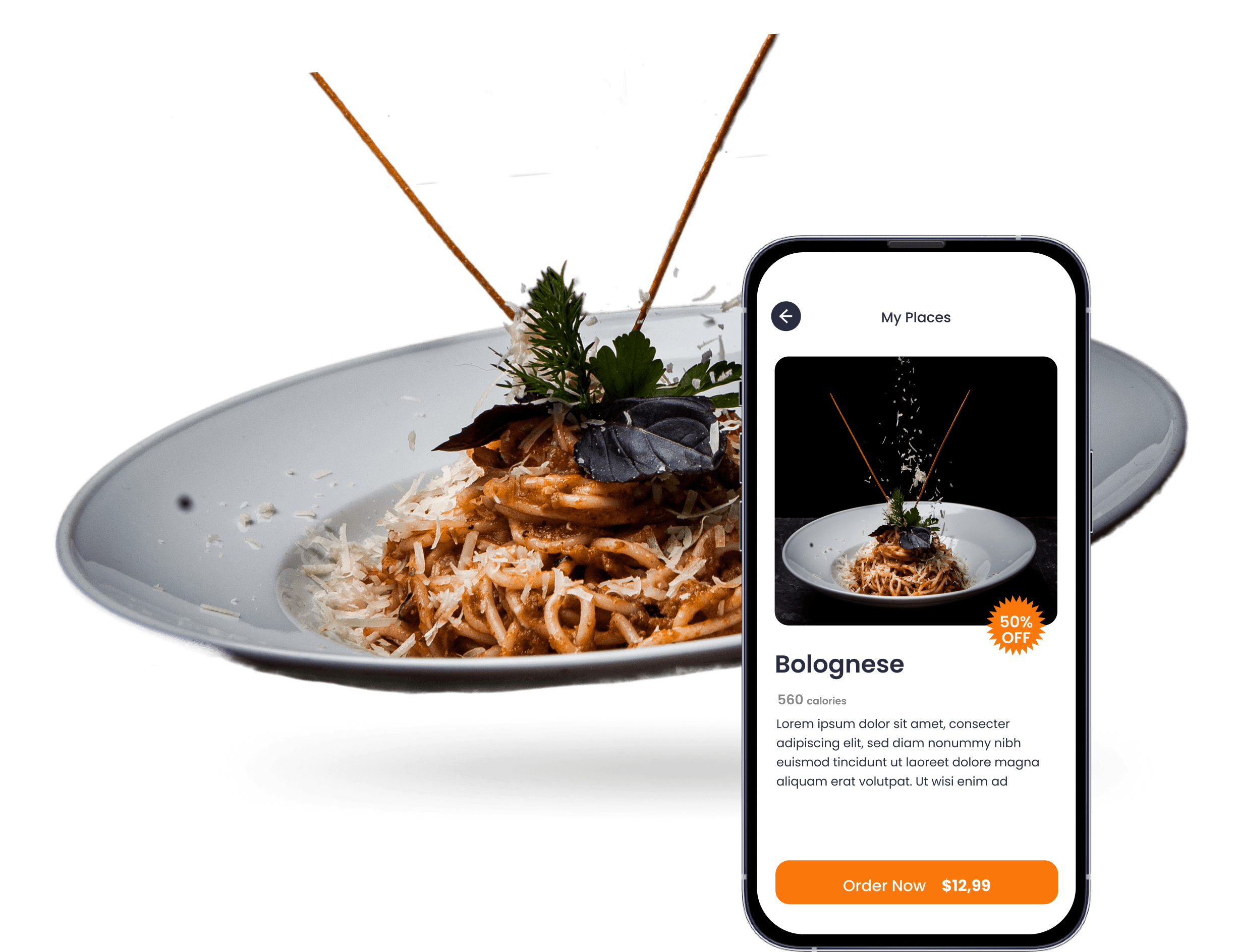










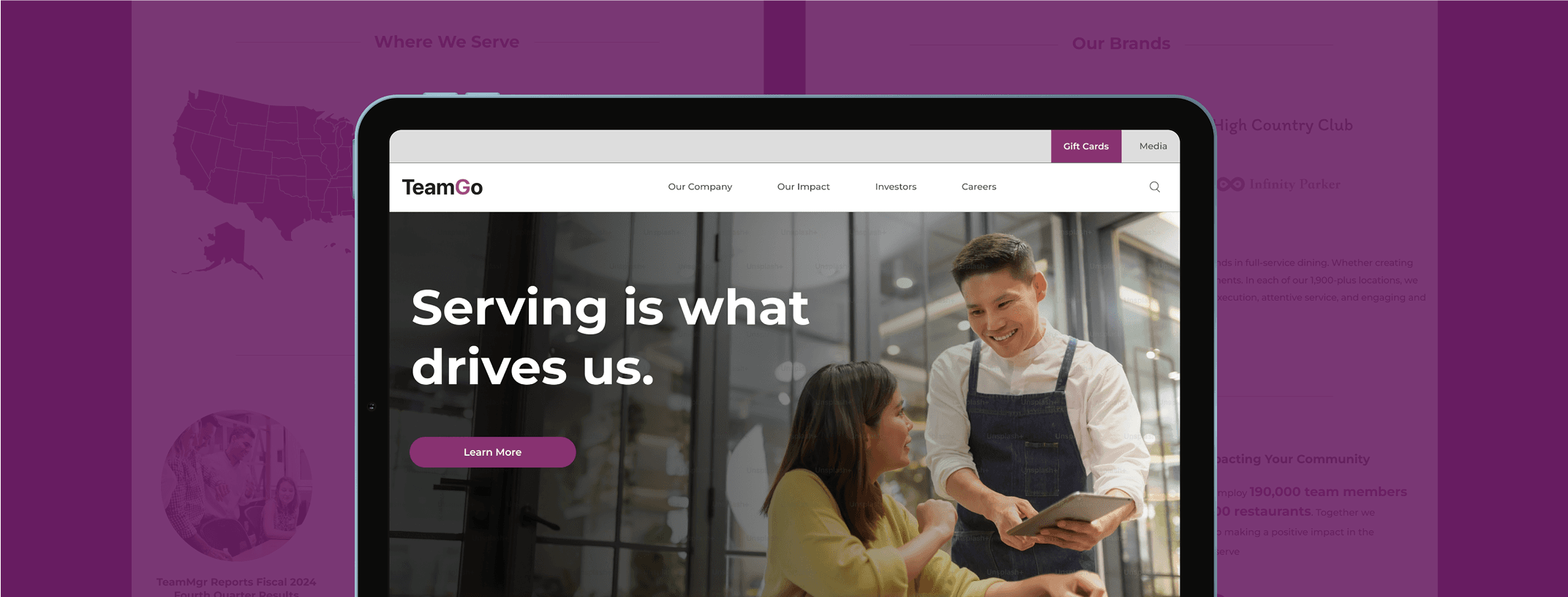

We Help You Maximize RoI in Service Delivery, Customer Engagement, and Restaurant Operations
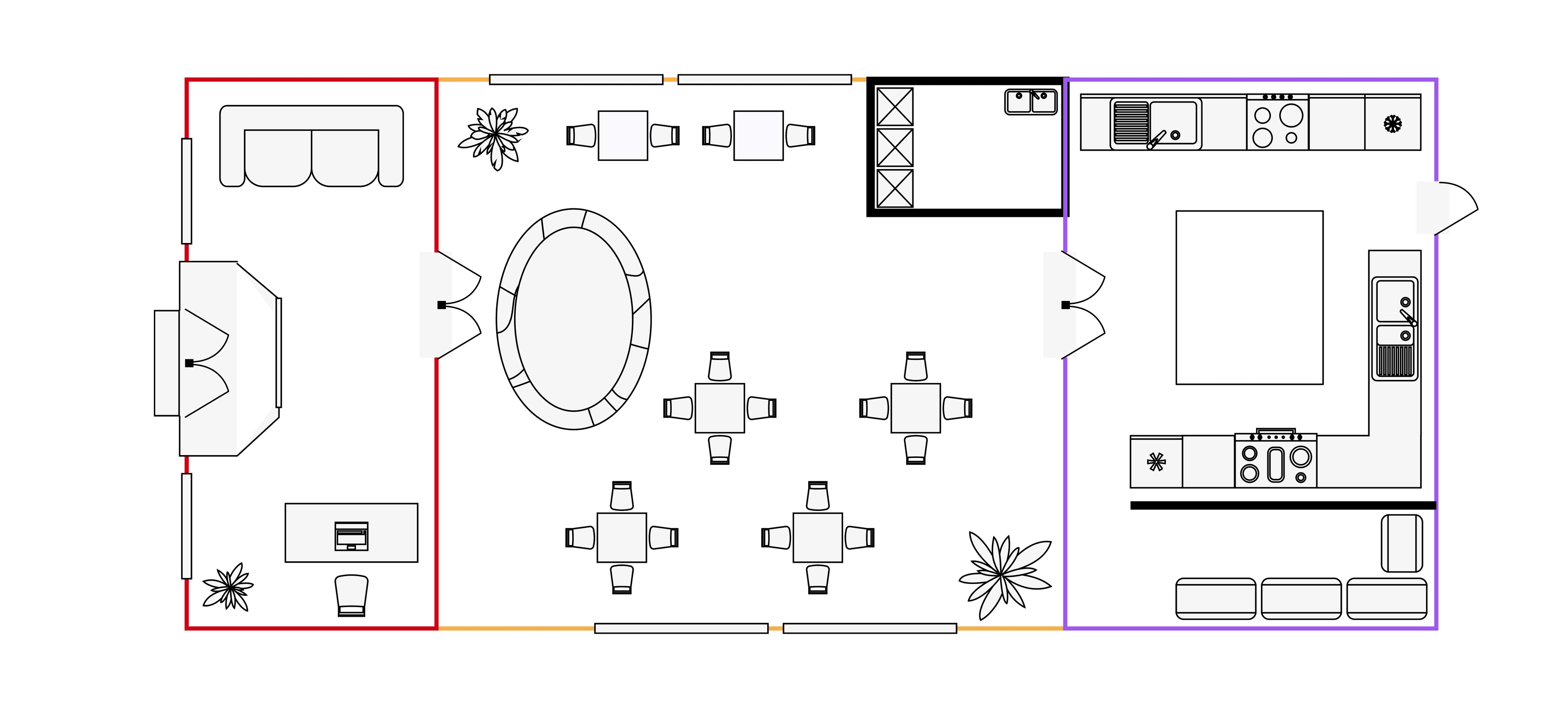
Front of House (FoH) Focused innovation
- Table Turnover
- Service Charge Transparency
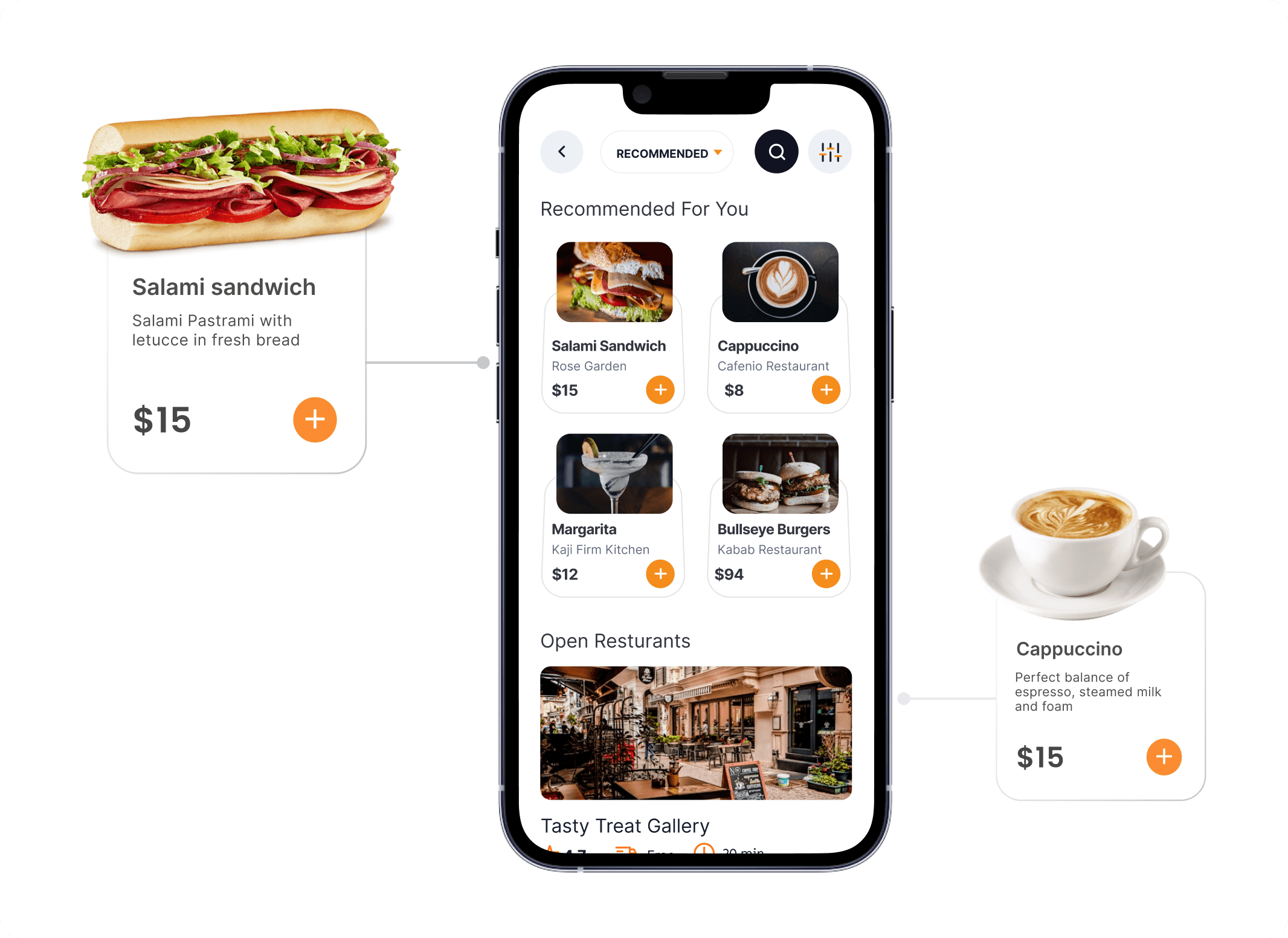
Menu Innovation
- A la Carte & Entrée Sélection
- Inventory management systems
Back of House (BoH) Focused innovation
- Inventory Management
- Food Cost Optimization
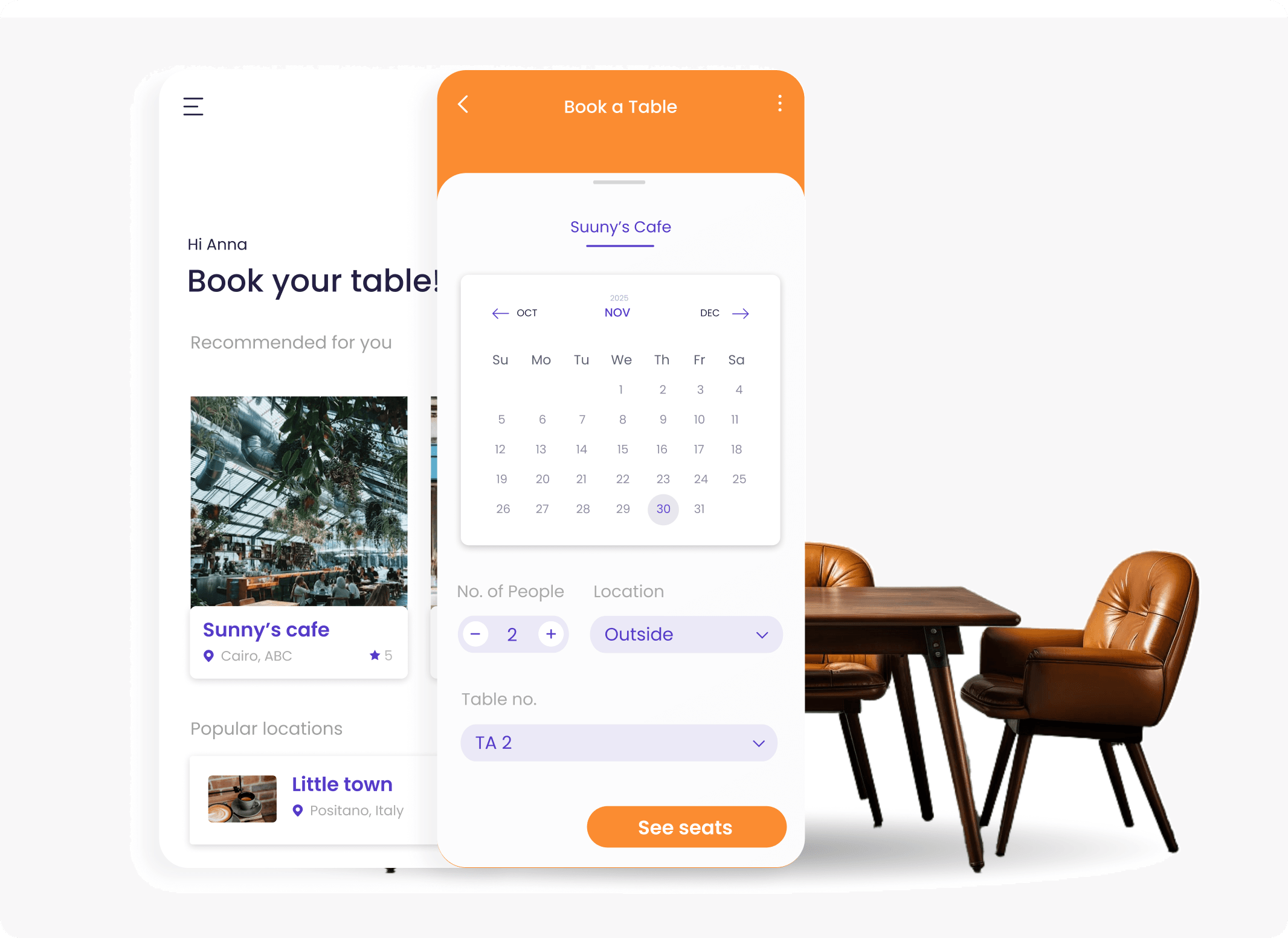
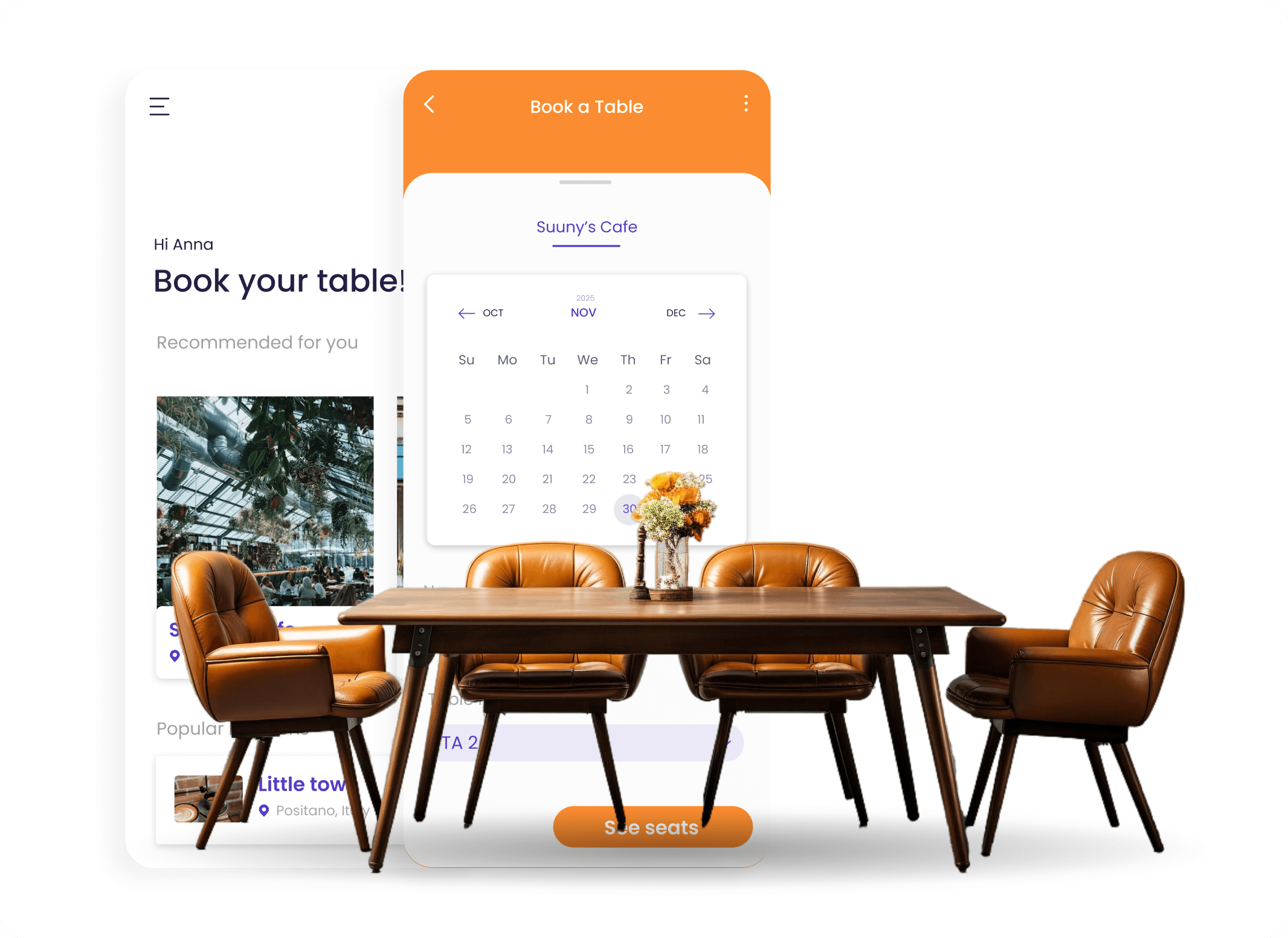
Restaurant Booking
- Table Bookings
- Customer experience management
Restaurant Operation Applications
- Happy Hour Management
- Expeditor Efficiency
Inventory & Ordering Applications
- FIFO & LIFO Management
- Minimum Order Quantities (MOQs)
- Purchase Orders (POs)
Maximize ROI from AI-Adoption with Our F&B Industry Focussed AI-Engineering
Interactive Virtual Reality Menu
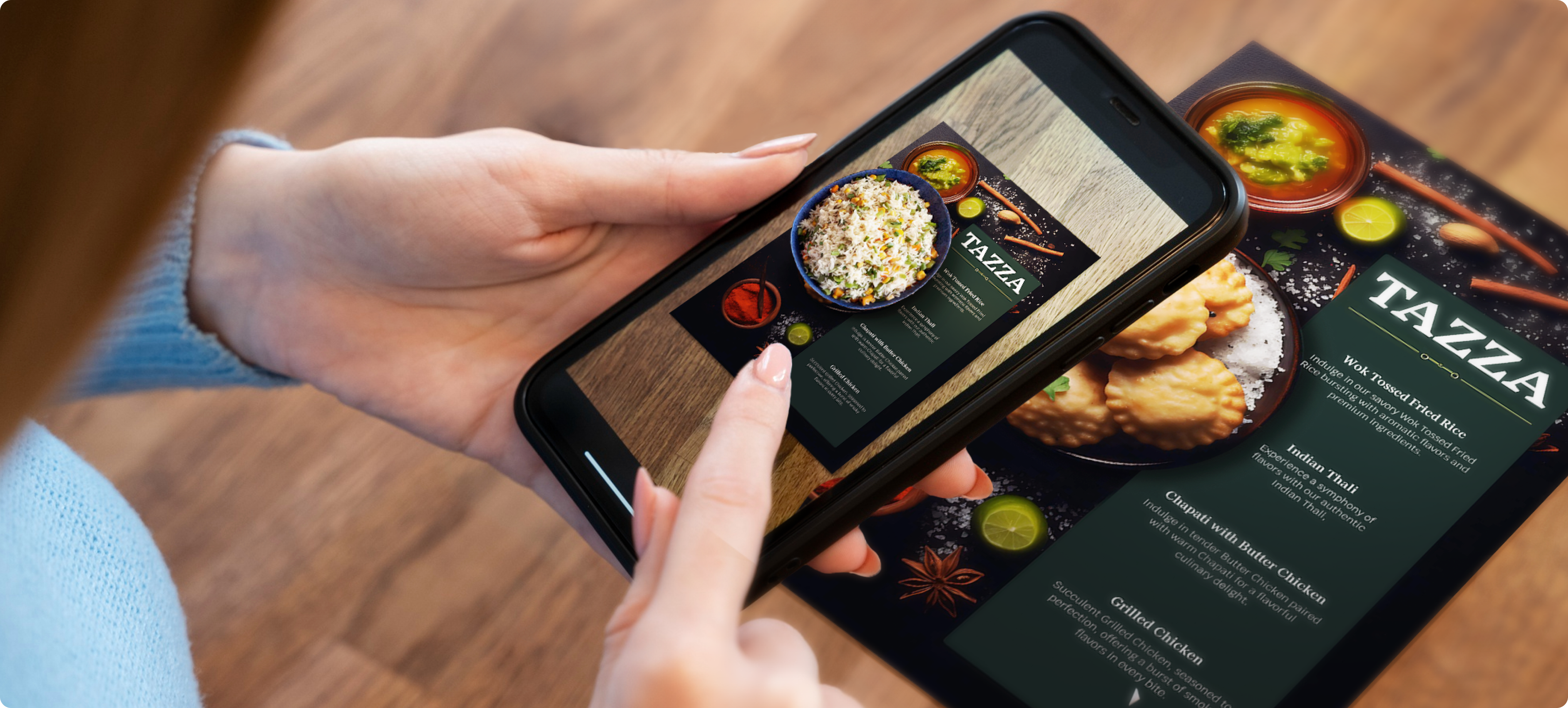
Delight Customers and Boost Efficiency With Our Focussed Offerings
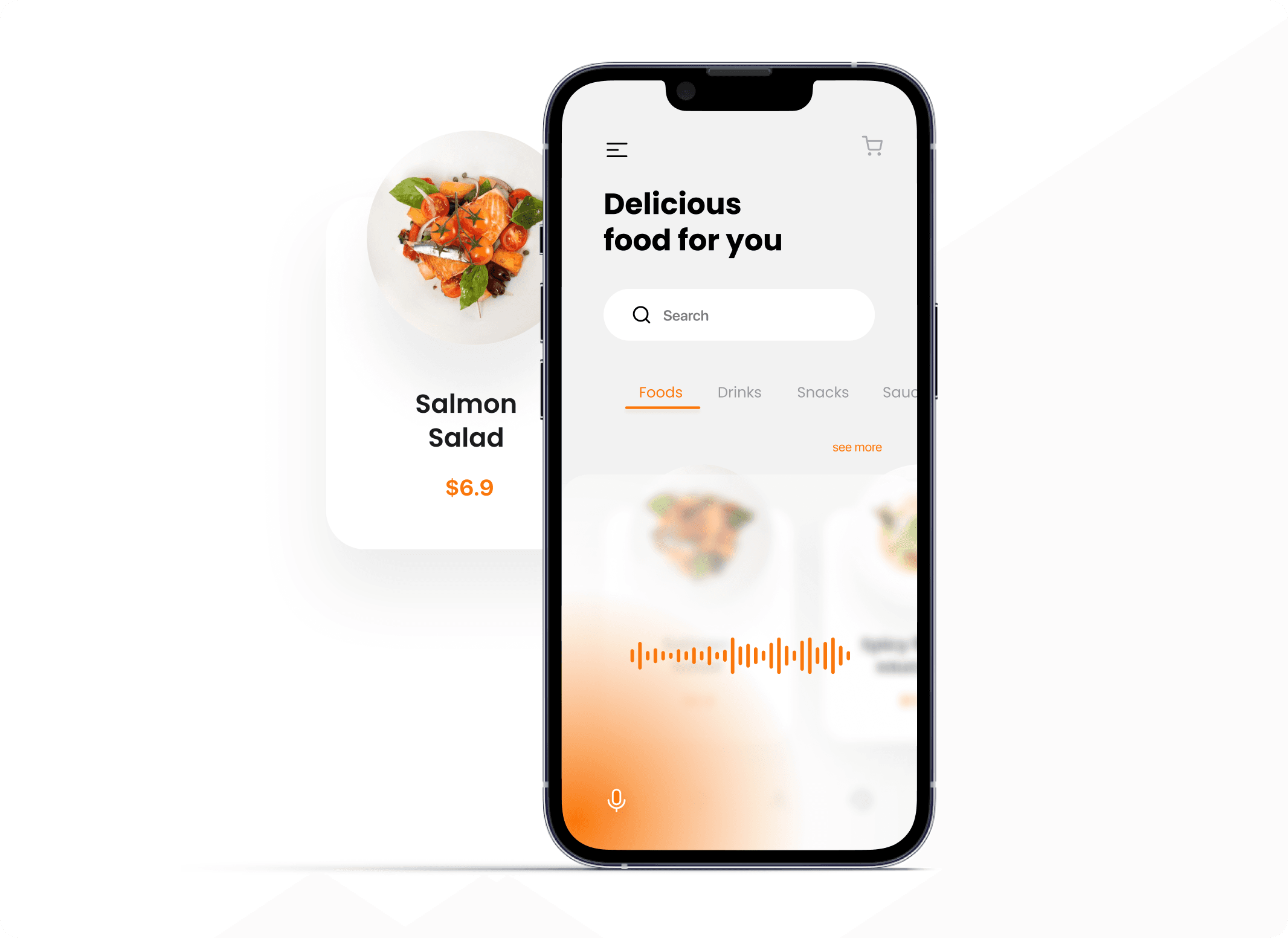
Contactless Dining Apps
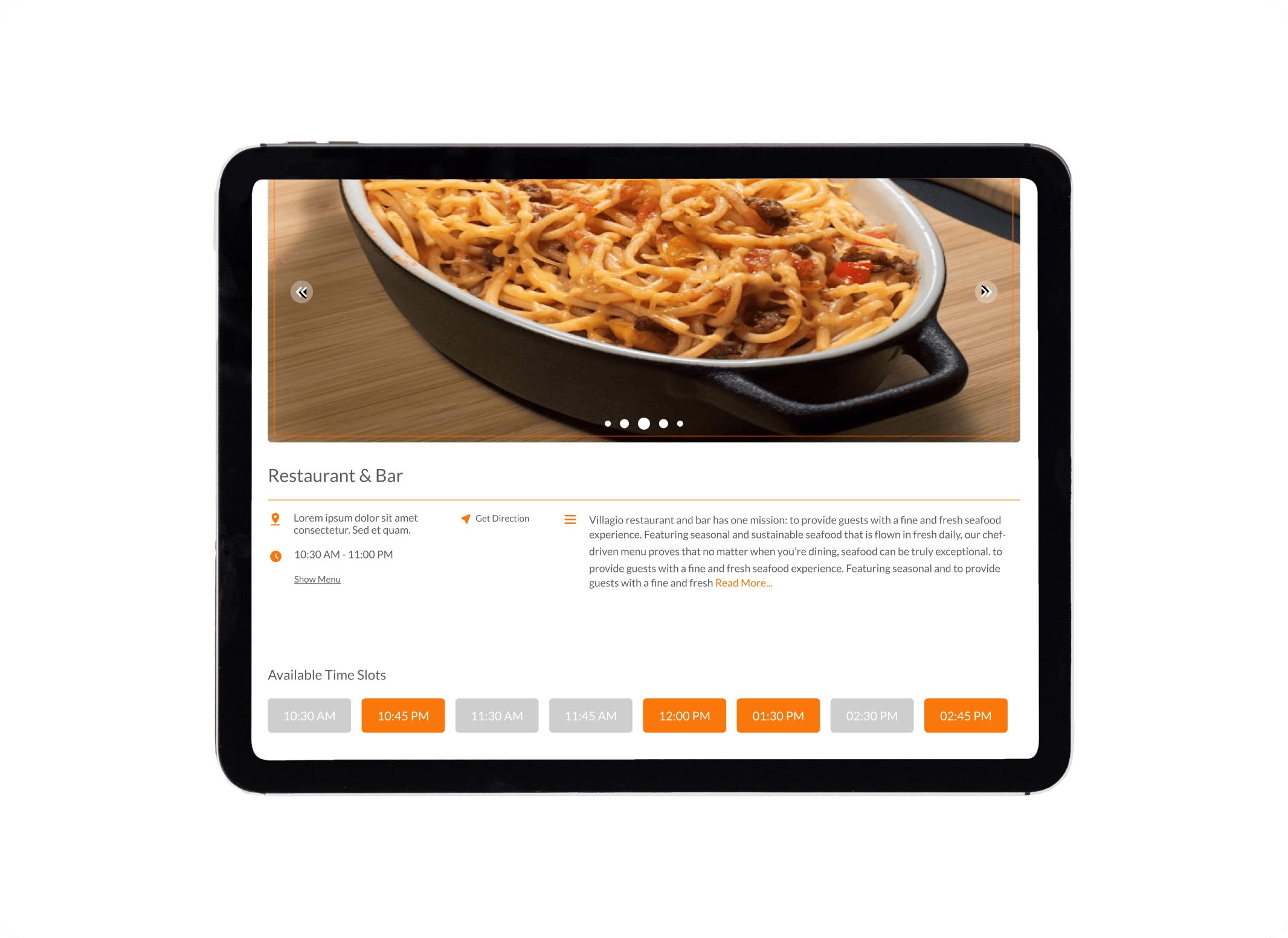
Restaurant Finder Apps
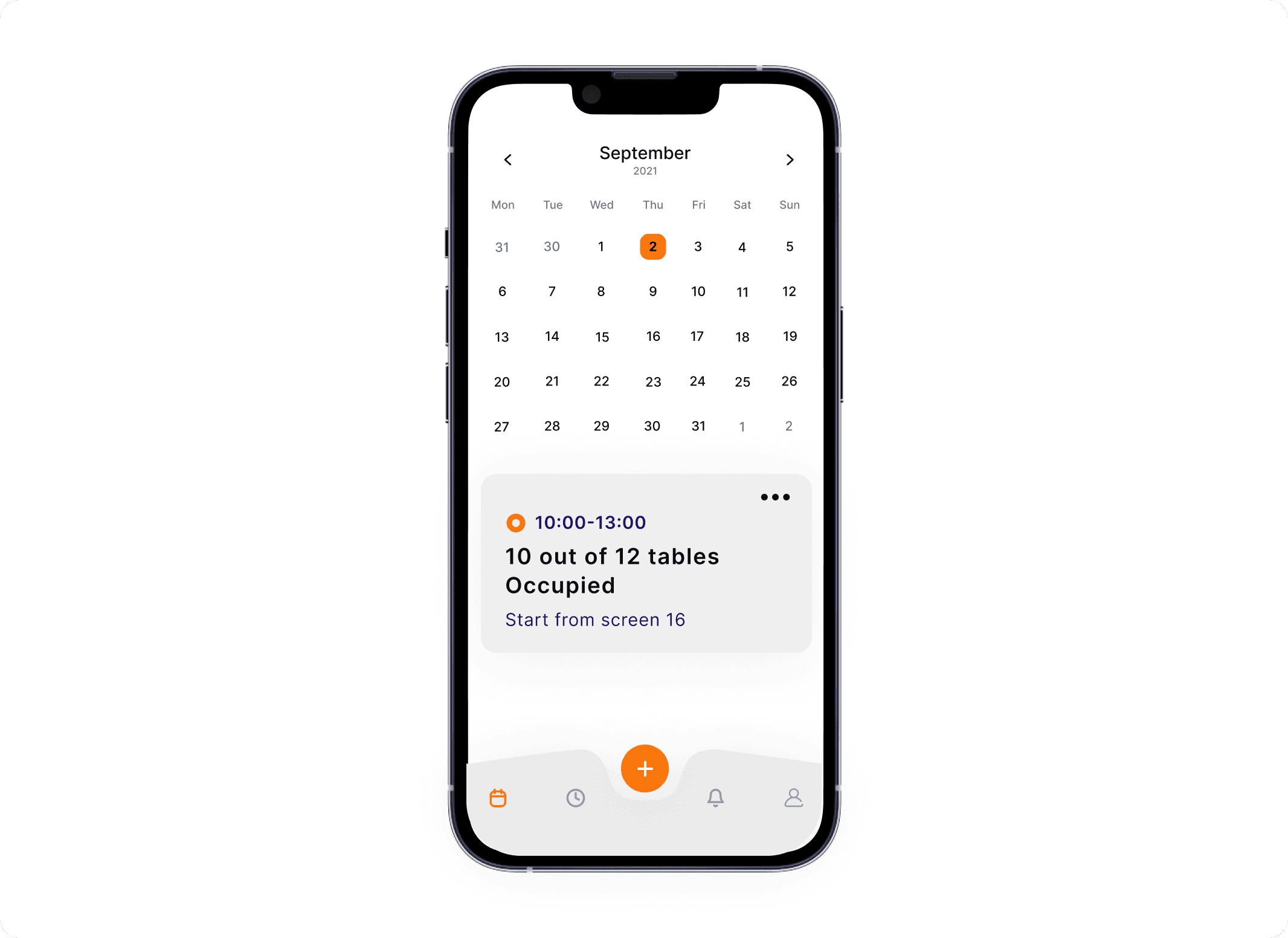
Table Management App
Feedback System Solutions
Loyalty Programs
Why Choose GeekyAnts As Your F&B Industry App Development Company
AI-powered Digital Solutions
Expertise in Smart Service
Customized Automations
Enterprise Expertise
Timely Delivery
Scalable Architecture
GeekDine: Restaurant Booking and Reservation App that Can be Customized According to Your Business
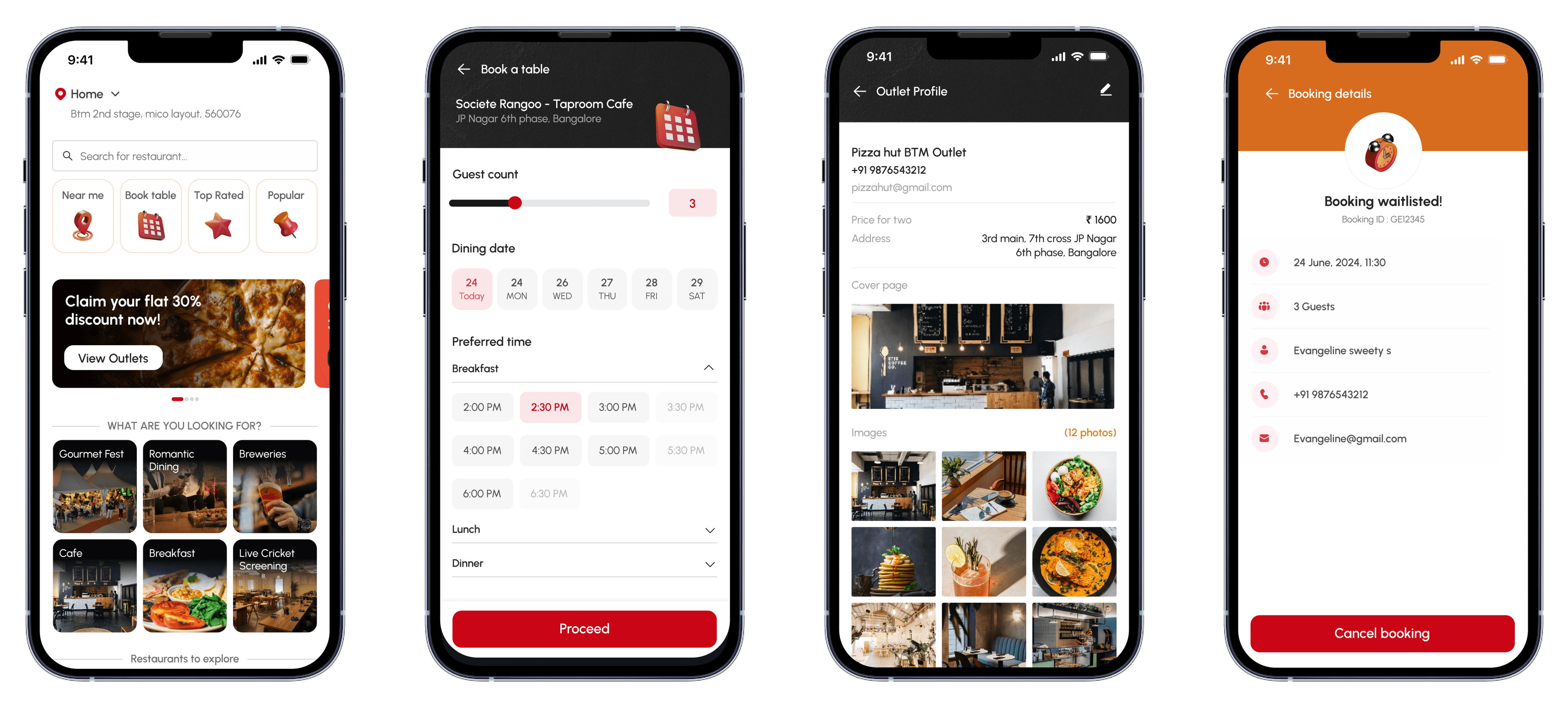
We Specialize in AI Solutions, Experience Design, and End-to-End Development Frameworks




Hire Our Food and Beverage App Development Experts
Learn More About F&B Design and Development Services
- Restaurant Management Apps
- Food Delivery and Ordering Apps
- Customer Loyalty and Engagement Apps
- Menu Management Apps
- Table Reservation and Contactless Dining Apps
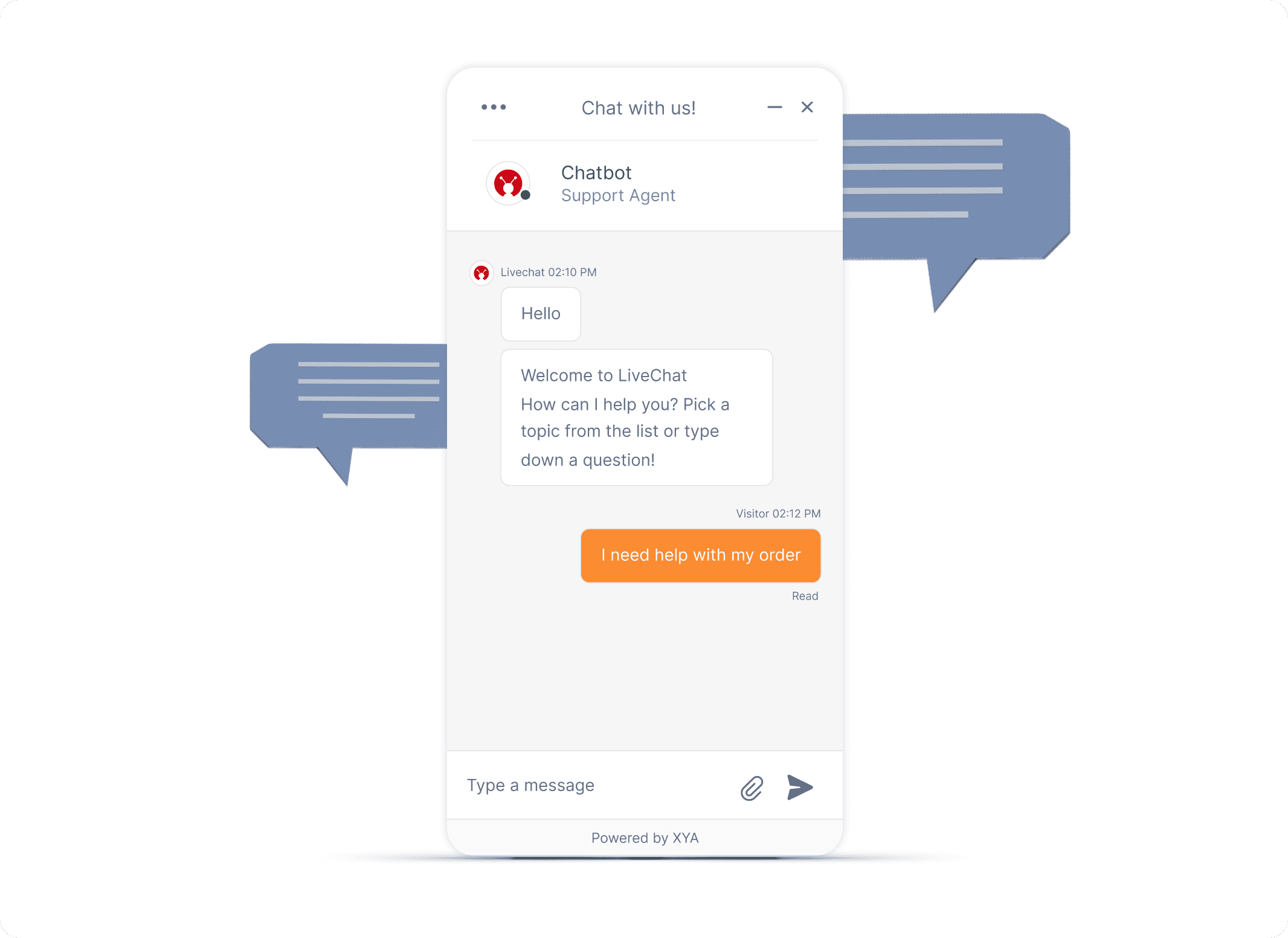
- AI-Powered Chatbots and Virtual Assistants
- Simple Food and Beverage Apps
- Mid-Range Apps with Advanced Features
- Complex and Fully Customized Solutions
- Ongoing Costs
- Simple Food Ordering Apps (e.g., Local Restaurant Apps)
- Features: Basic features like menu display, order placement, payment gateway integration, and user accounts.
- Development Time: Around 3 to 6 months.
- Example: A small restaurant app with online ordering and payment capabilities, similar to apps for local restaurants.
- Why: These apps have straightforward functionalities and a limited number of integrations, so they can be developed relatively quickly.
- Mid-Range Food Delivery Apps (e.g., Zomato, Grubhub)
- Features: User registration, menu browsing, real-time order tracking, payment integration, customer reviews, loyalty programs, and push notifications.
- Development Time: Around 6 to 9 months.
- Example: Grubhub or Zomato, both of which offer real-time delivery tracking, reviews, and extensive restaurant listings.
- Why: These apps require more advanced features like live tracking and customer interaction elements, as well as robust back-end services, which extend the development timeline.
- Comprehensive Restaurant Chain Apps (e.g., McDonald’s, Starbucks)
- Features: Advanced features such as loyalty programs, personalized offers, mobile payments, location-based services, and integration with POS systems.
- Development Time: Around 9 to 12 months.
- Example: The McDonald's app or Starbucks app, which includes complex functionality like in-app orders, mobile payments, and loyalty rewards.
- Why: These apps require integration with internal systems like supply chain management, POS systems, and customer personalization, making development more time-consuming.
- Enterprise-level F&B Apps (e.g., UberEats, DoorDash)
- Features: Real-time delivery tracking, complex algorithms for delivery routing, AI-powered recommendations, dynamic pricing, multi-restaurant support, and integrations with various third-party services.
- Development Time: Around 12 to 18 months or more.
- Example: UberEats or DoorDash, both of which involve highly scalable back-end systems, real-time order and delivery management, and sophisticated AI-driven features.
- Why: These apps are large-scale with complex functionalities and high-performance demands, requiring extensive development, testing, and optimization.
- Features and Complexity: The more complex the app, the longer it will take to develop. Adding features like AI-powered recommendations, real-time tracking, or custom POS integrations significantly increases the development timeline.
- Third-party Integrations: Apps that need to integrate with external systems like CRMs, POS systems, or ERPs require extra time for development and testing.
- Platform: Developing for multiple platforms (iOS and Android) or creating a cross-platform solution with technologies like React Native can extend the development time.
- Customization: The more custom-built solutions and tailored features required, the longer it takes to develop.
- Frontend (User Interface)
- React Native or Flutter: These are powerful cross-platform development frameworks that allow us to build a single app for both iOS and Android, reducing development time and ensuring a consistent user experience across platforms.
- React.js: If a web app is required in addition to mobile, React.js is ideal for building highly interactive and responsive user interfaces.
- Backend (Server and Database)
- Node.js: Known for its high performance and scalability, Node.js is often our choice for building the server-side of the app, especially for real-time features like live order tracking.
- Express.js: A fast and flexible Node.js web application framework that helps in setting up robust API services.
- GraphQL or RESTful API: These APIs allow seamless communication between the frontend and backend, enabling efficient data fetching and updates for features like menu browsing, user authentication, and order placement.
- Python (Django/Flask): If the app needs advanced data processing or machine learning integrations, Python can be utilized on the backend.
- Database
- MongoDB or PostgreSQL: MongoDB, a NoSQL database, is useful for handling large amounts of unstructured data, such as customer preferences and order history. PostgreSQL, a relational database, offers high performance and reliability, especially for transactional data such as orders, payments, and inventory.
- Firebase: For real-time data sync (like live tracking of orders) and cloud storage, Firebase can also be used.
- Cloud Hosting and Infrastructure
- AWS (Amazon Web Services): For hosting and infrastructure management, AWS provides reliable, scalable, and secure services. Features like Elastic Beanstalk for deployment and S3 for storage ensure the app can handle growing traffic and data.
- Google Cloud or Microsoft Azure: Alternatives to AWS that offer similar cloud services, including database hosting, server scaling, and backup management.
- Payment Gateway
- Stripe, Razorpay, or PayPal: These are popular payment gateways that support multiple payment options (credit cards, wallets, etc.), providing secure and seamless transactions for users.
- Real-Time Features
- Socket.io: Used for real-time bidirectional communication between clients and servers, Socket.io is great for features like live order tracking and real-time delivery updates.
- AI/ML Features
- TensorFlow or PyTorch: If AI-powered features like personalized food recommendations or dynamic pricing are required, these frameworks help in integrating machine learning algorithms into the app.
- Notifications
- Firebase Cloud Messaging (FCM) or Twilio: For sending push notifications to users about order status updates, promotions, or delivery tracking.
- DevOps and CI/CD
- Jenkins or GitLab CI/CD: To ensure smooth development, deployment, and continuous integration, we use tools like Jenkins or GitLab CI/CD to automate testing, build pipelines, and deployment.
- Security
- OAuth 2.0 and JWT (JSON Web Tokens): For secure user authentication and authorization.
- SSL/TLS Encryption: Ensures secure communication between the app and servers.
Food and Beverages App Development

How AI Loyalty Programs Improve Customer Retention in U.S. Restaurants
Boost customer retention in U.S. restaurants with AI-powered loyalty programs. Explore benefits, ROI, challenges, and future trends for 2025-26
How to Build a Cloud Kitchen App in the US with Real-Time Orders, Delivery, and Brand Control
Learn how to build a high-performance cloud kitchen app with real-time orders, delivery tracking, and brand control. U.S. market data & expert insights included.
Scan to Pay vs Tap to Pay: What is Best for Quick Service Restaurants
Compare Scan to Pay and Tap to Pay for QSRs. Learn which drives speed, ROI & CX—plus real-world insights from GeekyAnts’ U.S. case studies.
Integrating Payment Gateway in Food Delivery Apps: A Step-by-Step Guide
Learn how to integrate a payment gateway into a food delivery app with this step-by-step guide. Explore payment methods, security best practices, key integration steps, common challenges, and tips for building a seamless checkout experience.
How Generative AI is Revolutionizing the F&B Sector in the USA
Generative AI revolutionizes US F&B! Discover how AI personalizes nutrition, streamlines production & tackles food waste. Expert insights from Kunal Kumar - GeekyAnts.
