Cost Optimization and FinOps
Make Your Cloud Spending Work As Hard As Your Team Does








Client Results and Success

Production-Ready Kubernetes Architecture
The platform was designed to support scalable production deployments with minimal resource consumption, enabling faster environment provisioning and operational stability.
3
environments K8s setup
95%
environments K8s setup
35%
savings over managed Kubernetes alternatives




Our FinOps Assessment Spans Three Foundational Pillars
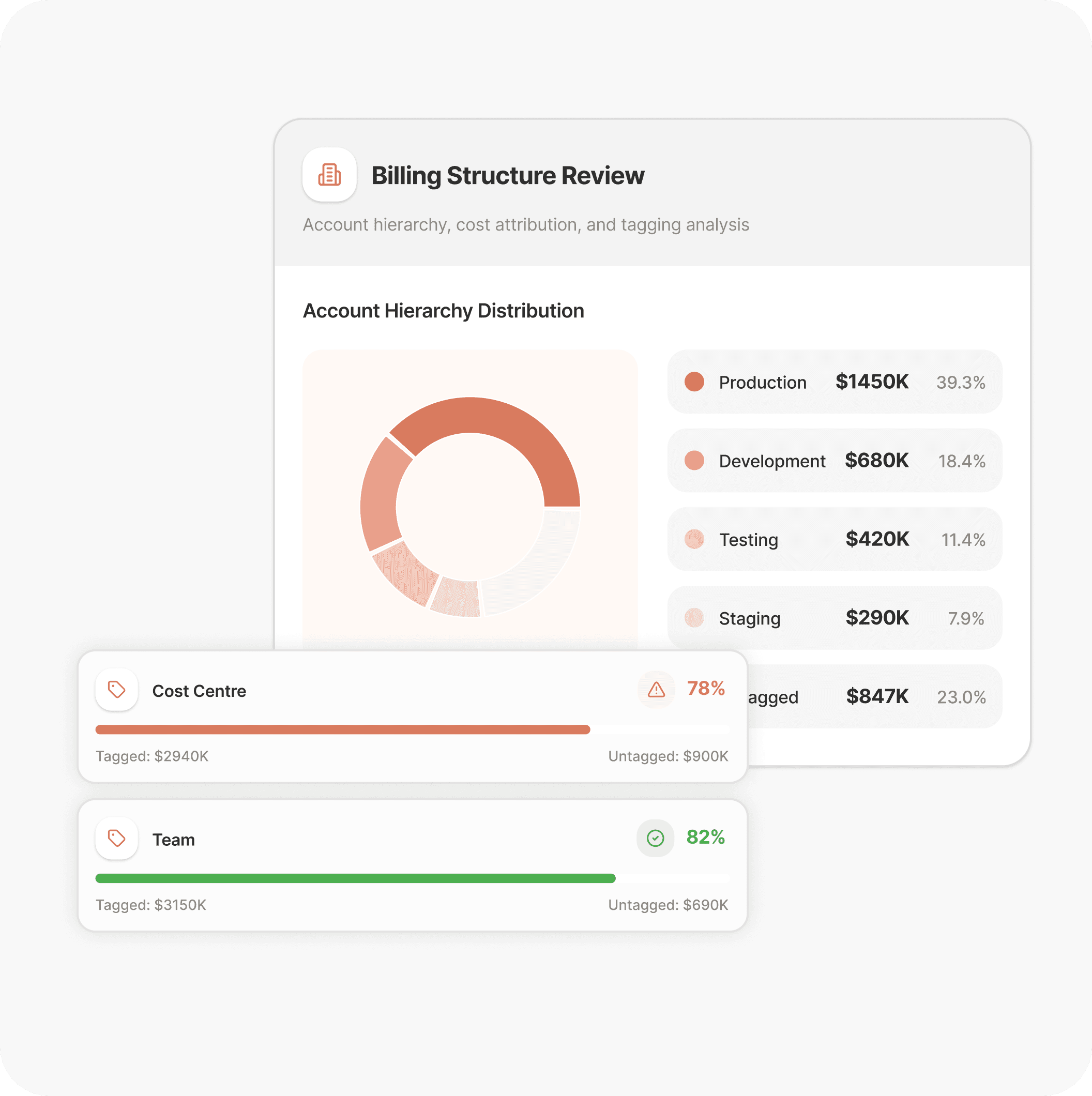
- Billing structure review: Account hierarchy, cost centre attribution, tagging consistency, and reporting gaps
- Unallocated expenditure identification: Spend that cannot be attributed to a team, product, or business unit
- Reserved capacity utilisation: Coverage rates, expiring commitments, and missed savings opportunities
- Third-party and marketplace spend: SaaS tools, data transfer charges, and hidden per-request fees
- Compute right-sizing: Instance families, vCPU-to-memory ratios, and utilisation-based downsizing candidates
- Storage tier optimisation: Object lifecycle policies, snapshot retention, and redundant volume identification
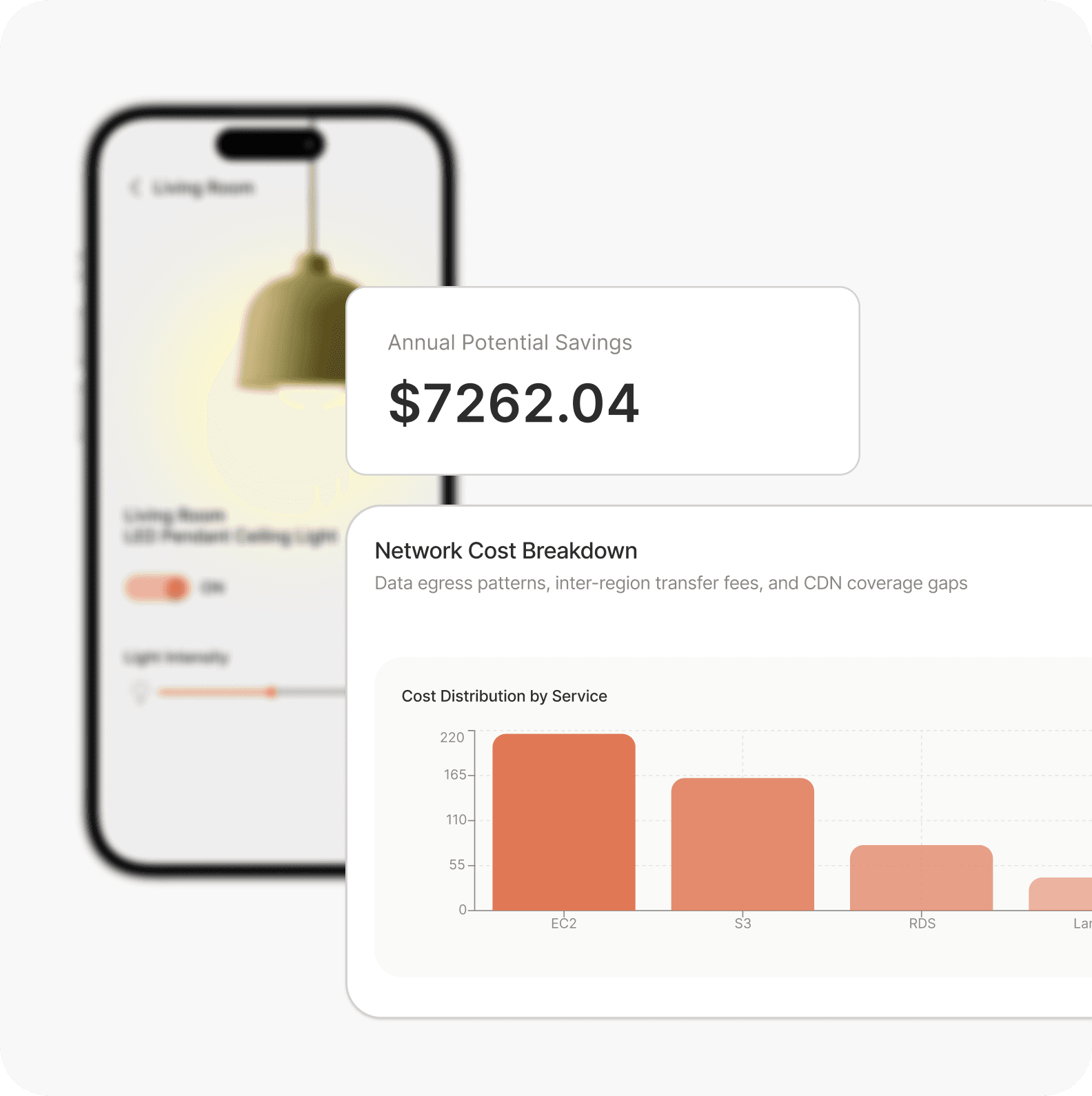
- Network cost breakdown: Data egress patterns, inter-region transfer fees, and CDN coverage gaps
- Idle and zombie resource sweep: Running assets generating cost with zero active consumption
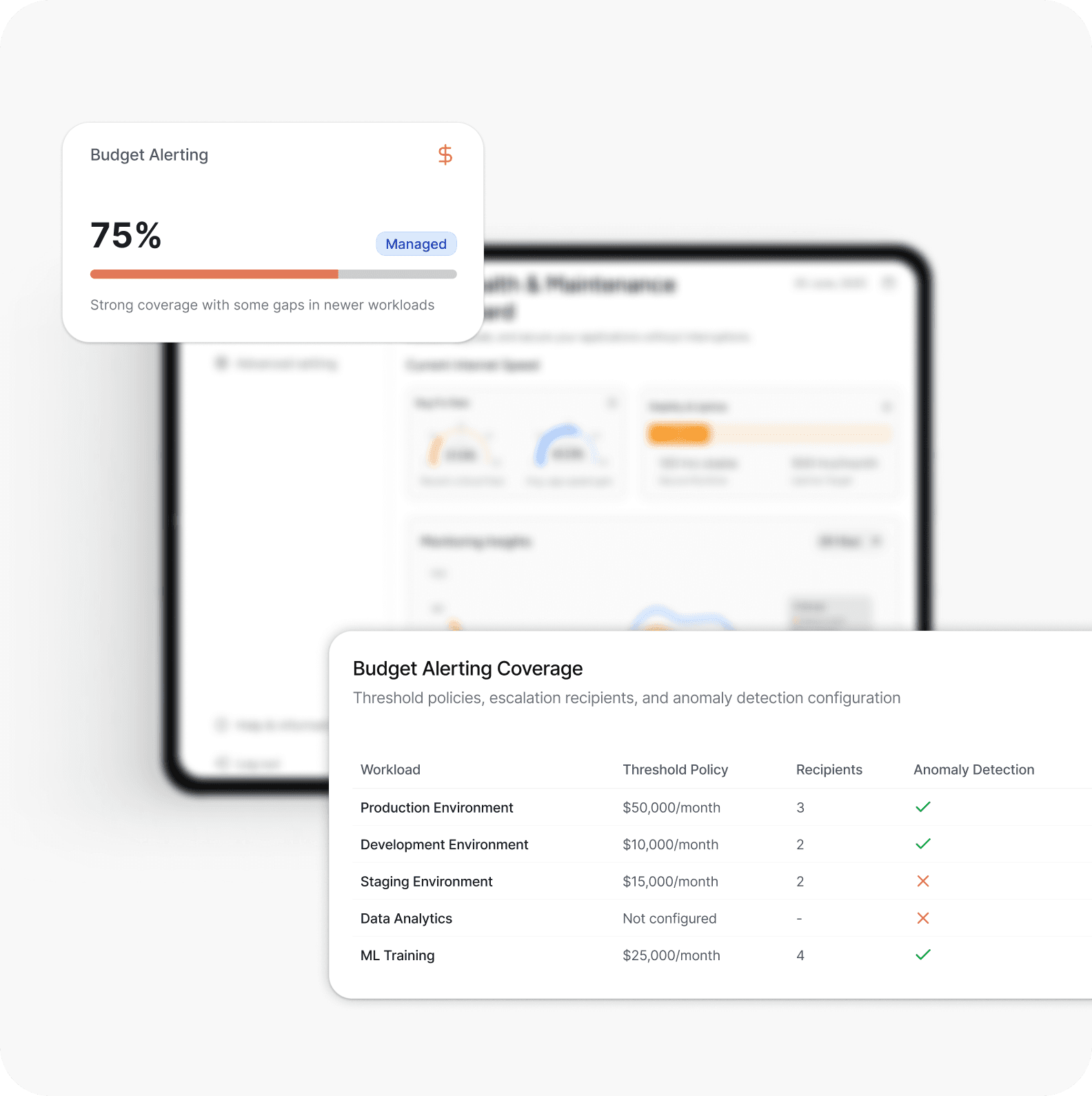
- Budget alerting coverage: Threshold policies, escalation recipients, and anomaly detection configuration
- Purchasing model strategy: On-demand versus reserved versus spot allocation across workload types
- FinOps process maturity: Team accountability structures, showback versus chargeback models, and review cadences
- Policy enforcement gaps: Automated guardrails preventing budget overruns before they register on invoices
Recurring Patterns We Uncover Across FinOps Engagements
4-8 hrs
Average delay before overspend is detected and acted upon
60-70%
Percentage of cloud accounts lacking meaningful budget alerting
1 in 3
Resources provisioned but never actively utilized in production
35%
Proportion of total cloud spend that can typically be reclaimed
Tangible Financial Outcomes We Deliver
Eliminate Budget Surprises Permanently
Accelerate Delivery Without Inflating Spend
Align Every Environment to Its True Financial Footprint
Recover Capital Tied Up in Wasteful Infrastructure
Industries Across Which We Deliver FinOps Impact


FinOps Assessments Backed by Teams Who Have Optimised Spending Across 1000+ Global Deployments
Our Offerings in DevOps Consulting and Services
Our Latest Thinking
AI Governance Framework for Enterprises: Policies, Roles, Controls, Metrics, and a 90-Day Roadmap
Learn how to build an enterprise AI governance framework covering policies, risk classification, roles, technical controls, metrics, compliance, and a practical 90-day implementation roadmap.
How Should a US Company Work with an Offshore Engineering Partner Across Time Zones
A practical guide to choosing, managing, and scaling an offshore engineering partner across time zones.
AI Reference Architectures for Fintech and Banking: 5 Production-Ready Patterns, Costs, and Risks
Explore five production-ready AI reference architectures for fintech and banking, covering AI controls, costs, failure modes, and deployment considerations.
AI Project Manager: How AI Can Track Tasks, Risks, Blockers, Dependencies, and Deadlines
A practical guide to AI project managers: what they track, how to implement one safely, and how to evaluate the options.
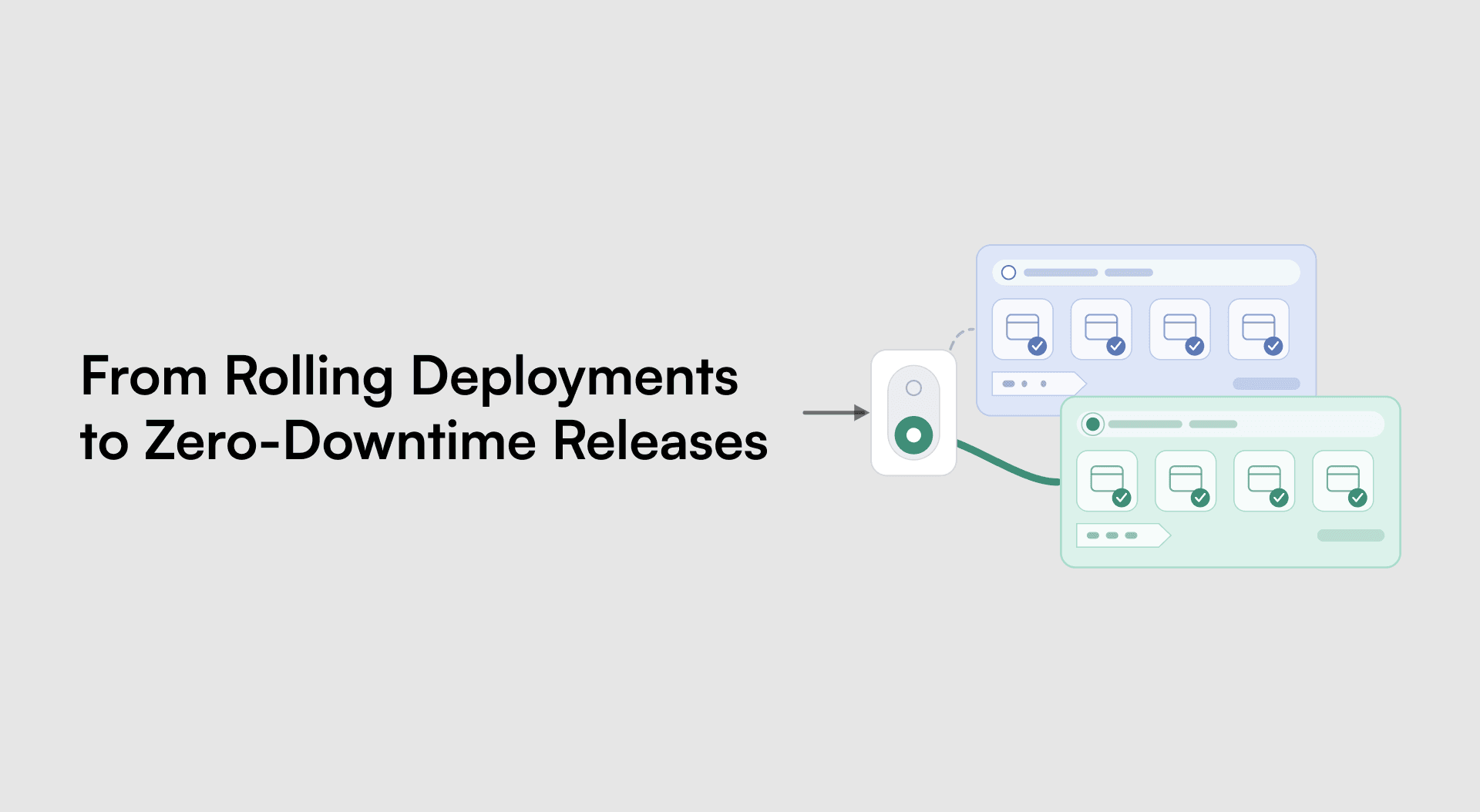
From Rolling Deployments to Zero-Downtime Releases
This blog explains how Blue-Green deployment helps reduce downtime in online banking releases through traffic switching, pod readiness, static-resource versioning, and rapid rollback.
After Funding: Should You Build an AI Team In-House or Engage a Dedicated Product Engineering Pod
After funding, should you build an in-house AI team or hire a dedicated product engineering pod? A practical guide to deciding by cost, speed, and production ownership.