Scalable Architecture Design & Development Services

GeekyAnts provides scalable architecture development services for products that need to support growing users, data volumes, integrations, and workloads. Our software architecture design services cover modular system design, microservices, stateless architecture, database scalability, caching, technology selection, and DevOps planning to evolve apps without repeated structural rework.

Highlights

Why Focus on Building a Scalable Architecture for Your Product

Scalable architecture helps apps handle higher traffic, larger data volumes, new features, and infrastructure changes. The capabilities below focus on performance, extensibility, security, development efficiency, resource use, and the cost of scaling over time.

Seamless Performance Across Scales

Building with scalability ensures your application maintains high performance and responsiveness, regardless of user load or data volume

Flexibility for Future Features

Scalable architecture allows for easy integration of new features and services, enabling your application to evolve with market demands.

Enhanced Security

Scalable solutions incorporate advanced security protocols that adapt as your application grows, safeguarding against evolving threats

Efficiency in Development

Starting with a scalable foundation reduces the need for significant changes later, streamlining development and deployment.

Cost-Effective Scaling

Investing in scalable architecture early on helps avoid high costs associated with overhauling systems to meet growing demands.

Improved Resource Management

Scalable software applications optimize resource usage dynamically, ensuring efficient operation under varying loads.

Highlights

Core Pillars of Our Scalable Architecture

Modular Design and Microservices

We adopt a modular design, segmenting applications into microservices. This approach enables independent scaling, updates, and maintenance.

Performance and Load Planning

We define architecture around expected traffic, response-time requirements, resource use, and application bottlenecks so individual services and infrastructure components can be scaled where demand increases.

Embracing Statelessness

By designing stateless applications, we ensure scalability and reliability, as each request is independent, allowing for easy scaling and load balancing.

Tech Stack Selection for Scalability

Choosing the right technology stack is crucial. We select technologies known for their scalability, such as Node.js for backend and React for frontend.

Efficient Data Management and Caching Strategies

We implement strategic caching and database optimization techniques to ensure quick data retrieval and minimal latency.

DevOps and CI/CD

Our DevOps practices and CI/CD pipelines are tailored for scalability, enabling rapid deployment and dynamic resource scaling.

Database Scalability

We design databases with scalability in mind, employing distributed databases and sharding techniques to handle vast amounts of data efficiently.

Technologies

Tech Stacks and Tools We Use

Our architecture teams select frontend, backend, database, QA, and AI technologies based on scalability, integration, performance, data, and deployment requirements. The stack can include React, Node.js, Golang, GraphQL, PostgreSQL, MongoDB, DynamoDB, Jenkins, and other technologies shown below.
  • GPT
  • LangChain
  • LlamaIndex
  • Prompt Engineering
  • Firebase Genkit

FAQ

Frequently Asked Questions

Insights

Our Latest Thinking

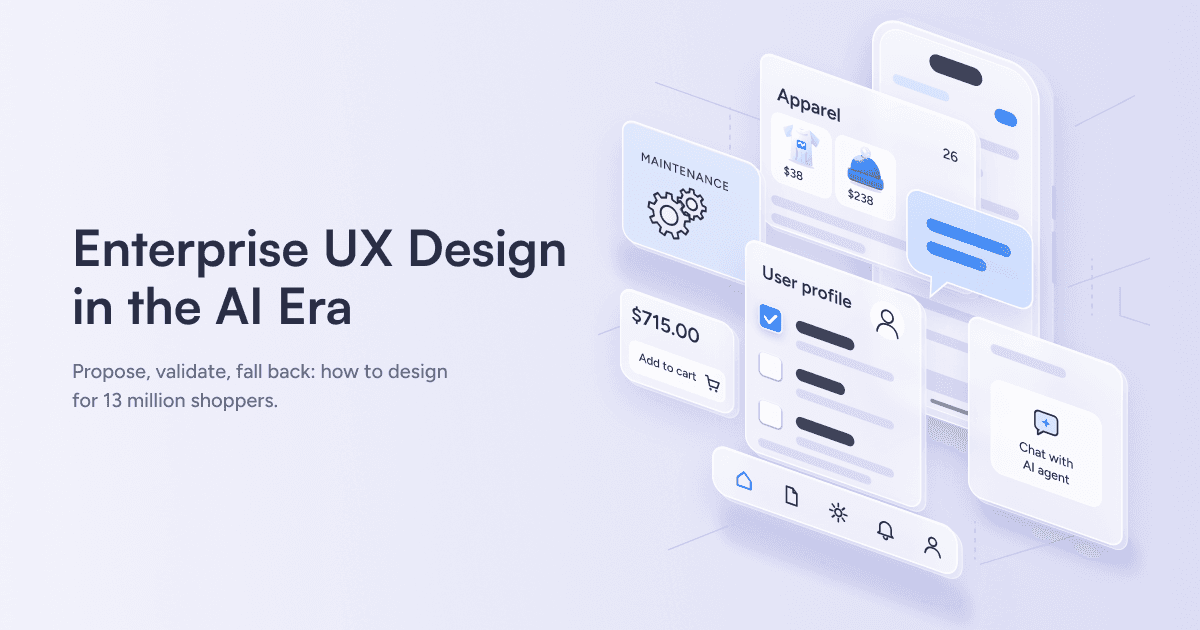
Enterprise UX Design in the AI Era: How to Design for Millions of Users
Nov 19, 2026

Insight

Enterprise UX Design in the AI Era: How to Design for Millions of Users

A product designer walks through the real decisions behind an e-commerce platform with 13 million shoppers and no design system: how edge cases, clashing shopper types, visual drift, and AI-generated variation each forced a choice, and why every choice became a written rule rather than a one-off fix. The post labels what shipped, what is still a proposal, and what was never measured, and shows where AI fits inside a design built on contracts.
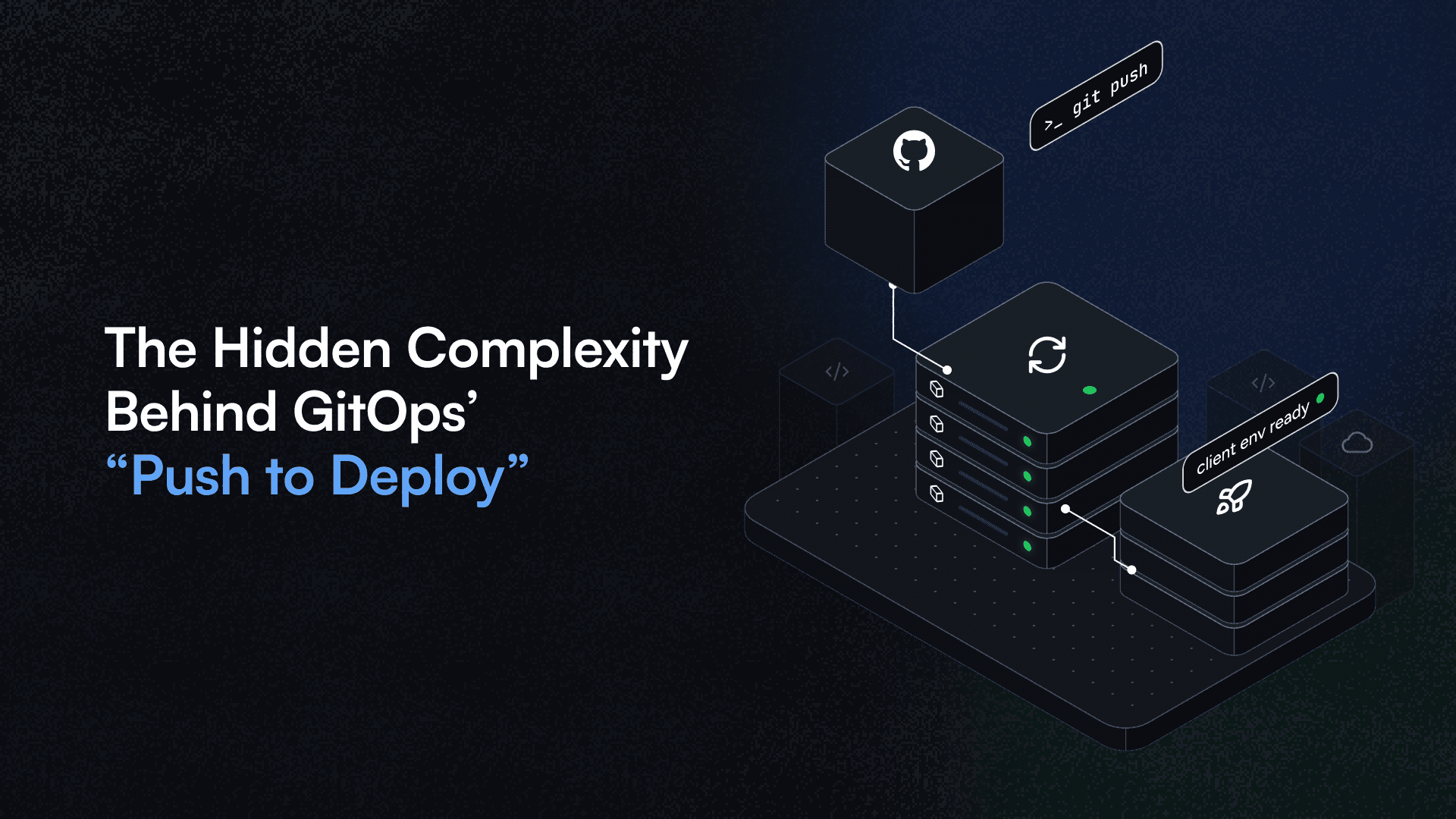
The Hidden Complexity Behind GitOps’ “Push to Deploy”
Nov 6, 2026

Insight

The Hidden Complexity Behind GitOps’ “Push to Deploy”

A GitOps platform that provisioned isolated customer environments straight from Git, and the four problems that surfaced once it was running: dependencies that weren’t ready when resources existed, configuration changes that broke existing tenants, successful deploys that hid broken integrations, and resource limits that blocked work the cluster could handle. The piece documents each fix, the ~110-second provisioning run, and is careful about which numbers are measured observations and which are calculations.

Start a project

The Right Conversation Can Save You Six Months.