Dentify
See how Dentify reduced onboarding time by 40% using AI transcription, RAG-powered treatment plans, and a modernized clinical workflow.
Project typeAI-driven platform modernization and clinical workflow automation
IndustryHealthcareTech stack




About the Client
Dentify focuses on streamlining, modernizing, and scaling dental practice management. Their overall goal in the industry is to reduce operational overhead and increase clinical efficiency by providing doctors with advanced tools for patient management, treatment planning, and AI-driven clinical intelligence.
About the project
Overview
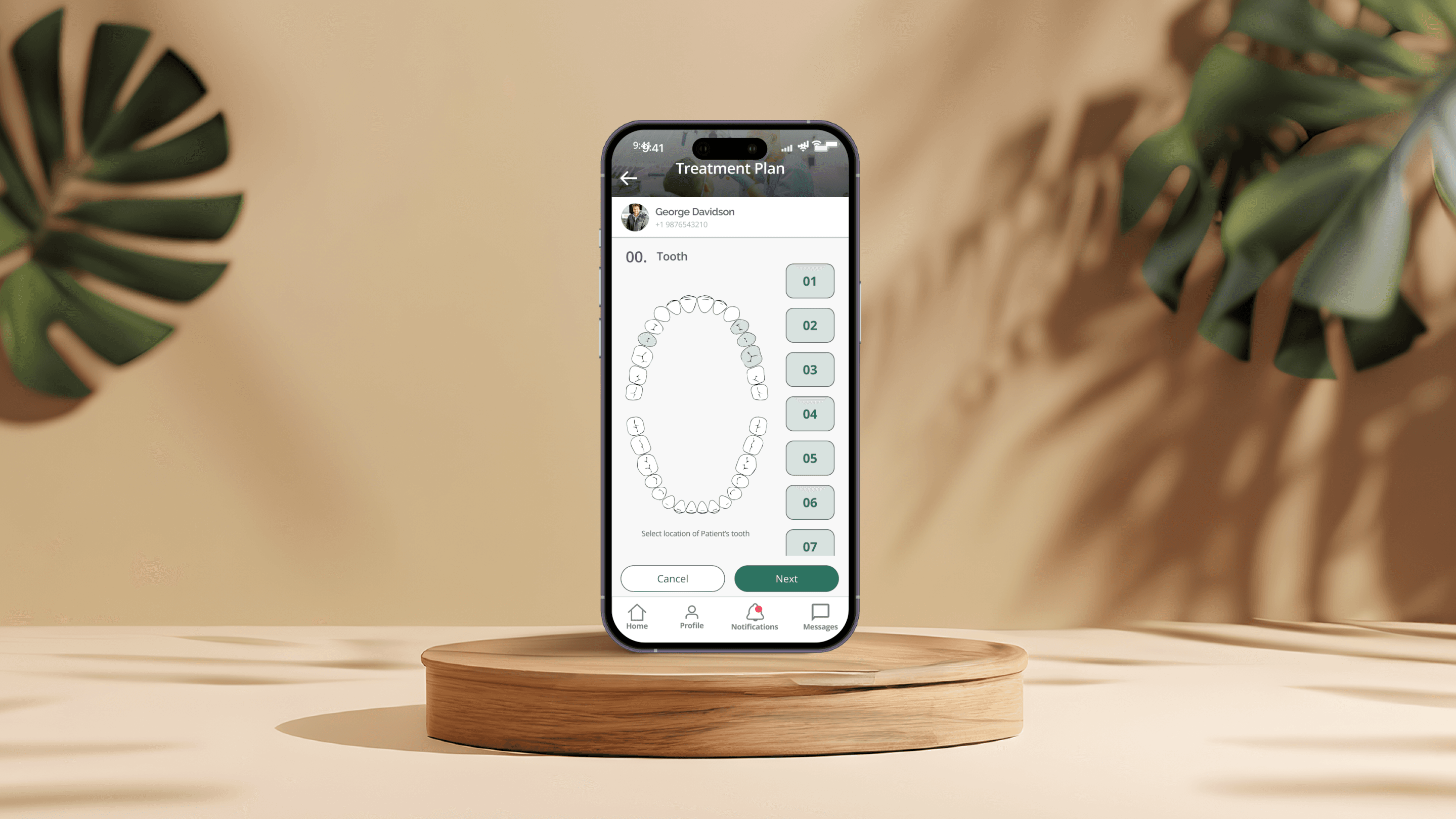
The project addressed high friction in doctor onboarding and manual, repetitive clinical workflows. By integrating AI-powered transcription and a Retrieval-Augmented Generation (RAG) system, we delivered a solution that automates treatment plans and clinical notes. This resulted in a significant reduction in documentation time and improved patient engagement through modernized digital experiences.
35%
Improvement in the doctor's efficiency for treatment planning40%
Reduction in onboarding completion time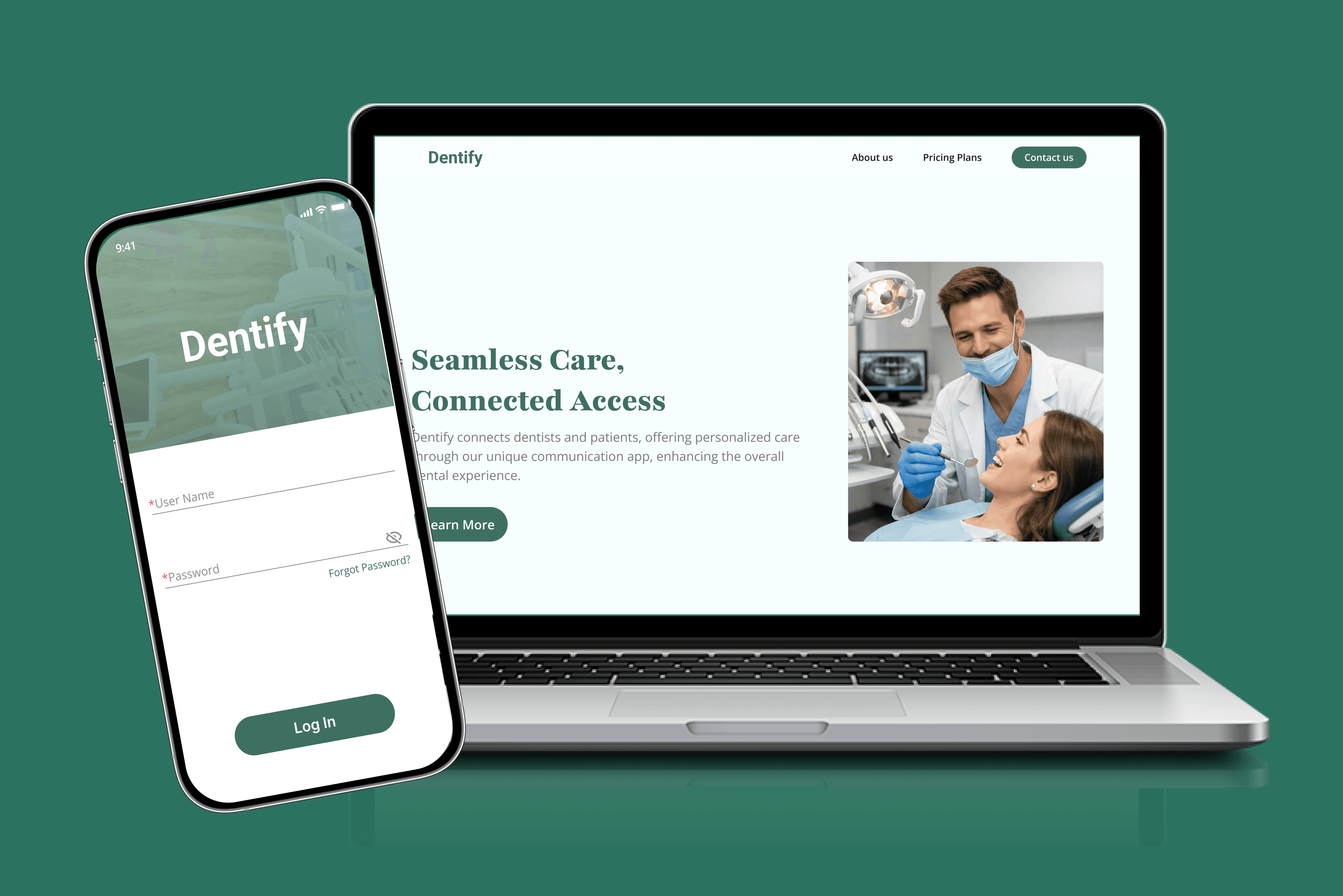
BUSINESS REQUIREMENT
The client sought to streamline and modernize the Dentify platform by reducing friction in onboarding, improving clinical workflows, and introducing AI-assisted capabilities to enhance both patient and doctor experiences.
Key Requirements
1. The business goals included:
2. Simplifying sign-up and onboarding for doctors to increase adoption.
3. Introducing AI-driven tools for transcription, doctor notes, and treatment plan generation.
4. Revamping patient menus, treatment plans, and photo management for better clinical efficiency.
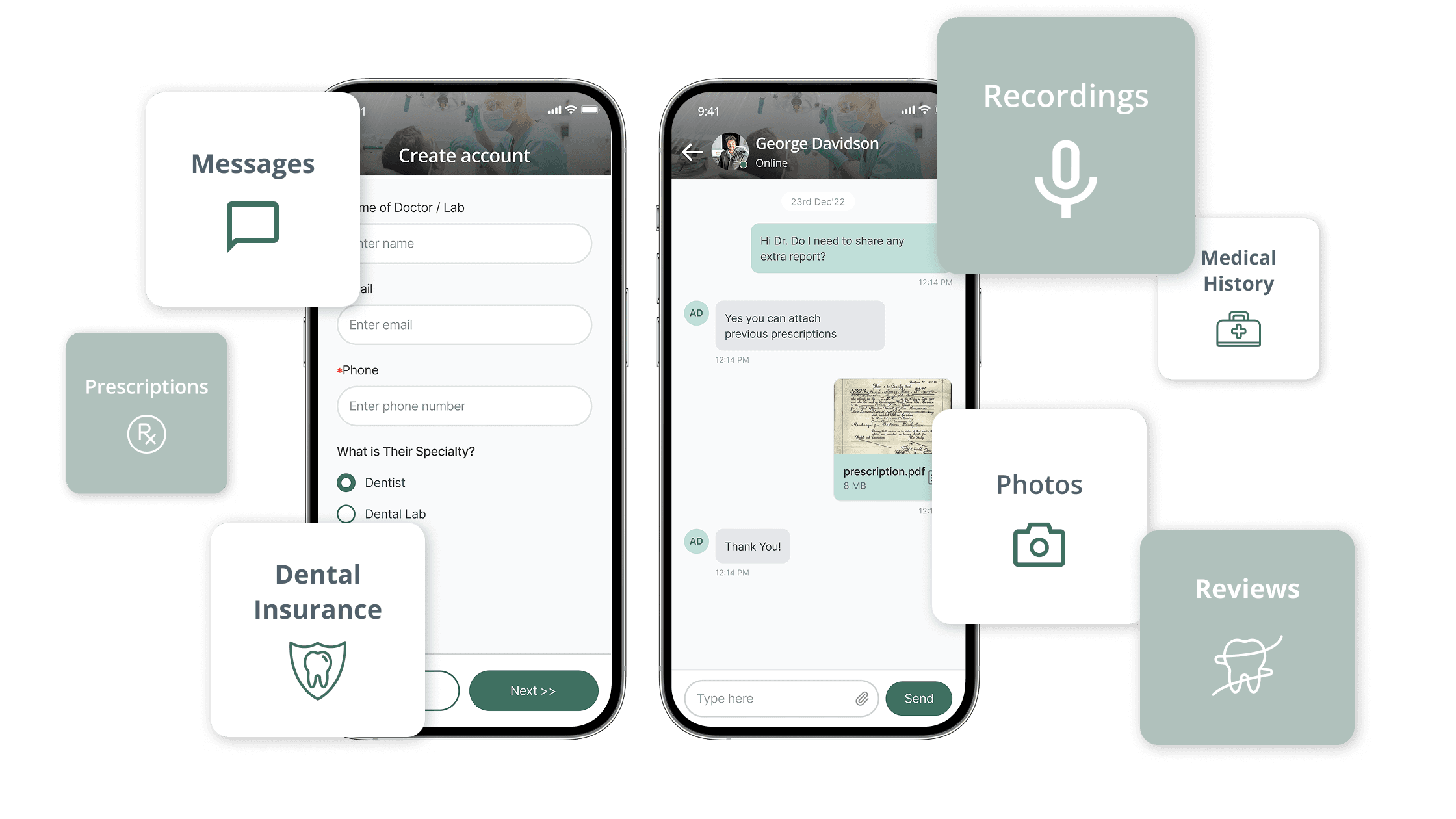
5. Enabling secure, web-based patient access to treatment plans and strengthening communication through SMS and email campaigns.
CHALLENGES IN EXECUTION & SOLUTIONS
The application underwent a significant revamp, making certain workflows time-consuming to interpret initially. Through continuous collaboration and regular discussions, we helped clarify flows and resolve ambiguities effectively.
When occasional misalignment occurred between client-provided mockups and functional requirements, each scenario was carefully evaluated. We made UI adjustments to balance usability, functional correctness, and design intent—resulting in an improved overall user experience.
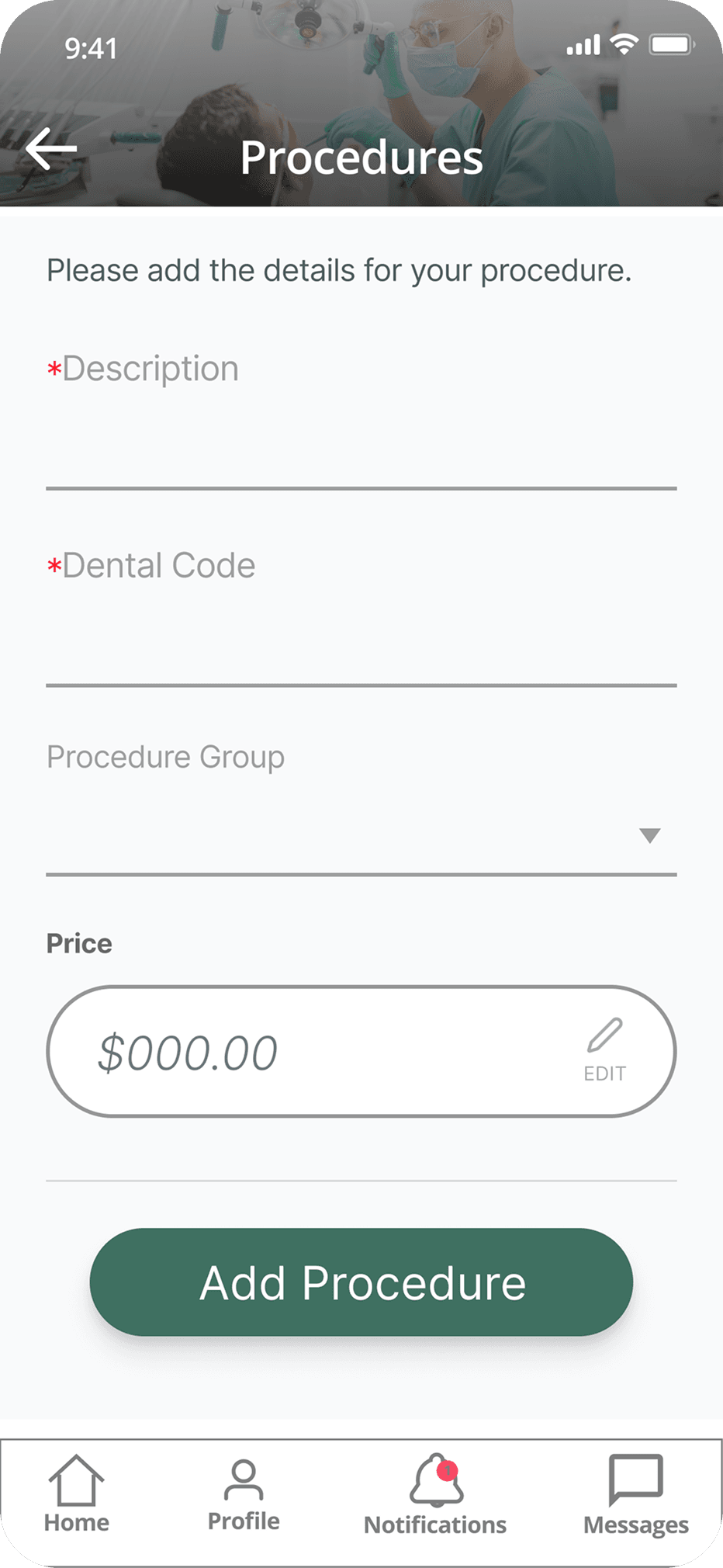
To address doctors facing repetitive and manual workflows for procedures and pricing, we integrated an AI-driven follow-up questioning mechanism and automated procedure mapping to reduce clinician fatigue and manual input.
Complex Legacy Workflows
Design and Functional Misalignment
Manual Treatment Planning
OUR SOLUTION
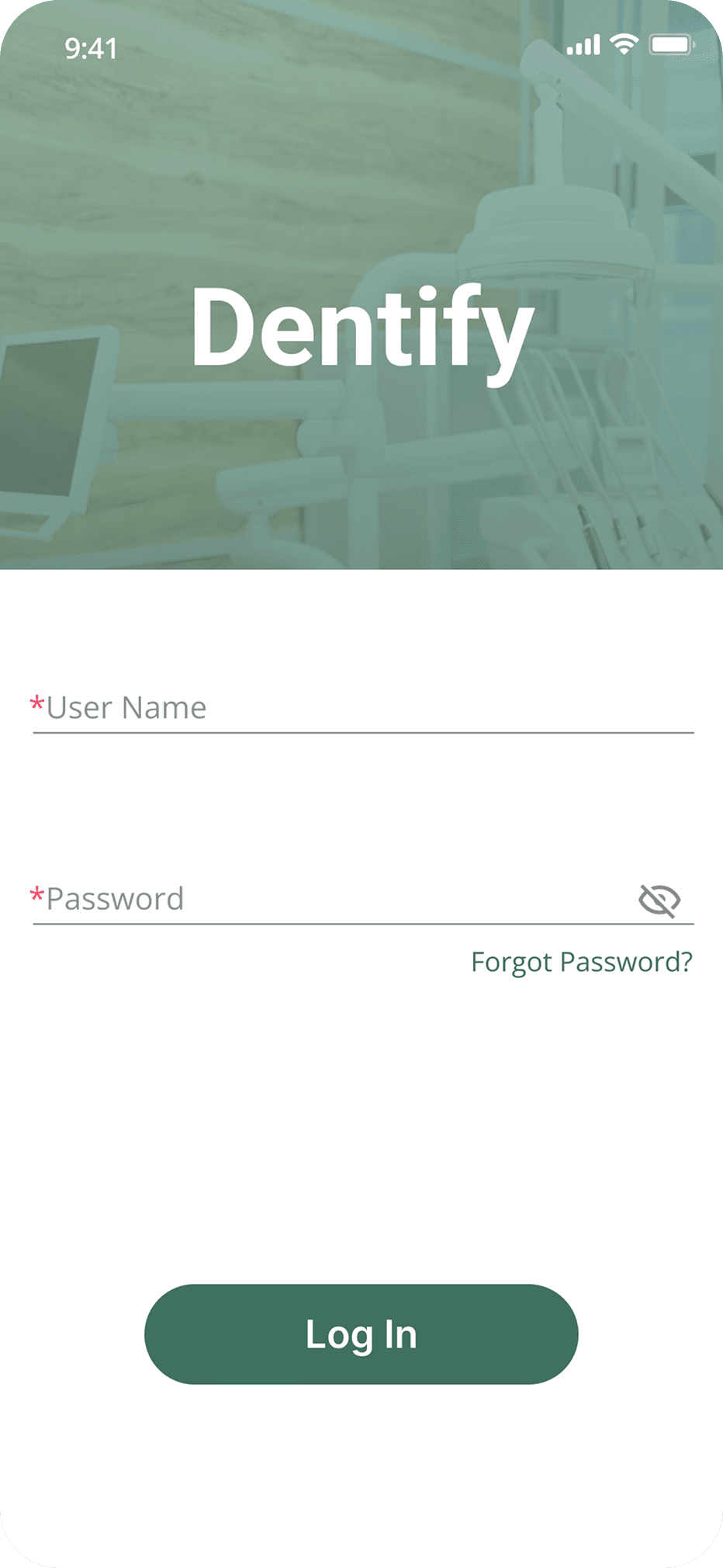
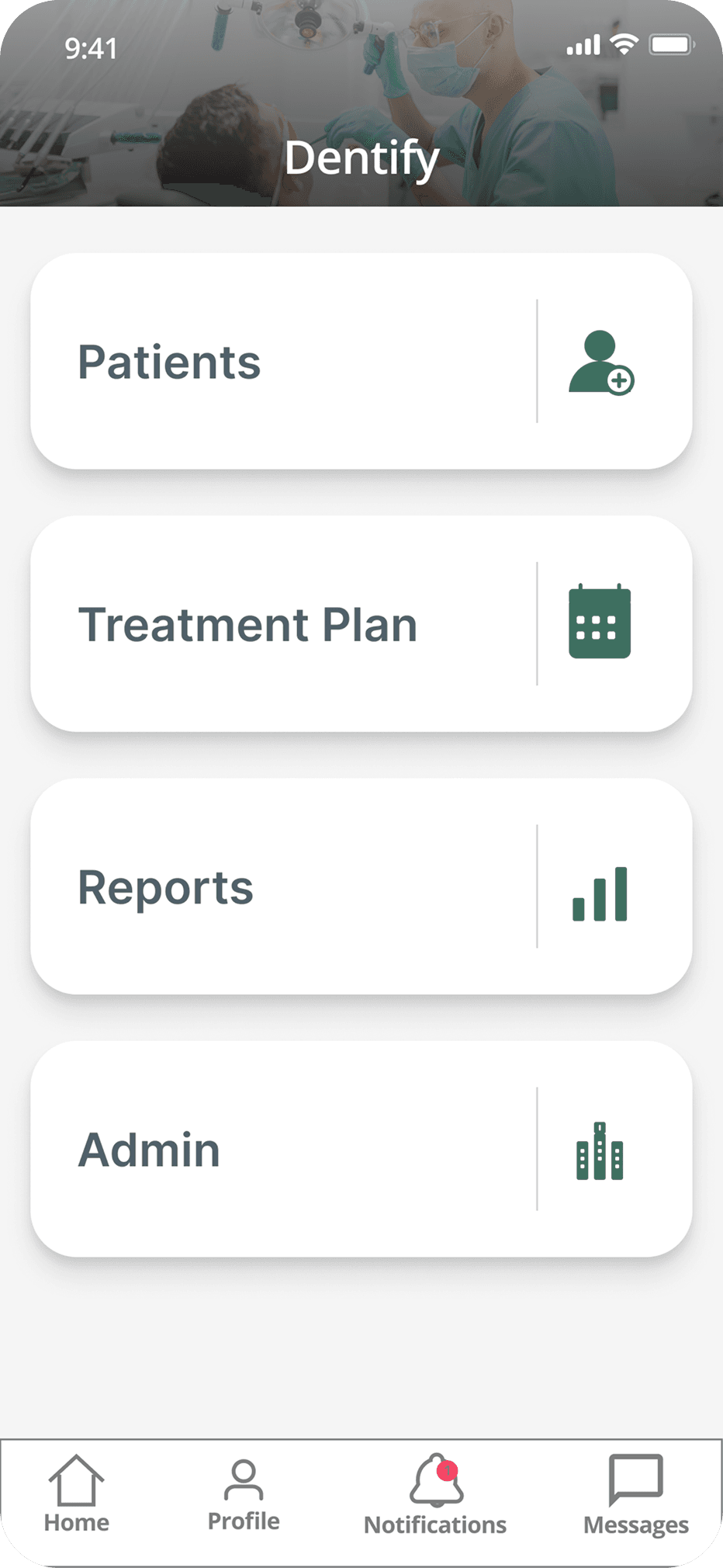
To deliver a more cohesive platform, we implemented an end-to-end RAG system that utilizes Speechmatics and GPT-4o-mini to transform raw voice notes into structured, high-accuracy treatment plans and clinical notes. This intelligence was supported by a comprehensive UX modernization, where we redesigned the onboarding process, patient management modules, and sharing workflows to eliminate redundancy and improve overall usability.
Underpinning these enhancements was a significant platform optimization, which involved cleaning up legacy features and third-party dependencies while migrating to a centralized Strapi CMS for more efficient and scalable data management.
OUR APPROACH
What was the approach we followed to ensure we delivered the solution we proposed? There needs to be a clear definition of milestones and timelines. These areas should show our technical expertise.
1. Discovery & Alignment
2. UX & Workflow Simplification
3. Automation & Intelligence
4. Feature Revamp & Enhancements
5. Platform Cleanup & Optimization
- We focused on validating assumptions where designs or flows were missing and finalized the AI interaction models (such as chatbot-style conversations). We also confirmed the infrastructure and deployment implications for patient-facing portals.
RESULTS
We delivered a modernized, scalable platform that significantly reduces operational overhead. The final delivery empowered Dentify with an intelligent clinical suite, leading to higher adoption of digital tools and clearer communication between doctors and patients.
The Right Conversation Can Save You Six Months
Contact us
More from our engineering work
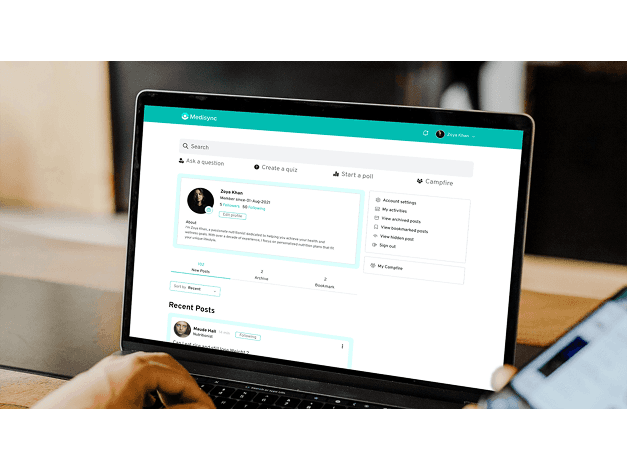
HEALTHCARE COMMUNITY PLATFORM
We built an innovative healthcare platform that addresses issues like information overload, lack of engagement, and the need for user empowerment. The solution organizes health information in an easily accessible format while fostering collaboration through interactive features such as forums, community groups, and personalized engagement tools.
Real-Time Monitoring Solution for Secure Storage Management | Case Study
The client aimed to develop a user-friendly app that allows facility managers and users to easily monitor the status of their storage units, ensuring safety and security. Key features such as motion detection alerts, scheduled image captures, and environmental monitoring were incorporated to provide a seamless experience for users managing their facilities.