
Game App Development Services











Redefining the Soccer Experience
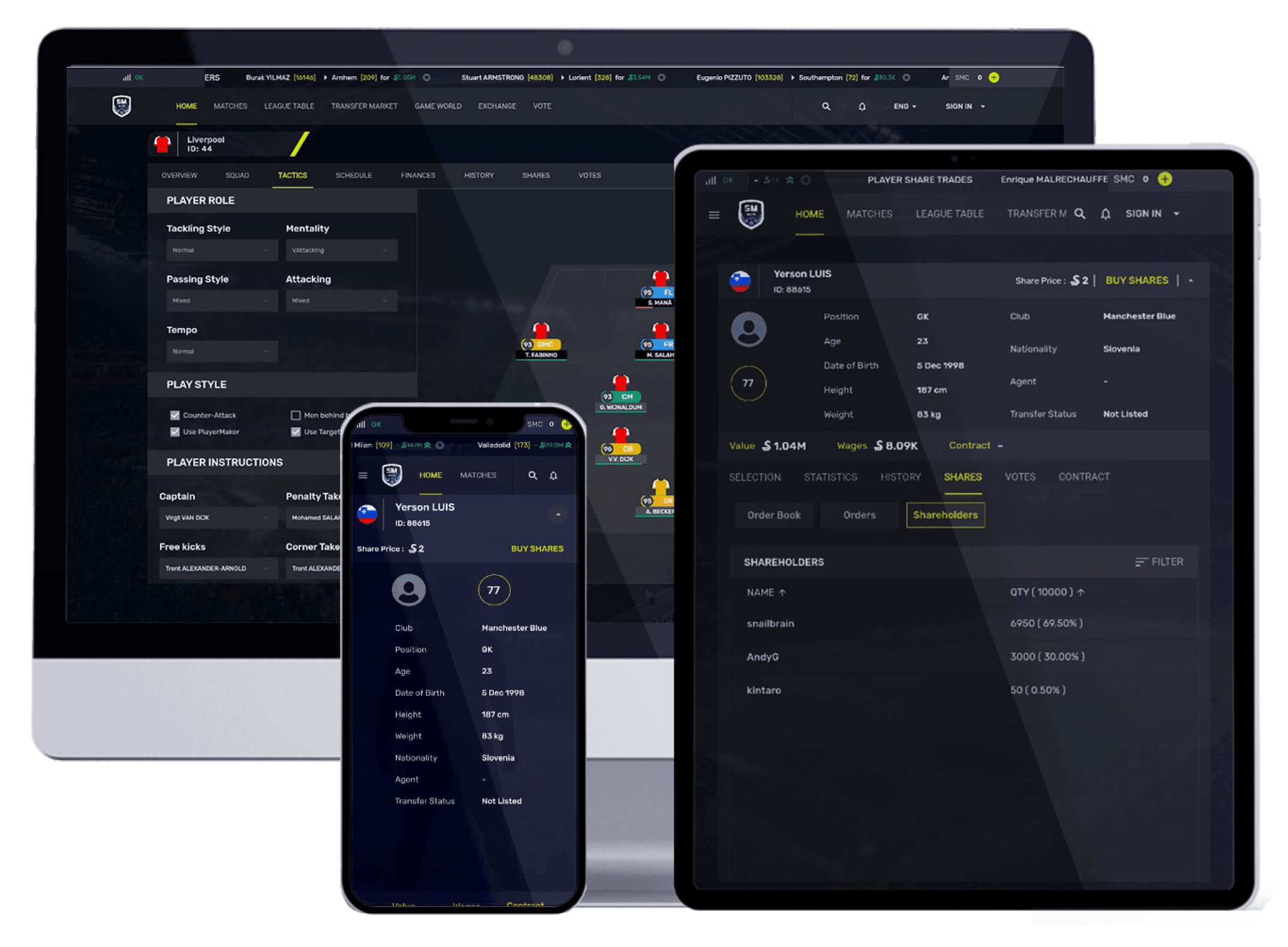
We broke the status quo of static, pre-scripted football management models, and created an app that operates in real-time mirroring real-world soccer matches.
1,000+
Live Managers
2,900+
Community Members
We Help You Scale Gaming Operations Efficiently and Profitably with our App Development Services
Gaming CRM and Player Engagement Systems
Game Infrastructure and Live Operations Management
AI-Powered Game Analytics and Player Insights
AR/VR Game Development Across Platforms
Advanced Gamification Tools and Player Engagement
Digital Economy and Asset Management for Games
AI-Powered Solutions to Revolutionize Mobile Game App Development and Player Engagement

Major Modules We Build for Gaming Industry Enterprises
Secure User Authentication & Account Management
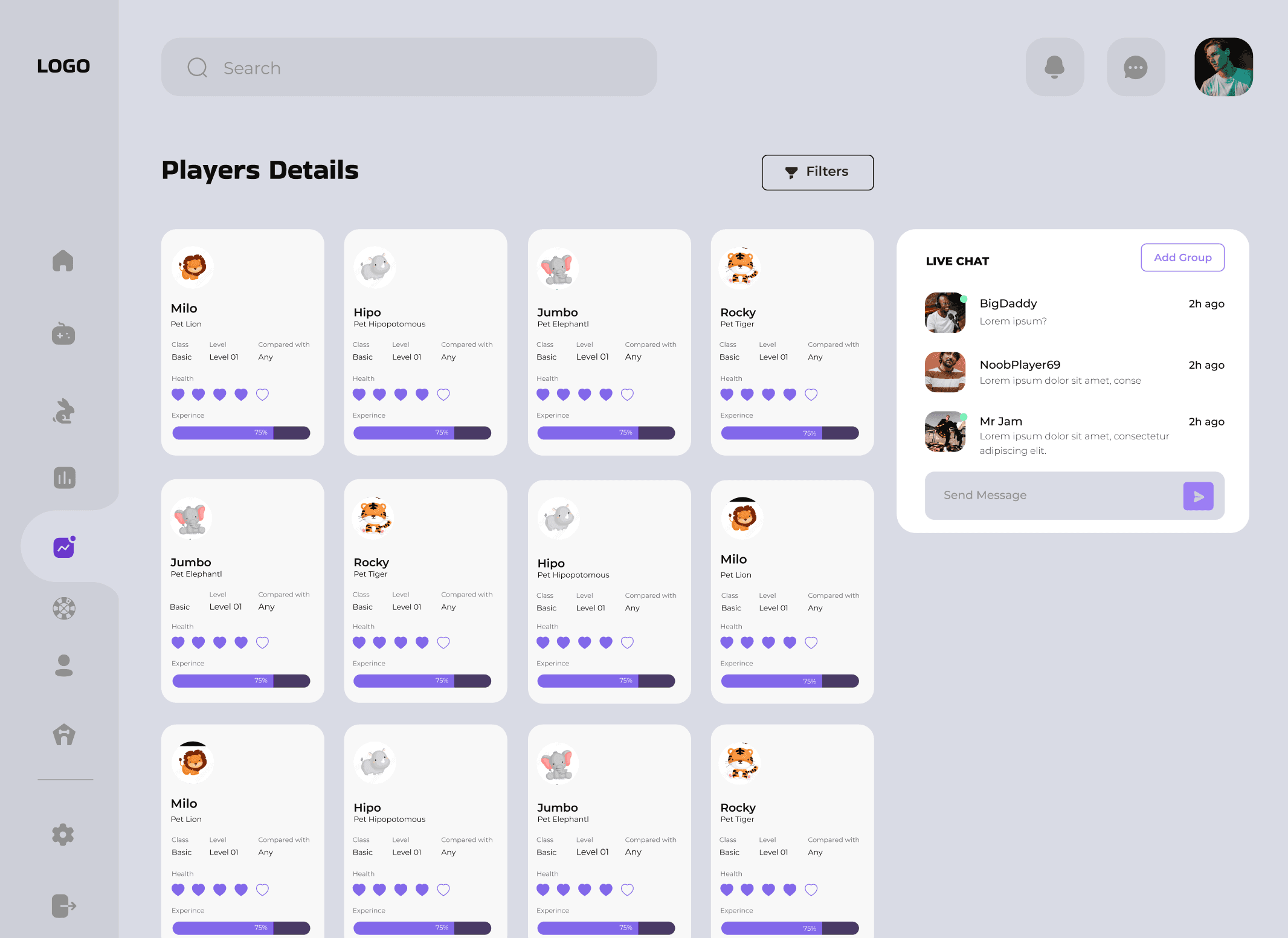
Game Library & Content Management
Multiplayer Matchmaking & Server Hosting
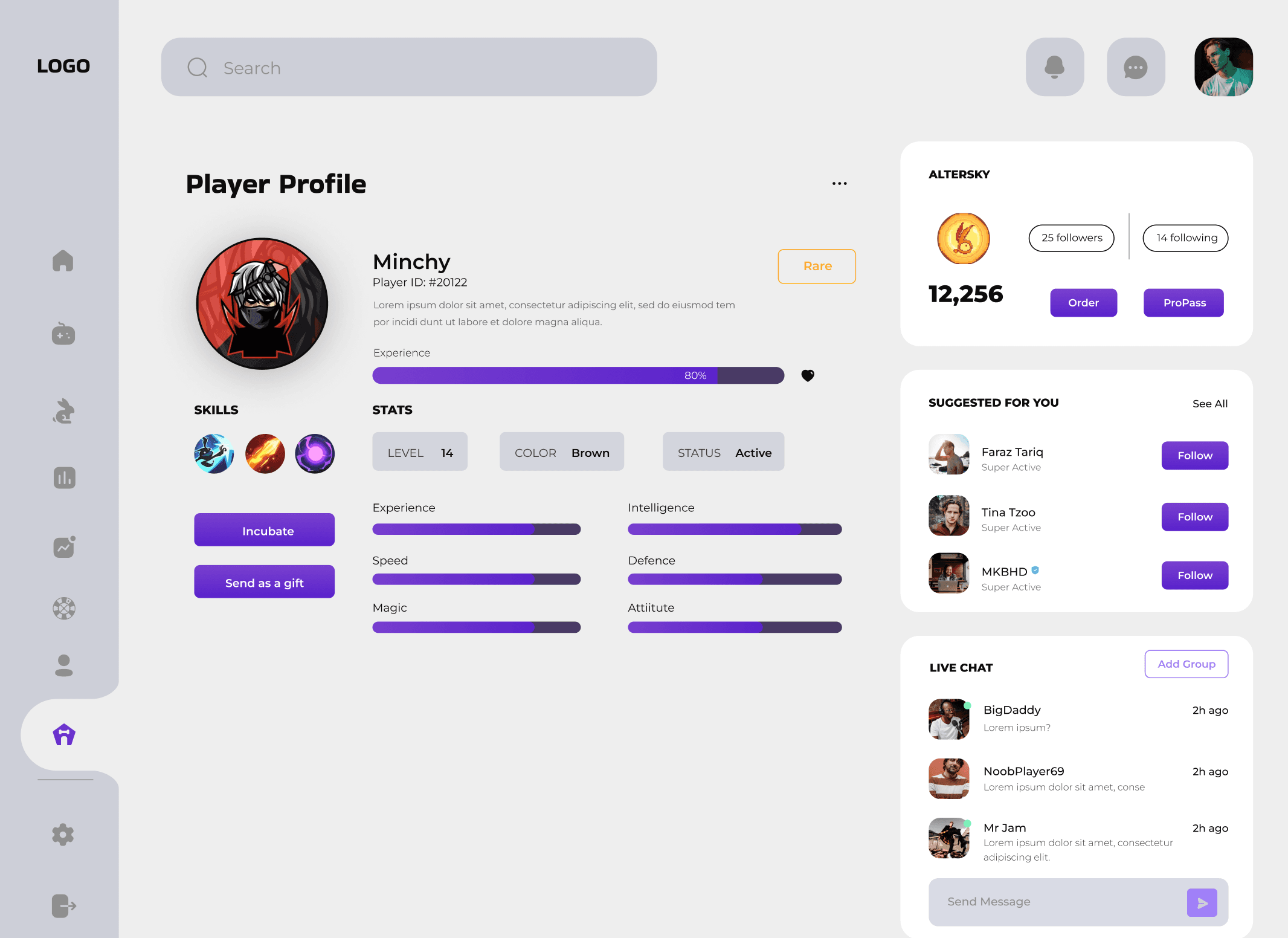
Leaderboards, Achievements & Player Stats
Community & Social Features
Why Hire GeekyAnts As Your Gaming App Development Company
Gaming Technology & Innovation Experts
Advanced AI & Game Intelligence R&D
Enterprise-Grade Game Development
Automation for Gaming Operations
High-Performance Code & Game Development Standards
Global Gaming Expertise & Market Adaptation
Soccer Experience Redefined: 1,000+ Active Users Driven by Community and Innovation
1,000+
Live Managers
2,900+
Community Members
We Specialize in AI Models, Experience Design, and End-to-End Development Frameworks





Book A Free Discovery Call
Contact us
Learn More About Game App Development Services
- Ideation and brainstorming
- Market research and competitor analysis
- Game mechanics and level design
- UI/UX wireframes and prototyping
Phase 2: Game Development (Cost: $20,000 - $150,000)
- Frontend Development: Implementing UI, gameplay mechanics, and animations
- Backend Development: Setting up databases, multiplayer servers, and APIs
- Game Engine Integration: Unity, Unreal Engine, or custom solutions
Phase 3: Graphics & Animation (Cost: $10,000 - $100,000)
- 2D/3D character modeling
- Game environment design
- Special effects, motion design, and rendering
Phase 4: Sound & Music (Cost: $3,000 - $20,000)
- Custom sound effects
- Background music and voiceovers
Phase 5: Quality Assurance & Testing (Cost: $5,000 - $30,000)
- Bug fixing and debugging
- Performance optimization
- Multi-device and OS compatibility testing
Phase 6: Game Deployment & Launch (Cost: $5,000 - $15,000)
- App Store submission (Google Play, Apple App Store)
- App Store Optimization (ASO)
Phase 7: Post-Launch Maintenance & Updates (Cost: $2,000 - $10,000 per month)
- Bug fixes and performance improvements
- New feature rollouts
- Ongoing support for users
By outsourcing, businesses save 40-60 percent on development costs, avoid long hiring processes, and get access to industry experts who have worked on multiple gaming projects. This allows companies to focus on marketing and scaling their game instead of worrying about development logistics.
Estimated Development Costs:
- Casual Mobile Game: $100K – $300K
- Mid-Tier Multiplayer Game: $300K – $1M
- Game Complexity & Genre – Casual games vs. multiplayer RPGs vs. real-time esports platforms.
- Technology Stack & Infrastructure – Unity, Unreal Engine, blockchain integration, cloud scalability.
- AI & Automation Features – AI-driven NPC behavior, matchmaking, and procedural content generation.
- Live Operations & Support – Post-launch content updates, analytics, and monetization optimizations.
- Cross-Platform Support – Mobile, PC, consoles, or cloud gaming integrations.
- Monetization & Revenue Models – From in-game purchases, season passes, and ad integrations to blockchain-backed assets (NFTs, play-to-earn models).
- Scalability & Growth Strategy – AI-powered insights help predict player behavior and optimize retention tactics.
- Community-Driven Ecosystem – Seamless user engagement through leaderboards, social integrations, and live events.
- Operational Efficiency – Automated AI-driven workflows reduce costs in customer support, game balancing, and server maintenance.
- Phase 1: Ideation & Business Strategy – Aligning the game’s vision with market demand, user acquisition strategies, and revenue forecasts.
- Phase 2: Technology Stack Selection – Choosing the right game engine, backend architecture, AI frameworks, and cloud infrastructure.
- Phase 3: Prototyping & Proof of Concept – Developing a functional prototype to test mechanics, UX, and server performance.
- Phase 4: Full-Scale Development & Integration – Building, optimizing, and integrating AI-driven mechanics, multiplayer servers, and payment gateways.
- Phase 5: Post-Launch LiveOps & Growth – Content updates, performance tuning, and real-time analytics for player retention.
Estimated Development Timeline:
- Adaptive AI Mechanics – AI-driven enemy behaviors, NPC interactions, and real-time strategy adjustments.
- Automated Matchmaking & Balancing – Smart lobbies and personalized difficulty settings.
- Fraud Detection & Security – AI-powered anti-cheat systems and transaction security in blockchain gaming.
- Player Retention & Engagement – AI-powered personalization, dynamic game recommendations, and churn prediction.
- Cloud Gaming & Streaming – Delivering high-fidelity experiences across devices without hardware limitations.
- Blockchain & Play-to-Earn Models – Decentralized economies where players truly own digital assets.
- Metaverse Gaming – Expanding traditional gaming into persistent, immersive virtual worlds.
- VR/AR & Immersive Experiences – Integrating real-world physics and environments into gameplay.
- Cloud-Native Infrastructure – Enabling seamless updates, multi-region deployment, and high-performance gameplay.
- Modular Development Approach – Ensuring flexibility to integrate future technologies like VR/AR.
- AI-Driven Game Personalization – Dynamic difficulty adjustments, intelligent NPC behavior, and personalized content.
- LiveOps & Community Management – Continuous engagement through events, updates, and real-time content modifications.
- Freemium & In-App Purchases – Offering free gameplay with premium content unlocks.
- Subscription-Based Models – Monthly passes for exclusive content, battle passes, or access to premium features.
- Ad Monetization – Rewarded ads, sponsorships, and in-game placements for non-intrusive monetization.
Game App Development
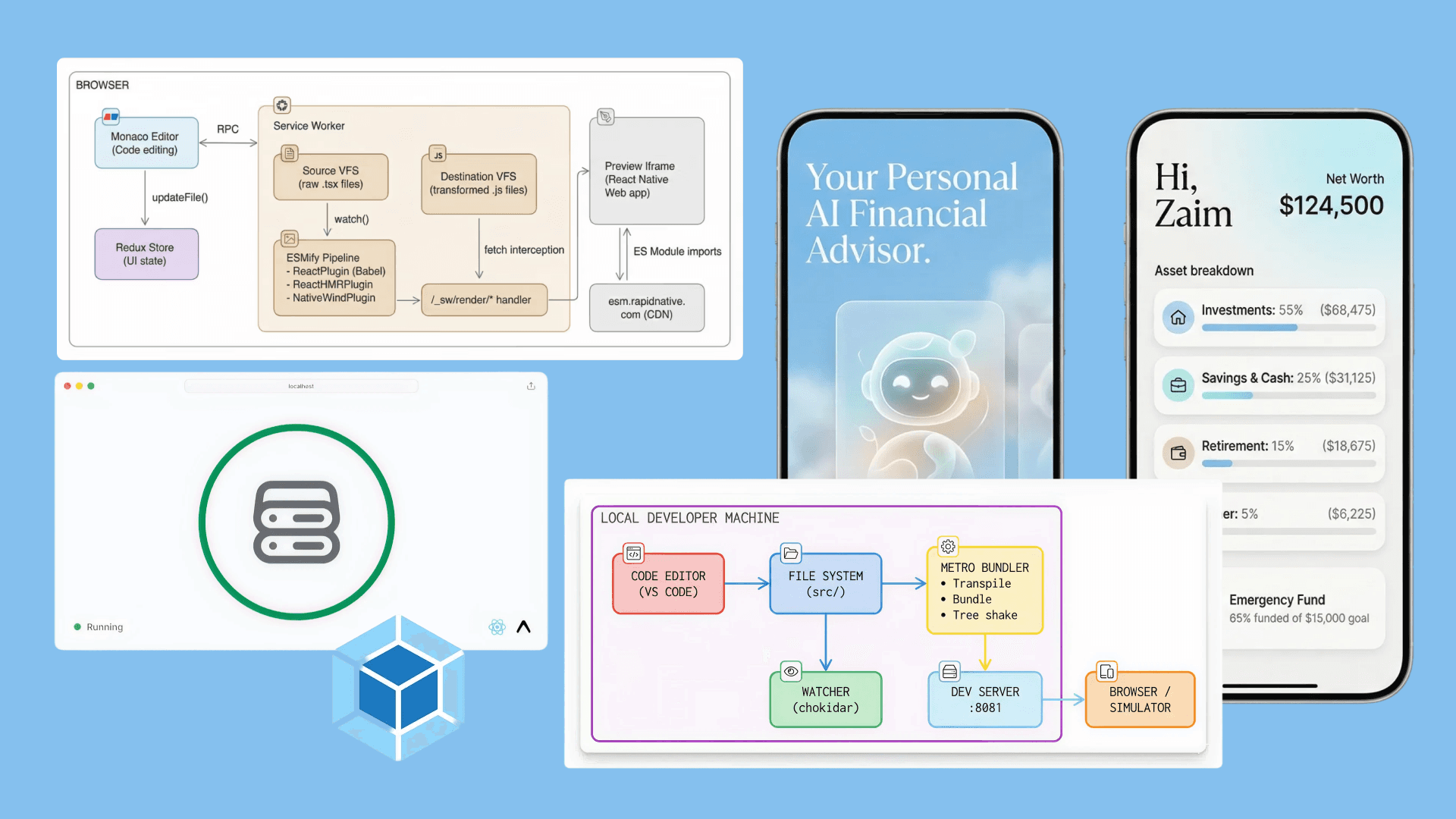
The Next Wave of Mobile Apps is The Instant Prototype
Is the local IDE dead? Sanket Sahu discusses the rise of 'vibe-coding' and how browser-native tools like RapidNative are reshaping the future of mobile app development.
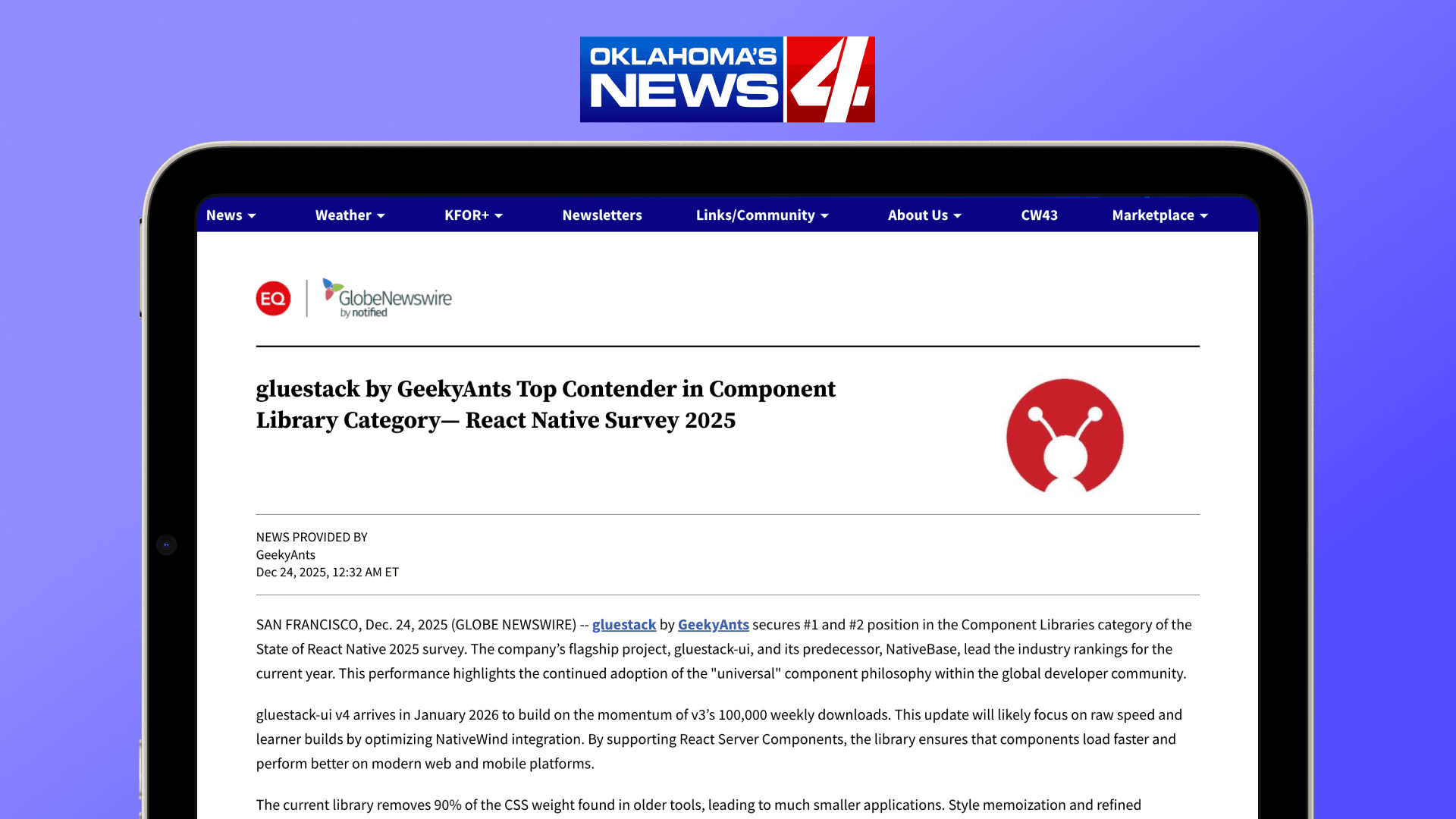
Why Developers are Moving to gluestack UI, via GlobeNewswire
Why are developers moving to gluestack UI? GlobeNewswire spotlights our 40% speed boost and the upcoming React Server Components launch.
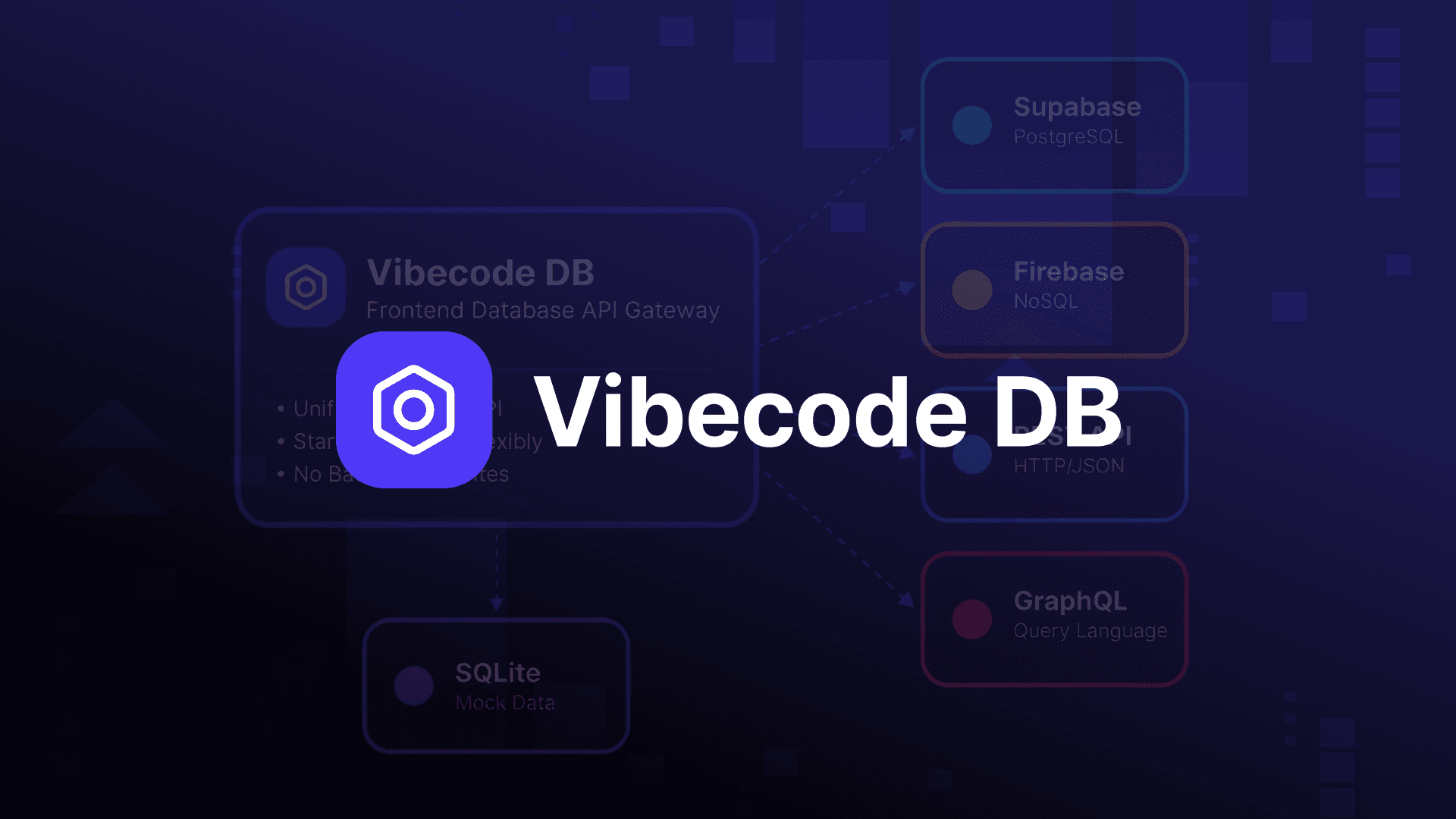
Vibecode DB: The Type-Safe Database Abstraction Layer for Modern Web Apps
Decouple your frontend from your backend. Use Vibecode DB to write type-safe queries once and run them on Supabase, SQLite, or custom REST APIs seamlessly
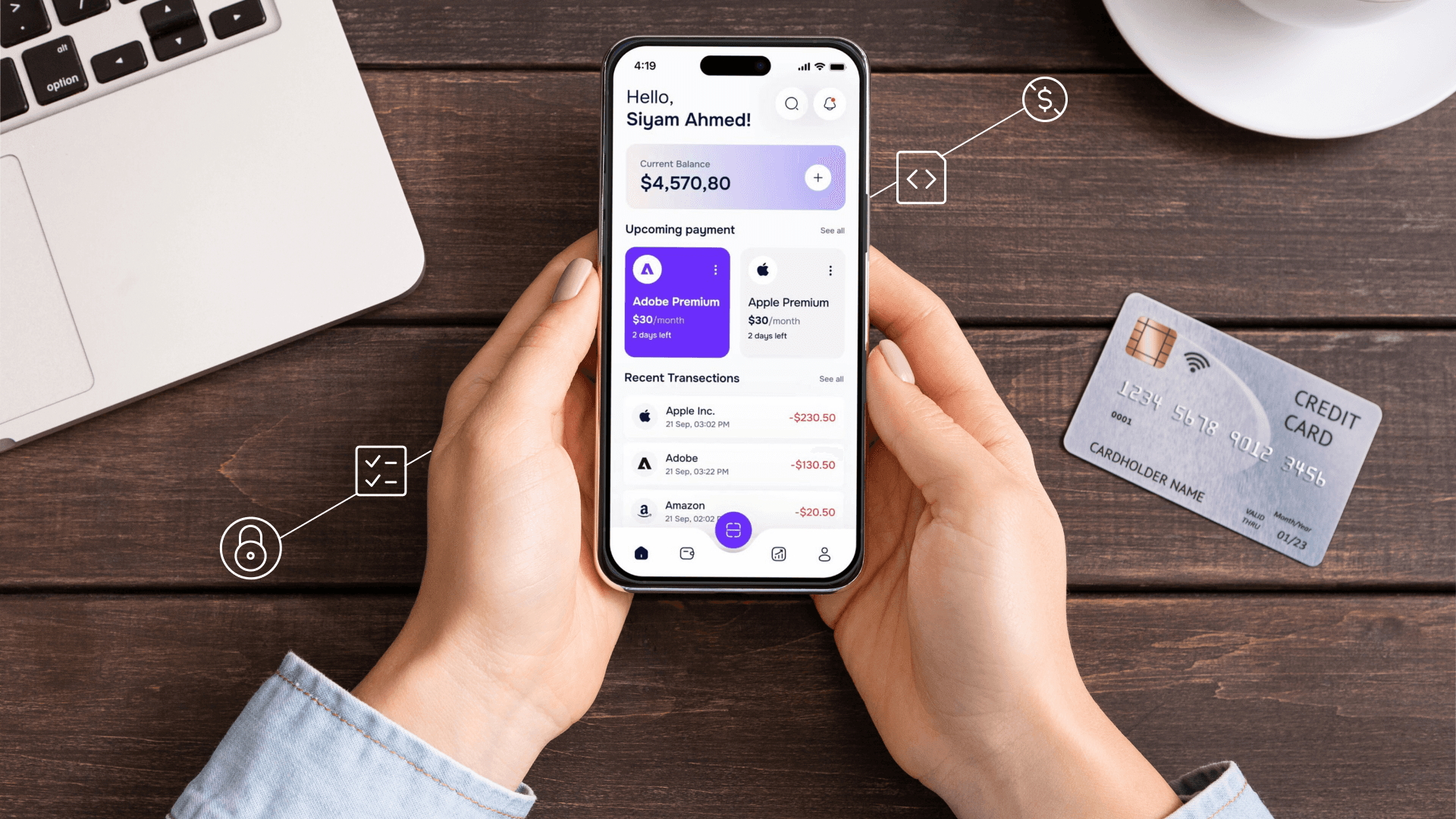
E-Wallet App Development Costs in the U.S.: What Founders Must Plan For
A founder’s guide to U.S. e-wallet app development covering costs, features, and compliance factors to build secure, scalable, and regulation-ready fintech products with real industry insights.

How to Build a Personalized Real Estate Feed: Location, History & Smart Fallbacks
Learn how to build a personalized real estate feed using location, user history, and smart fallbacks for accurate, privacy-first property recommendations.

How to Build an EV Charging Station Finder App
Learn how to build an EV charging station finder app. Explore must-have features, costs, revenue models, and future trends shaping EV app development.
