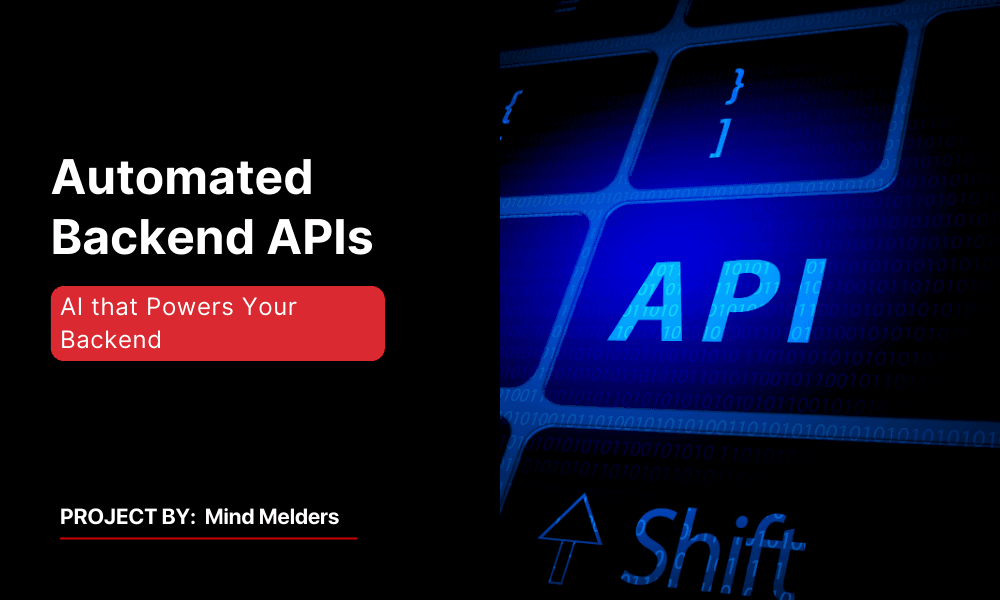

Editor’s Note: This blog introduces CodeAPI, an AI-powered backend API generator developed by Team Mind Melders during Hackathon 2024. It streamlines backend development by generating complete APIs with a simple prompt, reducing setup time and effort. While the language has been refined for clarity and readability, the content remains true to the original vision and enthusiasm of the team.
Team Members: Tarya, Abhishek, Akash, Akashik, Prince.
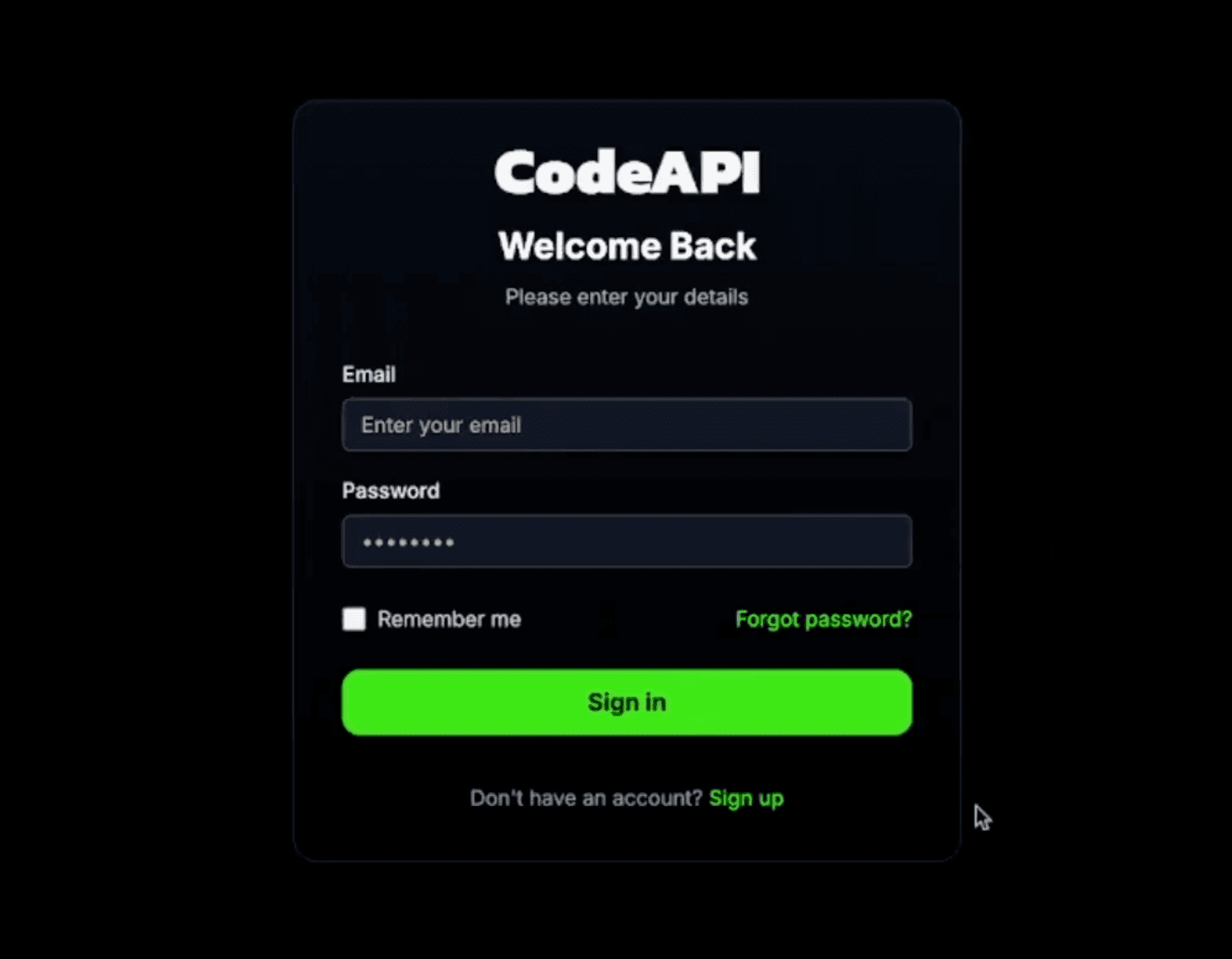
During Hackathon 2024, our team built CodeAPI, an AI-powered tool that allows developers to generate a fully functional backend API with just a prompt. This eliminates the need for manual setup, making backend development more efficient and seamless. Currently, the project is implemented with NestJS, but future updates will support additional frameworks.
How it works
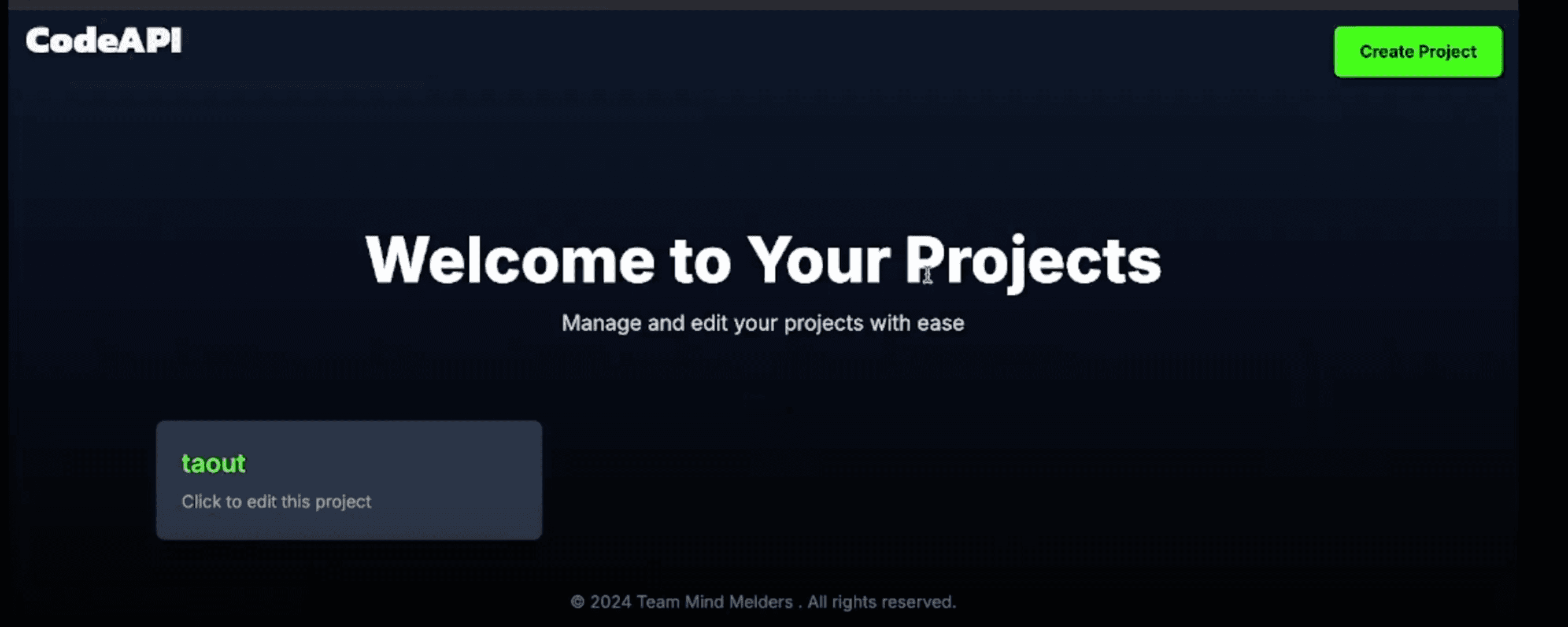
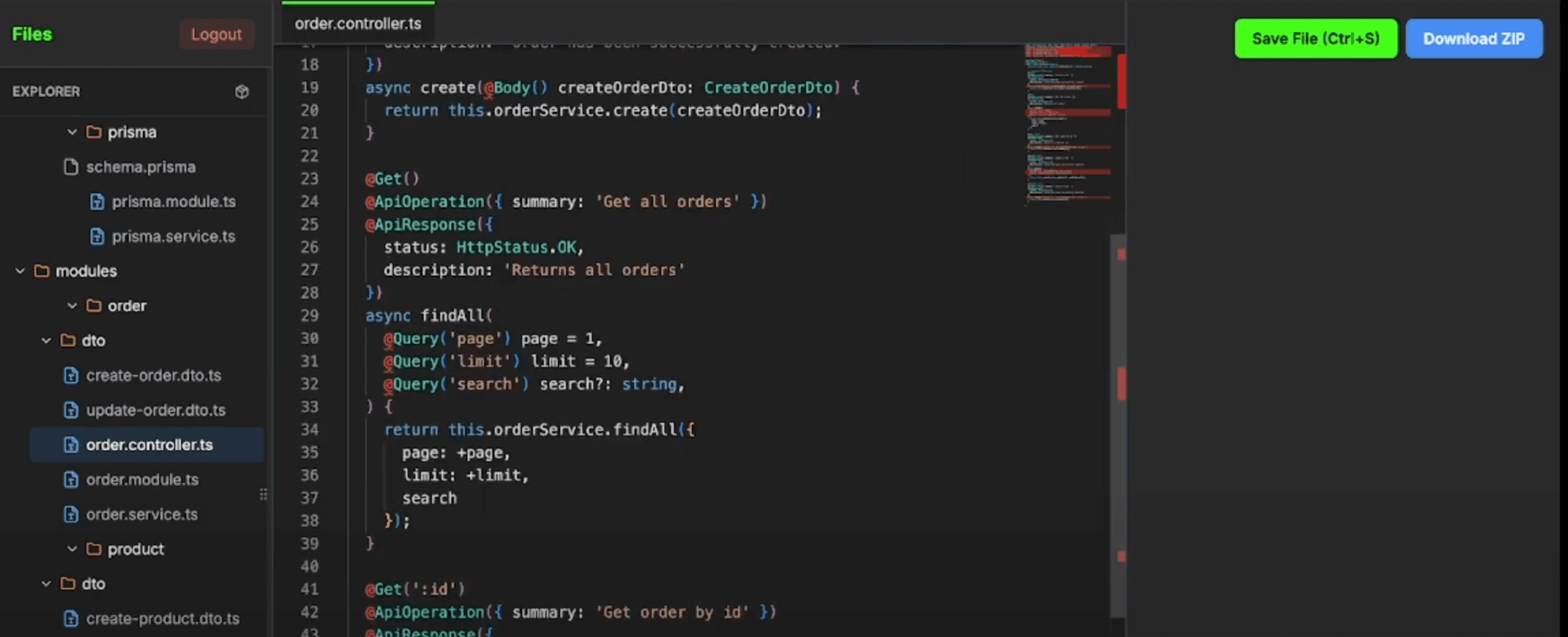
CodeAPI provides an intuitive platform where developers can input prompts to generate entire backend projects. Once you submit a prompt, the AI generates a complete file structure that includes authentication modules, database connections, controllers, services, DTOs, and decorators. The tool also features an AI-powered code editor, allowing developers to change and customize the generated code before downloading it as a ready-to-use project.
One of CodeAPI’s standout features is its intelligent diff algorithm, which updates only the necessary parts of the code instead of rewriting the entire project. This ensures faster performance and seamless integration with existing codebases.
Key Features
CodeAPI offers instant backend API generation with a prompt, reducing development time. It supports NestJS for structured, scalable backend development, with plans for additional frameworks in the future. The platform includes AI-driven code editing, allowing users to modify generated APIs before downloading them. With JWT authentication, role-based access control, and validation modules, the generated code is secure and production-ready. The diff algorithm ensures minimal changes by updating only necessary parts of the code, preventing unnecessary overwrites. Users can restore previous versions of their projects, making it easy to iterate and refine APIs over time.
Live Demonstration
Developers start by entering a project prompt—for example, “Generate an e-commerce backend with authentication and role-based access control.” The AI then processes the request and generates the full backend architecture, including controllers, modules, services, and DTOs. Users can edit the generated code directly in the platform, making adjustments before downloading the project as a zip file.
To add new features, users simply input additional prompts. For instance, requesting “Add a session-based model with a payment gateway” triggers AI to analyze the existing code and apply changes using the diff algorithm. This ensures only the relevant portions of the project are modified, keeping the development process efficient and structured.
The platform also supports version control, allowing users to revisit previous iterations of their projects and continue from where they left off. New features, such as live streaming modules, can be integrated with a single command, demonstrating CodeAPI’s flexibility and scalability.

Why CodeAPI Matters
Building a backend API from scratch can be time-consuming and complex. CodeAPI automates this process, allowing developers to focus on logic and functionality rather than repetitive setup tasks. By leveraging AI, it significantly reduces development time while ensuring best practices in backend architecture.
Final Thoughts
Developing CodeAPI during Hackathon 2024 was an exciting challenge, pushing us to create a tool that simplifies backend development. Our vision is to expand its capabilities, support more frameworks, and refine its AI-driven automation.
Github link for the project - https://github.com/vasoyaprince14/codeApi/