
Payment gateways are the backbone of anything bought online. But building one today means more than just processing transactions—it’s about getting to market fast without compromising security or future scale. Here’s how we approached it in a recent project.
In one project, the goal was to give businesses an easy way to handle user onboarding and stay compliant through a high-level payment gateway. The platform was built to connect with an existing financial aggregator's tools. Key solutions included:
- Automated Compliance & Onboarding: Integrated KYC/KYB systems cut down manual work, speeding up customer onboarding while reducing risk.
- Seamless Bank Connectivity & Agility: The platform is designed for flexible integration with various banks and financial aggregators.
- Proactive Security & Control: Security is paramount here, with top-tier protection built in from day one. This means strict role-based access and audit trails are standard, ensuring continuous safety and clear accountability
- Real-time Activity Insights: The platform offers live dashboards and webhooks for instant updates on key activities.
- Developer-Friendly Test Environment: A dedicated sandbox mode is available for users & developers to test integrations and features thoroughly in a safe space before going live.
These elements go beyond technical specifications; they represent strategic business advantages that ensure the platform's robustness, efficiency, and readiness for future challenges.
The Balancing Act: Speed Today, Growth Tomorrow
Speed matters when launching a new payment product. For this MVP, we went with a monolithic architecture—it helped us move fast and validate the core idea quickly. With clear, modular code organization, we avoided tech debt and made it easier to move to microservices when needed.
Tech Stack & Architecture Overview

Frontend:
- Web: Next.js app with role-based access (admin + business users)
- Mobile: Flutter-based cross-platform app
Backend:
- Built with NestJS for scalable, modular development
Infrastructure:
- Cloud: AWS (S3, IAM, CloudWatch)
- Database: PostgreSQL via Amazon RDS
- Caching: Redis (session management, rate limiting)
- CI/CD: Automated pipelines for builds, testing, and deployment
This stack gives us high performance, quick iteration, and long-term reliability.
Ensuring Compliance: Seamless KYC/KYB & AML
For any payment platform, building trust and adhering to regulations – particularly Anti-Money Laundering (AML) requirements – isn't optional; it's a must. The project set up a top-notch identity check system for a truly solid KYC (Know Your Customer) and KYB (Know Your Business) process.
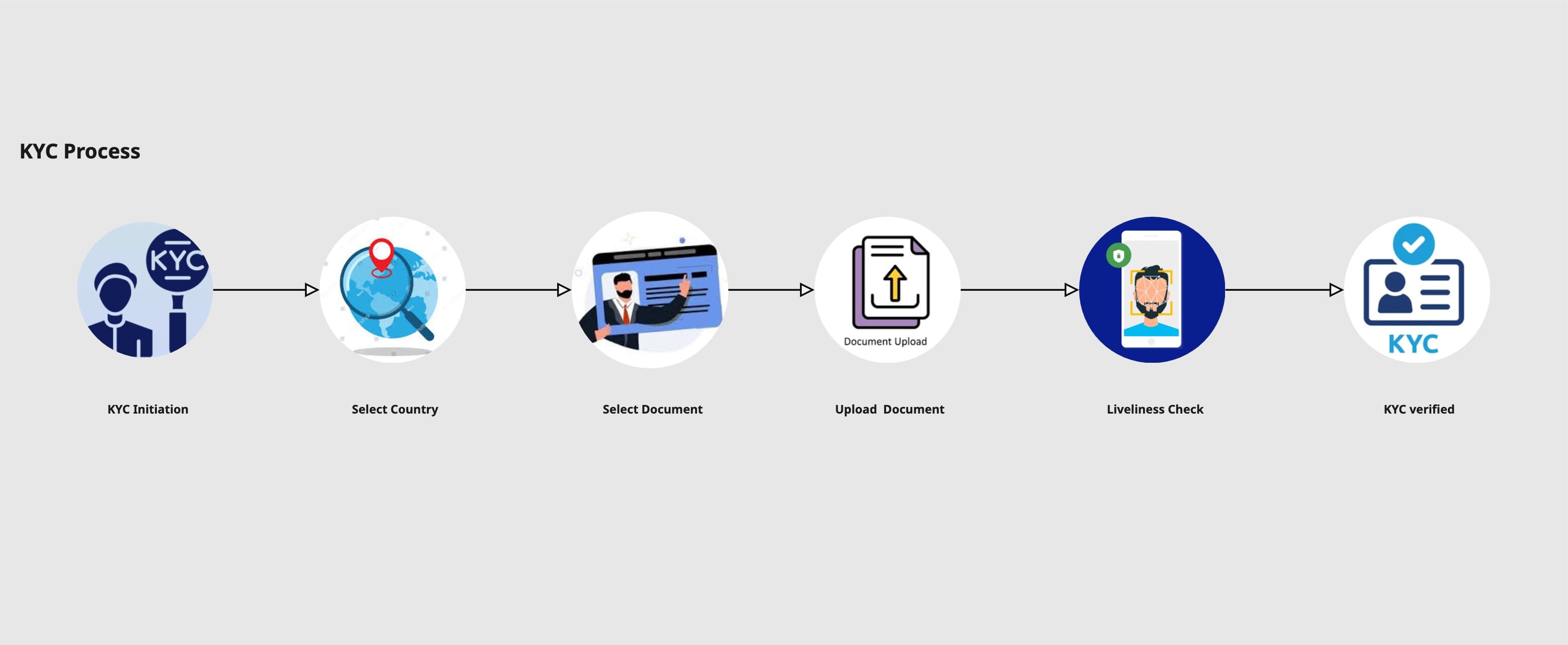
This setup pretty much automates all the compliance checks. Users can easily sign up and send in documents through a clean interface, getting feedback right away. This drastically cuts down on manual work, saving money and getting users active faster. By making sure users are fully verified before they can even make a transaction, compliance was essentially built in from day one, cutting down on big risks. This proactive move helps dodge future headaches and fines, building trust that really helps the platform grow.
Built for Production: Security & Rock-Solid Reliability
Even though the main focus is the MVP, the platform's foundation is built for live operations. That means airtight security and keeping data safe are absolutely critical. So, key steps are taken to keep the platform strong and secure long-term:
- Top-notch Encryption: All data, whether sitting or moving, is protected with strong industry-standard encryption.
- Data Protection: Sensitive financial stuff gets scrambled and tokenized to keep it super safe.
- Smart Access: Strict rules are in place so only authorized people can see or touch sensitive data or important operations.
- Detailed Records: Every key action and transaction is logged in fine detail. This creates a record that can't be changed, which is crucial for security checks and reports.
- User Consent: How data is handled and shared always comes back to what the user agrees to, following modern privacy rules.
- Always Watching: There's 24/7 monitoring from a Security Operations Center (SOC), and quick plans are ready if anything goes wrong.
- Secure Development: Security is woven into every step of building the software, not just tacked on at the end.
- Outside Testing: Regular outside security checks and "Red Teaming" exercises are done to really push the defenses.
- Real-time Monitoring & Alerts: The platform has live dashboards and alerts for performance, transaction success, and issues. This means problems are caught and fixed right away, keeping things running smoothly.
These measures ensure the platform is not only reliable but always ready to scale securely.
Why This Matters Now
The FinTech space is evolving rapidly. Businesses want payment systems that are fast, flexible, and built for the future.
Market Trends & Competitive Landscape
- Digital Payments Are Surging: Global transaction volumes expected to reach $19.89T by 2026 (source: Allied Market Research).
- Embedded Finance Is Booming: More platforms want to offer built-in payments—requiring modular, API-first solutions.
- Regulations Are Tightening: Compliance isn’t optional anymore—it’s a business advantage.
- Developers Want Flexibility: Sandboxes, clean APIs, and live insights are the new norm.
Security Is a Dealbreaker: Platforms need built-in access control, encryption, and audit trails.
Where This Platform Fits
This solution ticks all the right boxes:
- Fast onboarding with built-in compliance
- Easy integrations with banks and aggregators
- Security-first from day one
- Rapid MVP launch, with a clear path to scale
- Friendly for both business users and developers
It’s built for what FinTech needs right now—and ready for what’s next.
Ultimately, in the fast-moving world of fintech, building a platform means preparing it for what's next, ensuring it's always ready to innovate and stay ahead.