
In the insurance sector, the AI Build vs. Buy debate has shifted. It is no longer about choosing between a SaaS vendor and an internal dev team. Today, the choice is about Lifecycle Ownership.
Do you buy a box solution that solves a problem today but creates vendor lock-in tomorrow? Or do you build a custom engine that gives you a competitive edge but risks becoming a multi-million dollar project?
At GeekyAnts, we use a Strategic Build vs. Buy Analysis to help insurance leaders make trade-offs explicit before they are locked in.
Here is how to decide.
1. When to Buy (The Utility Strategy)
Insurance companies should buy off-the-shelf AI solutions when the task is a commodity, something necessary but not providing a unique competitive advantage.
- The Criteria: High availability, general requirements, and low data-privacy risk.
- Examples: Standard OCR for driver’s licenses, basic sentiment analysis for customer service, or generic transcription for claims calls.
- The Pro: Immediate time-to-market and lower initial R&D costs.
- The Risk: You are at the mercy of the vendor’s roadmap. If their API pricing shifts or their model performance decays, your savings evaporate.
2. When to Build (The Differentiator Strategy)
You should build (or partner to co-create) when the AI touches your Proprietary Knowledge—your specific risk models, policy wording, and claims logic.
- The Criteria: High precision requirements, sensitive data residency (HIPAA/GDPR), and long-term TCO (Total Cost of Ownership) concerns.
- The Data Point: We helped a client avoid $400,000+ in infrastructure over-investment by identifying which components of their interview-based AI agent needed to be custom-built versus which could be handled by commodity APIs.
- The Advantage: Traceability. When you build an AI-native system in your own repository, every line of code links back to a business requirement. This is the difference between a box and an auditable system.
3. The Hybrid Middle: AI-Native Architecture
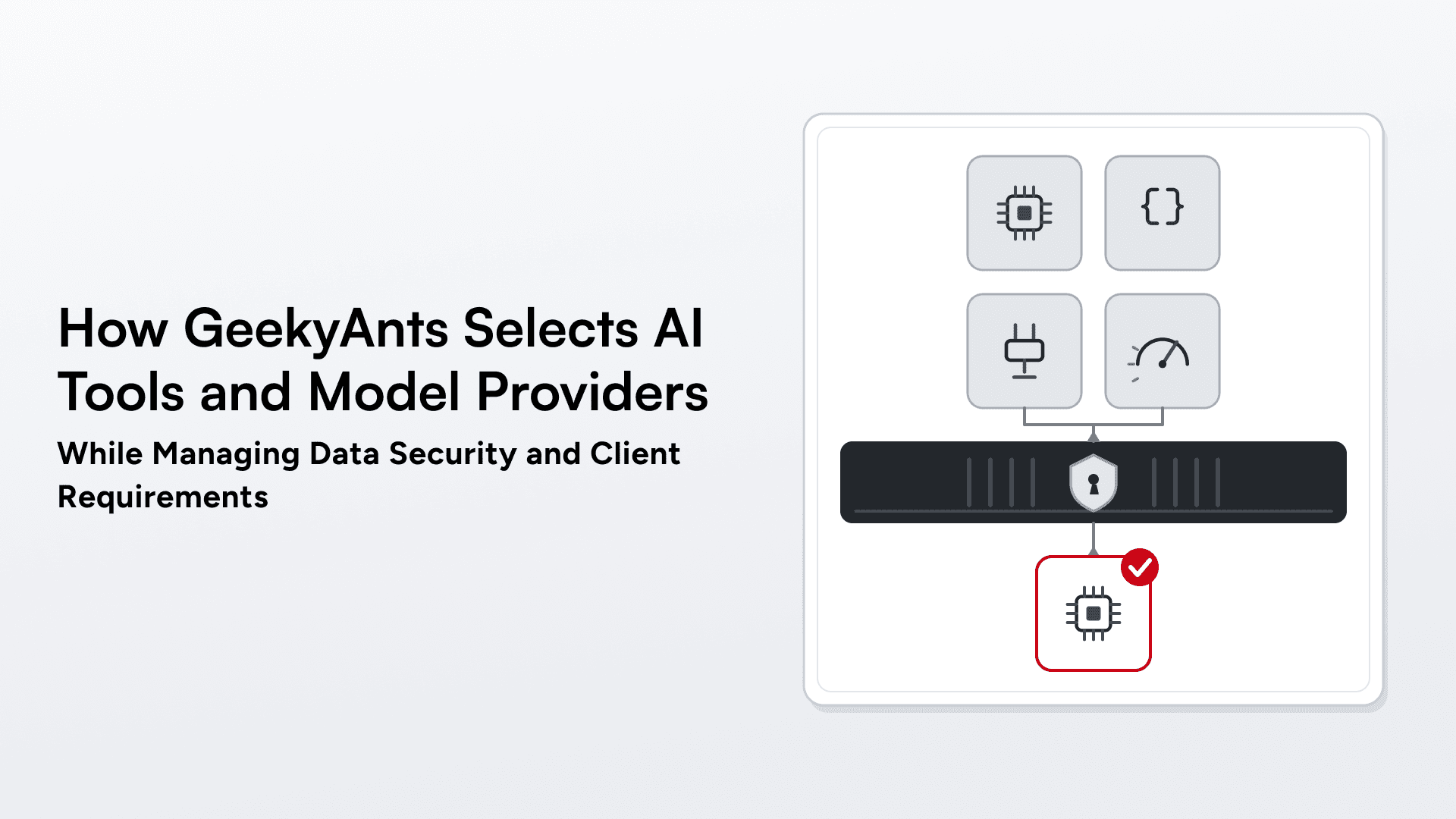
Most insurance leaders are finding that a hybrid approach—building the architecture but renting the intelligence—is the most ROI-efficient path.
This means using state-of-the-art models (like GPT-4 or Claude) but wrapping them in your own AI-Native Engineering layer.
The Three Layers of Ownership:
- The Knowledge Layer: You own the data hierarchy and vector storage (your proprietary context).
- The Workflow Layer: You own the agents and guardrails (your business logic).
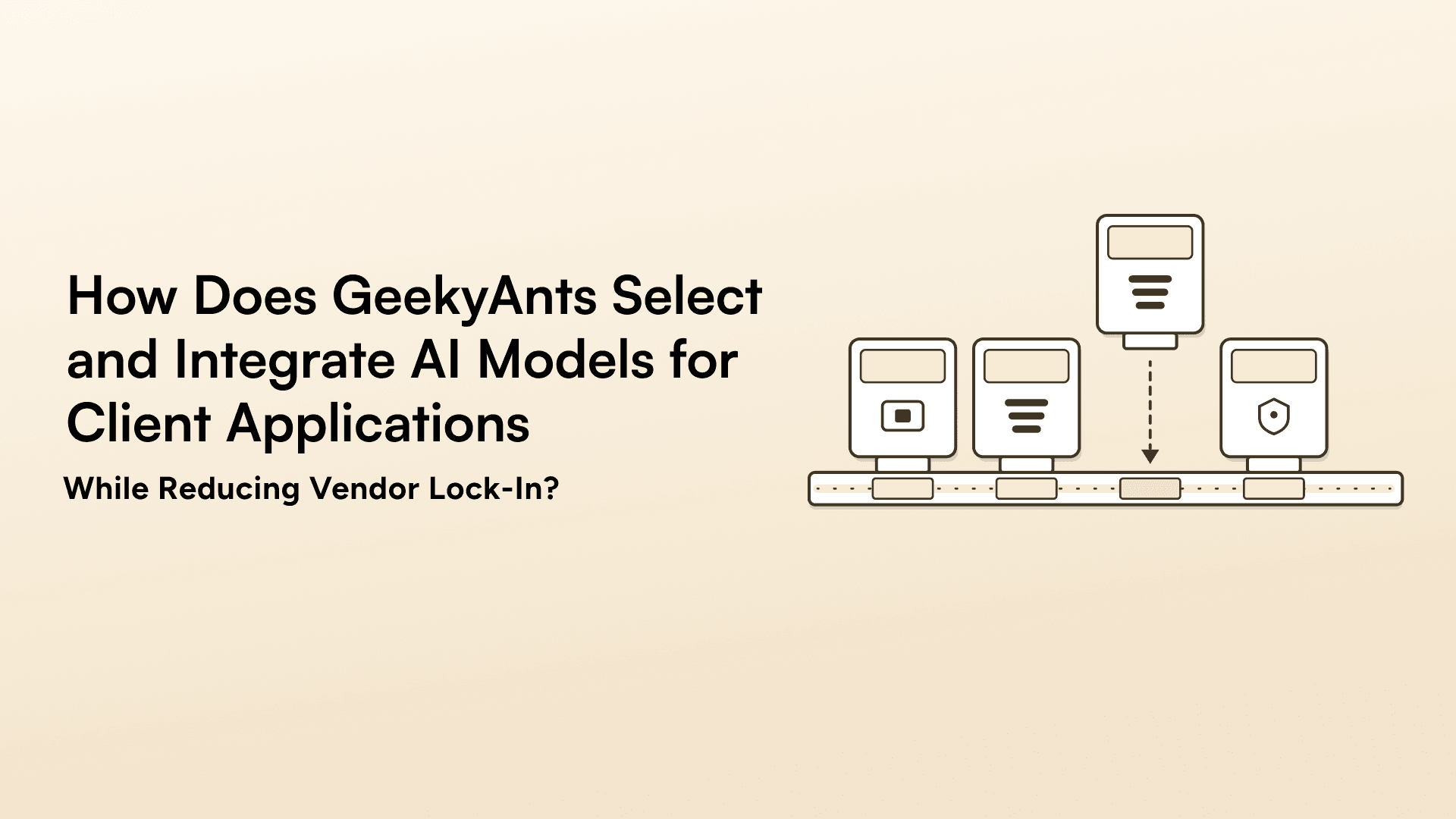
- The Model Layer: You swap models as they become faster and cheaper (avoiding vendor lock-in).
4. Evaluating the ROI: The Metrics That Matter
A buy decision often looks cheaper on Day 1, but building with an AI-native approach usually wins on Day 365.
Metric | The Buy (SaaS) Path | The Build (AI-Native) Path |
|---|---|---|
Data Privacy | Limited (Vendor-controlled) | Full (In your VPC/Repo) |
Operating Cost | Flat per-seat/per-call fees | 40–70% lower via caching |
Accuracy | General (30-50% for complex docs) | High (Up to 87% with custom RAG) |
Maintenance | Low | Managed via AI Ops |
5. Five Questions for Your Evaluation Framework
Before you draw an architecture diagram or sign a vendor contract, ask these five questions:
- Does this solution cover the hard parts (testing/deploying) or just the easy part (generating code)?
- Where does the project brain live? If it lives in a vendor’s prompts, you don't own your IP.
- Are quality checks advisory, or are they unskippable parts of the workflow?
- Can you explain why the AI made a specific decision to a regulator?
- If your AI provider goes down tomorrow, how fast can you switch to a competitor?
The Verdict
In the AI era, the goal is to have Architectural Maturity. For insurance companies, the right strategy is to build a foundation that is Economic by Design and Secure by Default.
At GeekyAnts, we provide the Strategic Build vs. Buy Analysis to ensure you are not just buying a demo, but building a market-leading asset.