

Two clinicians reviewing a patient record on a tablet

EHR & EMR Development

EHR & EMR Software Development Company

GeekyAnts is an EHR and EMR development company that builds and modernizes platforms for managing patient information and supporting clinical workflows. Our solutions integrate existing healthcare systems using standards such as HL7, C-CDA, and FHIR, making relevant patient data more accessible across facilities and care settings.

Challenges

Solving EHR & EMR Challenges Across Care Systems

When patient information comes from different facilities and formats, keeping records consistent and accessible becomes difficult. Our EHR and EMR software development services help solve the following challenges.
  • Patient Information in Separate Systems

    When patients visit different facilities, their test results and previous encounters may remain in separate applications. We organize available records from connected sources into patient-focused histories, helping authorized teams review relevant information more easily.
  • Different Formats for Clinical Data

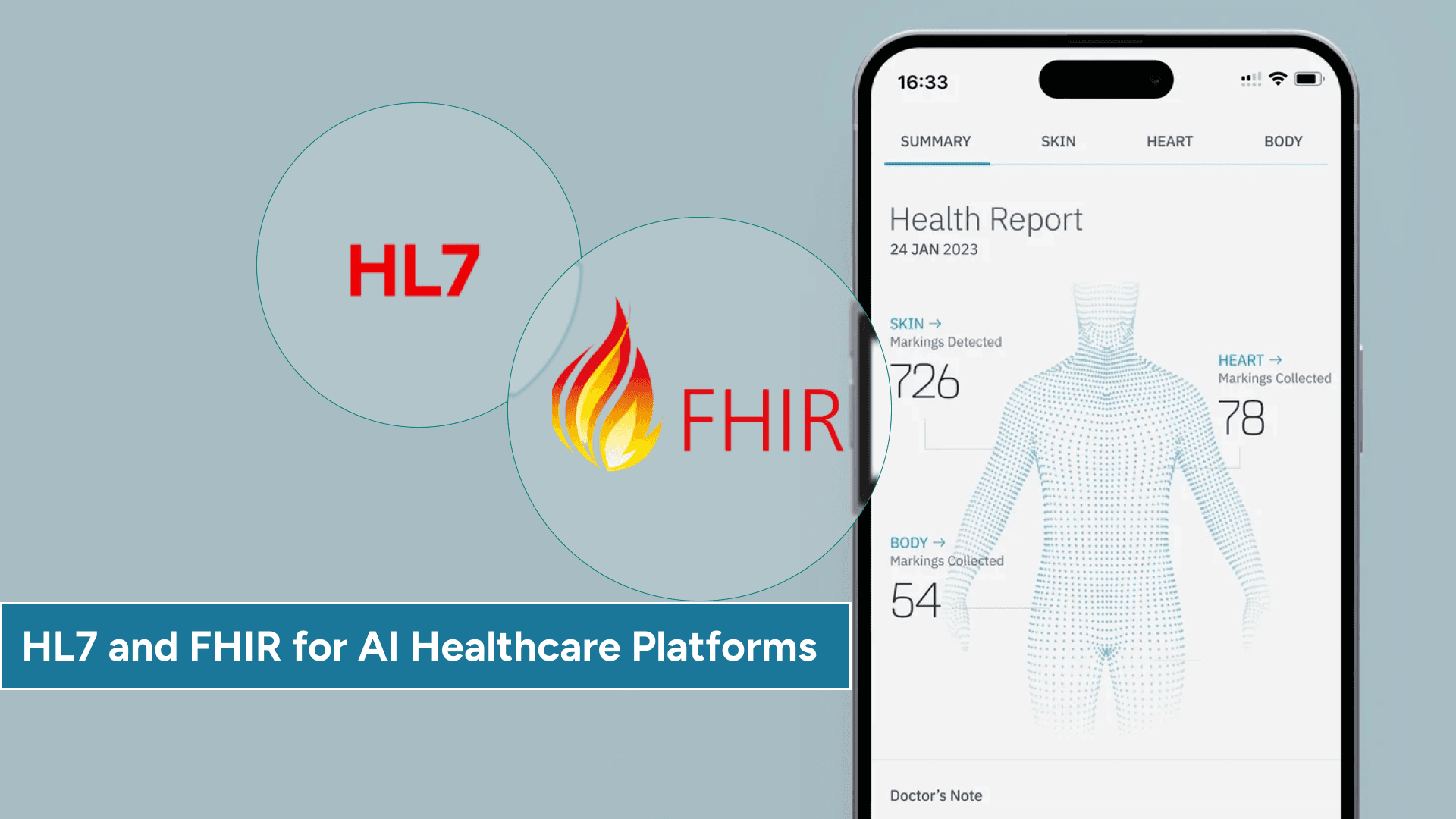
    Laboratory reports and hospital admission updates may arrive in completely different formats. We build workflows that read supported HL7/XML, ADT, C-CDA, laboratory, radiology, ELR, and syndromic feeds and organize the details for use in applications.
  • Gaps Between Facilities and Payers

    Healthcare facilities and insurance payers may need the same relevant details but use different systems to find them. We create shared application views with permissions that let each authorized user access appropriate patient and operational information.
  • Unclear Patient Data Origin

    When a dashboard shows an unexpected detail, staff may need to see the message it came from. We keep links between the information displayed and original healthcare files, allowing permitted users to check the source during reviews and investigations.
  • Legacy EHR Systems

    Hospitals rely on legacy EHR systems that cannot easily connect with new tools. Our EHR modernization approach introduces integration layers, APIs, and updated interfaces in phases, extending existing healthcare infrastructure without requiring a complete system replacement.
  • Difficulty in Tracking Patient Events

    Admissions, discharges, and return visits generate updates, but separate messages make the overall picture harder to follow. We turn available patient-event data into dashboards and defined measures that help teams monitor activity across facilities.

Highlights

Why Choose GeekyAnts as Your EHR & EMR Software Development Company?

As an EHR and EMR software development company, GeekyAnts connects clinical data processing with patient-focused applications and existing healthcare systems.
  1. 01

    A Clearer View of Patient Care

    Bring available medical histories and encounter events into one view, helping authorized care teams follow a patient's recorded care journey.
  2. 02

    Data Ready for Everyday Use

    Turn incoming clinical files into structured details that can support patient views, healthcare workflows, and reporting.
  3. 03

    Facility Activity at a Glance

    Help administrators follow admissions, discharges, and readmissions through dashboards based on incoming patient-event data.
  4. 04

    Relevant Access for Each Role

    Allow facility and payer teams to review the information relevant to their work, with access determined by user permissions.
  5. 05

    Records You Can Trace Back

    Keep the original healthcare message within reach so permitted users can verify a figure or investigate an unexpected entry.
  6. 06

    Room to Modernize in Stages

    Add new interfaces, services, and APIs around established EHR systems, adapting the platform without replacing everything at once.
Dedicated Healthcare Engineers
20+
Healthcare Projects Delivered
10+
Years of Healthcare Experience
20+
Reduction in Doctor Onboarding Time (Dentify)
40%

Work

Healthcare Platform Engineering in Practice

Explore how GeekyAnts develops healthcare applications, improves clinical workflows, and processes complex information to support patient care and healthcare operations.
View all
Intelligent Document Processing
AI Document Processing

Intelligent Document Processing

We developed an AI-powered document intelligence platform for Pillar Engine that automates information extraction and generates contextual insights, demonstrating capabilities relevant to complex document-processing workflows.
pages processed in approximately 2 minutes
10,000
reduction in manual effort
99%

Read case study

EHR & EMR Solutions for Your Healthcare Operations

Partner with GeekyAnts for custom EHR and EMR software development, EHR integration services, and EHR modernization that support connected patient records and healthcare workflows.
Discuss Your EHR Project

Services

EHR & EMR Software Development Services

Our EHR and EMR software development services cover custom patient record platforms, EHR integration, EHR data migration, and modernization of existing systems to support connected healthcare operations.
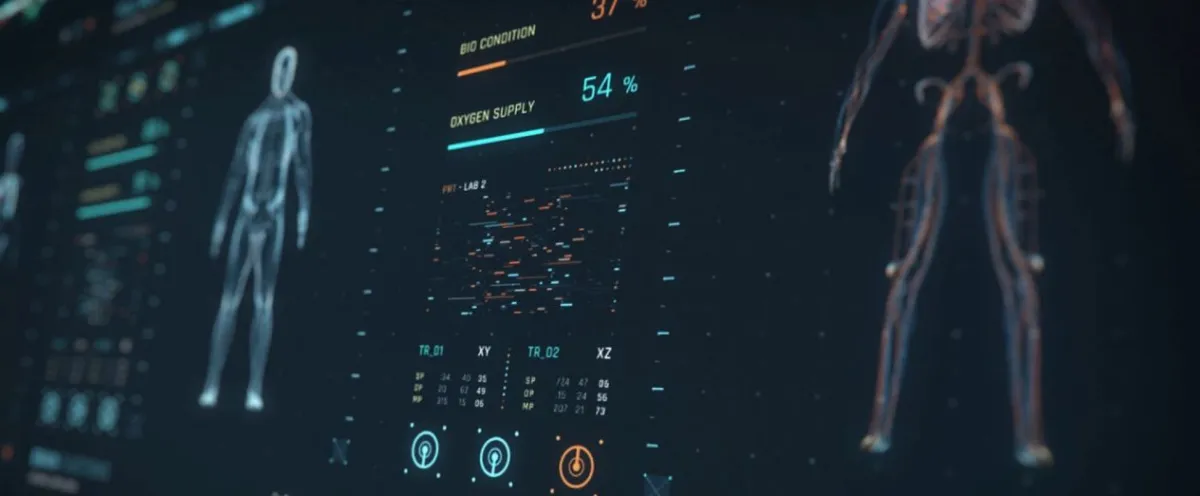
A patient record dashboard on a screen

Custom EHR & EMR Software Development

Our custom EHR software development services cover applications that organize medical records, clinical encounters, and healthcare events. We design interfaces and backend services around healthcare workflows and existing integrations.
A clinician reviewing a patient record on a tablet

Longitudinal Patient Record Platforms

Create patient-focused views that organize available medical histories, clinical documents, and encounters received from connected healthcare sources. Authorized users can review relevant information through organized patient timelines.
Connected care network

EHR Integration Services

Our EHR and EMR integration services connect healthcare feeds and process supported HL7/XML, C-CDA, laboratory, radiology, and ADT messages.
Health plan documents

Facility-Payer EHR Connectivity

Create shared application experiences for healthcare facilities and payers, allowing authorized users to review relevant patient histories, encounter details, and operational information.
Clinical monitors showing data

EHR Analytics & Operational Dashboards

Turn available patient-event data into dashboards covering admissions, discharges, readmissions, and encounter activity. Help healthcare teams monitor facility activity through defined operational measures.
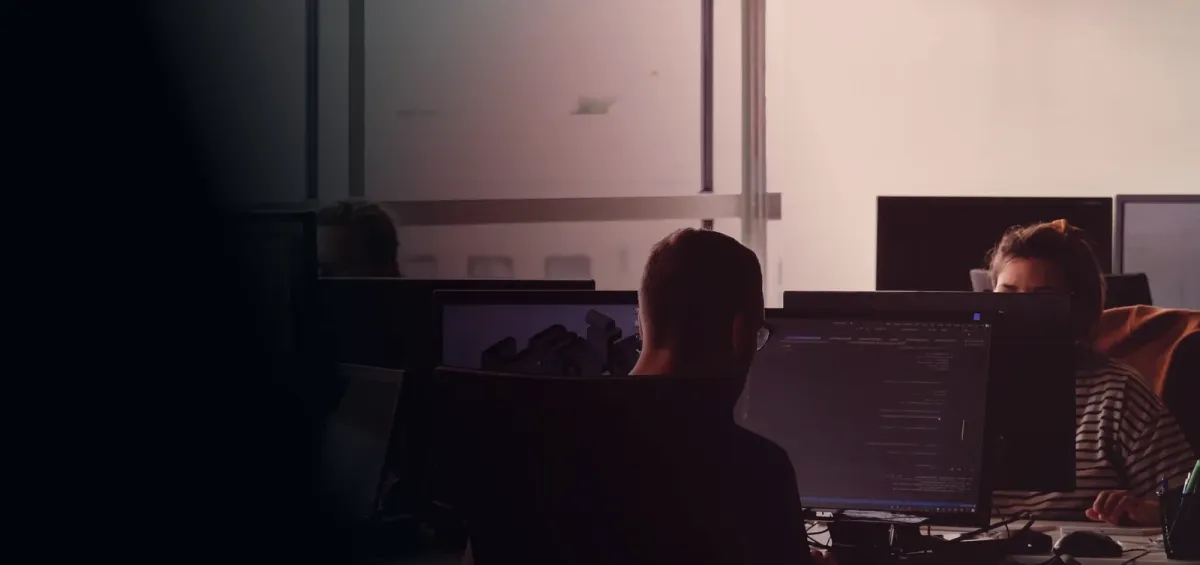
An engineer reviewing code on a monitor

EHR Modernization & API Enablement

Extend existing EHR platforms through integration layers, modular services, modern interfaces, and APIs. Introduce FHIR-based connectivity where appropriate while supporting established healthcare data exchange workflows.
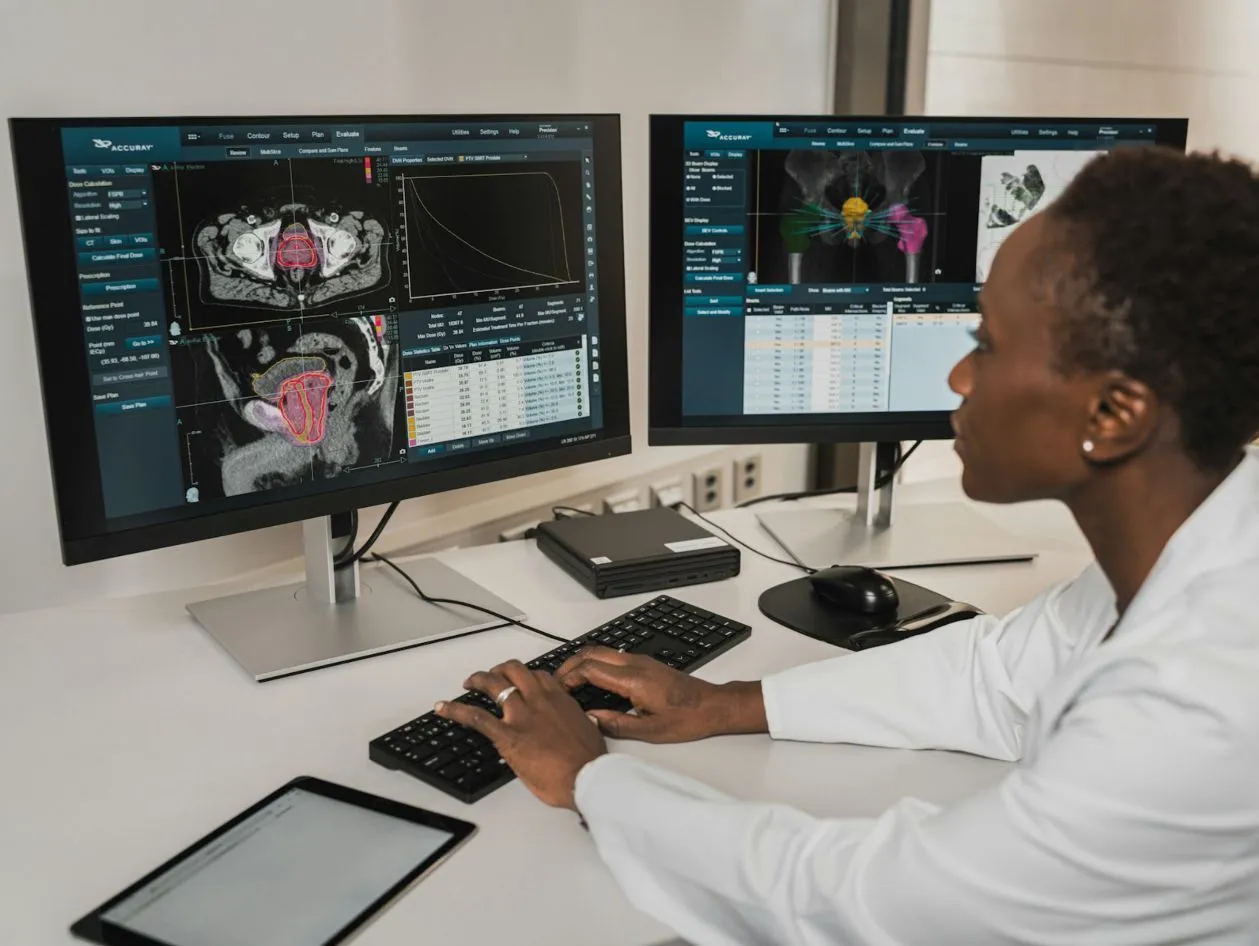
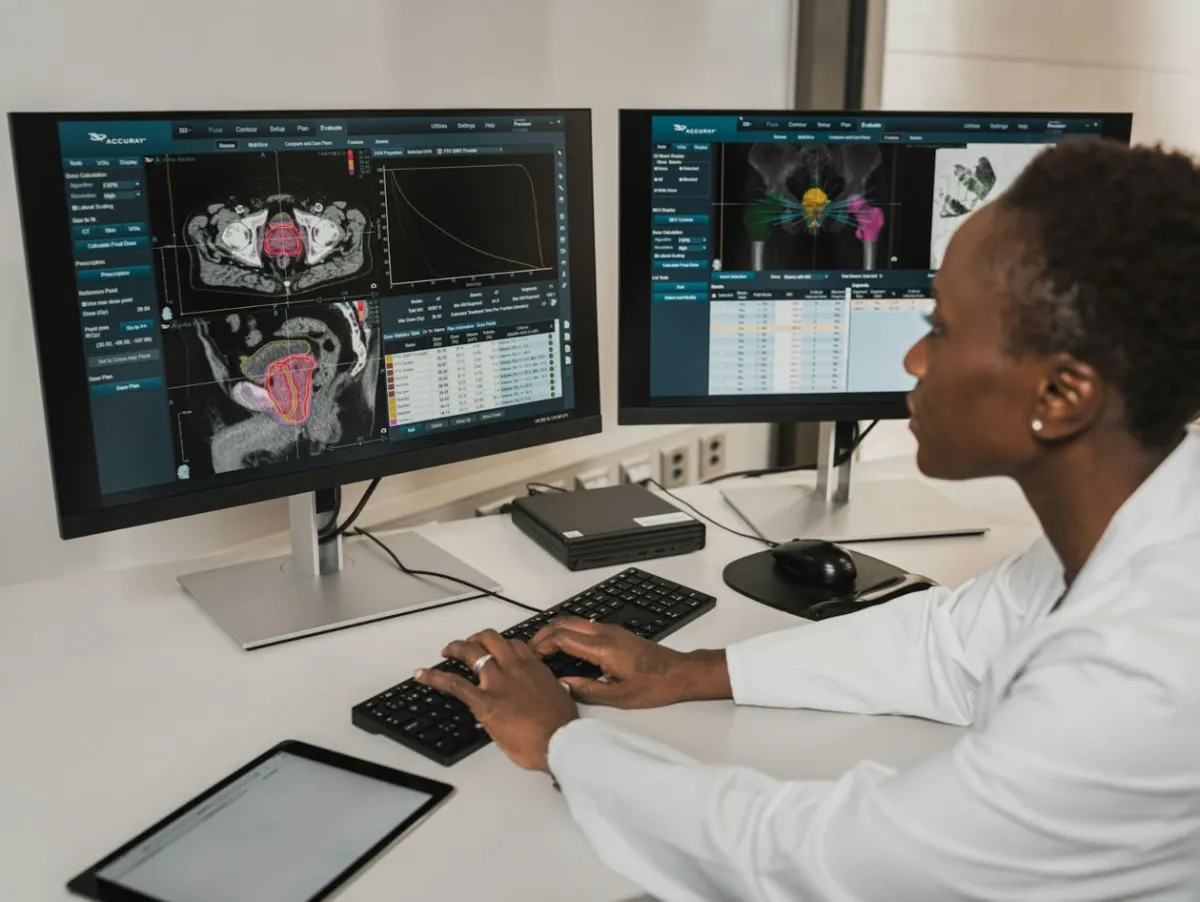
A clinician reviewing imaging on monitors

AI-Assisted EHR Workflows

Where appropriate, extend EHR applications with AI-assisted document summarization, information retrieval, and administrative workflows, supported by validation and human oversight.
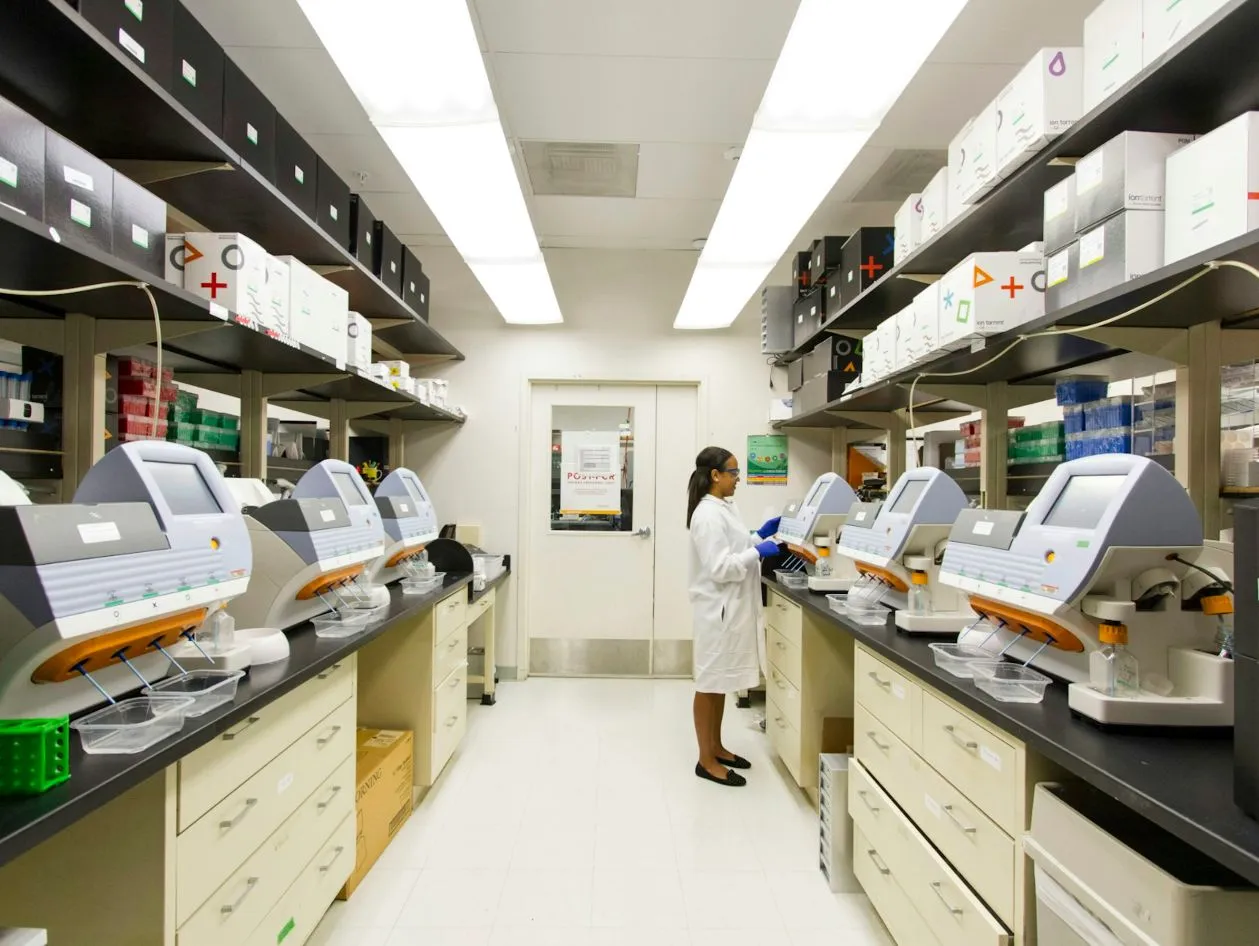
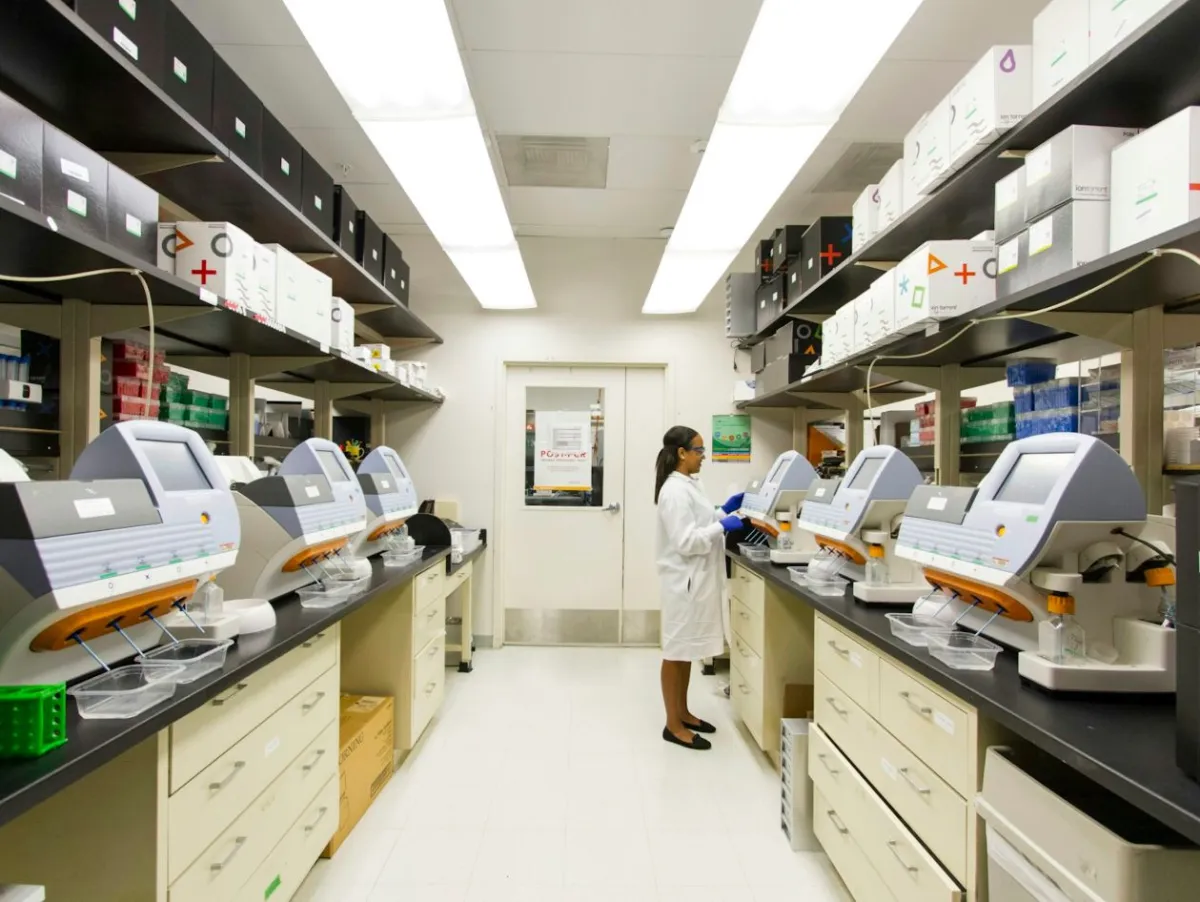
Diagnostic laboratory equipment

EHR Data Migration

Develop data extraction, transformation, validation, and integration workflows to support EHR data migration. Migration feasibility depends on source-system access, available formats, and data quality.

Technologies

Technologies Supporting EHR & EMR Platform Development

Our technology expertise spans healthcare messaging, data pipelines, application engineering, security, and operational monitoring.
  • HL7
    HL7
  • C-CDA
    C-CDA
  • ADT
    ADT
  • LAB
    LAB
  • RAD
    RAD
  • ELR
    ELR
  • Syndromic data
    Syndromic data
  • XML
    XML
  • FHIR APIs
    FHIR APIs

Engagement

Engagement Models for Your EHR & EMR Development Project

Work with GeekyAnts to assess existing EHR and EMR systems, validate specific development requirements, or extend your engineering capacity for ongoing platform development and modernization.
  • Engineers reviewing code on monitors in an office
    01 / 03

    EHR Architecture & Integration Assessment

    Review existing clinical applications, healthcare data sources, and technical dependencies to define an integration or modernization roadmap.
    Focus Areas:
    • Existing EHR & EMR assessment
    • Clinical data format review
    • Integration requirements
    • Architecture and security planning

    Best for: Organizations planning EHR development or modernization.

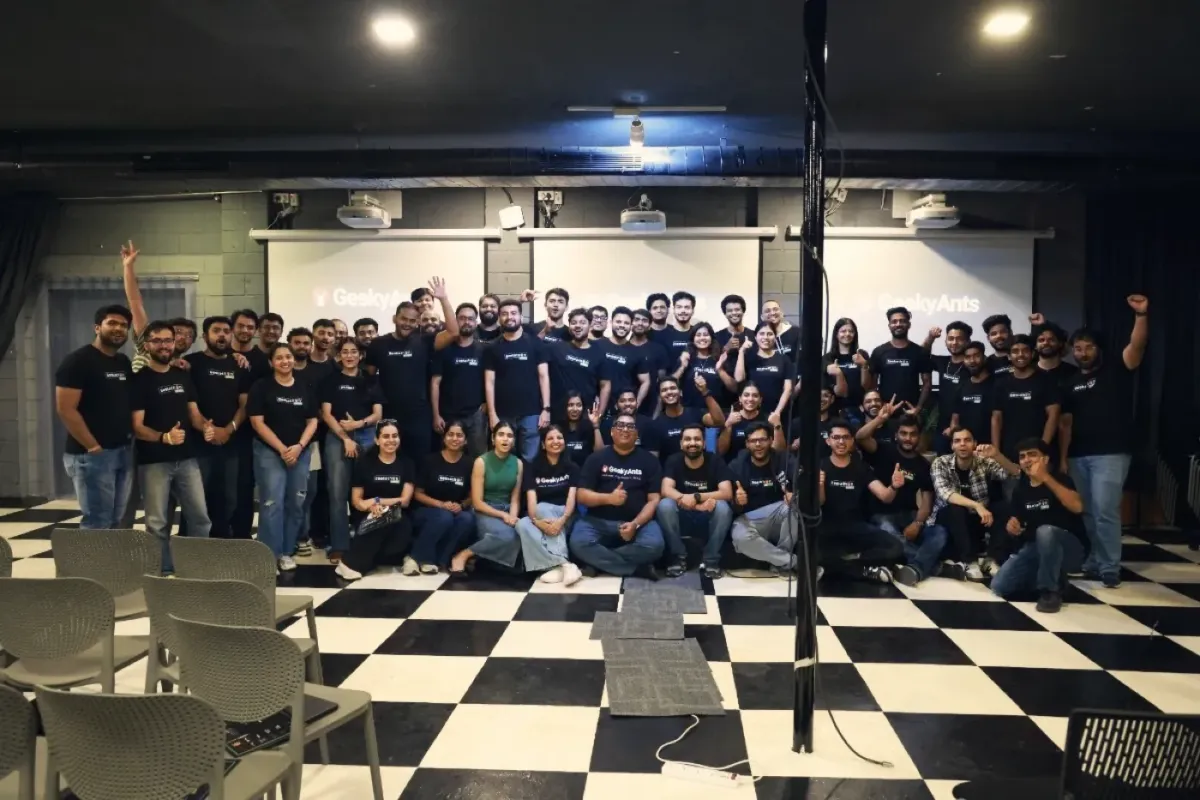
  • The GeekyAnts team gathered for a group photo
    02 / 03

    EHR Development Sprint

    Develop and test a specific EHR feature, clinical data integration, or operational workflow before expanding implementation.
    Focus Areas:
    • EHR module development
    • Clinical data processing
    • Patient record interfaces
    • Integration and security testing

    Best for: Teams validating a defined EHR capability.

  • A layered glass sculpture beneath a magnifying lens
    03 / 03

    Dedicated EHR Engineering Team

    Work with dedicated EHR software developers on platform enhancements, healthcare integrations, clinical data workflows, testing, and ongoing maintenance.
    Focus Areas:
    • Custom EHR & EMR engineering
    • Healthcare system integration
    • Platform modernization
    • Ongoing testing and support

    Best for: Organizations developing or extending EHR platforms over time.

EHR & EMR Software for Hospitals, Clinics, Labs, and Payers

From hospitals and specialty clinics to laboratories and health insurers, we develop custom EHR and EMR software around distinct clinical and operational needs.
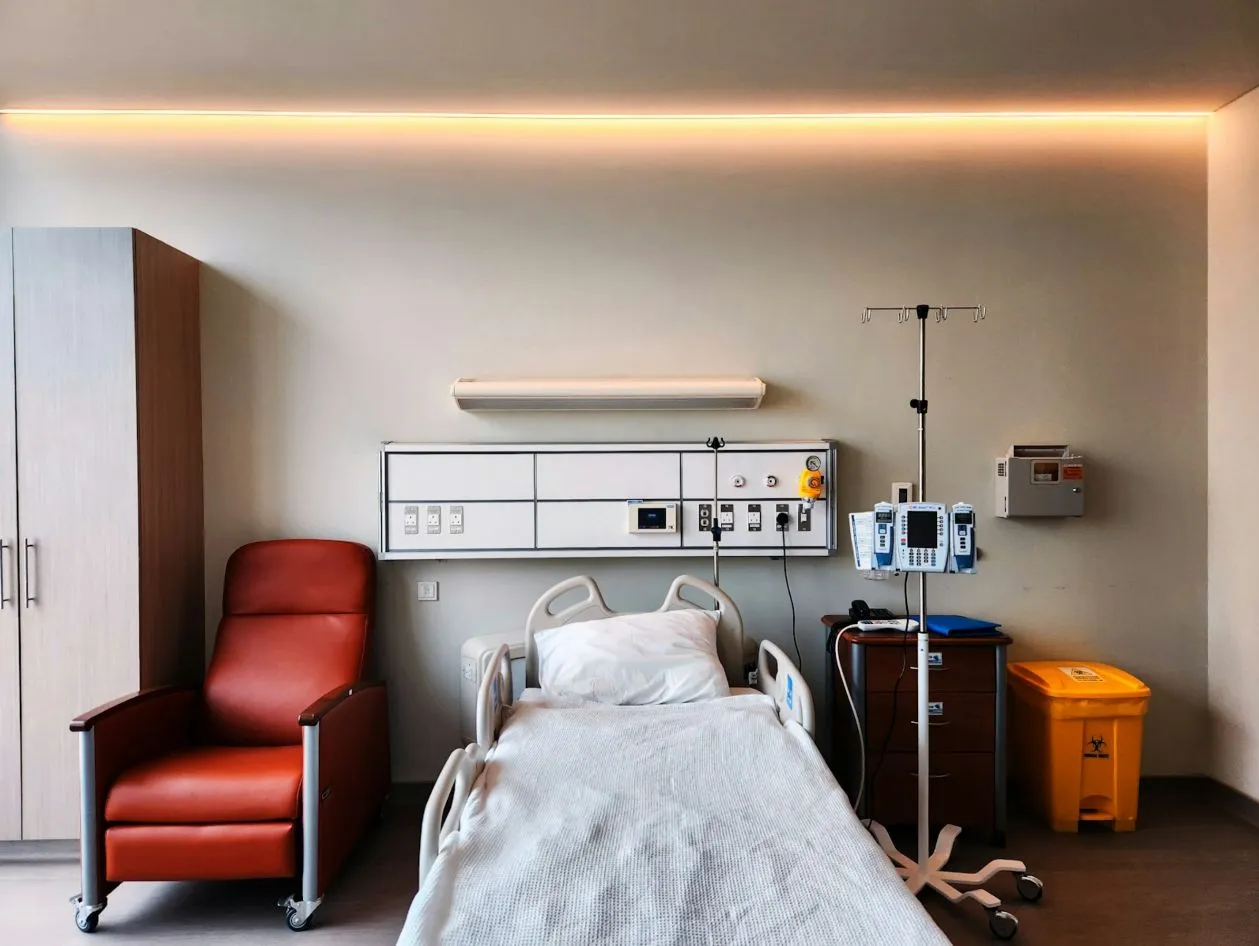
A hospital patient room
01
Bring medical histories and encounter details from connected facilities into accessible views, with dashboards for admissions, discharges, and readmissions.
A specialist clinic
02
Organize consultation histories, patient visits, and clinical documents within applications that connect with existing record-management systems.
Diagnostics laboratory
03
Convert supported laboratory, radiology, and diagnostic messages into structured information that connected healthcare applications can use.
Health plan documents
04
Give authorized payer teams access to relevant patient encounters, clinical information, and facility activity through permission-controlled interfaces.
A doctor using a phone
05
Develop EHR applications with patient timelines, clinical data exchange capabilities, and API connections to compatible healthcare systems.
Healthcare operations dashboard
06
Track admission activity, repeat hospital visits, and operational indicators through dashboards generated from available healthcare data.

Partners

Our Technology Partners

Our partnerships across cloud, AI, API development, and software engineering support EHR and EMR platform modernization, EHR integration, and connected application development.

Security, Compliance & Interoperability for EHR Platforms

We incorporate data protection, secure information exchange, and applicable healthcare regulations throughout EHR and EMR software development. Our approach considers patient privacy, system interoperability, controlled access, and data integrity from architecture to deployment.
  • HIPAA

    HIPAA

    Protected Health Information Security

    Incorporate appropriate safeguards for patient information, including role-based permissions, encryption, secure data exchange, and audit logging in EHR applications.

  • HITECH

    HITECH

    Electronic Health Record Protection

    Address applicable requirements for electronic health information security, breach notification, and documented safeguards across healthcare data systems.

  • GDPR and UK GDPR

    GDPR and UK GDPR

    Patient Data Privacy

    Consider lawful processing, data minimization, retention, access permissions, and individual rights when handling personal health information in applicable jurisdictions.

  • HL7

    HL7

    Clinical Data Exchange Standards

    Process supported healthcare messages and clinical documents, including ADT and C-CDA, to support information exchange between connected systems.

  • FHIR

    FHIR

    Standardized Healthcare APIs

    Develop FHIR-based interfaces and resource mappings where required to exchange information with compatible EHRs, provider systems, and payer applications.

  • ONC Information Blocking & EHI Access

    ONC Information Blocking & EHI Access

    Electronic Health Information Access

    Design appropriate capabilities for authorized access, exchange, and use of electronic health information, considering applicable information-blocking requirements and exceptions.

  • Badge showing two documents exchanged between provider and payer, one approved

    CMS Interoperability & Prior Authorization

    Provider-Payer Data Exchange

    Support applicable healthcare data-sharing requirements and technical integrations for provider-payer information exchange and prior authorization workflows.

  • Badge showing a shield with a medical cross

    Healthcare Data Integrity & Cybersecurity

    Secure Healthcare Data Management

    Apply data validation, authentication, authorization, source-file traceability, vulnerability management, and monitoring to protect healthcare information.

  • ISO/IEC 27001:2022

    ISO/IEC 27001:2022

    Information Security Management

    Our ISO/IEC 27001:2022-certified information security management system supports information protection, risk assessment, access control, and incident response across applicable operations.

Process

Our EHR & EMR Software Development Process

We approach EHR and EMR software development by understanding existing healthcare infrastructure, planning secure data exchange, and creating applications that make clinical information accessible and useful across connected systems.
  1. A team discussing work together

    Step 1

    Discovery & Requirements

    Phase 01

    Assess existing healthcare applications, clinical data sources, user roles, and operational needs to define platform requirements and development priorities.
  2. Two people planning at a whiteboard

    Step 2

    Concept Validation & Design

    Phase 02

    Map patient journeys, encounter records, and facility-payer workflows to design application interfaces around the information each user needs.
  3. An engineering team planning a system

    Step 3

    Architecture & Sprint Planning

    Phase 03

    Plan data exchange through supported SFTP gateways, HL7 messaging, APIs, and other integration mechanisms, along with access controls and system architecture.
  4. An engineer reviewing code on a monitor

    Step 4

    Development & Integration

    Phase 04

    Develop clinical data-processing pipelines, patient history views, encounter records, and dashboards for admissions, discharges, and other healthcare events.
  5. A tester checking an application

    Step 5

    Security & System Testing

    Phase 05

    Test incoming file processing, data accuracy, user permissions, system connections, and links between original clinical files and application records.
  6. A clinician at monitoring screens

    Step 6

    Deployment & Ongoing Support

    Phase 06

    Deploy EHR capabilities, monitor incoming data feeds and application performance, resolve processing issues, and support further platform enhancements.

Insights

EHR & EMR Engineering Insights & Resources

Discover insights on healthcare interoperability, clinical data exchange, and API integration to understand the technical considerations behind connected EHR and EMR platforms.

Services

Explore Our Related Healthcare Engineering Capabilities

Extend your clinical software ecosystem with complementary services for secure data exchange, analytics, hospital applications, and patient engagement.
Clinical monitors showing data

Healthcare Data Analytics & Business Intelligence

Turn healthcare information into reporting tools, operational measures, and business intelligence for administrators.

Contact

Plan Your EHR & EMR Project

Discuss your EHR requirements, integration priorities, and the next steps with our team.

Contact us

FAQ

Frequently Asked Questions About EHR & EMR Software Development

Start a project

The Right Conversation Can Save You Six Months.