
Digital Banking Transformation Services
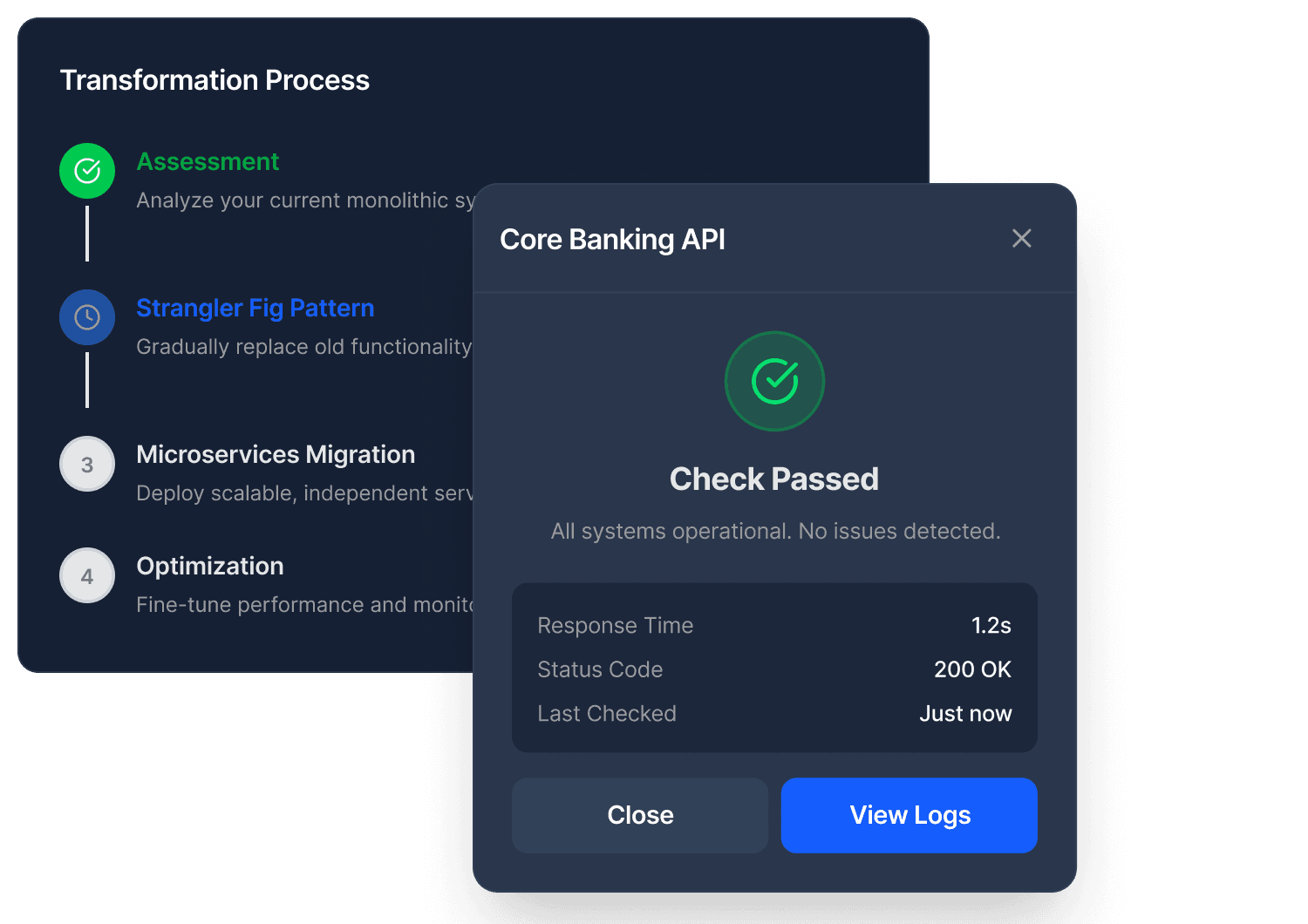











Modernize Core Banking Systems Without High-Risk Replacement
Digital Banking Transformation Outcomes
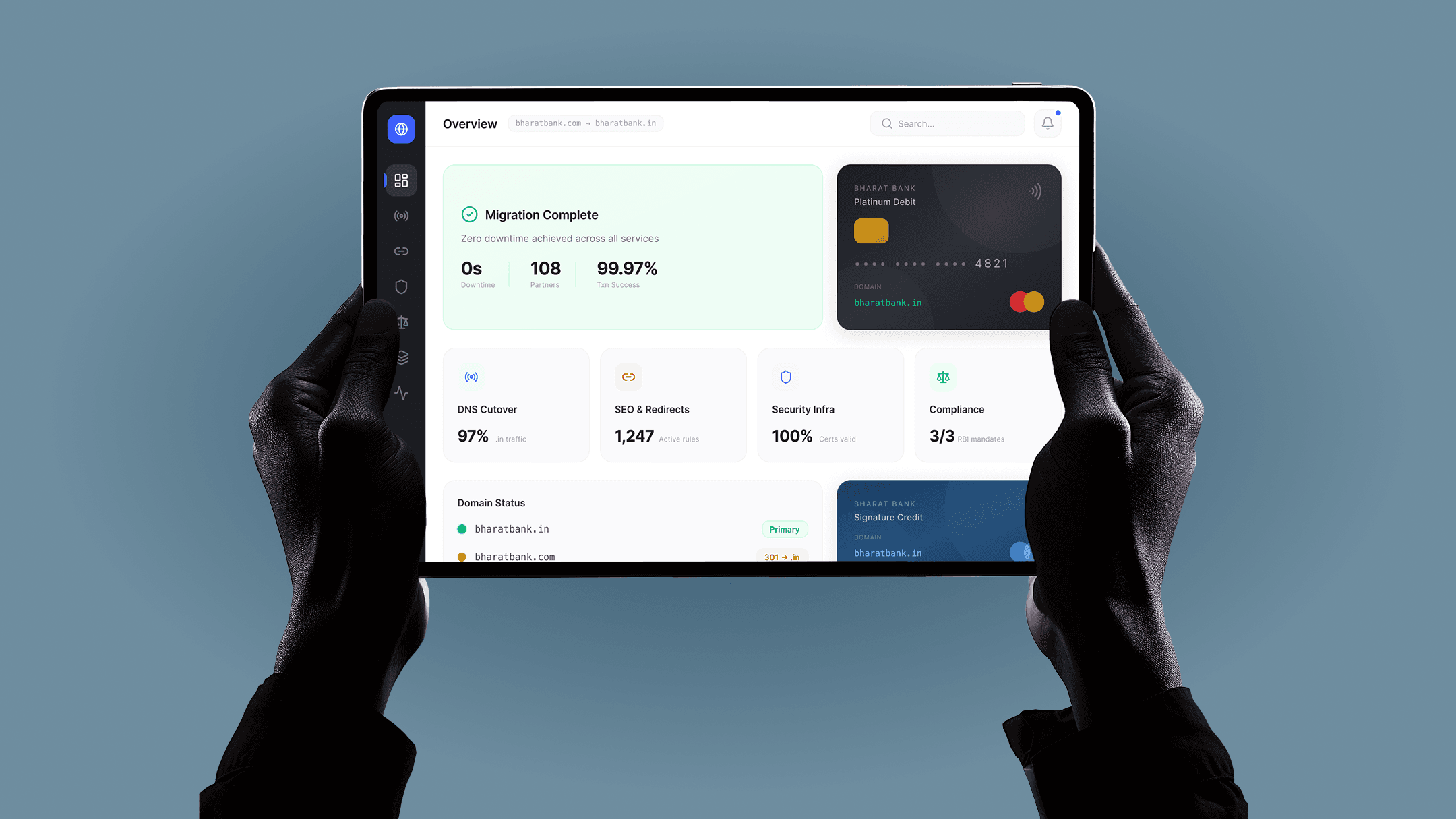

RBI Domain Migration For India’s Largest Private Bank
GeekyAnts executed a large-scale domain migration for Reserve Bank of India compliance, enabling one of India’s largest private banks to transition its digital infrastructure to RBI-mandated domains without disrupting live banking services.
99%
reduction in manual effort
10,000
pages processed in ~2 minutes
85%+
response accuracy




Fintech Admin Engine
We built a centralized, high-concurrency admin platform for this North American fintech to manage cross-border payments. The architecture allows for regional feature toggling and real-time monitoring across multiple countries from a single interface.
120k+
Active Users in UK, Canada, Europe, and Australia
400M+
Global Payments Processed Annually
350k+
Downloads Across iOS and Android
Banking Challenges We Help You Solve
Legacy Core Constraints
High-Risk Migrations
Regulatory Continuity
Complex Integrations
Performance at Scale
Fragmented Journeys
Banking Digital Transformation Services Built for Enterprise Change
Our Journey
- 2019
Enterprise Banking Delivery Begins
Started building and modernizing digital products for large banking institutions. - 2022
10x Higher Throughput via Core Modernization
Modernized legacy SOAP/XML services using Golang, gRPC, and multi-tier caching, reducing response times from 500 ms to 220 ms. - 2024
Banking Platforms Scaled to Millions
Expanded digital banking ecosystems supporting more than 5 million active users. - 2025
RBI-Mandated Migration Delivered Without Disruption
Migrated more than 100 partner integrations while maintaining complete regulatory adherence and zero customer disruption - 2026
Expanding the Next Generation of Digital Banking
Advancing cloud-native core services, AI-assisted banking operations, and greenfield platforms for banks and neobanks.
Our Digital Banking Transformation Services
Core Banking Modernization
Customer Experience and Onboarding
Retail Banking Products
Looking for payment infrastructure?

Regulatory Continuity at Every Stage of Digital Banking Transformation
Audit Trails Maintained
Regulatory Reporting Continuity
Compliance Sign-Off Before Cutover
Data Integrity and Reconciliation
Security Controls Preserved
Third-Party Integration Validation
Tech and Engineering Capabilities For Digital Banking Transformation








Digital Transformation Across BFSI Industry
Ideas Shaping Banking & Digital Transformation Leaders
Building AI-Powered Banking CRM Platforms Without Replacing Core Banking Systems
Banks can modernize CRM with AI without replacing their core banking systems. This guide covers the architecture, use cases, governance, and roadmap to do it.
AI in Fintech: Everyone's Talking, Few are Shipping
This blog covers the key engineering, governance, and compliance principles required to build production-ready AI systems for financial services.
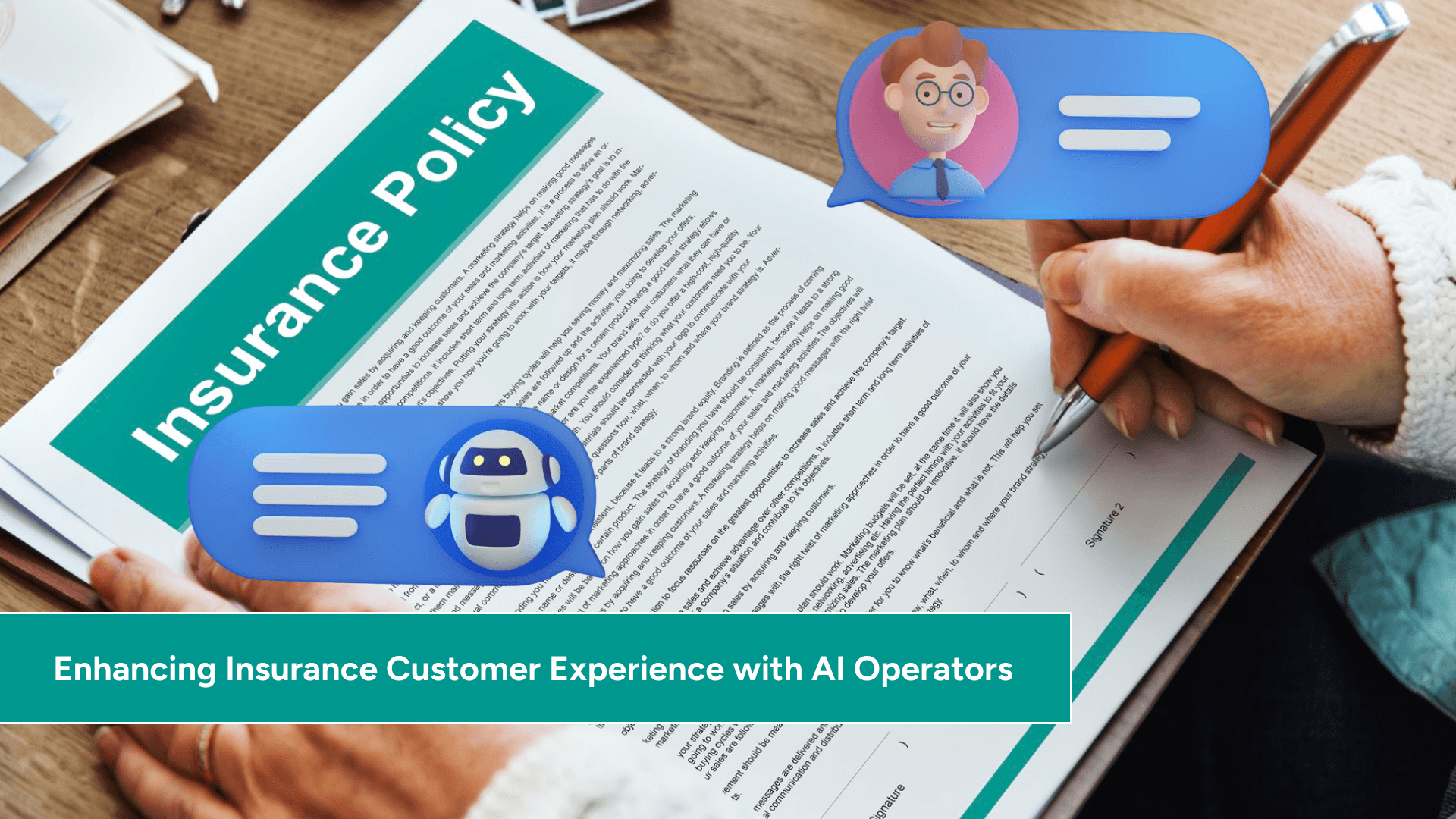
AI Operators in Insurance: Improving Customer Experience Through Intelligent Automation
A practical guide to how AI Operators are changing insurance customer experience, covering real use cases, architecture, and governance. Includes a framework for choosing between build, buy, and partner.
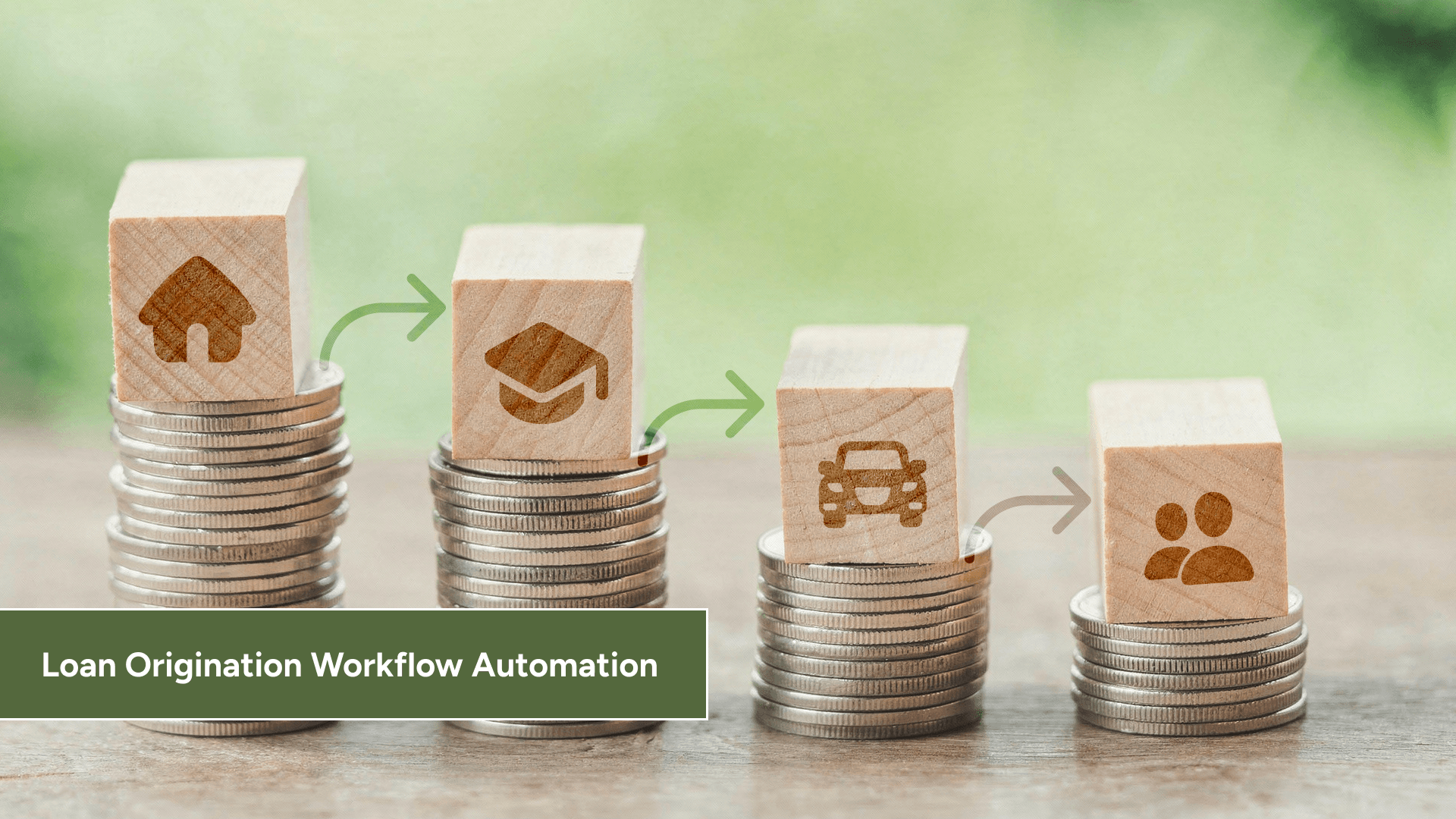
Automating Loan Origination Workflows: From SAR Prep to Fraud Checks
A guide to automating SAR preparation and fraud checks within the loan origination workflow, covering U.S. regulatory requirements and how lenders can adopt automation without disrupting operations.

How AI-Driven Fraud Prevention Reduces Financial Losses and Operational Costs
This blog examines how AI-driven fraud detection reduces financial losses and operational costs, backed by real data from HSBC, the US Treasury, Visa, and Forter.
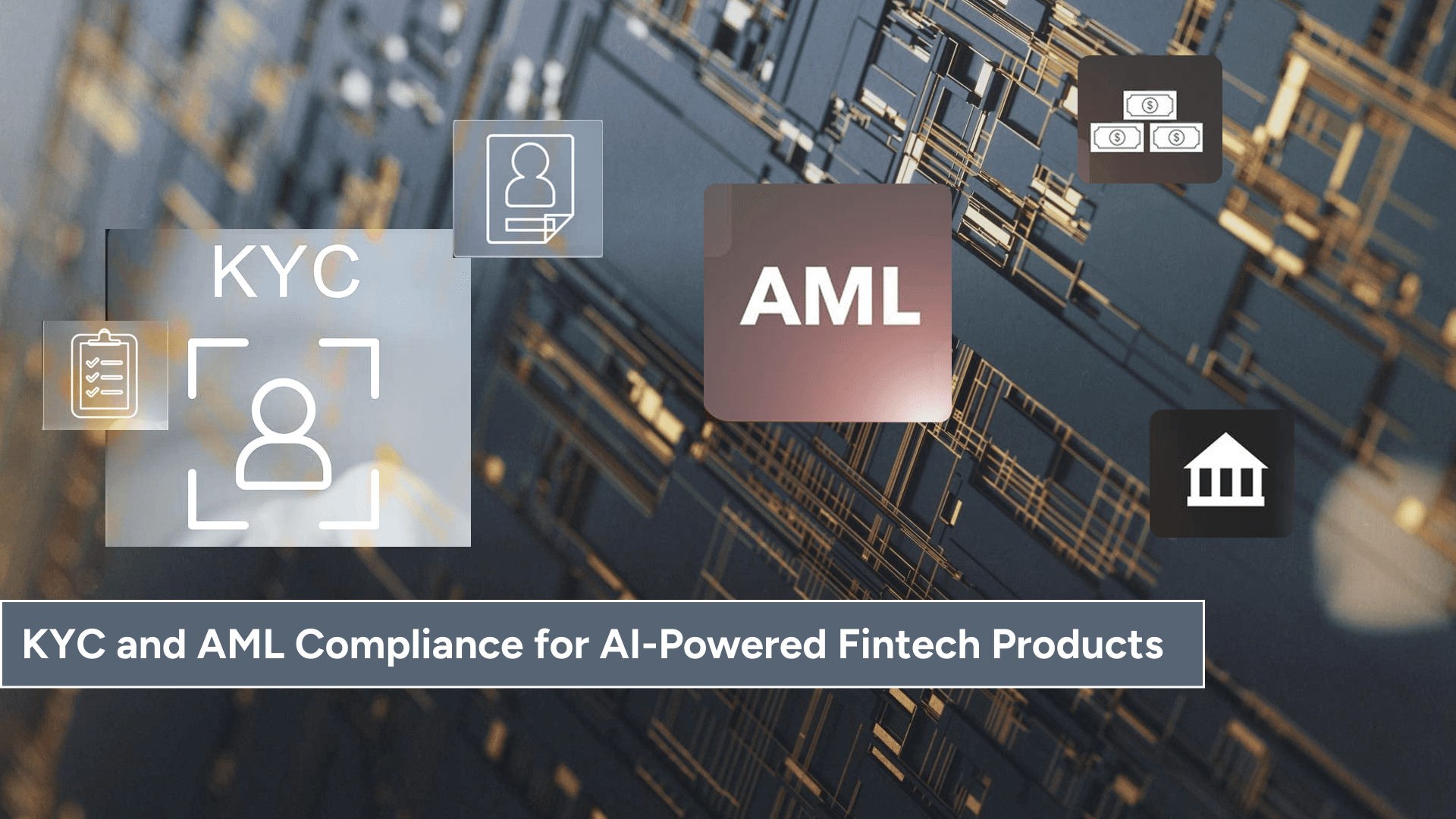
KYC and AML Compliance for AI-Powered Fintech Products: What Teams Must Get Right Before Launch
A practical guide for fintech teams on building KYC and AML compliance into AI-powered products before launch.
