
Sep 8, 2025
Design thinking vs Computational thinking
Design Thinking vs Computational Thinking: Explore how these approaches influence product design, problem framing, and solution strategies.
Author

Book a call
Table of Contents
Design Thinking vs Computational Thinking in Product Design
A dual process model for addressing digital design problems — Drawing on examples from architectural design philosophies
Introduction
Design thinking
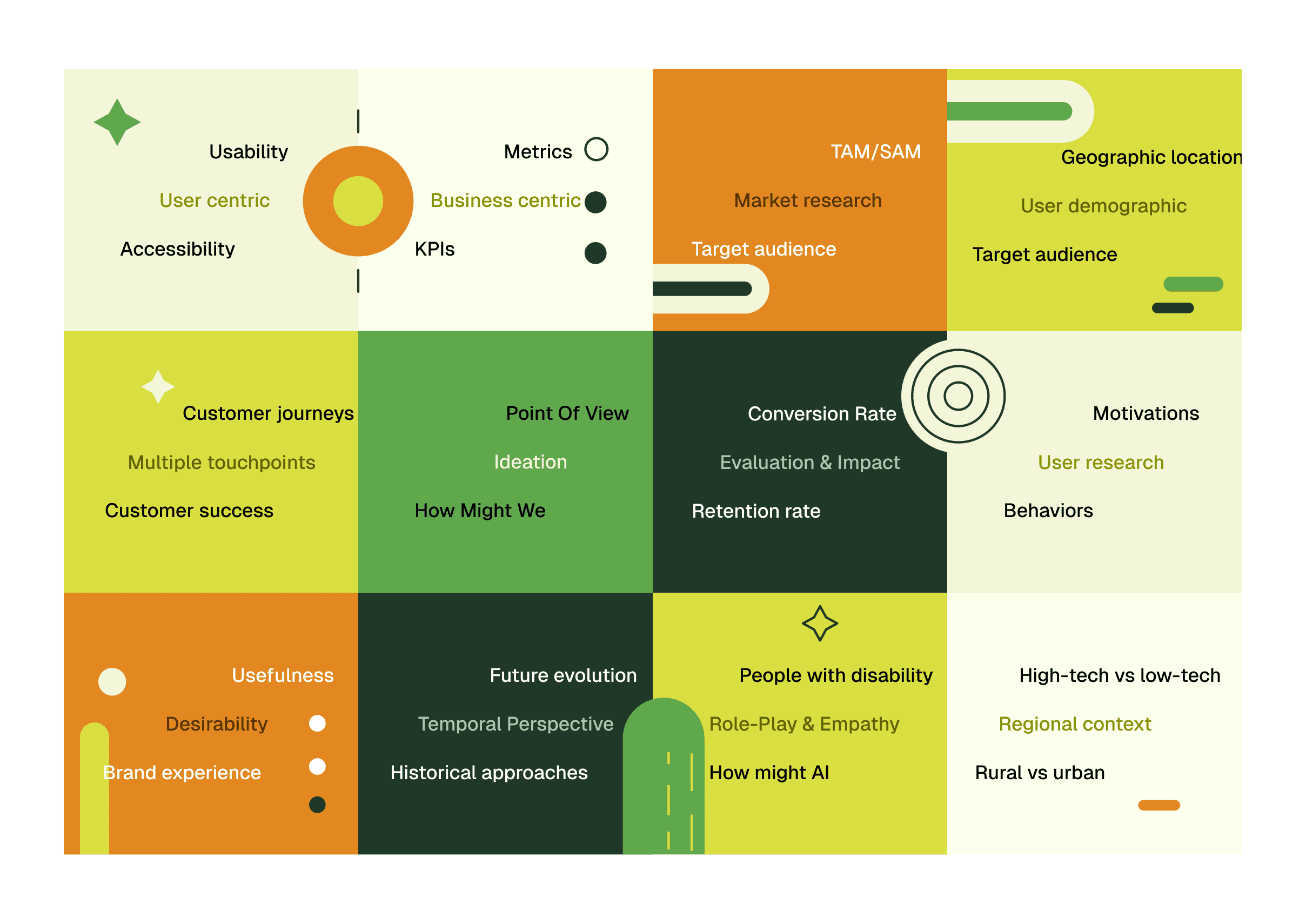
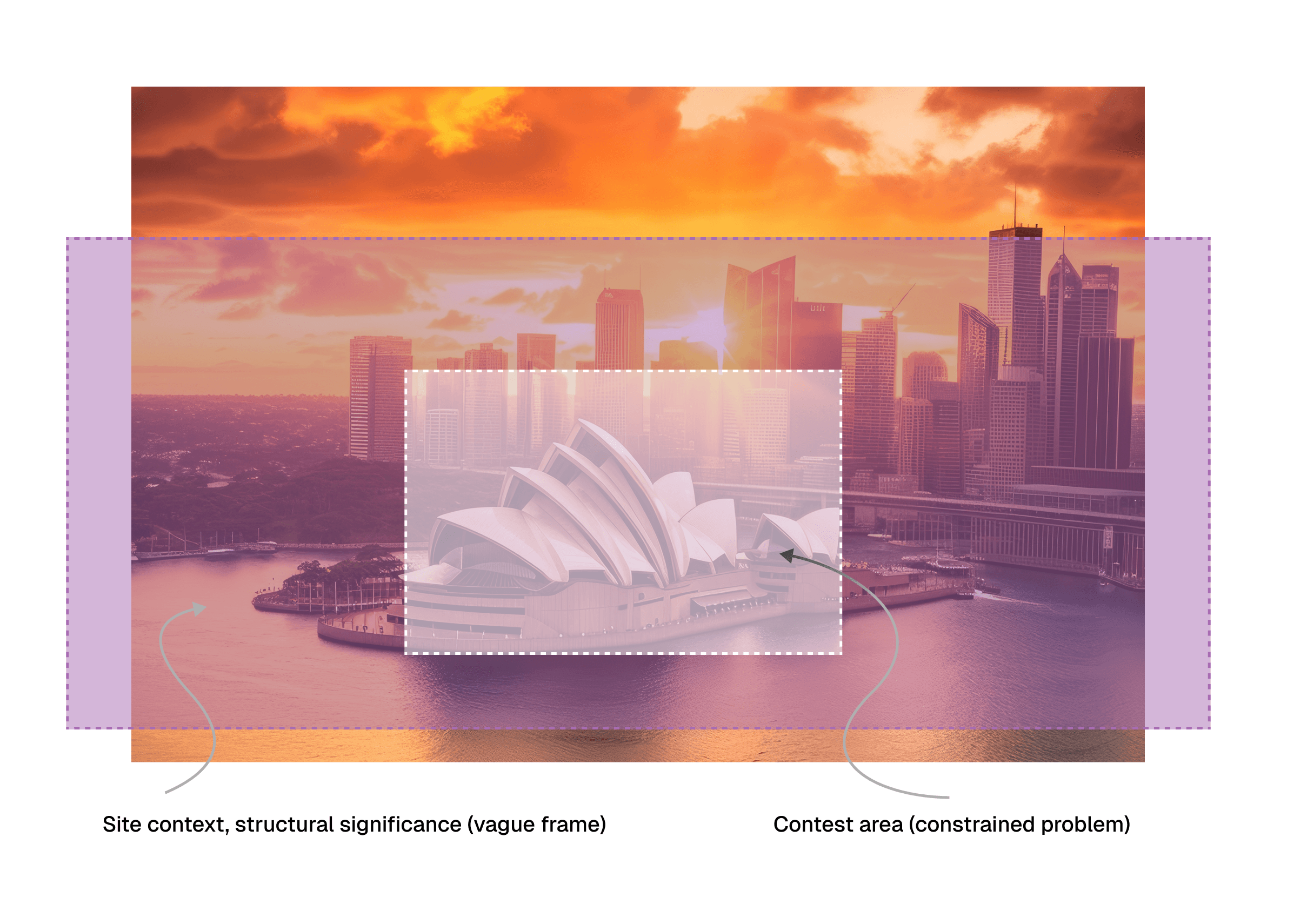
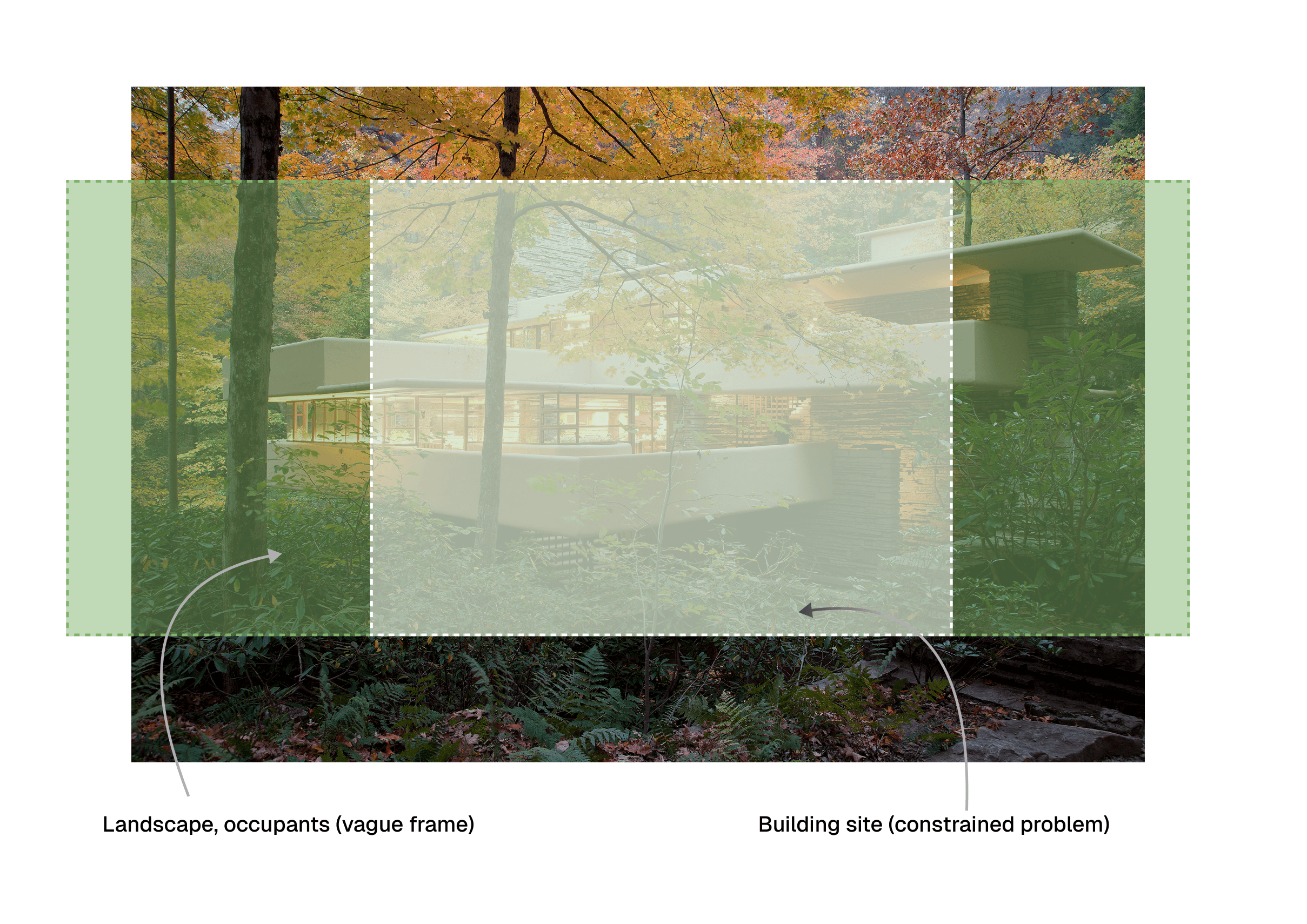
In design school, students learn to think about the user, the situation or location, and research. These tactics indirectly alter the frame in productive ways. The result of the design process is documentation or representation of the solution. Design solutions, importantly, are often specific to their problem. For instance, an architectural design adapts to its particular site and occupants; the same design in another location typically results in suboptimal performance. Similarly in digital products, design solution specificity is prevalent across all design fields.
Computational thinking
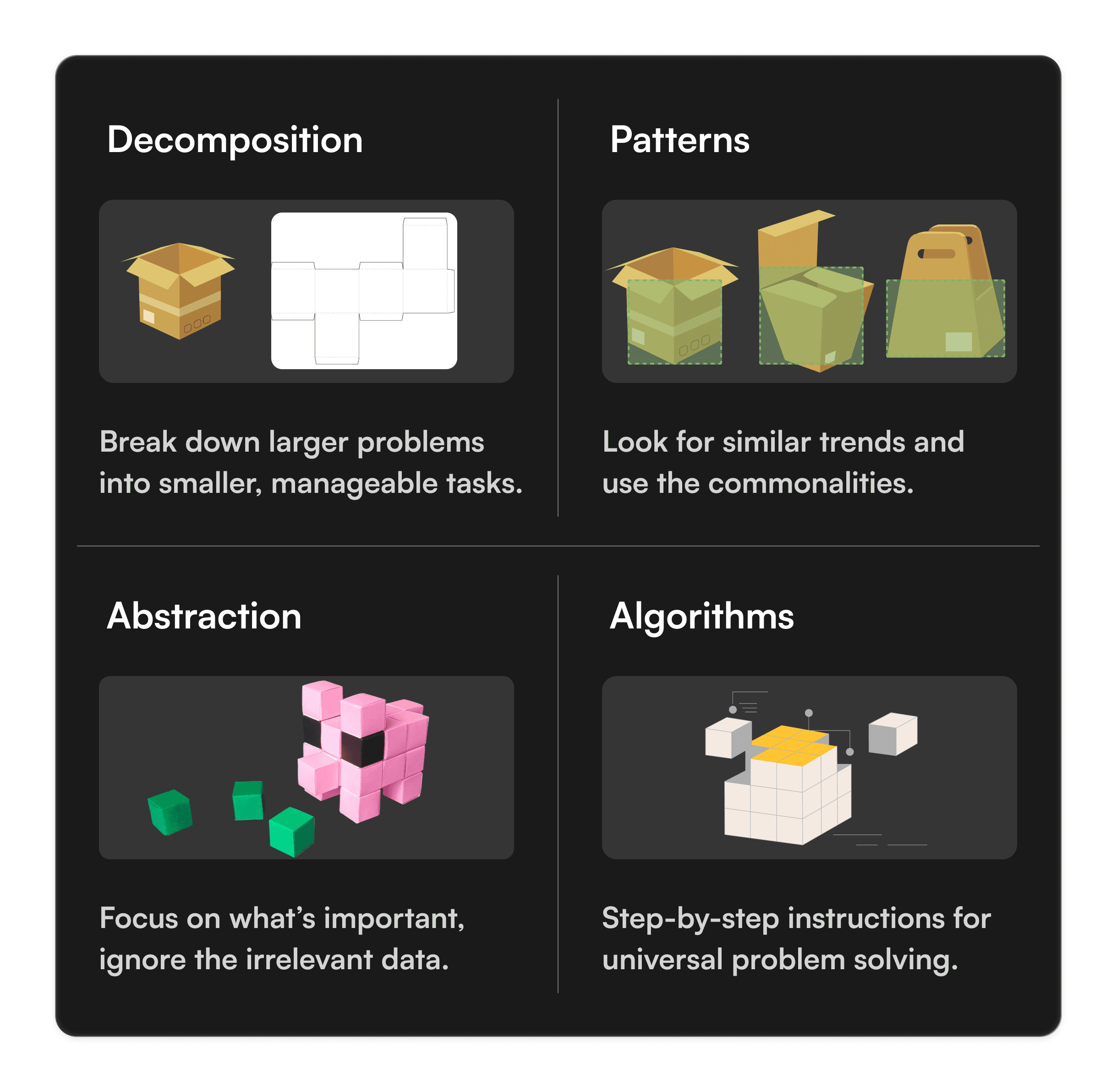
Computational thinking problems are normally well-structured or defined in such a way that there is a need for a well-structured solution (an algorithm). They tend to be repeated problems that happen frequently. Computational thinking involves solving problems in a way that applies to many similar problems, often using computers, so solutions can be reused in other contexts. For example, city navigation is solvable by software such as Google Maps; the same solution applied after solving can be implemented on any city by varying the data, not the algorithm.
Design thinking and computational thinking
4.1. Specificity of solutions
4.2. Specificity of framing
4.3. An ontology for reasoning about problems
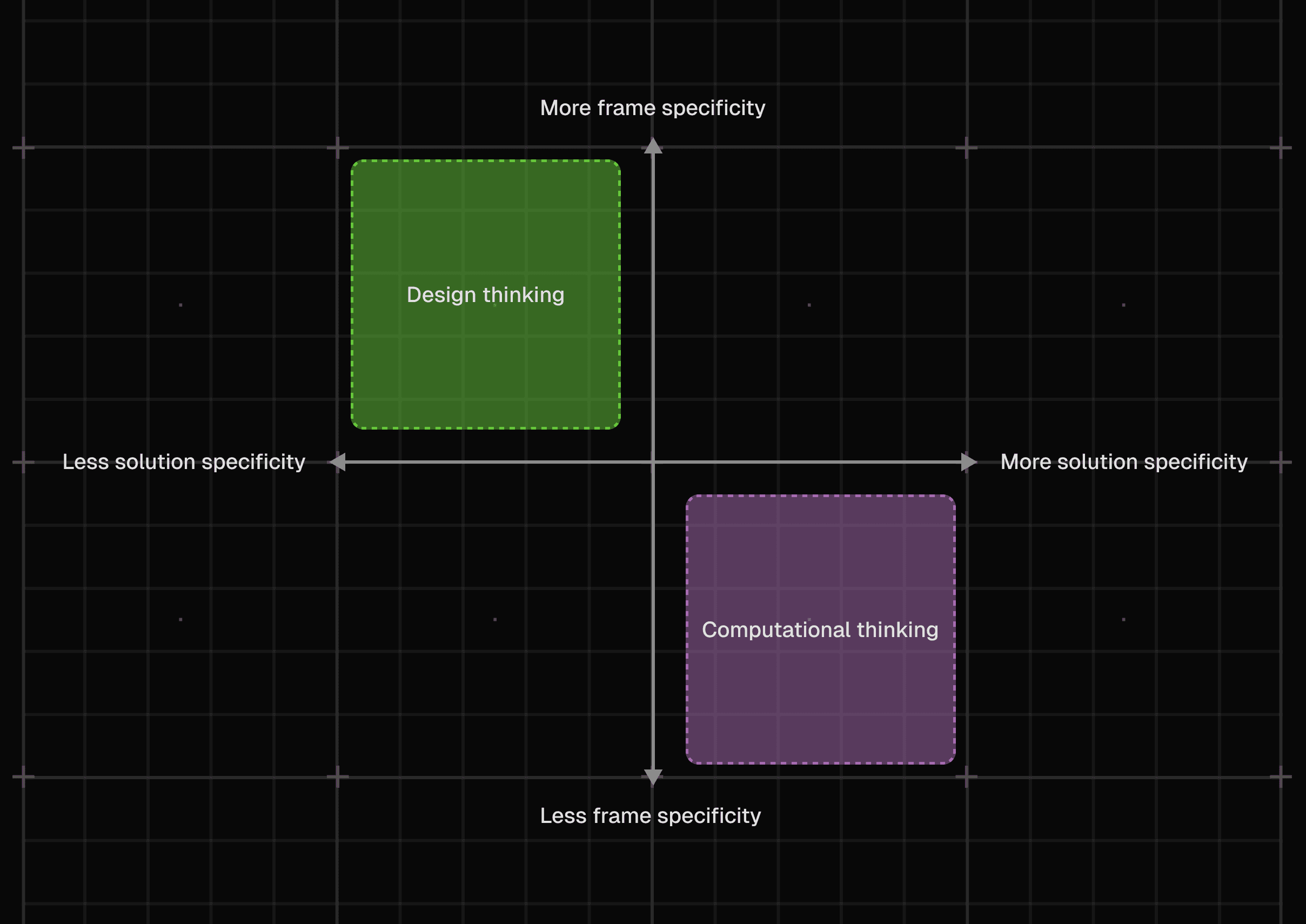
Within the space spanned by these axes, the upper-left quadrant corresponds to the description of design thinking: the thinker is looking for an extremely particular solution while getting an overall sense of the problem and situation. The lower-right quadrant corresponds to computational thinking: the thinker generates general solutions by developing a specific sense of the problem through abstraction.
Discussion and conclusions
Utility of the ontology
Are design patterns design thinking or computational thinking?
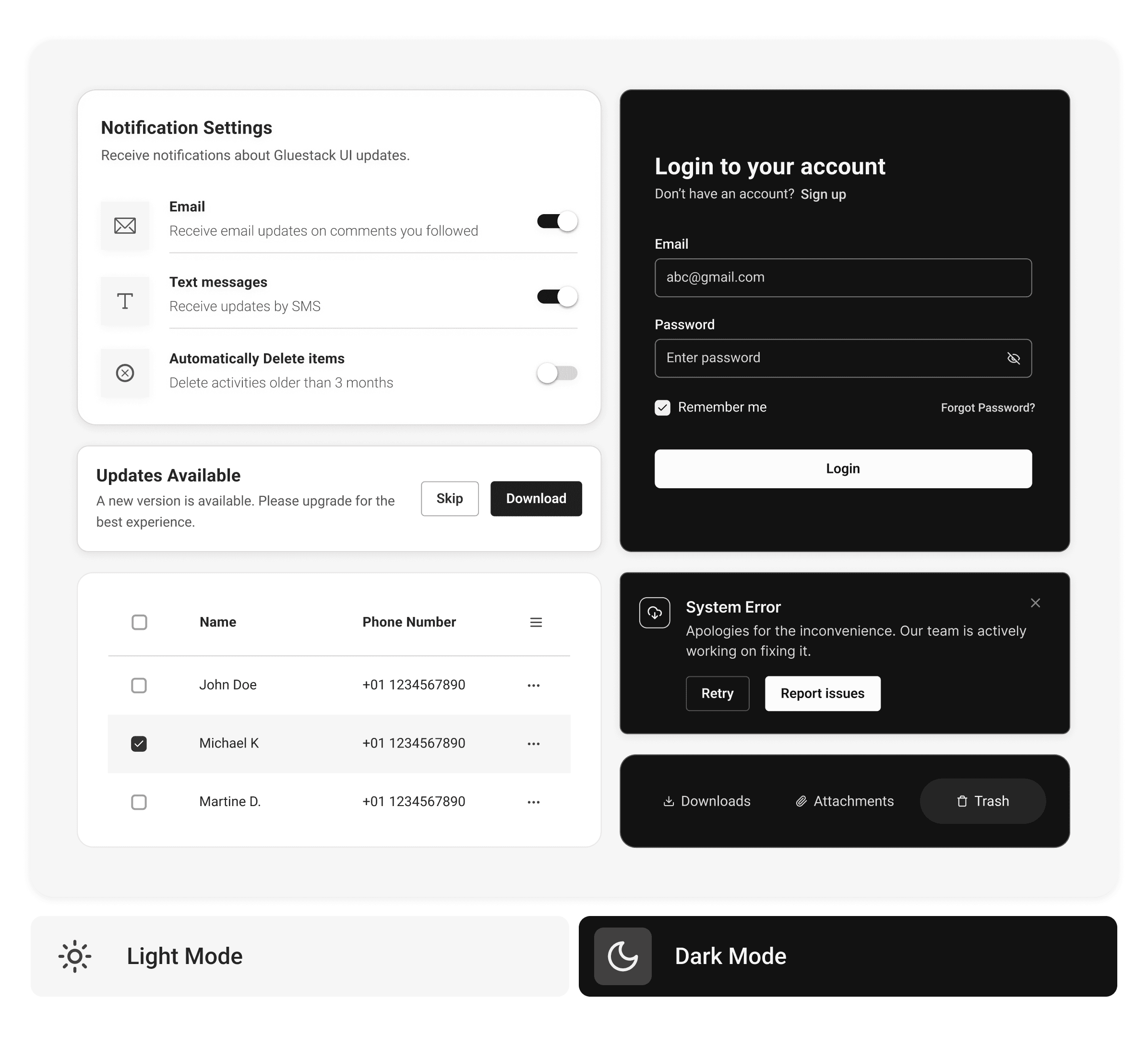
What’s in the top-right and bottom-left quadrants?
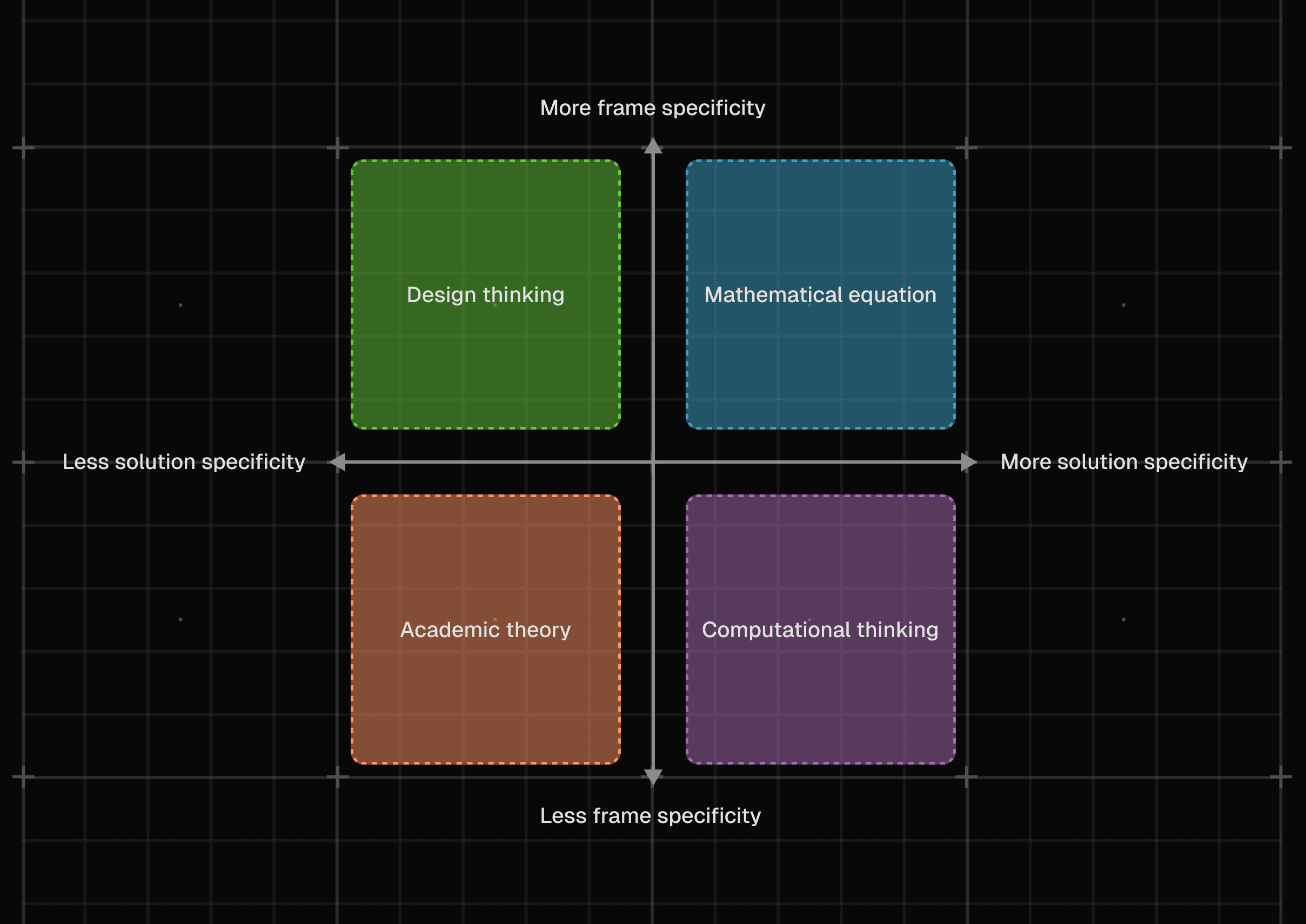
A dual process model of design thinking and computational thinking?
Conclusions
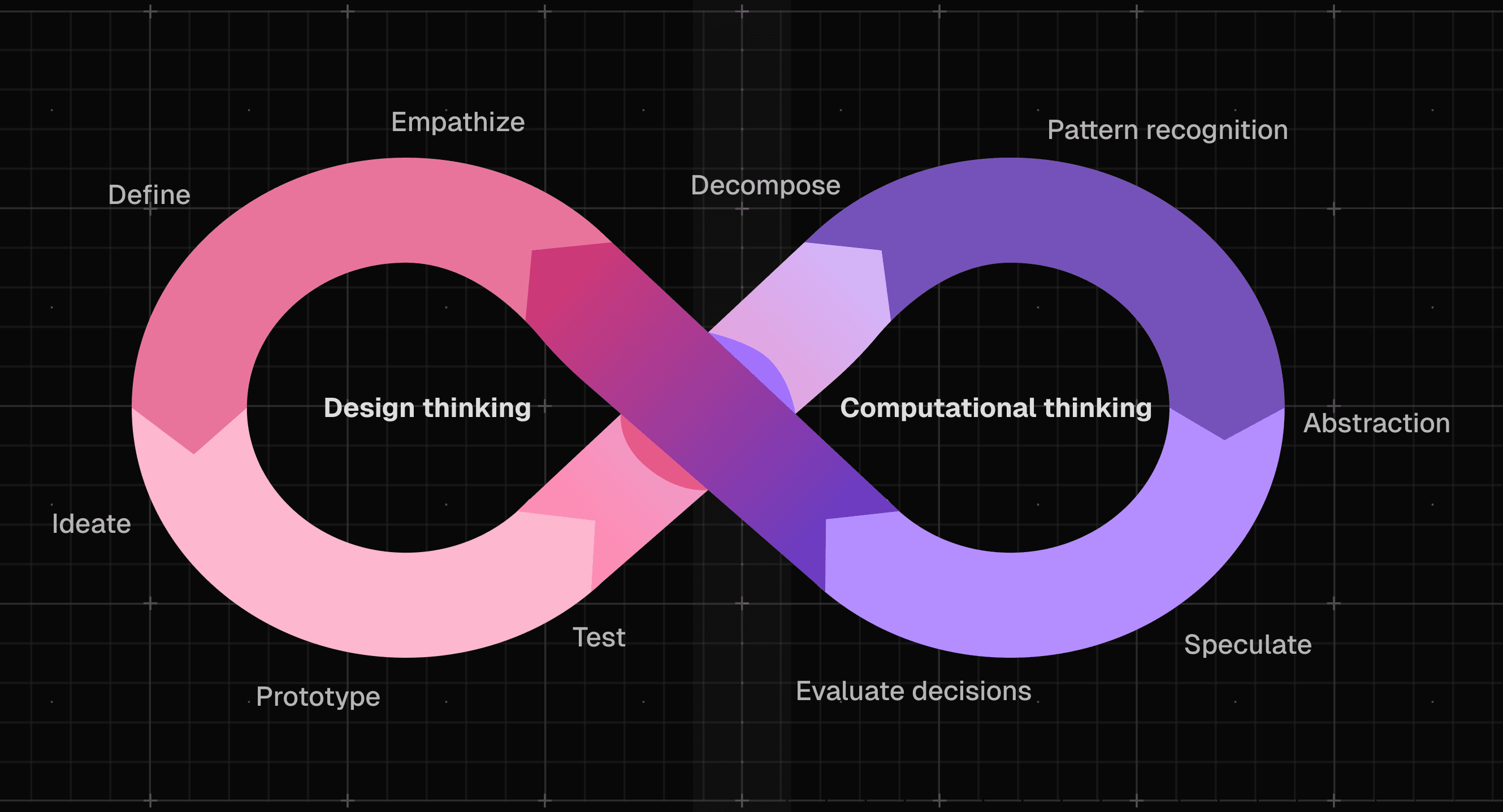
In this article, I have positioned design thinking with respect to computational thinking, adding to the theoretical underpinnings of design thinking. The suggested ontology situates design thinking and computational thinking as areas in a space of methods for solving problems, with axes of specificity of framing and specificity of solutions. We are now posed with new questions regarding how individuals transition smoothly between these forms of thinking. Well, I think that design thinking and computational thinking are not exclusive of each other; instead, they are mirror opposites of solution and framing.
Subscribe to Our Newsletter
Subscribe to RSS
Press & Media Hub RSS FeedRelated Articles.
More from the engineering frontline.
Dive deep into our research and insights on design, development, and the impact of various trends to businesses.
Jul 10, 2026
How We Built the Missing Bridge from Code to Figma

Jun 27, 2026
Building a Resilient Hybrid-Cloud Network with WireGuard HA, Route-Based Failover, and Deep Observability

Jun 19, 2026
We Built a 114-Second AWS-to-Azure Failover. Here’s What We Learned

Jun 12, 2026
Cloud-Native and Cloud-Agnostic Are Not Ideologies; They Are Business-Stage Decisions
Jun 8, 2026
Geeklego: The Open-Source Design System Built to Work With AI

May 18, 2026