
Design Systems & UI Libraries
We create scalable component libraries tailored for mobile platforms that keep your brand consistent, eliminate design debt, and get your products to market faster.
Ready to build a design system that scales with your product?
Inconsistent UI components and fragmented design decisions slow down mobile development and create compounding design debt. Without a shared system, teams duplicate work, diverge in implementation, and struggle to maintain coherence at scale.
A structured design system eliminates that friction. By engineering token-based foundations, reusable component libraries, and Figma-integrated workflows, we give teams a single source of truth, one that scales across products, platforms, and teams without breaking.
Client Results and Success

Built for high concurrency and real-time interactions
The architecture supports scalable user growth with efficient data synchronization across devices.
- Feature parity
- 100%
- Member Specialized Team in funnel visibility
- 15
- Seamless Onboarding Flows
- 3
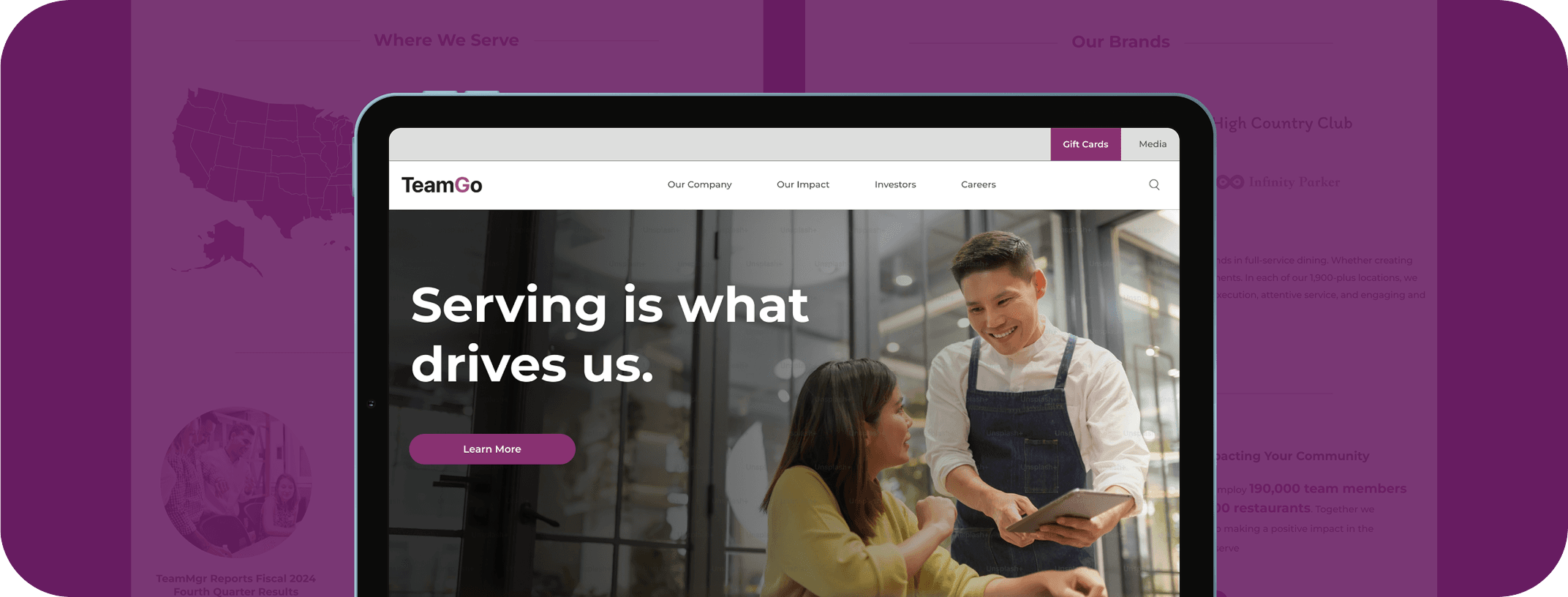
Enhanced security across platforms
The integration simplifies authentication while maintaining enterprise-grade security.
- Development Hours Saved
- 70%
- Boost in Security
- 80%
- Reduction in Compliance Risks
- 60%
Improved user engagement through mobile-first design
The platform streamlines content access and scheduling for a smoother user experience.
- Social Media subscribers
- 400k
- App Downloads in Initial Launch
- 1k+
Real-time fleet tracking and operational control
The solution delivers live location tracking, data visualization, and efficient fleet management through mobile-first interfaces.
- Development Hours Saved
- 70%
- week development timeline
- 6
- reduction in SMS costs
- 80%
Our Capabilities in Design Systems & UI Libraries
Structured, scalable design systems engineered for mobile platforms, from component architecture to full Figma integration.
Custom UI Libraries
Purpose-built component libraries designed for reuse, consistency, and long-term maintainability across mobile products.
Theming
Theme systems engineered to support multiple visual modes without duplicating components or breaking design integrity.
Token-Based Design
Design tokens that create a single source of truth for color, typography, and spacing — bridging the gap between design and code.
Integration with Figma Workflows
Component libraries synced with Figma to ensure design-to-development handoff is accurate, efficient, and conflict-free.
<2s
TIME TO INTERACT
60FPS
STABLE UI PERFORMANCE
99.9%
CRASH-FREE SESSIONS
2x
Faster Interaction Response
99.9%
Uptime & Reliability
Strategic Advantages of Design Systems & UI Libraries
A well-engineered design system is not just a UI toolkit; it is a long-term investment in product quality, team efficiency, and development speed.
Visual Consistency
A unified component library ensures every screen adheres to the same design language across teams, releases, and platforms.
Faster Development Cycles
Pre-built, reusable components reduce build time and eliminate redundant work across every sprint.
Easier Scaling Across Teams
A shared system gives distributed teams a common foundation — reducing conflicts and accelerating onboarding.
Reduced Design Debt
Structured tokens and components prevent the accumulation of inconsistencies that slow down long-term product growth.
A Structured Process That Takes Your Design System From Foundation to Full Team Adoption
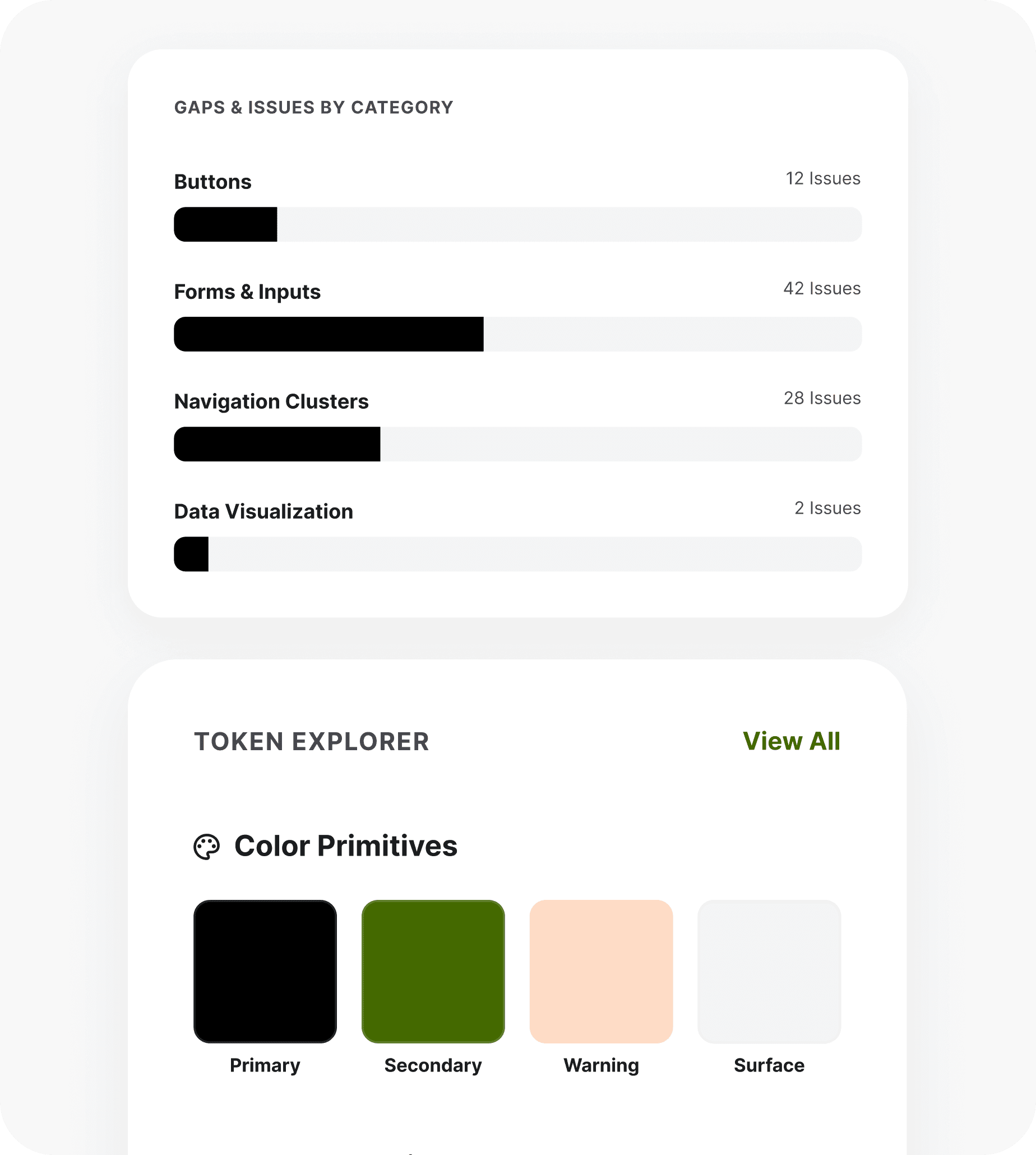
An evaluation of existing UI patterns, inconsistencies, and gaps followed by the establishment of a token-based design foundation.
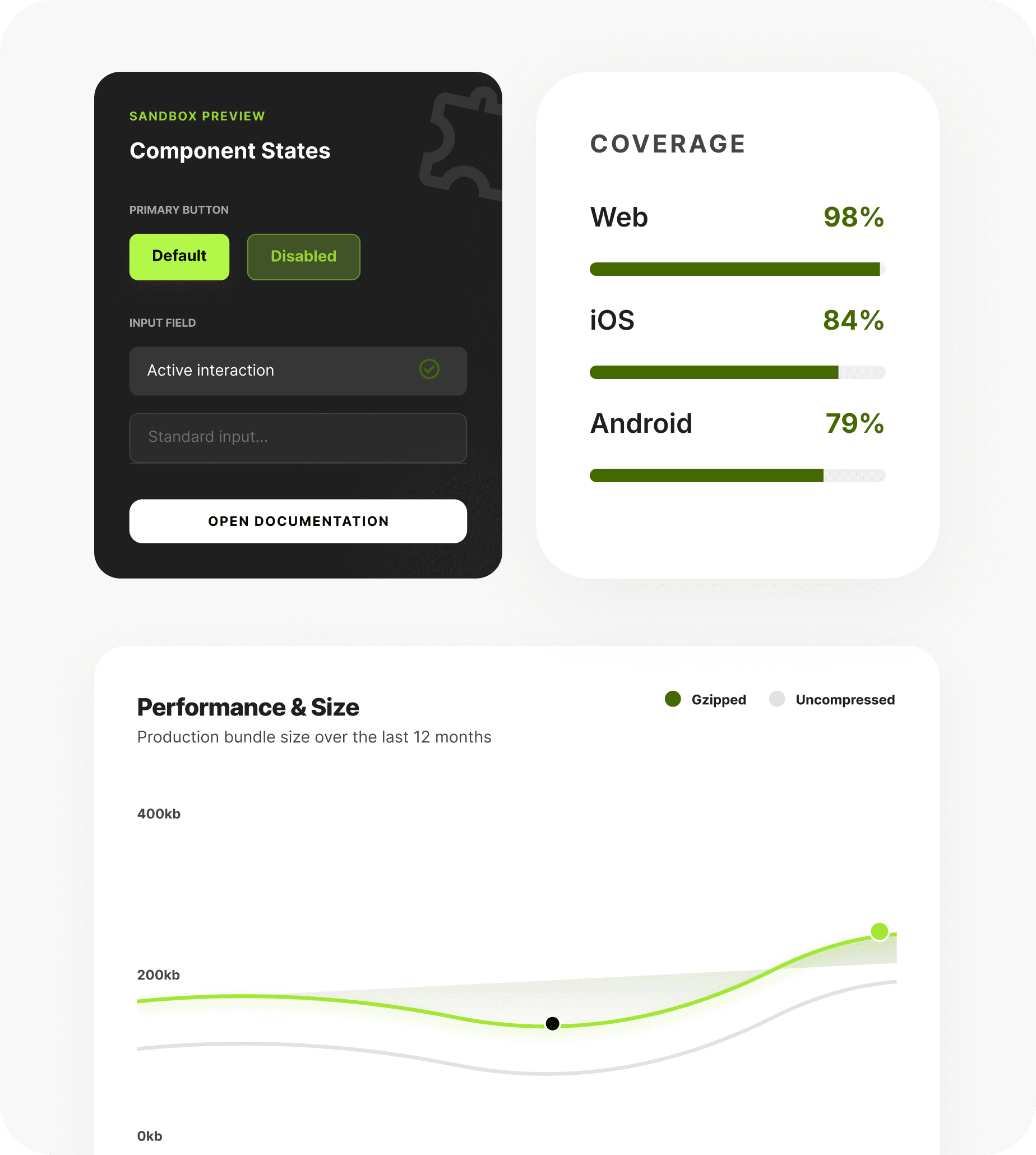
Reusable, platform-optimized components built to a defined specification, ensuring consistency across every screen and team.
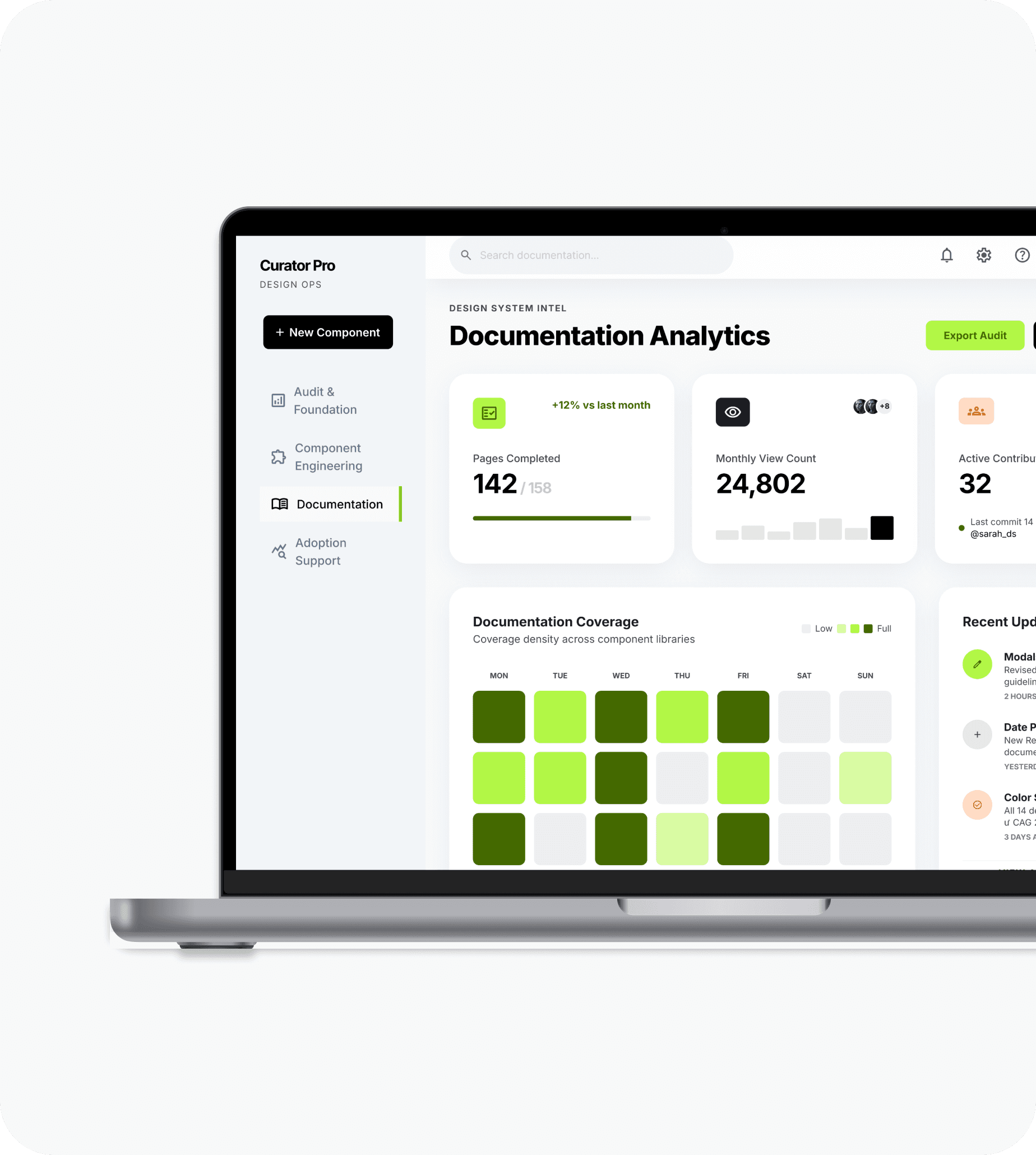
Clear, structured documentation that gives designers and developers a single reference point for every component and decision.
Hands-on guidance to integrate the design system into existing workflows, reducing friction and accelerating team-wide adoption.
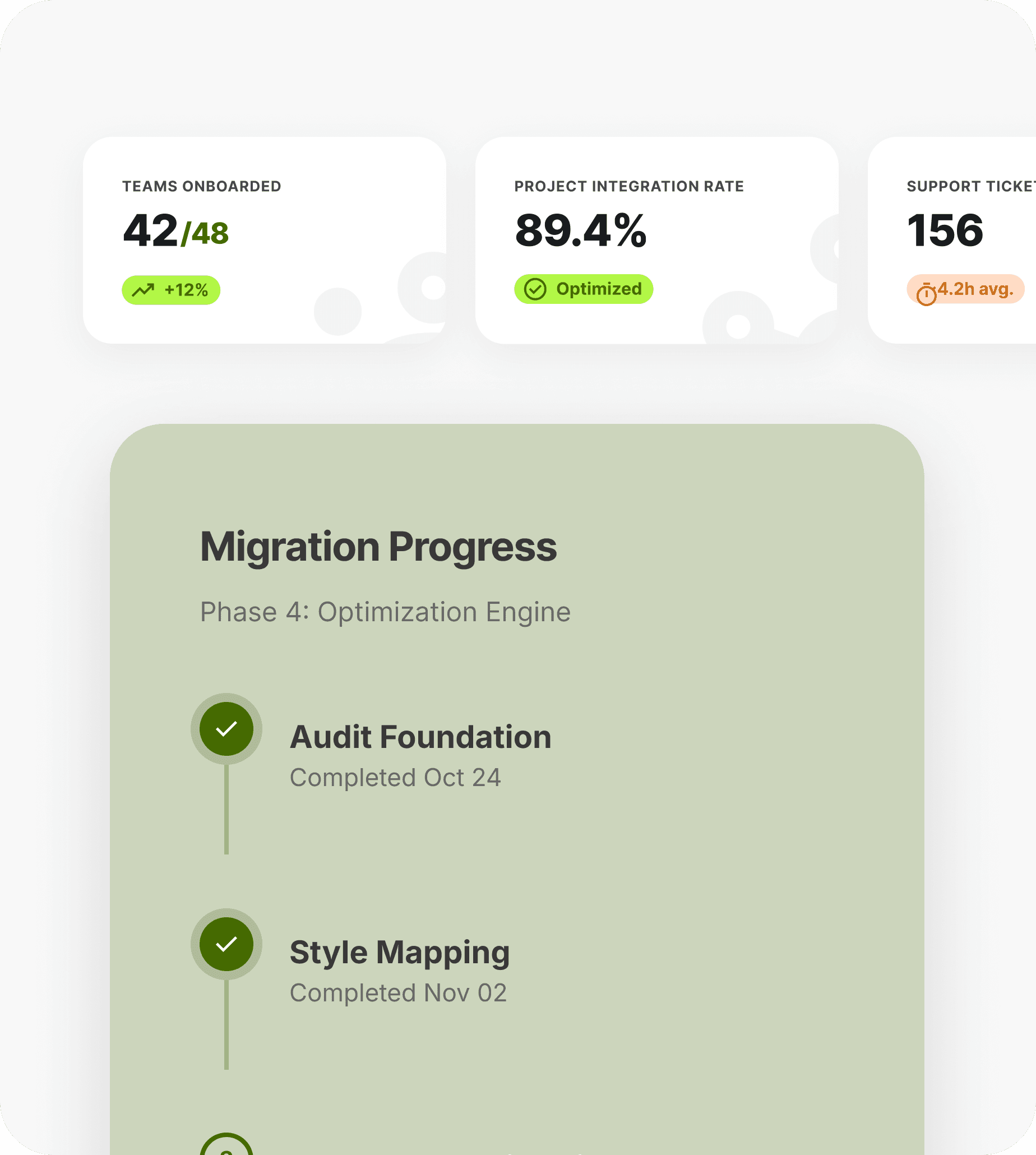
Comprehensive solutions for Mobile Engineering
Technology Stack for Design Systems & UI Libraries
The right tools for a design system depend on the product, its platform targets, component complexity, and the scale at which teams need to operate. Every technology decision is made to support consistency, maintainability, and long-term design integrity.
- Next js

- react native

- Vue.js

- angular
- typescript

- tailwind css

- Shadcn UI

- gluestack

- node js

- vercel
- aws

Design Systems & UI Libraries Built for Every Industry
Every product operates at a different scale, serves a different audience, and demands a different visual foundation. We build design systems and UI libraries for:


FAQs on Design Systems & UI Libraries
A design system is a structured library of reusable components, design tokens, and guidelines that govern the visual and functional consistency of a product. Without one, teams duplicate work, accumulate design debt, and ship inconsistent UI across releases. For mobile products, a design system reduces development time and ensures every screen aligns with the same visual language. It is a long-term investment in product quality and team efficiency.
The timeline depends on the scale of the product, the number of components required, and the complexity of the theming system. A foundational UI library typically takes 6 to 12 weeks, covering token setup, core components, and documentation. Larger systems with multi-brand theming or cross-platform requirements may take longer. Every engagement begins with an audit to scope the work accurately.
A UI component library is a collection of reusable interface elements, buttons, inputs, cards, and navigation patterns. A design system is broader: it includes the component library, design tokens, typography rules, spacing guidelines, and documentation. For mobile development, a complete design system ensures that design decisions and code stay in sync across every team and release. One without the other creates gaps that compound over time.
Design tokens are named variables that store values for color, typography, spacing, and elevation, replacing hardcoded values in code. When a token is updated, the change propagates across every component that references it, ensuring system-wide consistency with minimal effort. For products that support dark and light modes or multiple brand themes, tokens are the single source of truth. They also close the gap between design tools like Figma and the production codebase.
Yes. The process begins with an audit of existing UI patterns, inconsistencies, and technical debt. From there, a token-based foundation is established and components are migrated incrementally, minimizing disruption to active development. Adoption support ensures that both design and engineering teams transition to the new system without friction. A phased approach allows the product to improve in quality and consistency with each release
