











Offline-First Mobile App Architecture
We build mobile experiences that never hit a loading wall. Instead of relying on a constant internet connection, we prioritize the device's internal storage to ensure the app remains fully functional whether the user is in a dead zone or on a high-speed network.
Your App Should Never Stop Working
Most apps treat offline support as an afterthought, added late in development and limited to basic caching. This results in data loss, sync conflicts, and broken user flows the moment connectivity drops. Users lose trust in apps that fail them in critical moments.
We flip this approach by designing for disconnection from the start. Every data interaction is built around local-first operations, with sync logic that handles conflicts without data loss. The network becomes a transport layer, not a dependency.
Client Results and Success

Built for high concurrency and real-time interactions
The architecture supports scalable user growth with efficient data synchronization across devices.
- Feature parity
- 100%
- Member Specialized Team in funnel visibility
- 15
- Seamless Onboarding Flows
- 3
Enhanced security across platforms
The integration simplifies authentication while maintaining enterprise-grade security.
- Development Hours Saved
- 70%
- Boost in Security
- 80%
- Reduction in Compliance Risks
- 60%
Improved user engagement through mobile-first design
The platform streamlines content access and scheduling for a smoother user experience.
- Social Media subscribers
- 400k
- App Downloads in Initial Launch
- 1k+
Real-time fleet tracking and operational control
The solution delivers live location tracking, data visualization, and efficient fleet management through mobile-first interfaces.
- Development Hours Saved
- 70%
- week development timeline
- 6
- reduction in SMS costs
- 80%
Our Capabilities in Offline-First Mobile App Architecture
We design every layer of the app to thrive without a connection. This foundation of local persistence and smart sync logic ensures the experience remains stable under any network condition.
Local Persistence (SQLite, MMKV)
Data is stored on-device, keeping the app functional without any network dependency.
Optimistic UI Updates
The interface responds to user actions without waiting for server confirmation, eliminating perceived latency.
Conflict Resolution and Reconciliation
When data changes occur across offline sessions, the system detects and resolves conflicts without data loss.
Network-Aware State Management
The app monitors connectivity and adjusts its behavior accordingly, ensuring consistent performance in any network condition.
60FPS
STABLE UI PERFORMANCE
99.9%
CRASH-FREE SESSIONS
2x
Faster Interaction Response
99.9%
Uptime & Reliability
Strategic Advantages of Offline-First Mobile App Architecture
We ensure your app delivers a consistent experience regardless of network conditions and syncs without conflict when connectivity returns.
Uninterrupted User Flows
Users complete actions without disruption, even when the network drops mid-session.
Reliable Data Synchronization
Data syncs accurately once connectivity returns, with no loss or duplication across sessions.
Improved User Retention
Apps that work in low-connectivity conditions hold user trust and reduce drop-off.
Better Performance on Slow Networks
Local-first operations reduce dependency on network response times, keeping the app fast and responsive.
A Deliberate Process, from Data Layer to Edge Case Handling.
We define the data structure and relationships that support local-first operations from the ground up.
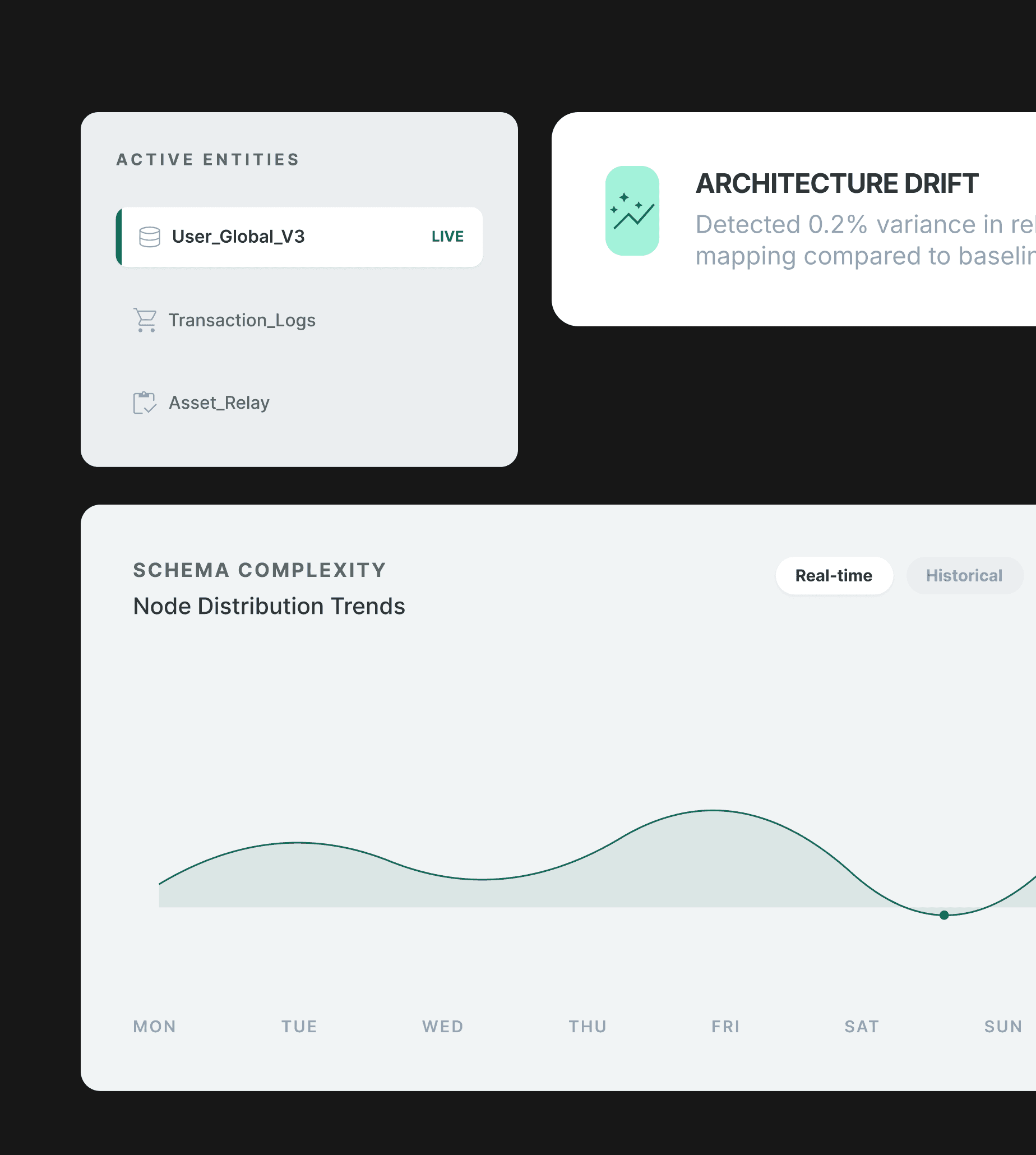
We design the rules that govern how data moves between the device and server, handling conflicts before they occur.
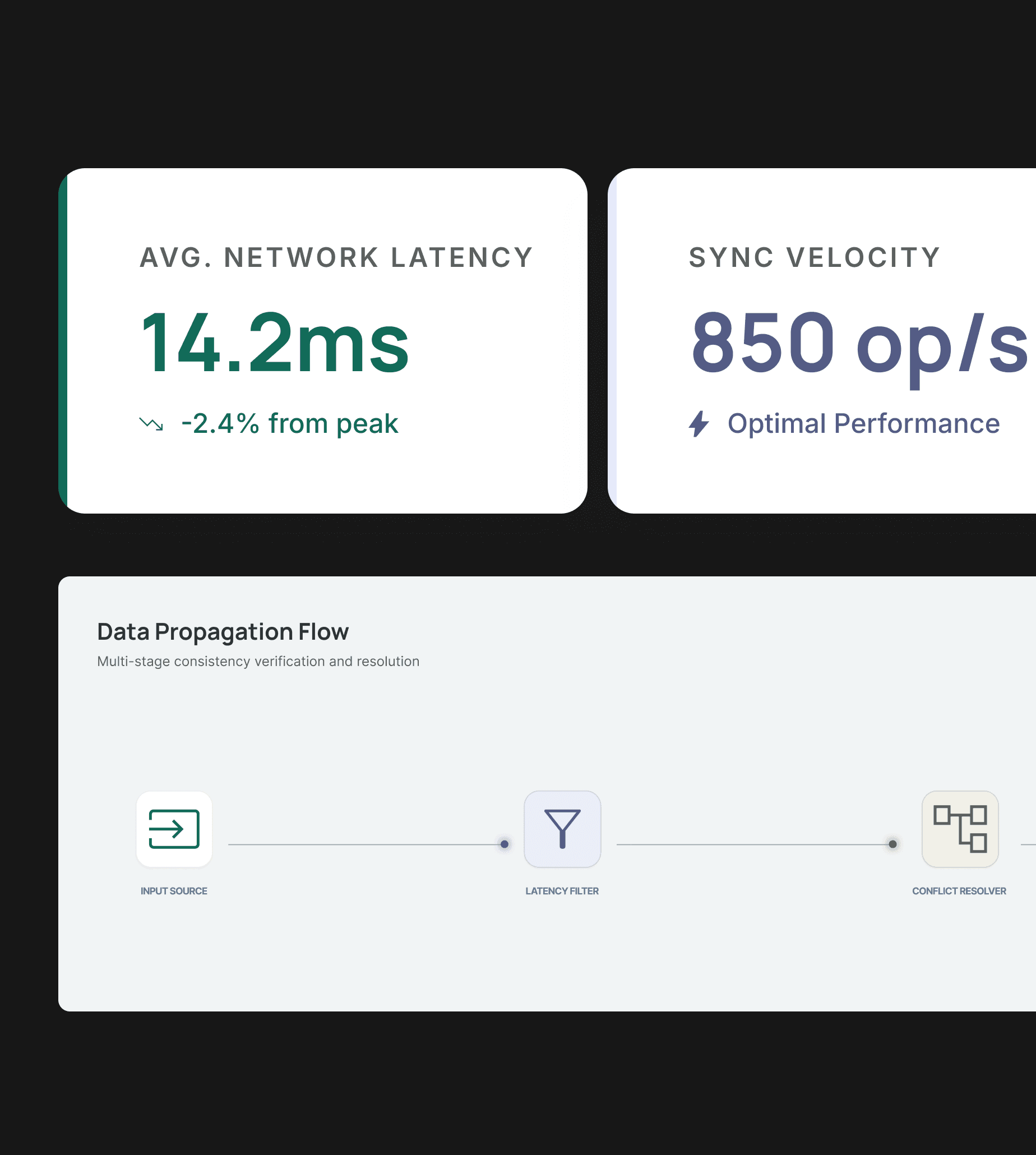
We ensure the interface responds to connectivity changes without disrupting the user experience.
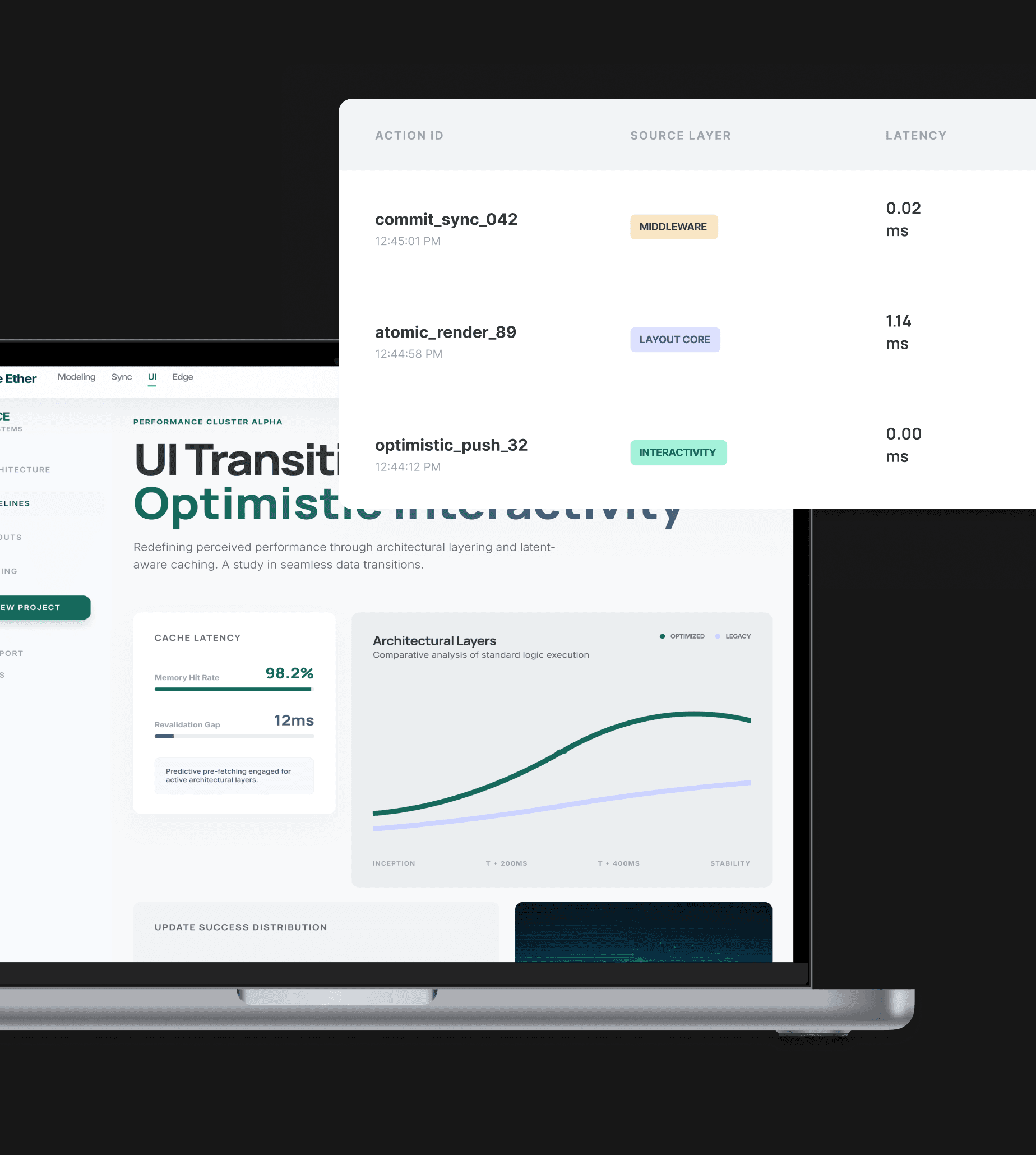
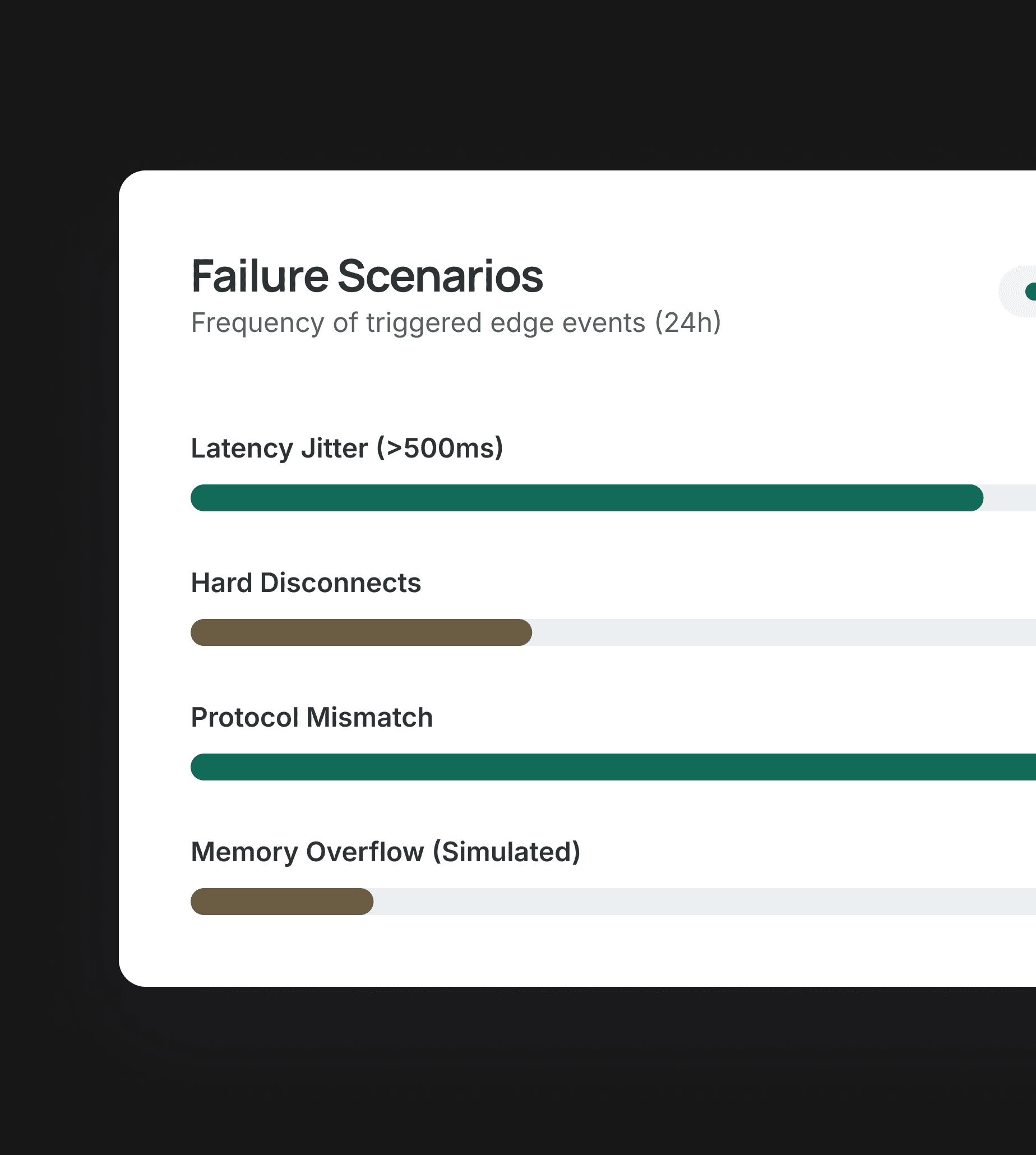
We test for the failure scenarios that most teams overlook: intermittent connectivity, mid-sync interruptions, and data conflicts.
Comprehensive Solutions for Mobile Engineering
Technology Stack for Offline-First Mobile App Architecture
We select the optimal tools based on your product’s unique data complexity and scaling needs. Every component is chosen to ensure a seamless, offline-first experience across all platforms.
Offline-First Architecture Built for Every Industry
Every industry faces different connectivity constraints, data sensitivity, and sync requirements. We design offline-first mobile architectures for:
Our Latest Thinking in Mobile Engineering



FAQs on Offline-First Mobile App Architecture
Performance in mobile apps is not a feature; it is a result of deliberate architectural decisions made at every layer. We conduct JS/UI thread analysis to identify and resolve the bottlenecks that cause frame drops and sluggish interactions. Automated performance testing is run across devices and network conditions to surface issues before they reach production. Advanced caching strategies reduce dependency on network response times, keeping the app fast under any condition. The result is a consistent 60 FPS experience that holds up as the product scales.
Offline-first architecture is not an add-on; it is a design philosophy that shapes every decision in the data layer. We build mobile systems where local persistence, intelligent caching, and conflict resolution are core to the architecture, not bolted on after the fact. The app is designed to function without a network connection, with sync logic that handles data conflicts without loss or duplication. Every failure mode, including intermittent connectivity, mid-sync interruptions, and prolonged offline sessions, is accounted for and tested. The outcome is an app that users can trust, regardless of where they are or what network they are on.
Data conflicts are inevitable when users interact with an app across multiple devices or extended offline sessions. We design conflict resolution logic that is built into the architecture from the start, not handled as an edge case. Every data change is tracked with the context needed to resolve conflicts without loss or duplication when sync occurs. The resolution strategy is defined around the product's specific data model and user behavior, not a generic approach applied across the board. The result is a sync process that is predictable, reliable, and transparent to the end user.