Key Takeaways:
- Small to mid-sized financial institutions face heightened exposure to fraud
- The rise of AI-powered tools has significantly accelerated the scale and sophistication of fraud
- SIM binding is emerging as a critical layer in modern authentication frameworks
Fraud Detection is one of the most critical considerations for us while measuring the financial institutions’ competence. They are dealing with thousands, if not lakhs, of complaints related to impersonations and deceptions. According to Allure’s SPOOF ’25 Brand Impersonation Threat Reports, the bank's impersonation attacks have skyrocketed and increased by 457% year-over-year in 2025. So, let's unwrap the evolving threat landscape and discuss the actionable defence strategies.
Why Fraudsters Love Targeting Your Customers, Not You!

The institutions having $1B to $5B Assets Under Management (AUM) are more tempting for scammers. This could be due to the following reasons.
- Resource or Knowledge Gap
- Smaller Team loaded with a lot of responsibilities and wearing different hats
- Outdated Tech Stack or inability to upgrade to Industry Standards quickly
Here again, the fraudsters have become smart, and they tend to target the customers of these institutions rather than going behind them directly. This could be due to factors such as the average age of customers and their awareness level, among others.
Role of AI in fraud and fraud detection:
As we know, all institutions across the world are trying their best to use AI in fraud prevention. The bad news is that the scammers, too, have upgraded and started using it to concoct near-perfect phishing kits. Not only this, they have reduced their turnaround time significantly and scaled up their target to a higher level. On top of it, they are creating exact voice-overs, imitating email, and believable impostors using Deepfake to steal the identity.
The creativity of scamsters has overwhelmed the institutions, with no choice but to move fast and implement the fraud prevention measures, as fraud detection would not serve the purpose for long-term sustainability.
SIM binding & Device binding at the helm to check identity theft
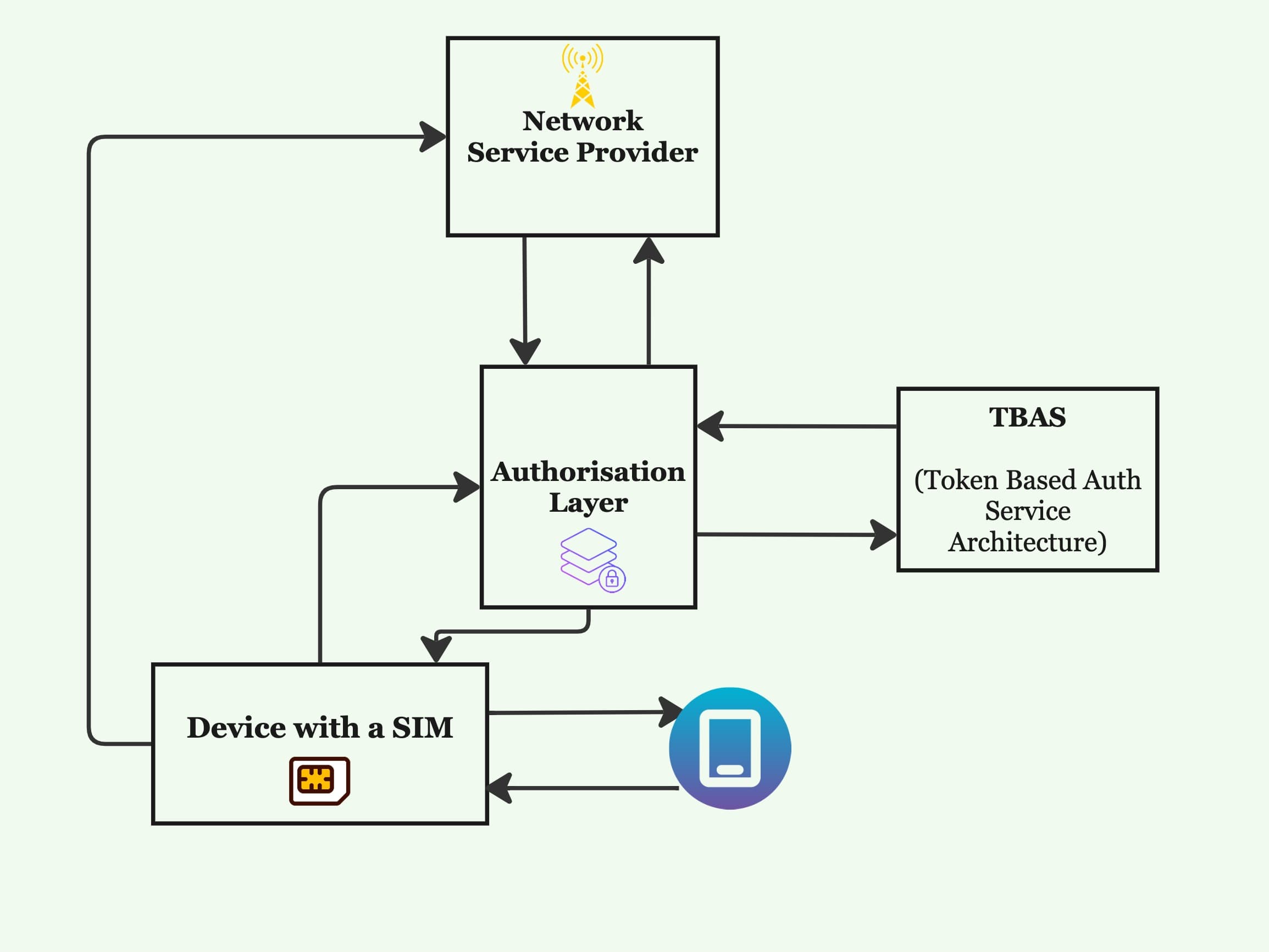
SIM binding refers to a form of device binding in which a user's mobile device is securely linked to their SIM card. This approach enhances security by ensuring that authentication processes are tied not just to the device but specifically to the unique identity of the SIM card, reducing the risk of unauthorised access.

Device binding is a security method that links a user’s identity to a specific device they trust, such as a smartphone, tablet, smartwatch, SIM card, or laptop. This ensures that access to sensitive systems is only allowed from verified devices. SIM binding is a type of device binding that focuses on the SIM card within a mobile device. A secure app, usually provided by the employer or service provider, detects and links the SIM card to the user’s identity. The SIM is registered with the organisation’s authentication system and may be combined with other security measures like biometrics or passcodes.
Once set up, the app validates both the device and the SIM card each time the user tries to access protected resources, providing an additional layer of security.
Why is it Becoming Essential in Digital Finance?
Quick Comparison Between Traditional System and SIM Binding Technology.
Feature | Traditional System | SIM Binding Technology |
|---|---|---|
Authentication Method | Relies on passwords, PINs, or SMS OTPs | Ties SIM card to device + built-in biometrics (fingerprint/face) for strong 2FA |
Onboarding Experience | Manual, often multi-step setup involving IT or support | Seamless and automated |
Cross-Platform Usability | Limited, it requires repeated logins or separate tokens for each platform | One SIM-enabled device authenticates across apps, websites, and portals |
Real-Time Fraud Prevention | Point-in-time checks (login only); fraud detection is often reactive | Continuous monitoring of device behaviour helps detect and stop fraud in real time |
Password Dependency | Requires users to remember and manage passwords (often reused or weak) | Enables passwordless authentication |
Hardware Requirements | May require external tokens or additional hardware for strong authentication | Utilises existing mobile device and SIM, no extra hardware needed |
Scalability for Businesses | Challenging to scale securely without increasing IT burden | Easily scalable |
Resistance to Credential Theft | Vulnerable: stolen credentials or OTPs can lead to breaches | Reduces risk |
In today’s digital world, securing financial transactions is more critical than ever. SIM binding is emerging as a simple yet powerful way to protect users, and here’s why it matters:
- Stronger Authentication, Built Into Your Device: SIM binding ties your mobile number to your physical device. Combined with built-in biometrics like fingerprint or face recognition, it adds a strong second layer of protection beyond just passwords or SMS OTPs.
- No More Complex Onboarding: For businesses, onboarding users becomes easier. SIM binding allows secure, automated access without lengthy setup steps or IT intervention, ideal for both new joiners and returning users.
- Works Across Platforms: As long as the user has a SIM-enabled device (which most people do), authentication can happen across apps, websites, and portals, without extra hardware or software.
- Smarter, Ongoing Protection: In banking and fintech, fraud doesn’t always happen in one moment. SIM binding enables continuous monitoring of a user’s device behaviour, helping detect and block suspicious activity in real time.
- Goodbye Passwords: Let’s face it, passwords are a hassle and often the weakest link. SIM binding can enable secure, passwordless logins, reducing user friction while keeping accounts safe.
A Real Story That Revealed a SIM Binding Blind Spot
Background:
During a recent personal mobile number change, I noticed something unexpected. Although my old number had been deactivated by the network provider, I was still able to access my mobile banking apps and process UPI transactions seamlessly.
Observation:
This revealed a critical gap in the SIM binding process; the system did not detect that the SIM associated with the registered number was no longer active. The authentication continued purely based on the device’s IMEI and previously stored SIM data, without verifying whether the SIM was currently functional or connected to a network.
Insight:
While SIM binding strengthens device-level authentication, this scenario highlights an edge case: the absence of real-time SIM status validation. If left unaddressed, this could potentially be exploited, especially in cases of number recycling or targeted fraud.
Conclusion:
As fintech solutions evolve, there's a growing need to enhance SIM binding mechanisms by integrating active SIM status checks alongside IMEI and biometric validation to ensure a more secure and foolproof authentication process.
Securing the Future of Fintech, One Device at a Time
Because the SIM is physically tied to the phone, it’s much harder for hackers to impersonate users. Even if they steal credentials, they still need your actual device to get in. Recognising its value, the Reserve Bank of India (RBI) issued guidelines in its Master Direction on Digital Payment Security, stating that SMS-based OTPs alone are not secure enough. They now require dynamic and device-linked authentication, such as SIM binding, for payment-related activities.
In short, SIM binding is no longer just a best practice; it’s fast becoming the new standard for secure digital banking. Here at GeekyAnts, we too had the opportunity to work closely with fintech innovators, designing and developing secure financial products from the ground up. We've successfully helped our clients implement features like SIM binding and advanced authentication, enabling them to meet compliance standards and deliver trust-driven user experiences.