May 17, 2023
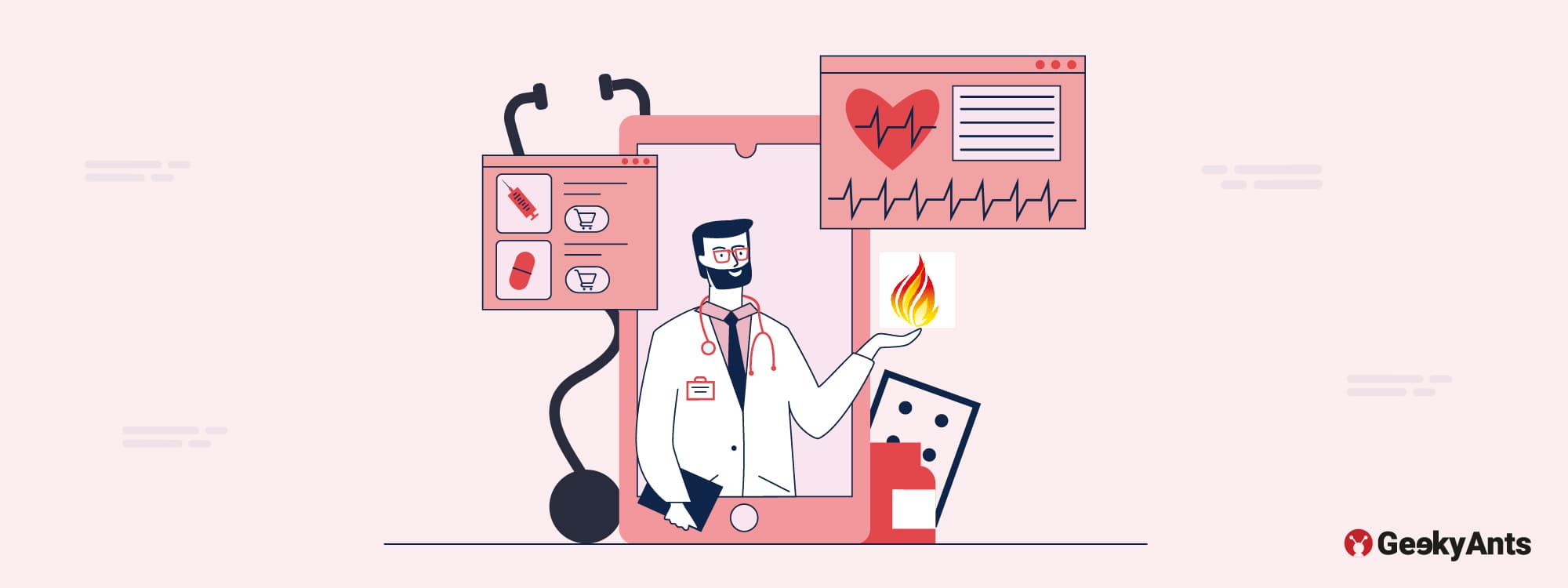
Guide to Building a Healthcare App that is FHIR Compliant
Discover the importance of FHIR in healthcare apps, ensuring compliance with regulations. Learn how to build a FHIR-compliant healthcare app in this guide.
Author


Book a call
The healthcare industry is experiencing rapid evolution, and technology is undeniably playing a significant role in this progress. The emergence of healthcare apps is a testament to the industry's advancements, offering patients and healthcare providers a more convenient and efficient way to manage healthcare.
However, with the vast amount of sensitive data involved in healthcare, it's essential to ensure that healthcare apps are compliant with all relevant regulations and standards. One such standard is the Fast Healthcare Interoperability Resources (FHIR) standard.
In this guide, we will discuss what FHIR is, its importance in healthcare apps, key considerations for building a FHIR-compliant healthcare app, and steps to build one.
What is FHIR?

FHIR (Fast Healthcare Interoperability Resources) is a standard for exchanging healthcare information electronically. It was developed by the international standards organization, Health Level Seven International (HL7), and is designed to make it easier for healthcare systems to share and exchange information.
FHIR uses modern web technologies like RESTful APIs, XML, and JSON to enable healthcare systems to communicate with each other seamlessly. This standard has become increasingly popular in recent years, and many healthcare organizations and developers are adopting it to build interoperable healthcare apps.
One of the key features of FHIR is its ability to represent healthcare data in a structured and standardized manner. This allows healthcare providers to easily share and exchange data between different systems and applications, regardless of the technology used to develop them.
Why is FHIR Compliance Important?

FHIR compliance is essential because it ensures that healthcare apps are secure and that patient data is protected. Compliance with FHIR standards also ensures that healthcare apps can communicate and exchange data with other healthcare systems, making it easier for patients and healthcare providers to access and manage their healthcare information.
Benefits of FHIR Compliance
→ Healthcare data can be shared across systems and applications, improving data accessibility and interoperability.
→ Patients can access their medical records and other healthcare information from different apps and systems, without the need for manual data entry or transfer.
→ FHIR facilitates secure data exchange while preserving patient privacy through the use of standard security protocols such as OAuth2 and OpenID Connect.
→ Only authorized users can access sensitive healthcare data.
→ FHIR compliance ensures that healthcare data is stored and exchanged in a standardized manner, reducing errors and improving patient care.
→ This is particularly important in the context of electronic health records (EHRs), where accurate and up-to-date data is essential for effective patient management.
Key Considerations for Building a FHIR Compliant Healthcare App
- Data security and privacy are essential.
- Compliance with industry standards such as HIPAA is necessary.
- Robust security measures and potential risks must be considered.
- Achieving interoperability and integration can be challenging.
- FHIR APIs support standardized data exchange.
- Scalability and performance require designing apps with cloud computing and containerization in mind.
- User experience and accessibility require intuitive interfaces and support for multiple languages and disabilities.
Note: Start building your custom healthcare app today and revolutionize the way you manage your healthcare with GeekCare!

- Platform: GeekCare
- Customization: Personalized app tailored to unique healthcare needs
- Features: Appointment scheduling, medication tracking, and patient data management
- Support: Expert team available for support.
- Benefits: Revolutionizes healthcare management
Steps to Build a FHIR Compliant Healthcare App

Conclusion
In conclusion, building a FHIR compliant healthcare app is vital in today's healthcare industry. FHIR compliance enables healthcare data to be shared securely and efficiently, improving patient care and outcomes.
Building a healthcare app that is FHIR compliant requires a deep understanding of FHIR standards, the right technology stack, and strict adherence to security and privacy regulations. By following the steps outlined above, healthcare organizations and developers can build a FHIR compliant healthcare app that delivers value and innovation.
GeekyAnts is a leader in delivering high-quality telemedicine health solutions to clients globally. Consult with our healthcare app development experts to see how easy it is to create a comprehensive healthcare solution at a jaw-dropping rate!
Related Articles.
More from the engineering frontline.
Dive deep into our research and insights on design, development, and the impact of various trends to businesses.

May 28, 2026
How to Modernize Your Fintech App Without Rebuilding Everything
This blog gives fintech leaders a practical framework for modernizing a fintech app without rebuilding it. It covers system audits, module-level decision making, phased API and integration-led execution, compliance protection, and team model selection.

May 28, 2026
Why Your First AI Pilot Needs Success Metrics Before Development Begins
95% of AI pilots deliver zero measurable profit impact. Learn the critical importance of establishing concrete success metrics and operational constraints before writing any code to ensure your project scales.

May 28, 2026
AI in WealthTech: Building Scalable Portfolio Management Platforms for Predictive Investing and Risk Forecasting
Discover how AI-native platforms are revolutionizing WealthTech by enabling real-time, predictive investing and advanced risk forecasting. Learn the core operational pillars and engineering priorities for building a scalable portfolio management system.

May 27, 2026
Building Production-Ready AI Portfolio Management Platforms for Wealth Firms
This guide walks platform leaders through production architecture, real-time data pipelines, legacy system integration, regulatory compliance, and the build-buy-modernize decision framework for deploying an enterprise-grade AI portfolio management platform.

May 27, 2026
Data Maturity vs. Ambition: A Reality Check on What Your Systems Can Handle
This blog examines why data maturity gaps derail AI initiatives and what organizations can do to close them.

May 26, 2026
Building an AI Fintech Robo-Advisor Platform: Architecture, Compliance, and Key Features
A technical guide for CTOs and engineering leaders on building a compliant, production-grade AI robo-advisory platform for the US market, covering architecture, compliance, and cost.