

Interview.AI
Built an AI-led voice interview platform using GPT-4, WebSocket, and cloud speech tech to automate screening, improve accuracy, and speed hiring.





About the Client
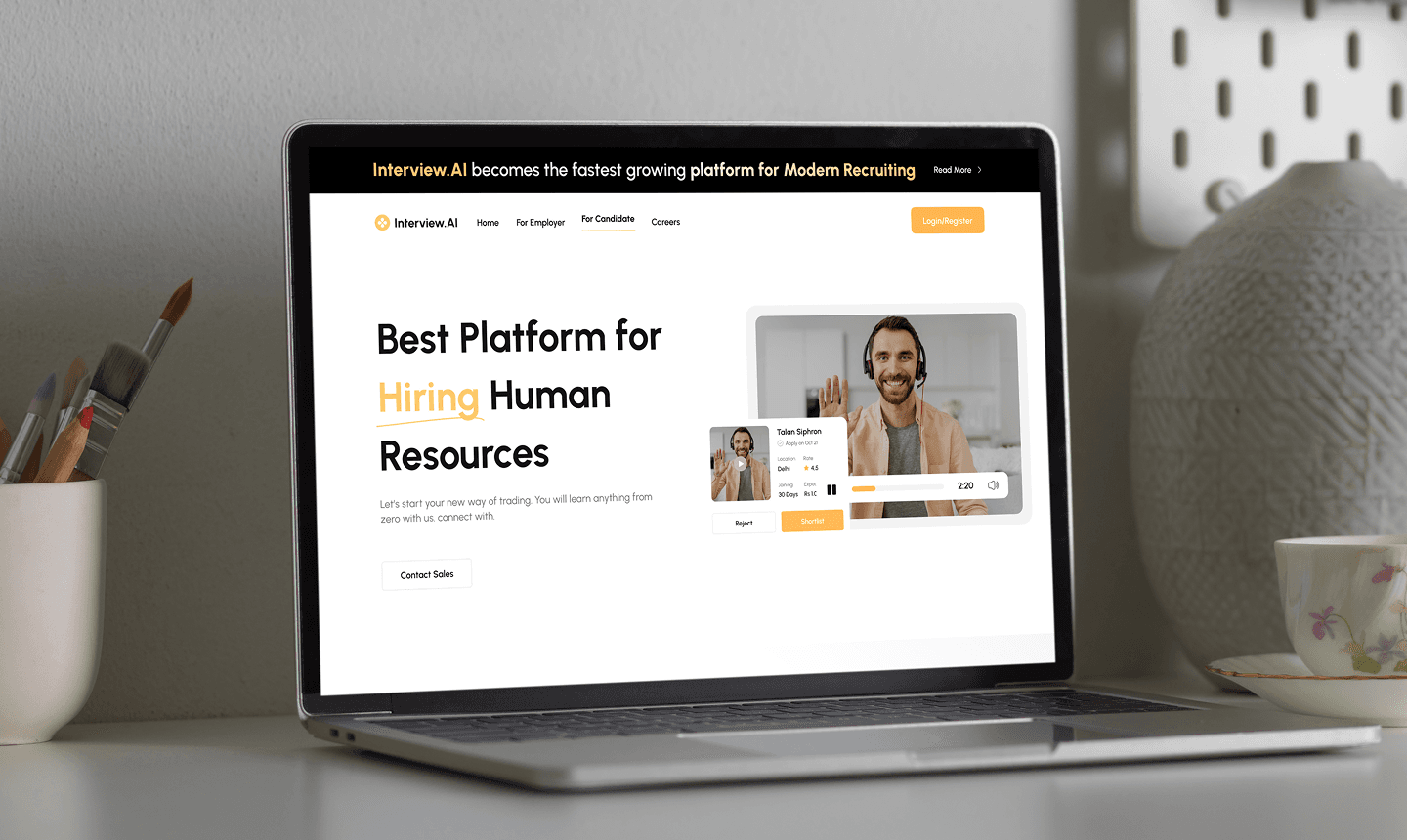
A hiring industry pioneer. Their product is a smart hiring platform that uses AI and automation to simplify tech recruitment. It helps companies and candidates connect faster through efficient, bias-free processes that improve hiring outcomes.
About the project
Overview
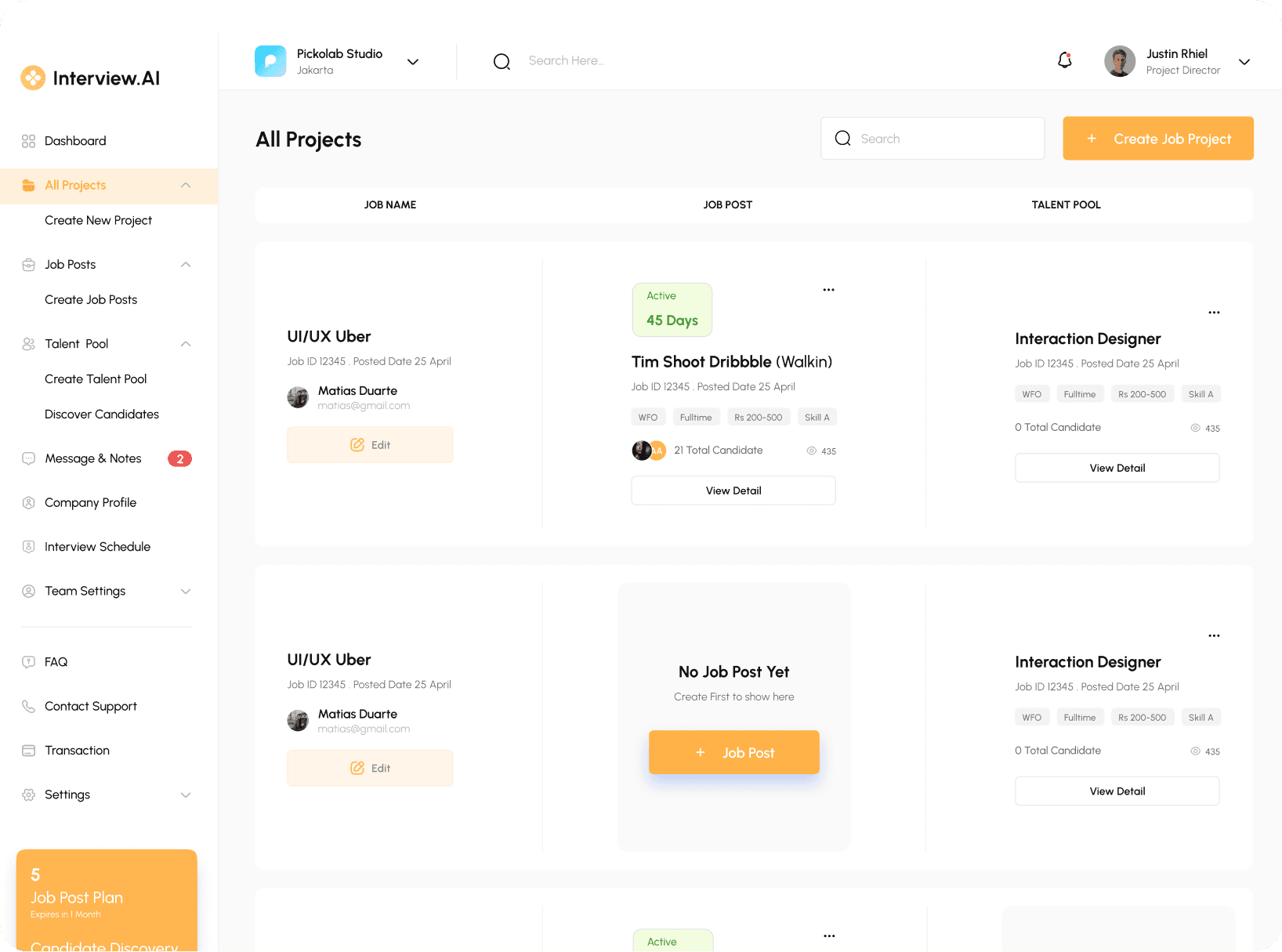
We built an AI Interview System that automates candidate screening through real-time voice interactions and intelligent assessments. Powered by a scalable microservices architecture, it removes manual bottlenecks, standardizes evaluations, and accelerates hiring decisions.
The result: Faster recruitment, smarter talent insights, and a consistent, scalable hiring experience across regions.
BUSINESS REQUIREMENT
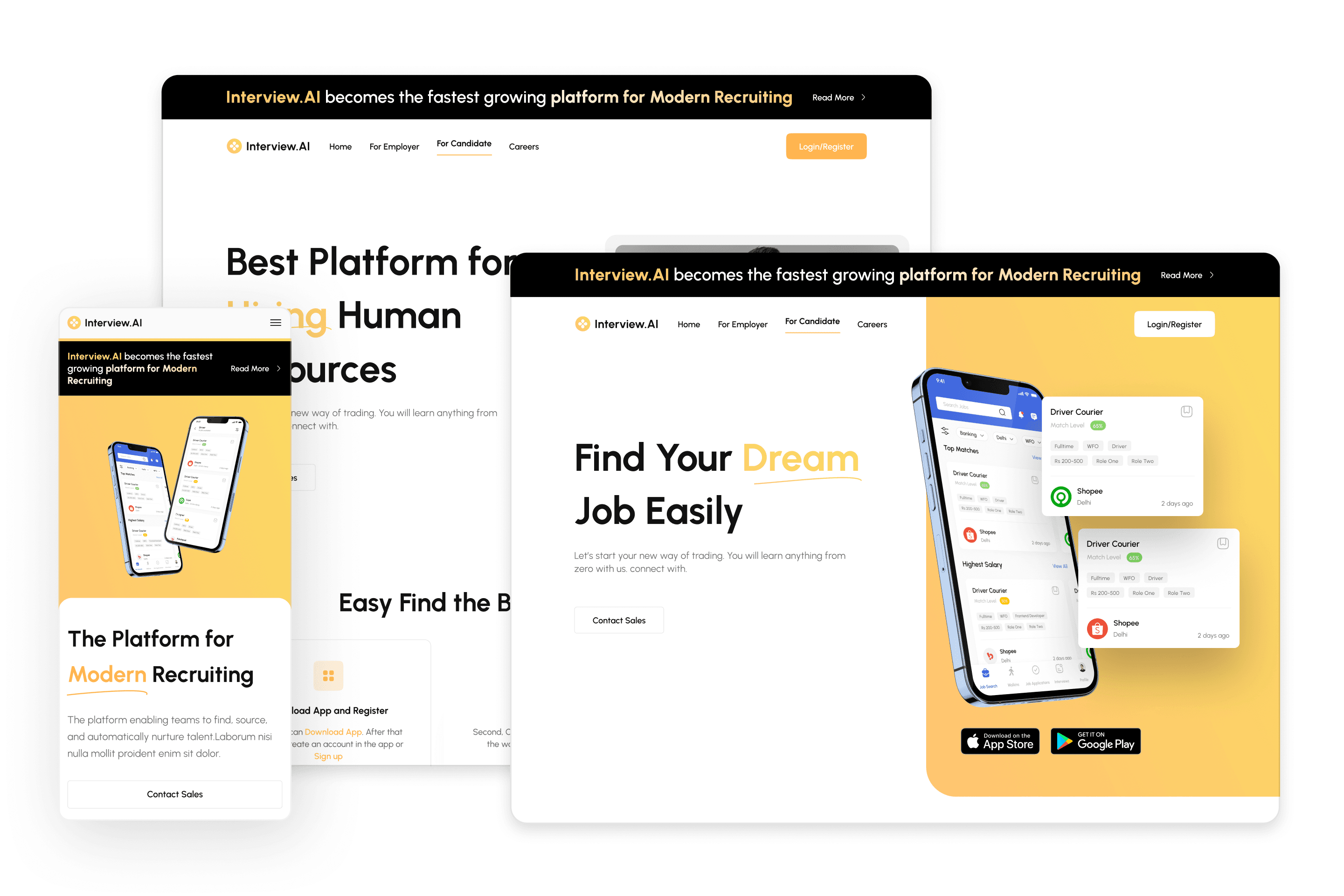
To build a fully automated AI-driven interview system capable of conducting and assessing real-time, voice-based technical interviews with dynamic question flow and comprehensive candidate evaluation.
Key Features Requested
- Conduct AI-led voice interviews
- Enable resume & job description-based question generation
- Provide real-time speech recognition and synthesis
- Implement dynamic question adaptation
- Allow pause/resume during an interview
- Detect potential cheating during interview
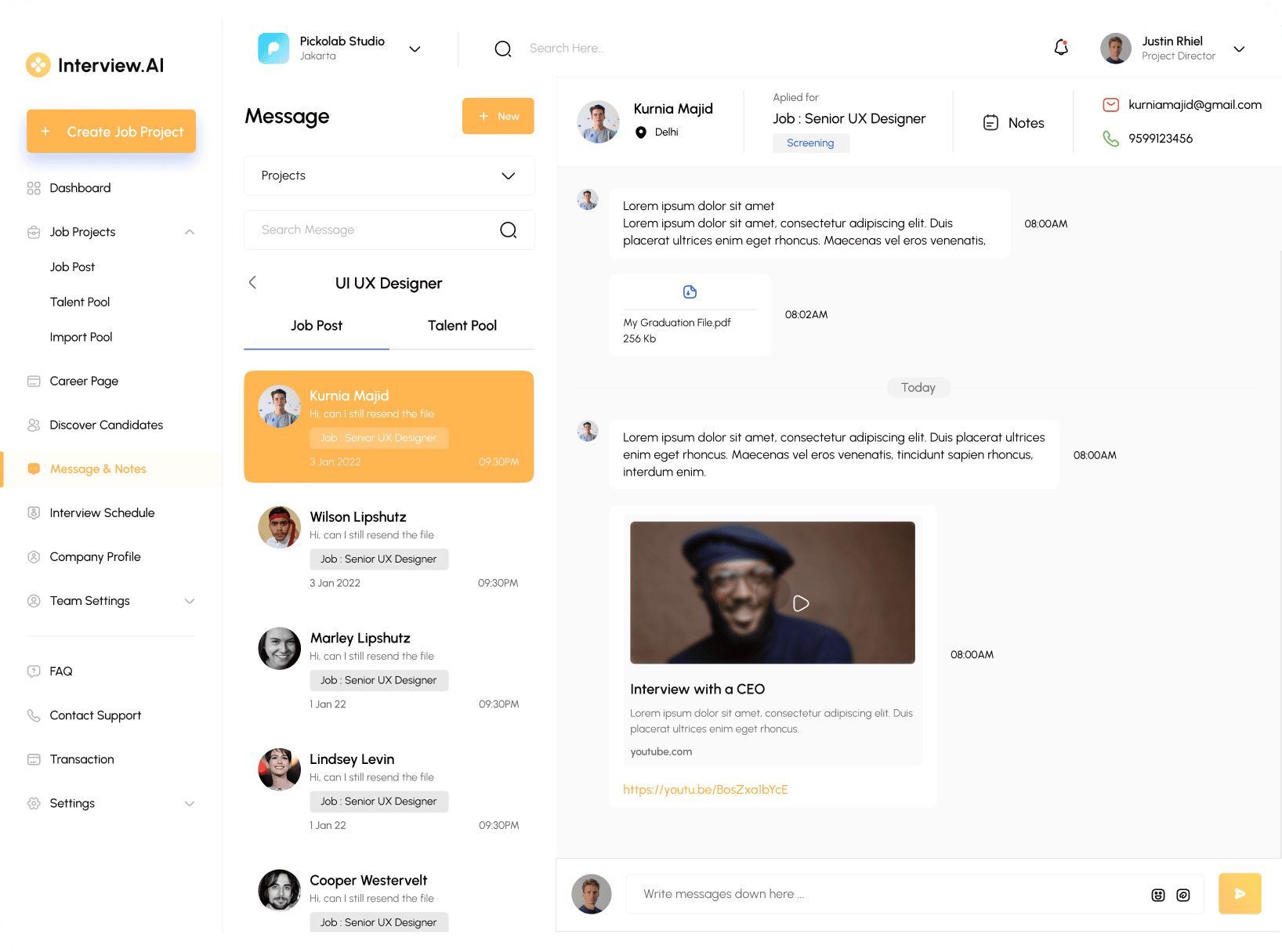
- Generate detailed reports for candidate performance
CHALLENGES IN EXECUTION & SOLUTIONS
We solved key challenges in building a real-time, reliable AI Interview System—minimizing audio latency, maintaining context across stages, syncing distributed state with Redis, and ensuring consistency under concurrent sessions. We fine-tuned STT accuracy, improved voice synthesis, and built robust async error handling for uninterrupted performance.
Managing latency during live audio processing
Maintaining context across interview stages and services
Handling distributed state using Redis
STT accuracy and natural voice synthesis
OUR SOLUTION
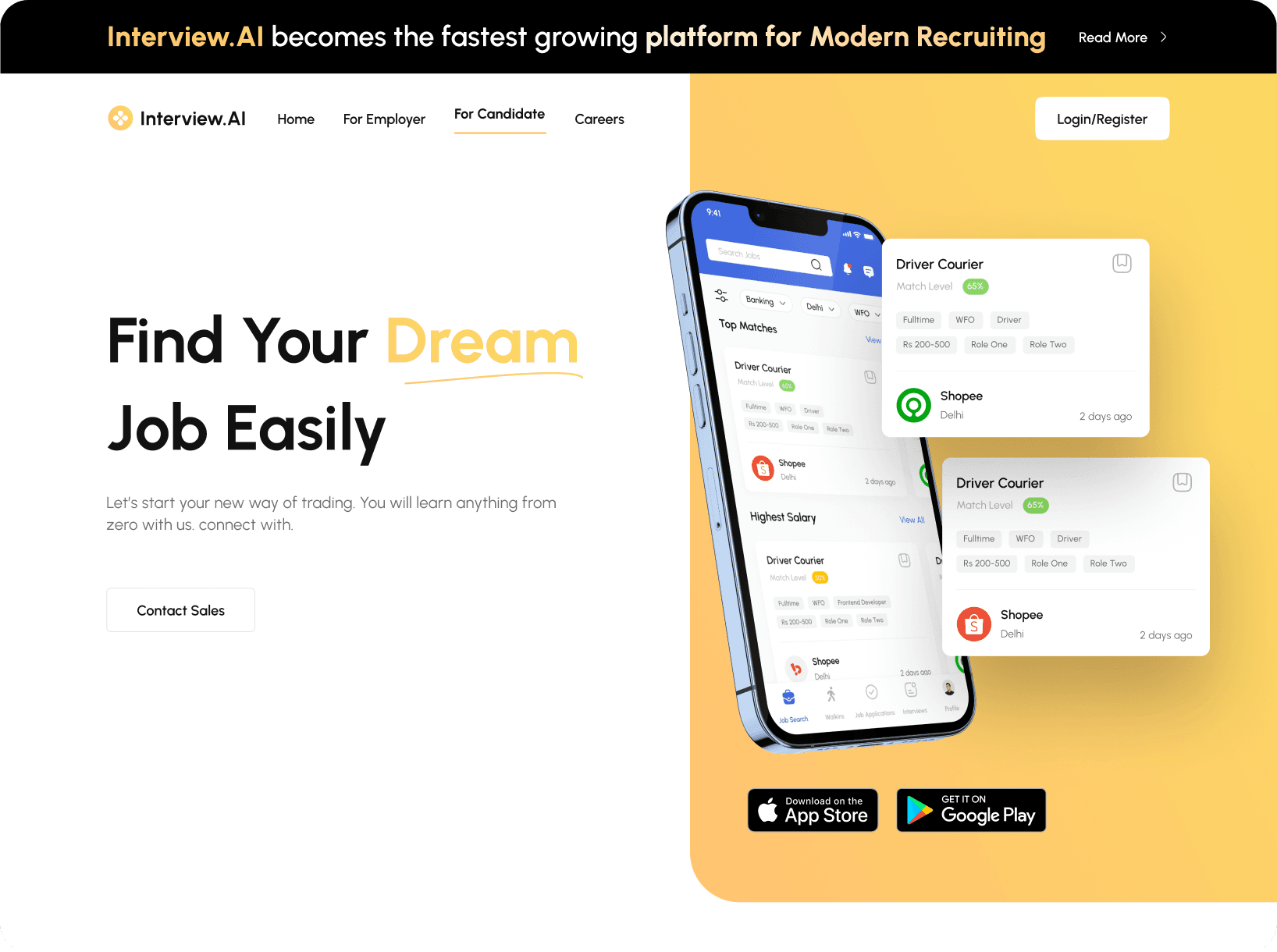
We set out to reimagine technical hiring by building an AI-led interview system that’s fast, adaptive, and scalable. The goal was simple: automate voice-based assessments with intelligence and reliability baked in.
We didn’t just solve for automation—we delivered intelligence, empathy, and precision in every interview session.
- Modular by design – We broke the system into focused microservices for planning, Q&A, transcription, voice synthesis, and reporting.
- Real-time sync – WebSockets handled live voice and UI communication; Redis managed distributed state seamlessly.
- Smarter logic – GPT-4 and Langchain-powered contextual, resume-aware question flows that adapt in real time.
- Human-like interaction – Google Cloud Speech enabled accurate transcription, while ElevenLabs gave the AI a natural voice.
- Built-in resilience – From cheat detection to pause/resume controls, error recovery, and live report generation, the system was engineered for trust and scale.
OUR APPROACH
To build a cutting-edge AI-driven interview automation system, we adopted a modular, microservices-based development strategy executed over a focused 3–4 month engagement. Our process followed an iterative rollout of features, punctuated by regular integration checkpoints to ensure alignment across services.
The execution began with decomposing the application into core microservices—planning, Q&A, transcription, text-to-speech (TTS), and reporting.
- Engagement Duration: Executed over a tightly scoped 3–4 month period with a feature-focused roadmap.Development Strategy: Adopted a modular, microservices-based approach to enable flexibility, scalability, and independent deployment of key features.Rollout Model: Employed an iterative feature rollout plan with defined integration checkpoints to align progress and validate end-to-end functionality.
RESULTS
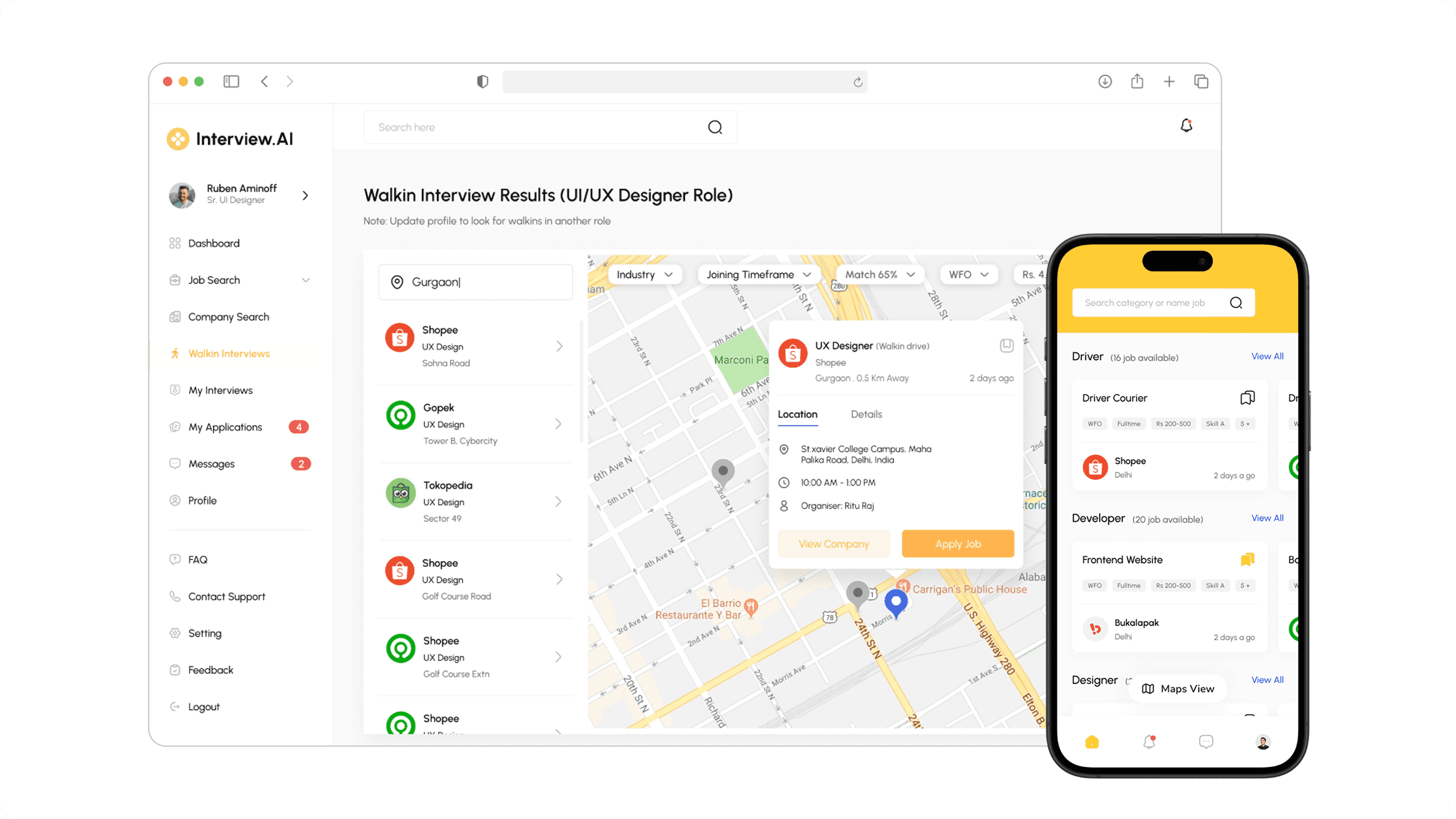
The AI Interview System built marks a significant leap in recruitment technology. By fusing real-time voice interaction with robust AI assessment, the solution transforms how companies screen and evaluate talent.
Backed by a scalable microservices architecture, it delivers automation, consistency, and intelligence—empowering hiring teams to make faster, smarter decisions.
The Right Conversation Can Save You Six Months
Contact us
More from our engineering work
Have a business problem or idea to scale? Connect with us.
Book a consultation call with our experts.
