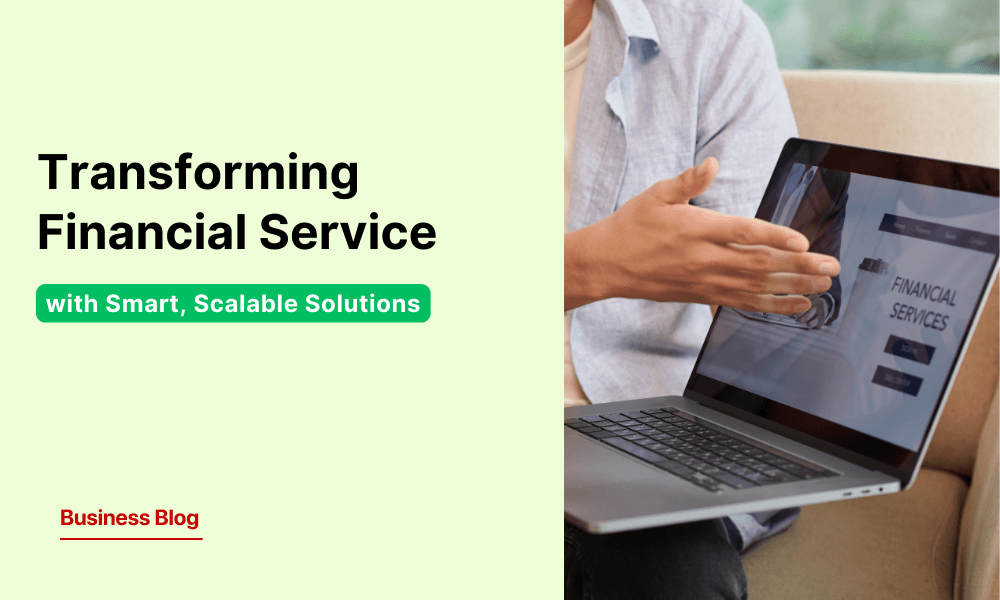

The recent announcement by X Money to partner with Visa is a strong indication that Elon Musk's determination to revolutionize financial services is gaining momentum. This collaboration opens a world of opportunities, positioning X Money as a formidable player in the digital payments landscape.
An article recently highlighted how "Elon Musk’s X Just Declared War on PayPal," signaling a shift toward digital-first, activity-oriented financial platforms. With its massive user base, X has the potential to facilitate seamless transactions within its ecosystem, providing users with a unique and integrated financial experience.
What Can We Expect from Visa and X Money on the Platform?
- Secure and Instant Funding: Users will be able to instantly fund their X wallet using Visa Direct, enhancing liquidity and convenience.
- P2P Payments: The integration with debit cards will allow seamless peer-to-peer transactions, simplifying personal payments.
- Instant Bank Transfers: Funds can be transferred directly to bank accounts, providing a bridge between digital wallets and traditional banking.
We can anticipate more groundbreaking announcements throughout the year as X Money expands its financial services portfolio.
Content Creators: The Real Winners
The biggest beneficiaries of this partnership will likely be content creators on X. They will receive payments directly within the platform, bypassing third-party intermediaries. This will reduce friction in the payment process, offering a frictionless and rewarding experience that strengthens creators' ties to the platform.
Will X Money Become the Next Super App?
If we look at China's WeChat, it stands as a prime example of a super app that offers a broad spectrum of services, from messaging to payments. X's roadmap appears to be on a similar path, gradually embedding financial activities into its platform. The potential to integrate banking, payments, and other services could significantly disrupt traditional financial institutions.
A major trend in the financial sector is the open, API-first approach, enabling seamless interaction between banks and digital platforms. Small businesses and enterprises will likely be among the first to adopt these services, benefiting from streamlined financial operations.
A Wake-Up Call for Banks
Over the past five years, banks have increasingly lost touch with customers who interact with financial services primarily through third-party platforms. This shift has reduced their visibility and engagement. The rise of open, API-based models presents an opportunity for banks to re-establish connections with their customers by integrating more directly into the digital ecosystems where financial transactions happen.
The Changing Landscape of the Financial Ecosystem
As the financial services landscape evolves, seamless integration of digital banking with other financial products is becoming a critical factor for business leaders. The ability to offer an end-to-end digital financial experience will be a key differentiator in the market.
At GeekyAnts, we have been at the forefront of building open banking and API-first architectures for key banking clients. Our experience positions us well to help financial institutions adapt to these changing dynamics, ensuring they remain competitive and relevant in a rapidly transforming industry.