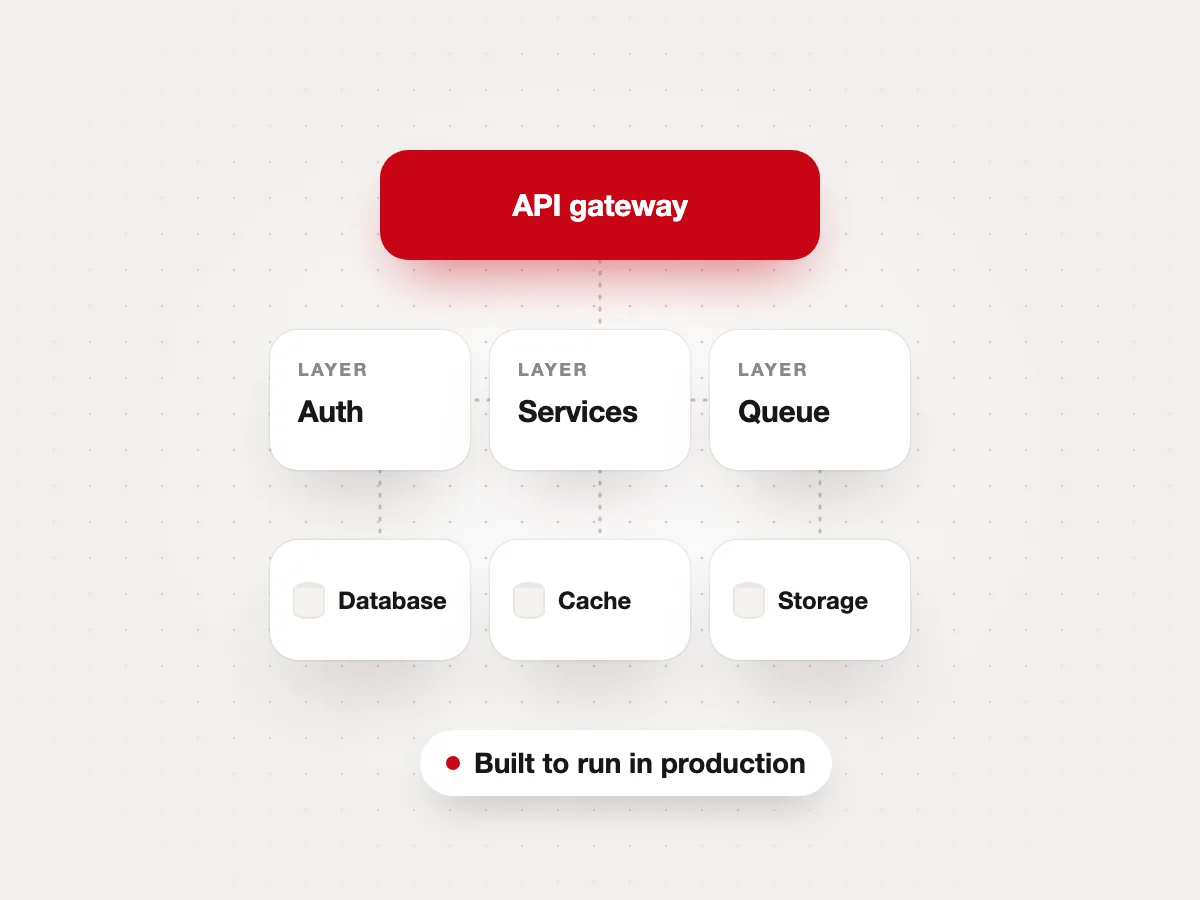
8-WEEK PRODUCTION TRANSITION
AI Prototype to Production Services for Scalable Product Launches
We Bridge the Gap Between Prototype and Production.
Comparison
The Distance Between It Works and It Ships Starts With Prototype to Production Services
Why us
Why Teams Choose Our Prototype for Production Services


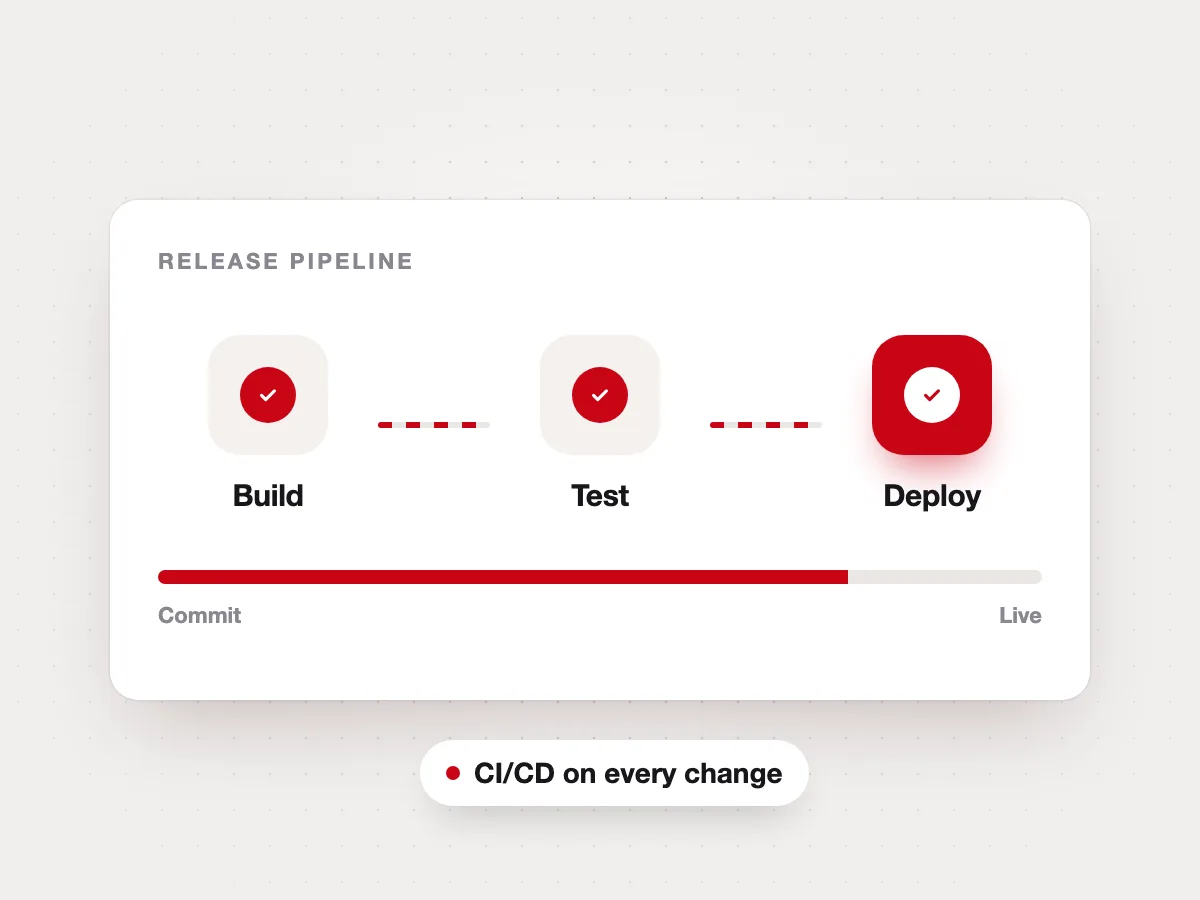
Faster Release Velocity

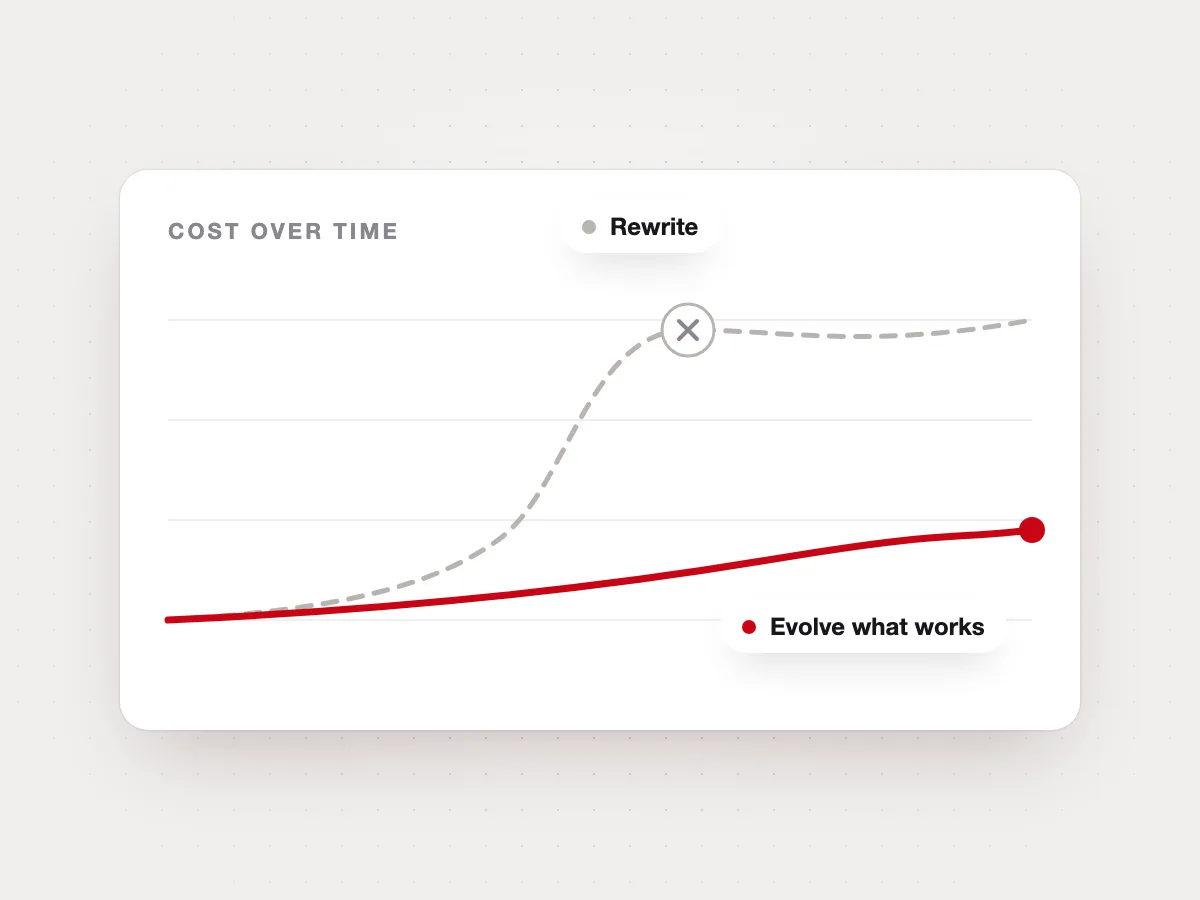
Lower Rewrite Costs

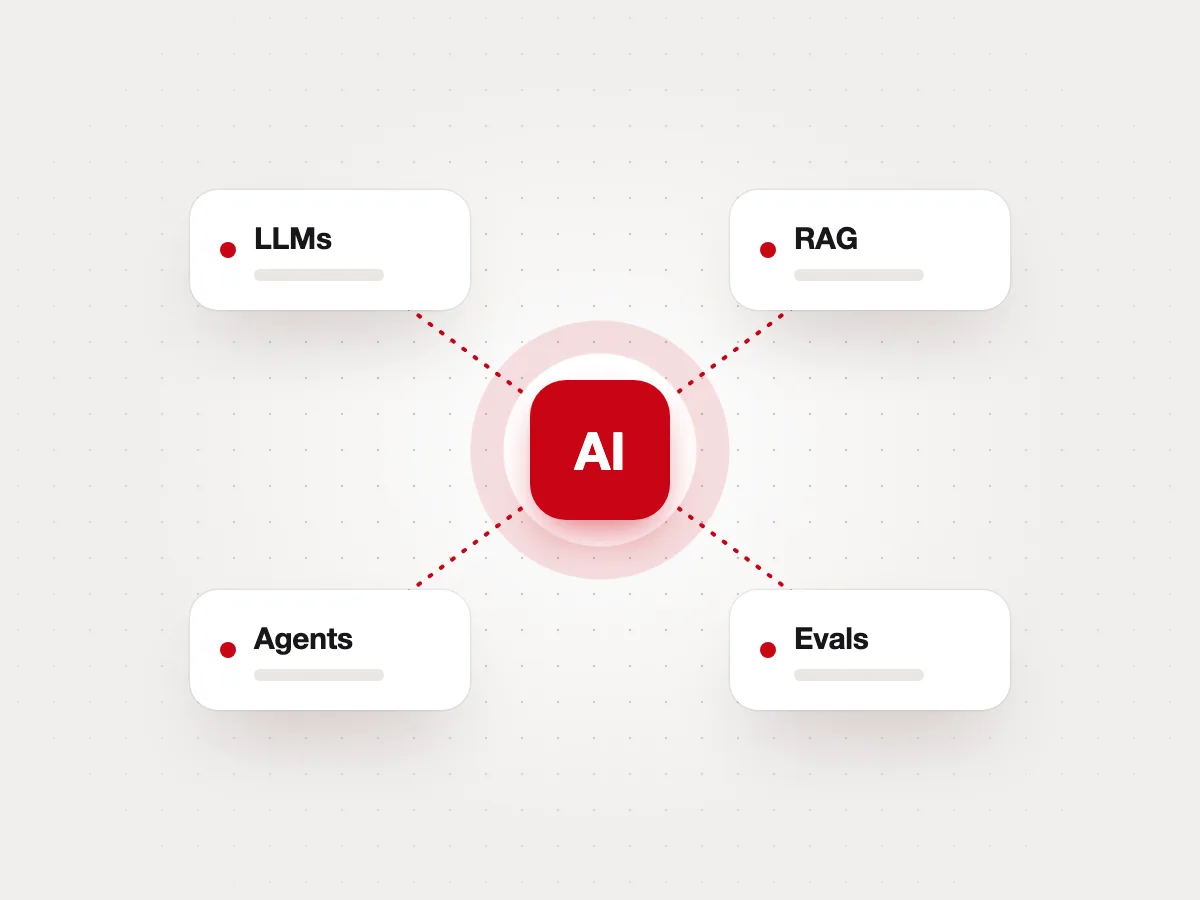
AI-Native Engineering Expertise

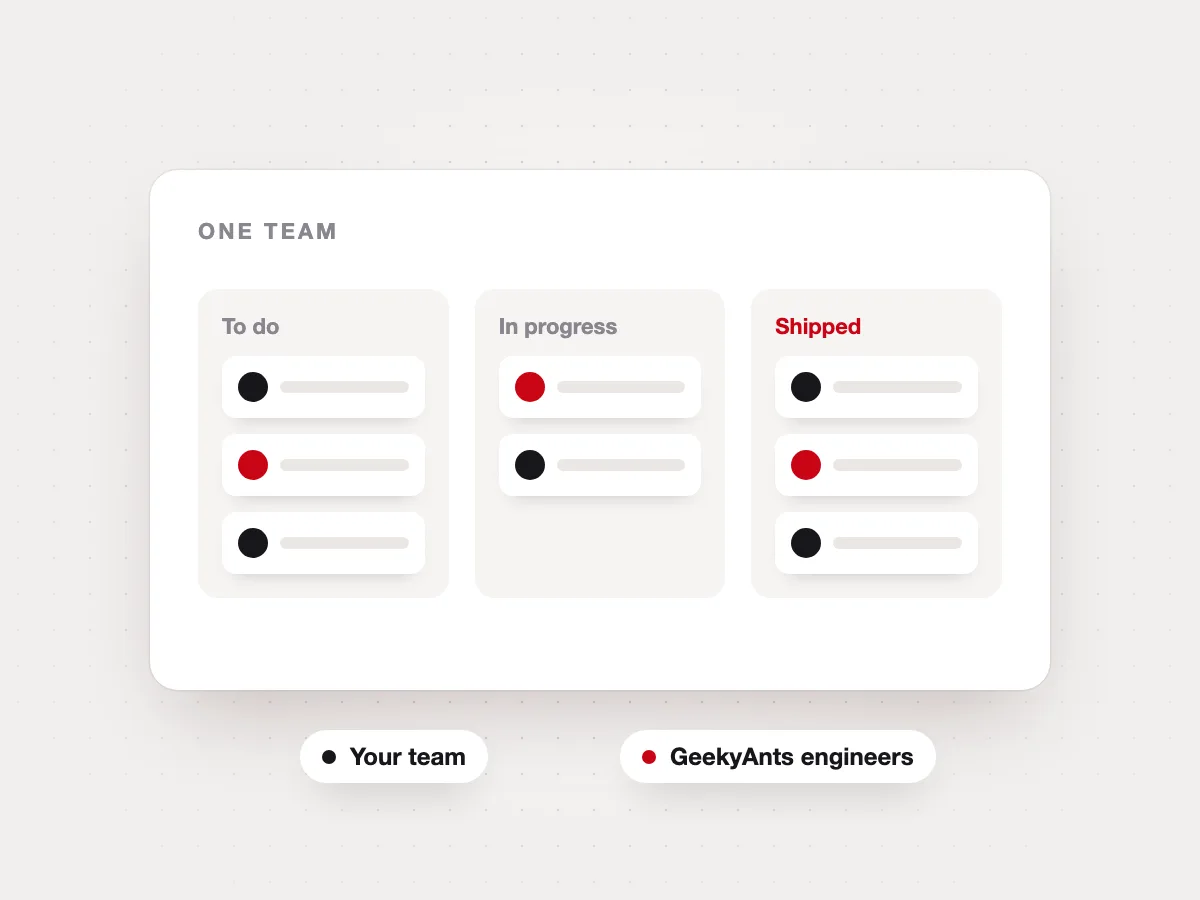
Embedded Product Engineering Teams

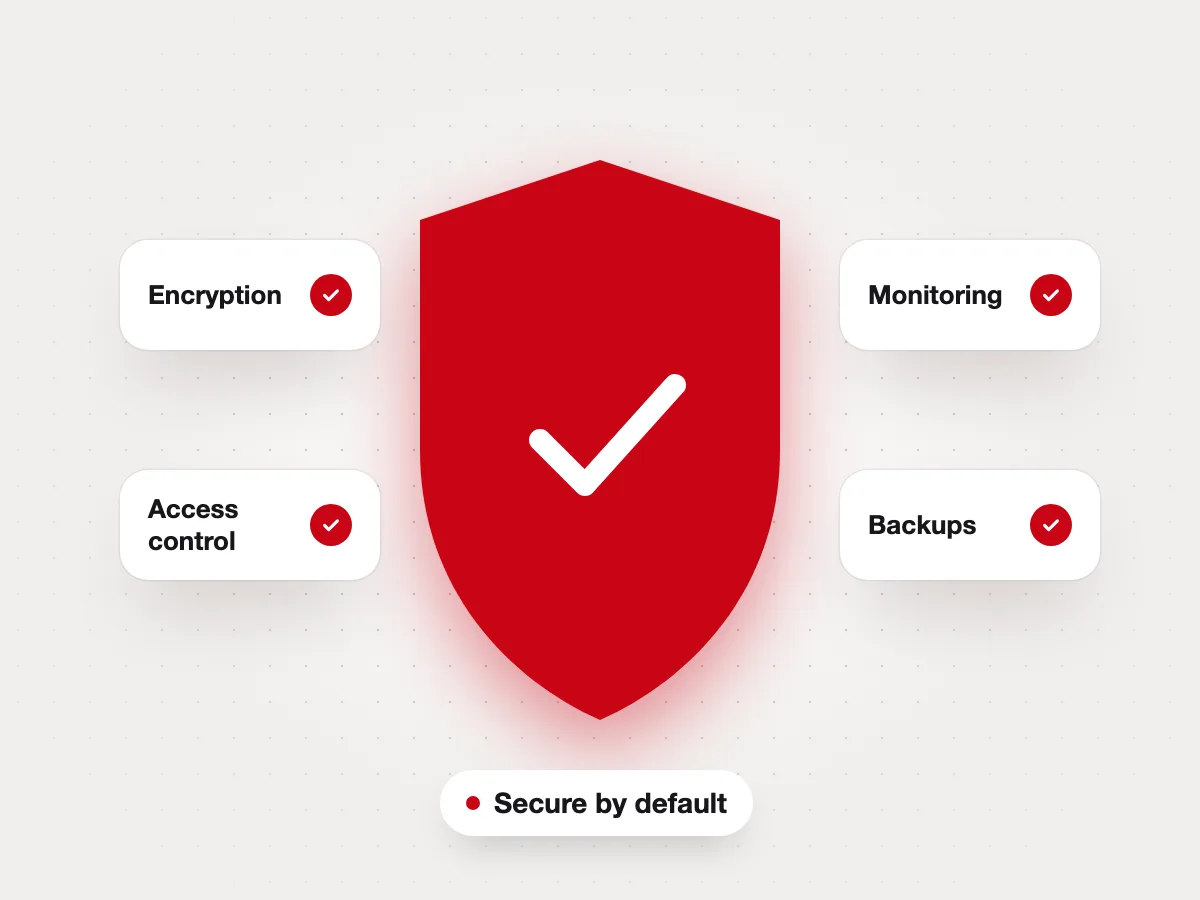
Security and Reliability by Default
- Years of Engineering Products
- 20+
- Products Shipped to Production
- 1000+
- Projects
- 600+
- Product Engineers
- 350+
- Day Production Warranty
- 90
OUR ENGAGEMENT MODELS
Flexible Prototype to Production Engagement Models
MVP Stabilization Sprint
4–6 Weeks
- Architecture review
- Infrastructure setup
- Testing implementation
- CI/CD pipelines
- Performance optimization
Prototype to Production Build
6–12 Weeks
- Full-stack engineering
- AI integration
- DevOps implementation
- Observability setup
- Security hardening
Dedicated Engineering Pod
Ongoing
- Senior engineering support
- Sprint-based execution
- Infrastructure scaling
- AI system optimization
- Long-term roadmap support
Industries
Prototype to Production Services Across Industries
Technologies
Technologies Powering Our Prototype to Production Services
- TensorFlow

- PyTorch

- Scikit-learn

- Firebase
- LangChain

- LlamaIndex

- Hugging Face

- AWS SageMaker

- Google Vertex AI

- Pinecone

- AWS Bedrock

- Weaviate

- Chroma

- Qdrant

- GitHub

- Git
- LangGraph
- Crew AI
- AutoGen
- SQL
- Apache Spark
- Pandas
- NumPy
- Docker
- Kubernetes
- Kafka
- Amazon ECS
- Amazon S3
- Lambda
Challenges
Common Challenges When Scaling an AI Prototype
Traffic Growth
Prototypes often support limited concurrent users. Product launches or marketing campaigns can introduce thousands of users within hours. Without scaling infrastructure, applications fail during the first traffic spike.Security and Compliance
Enterprise customers require standards such as SOC 2, GDPR, and secure authentication systems. AI-generated code frequently lacks secure input validation, secrets management, and dependency scanning.Operational Blindness
Without a centralized logging stack, production bugs remain invisible. We deploy monitoring systems to catch errors before customer reports arrive.Data Rigidity
Flat schemas fail at 100,000 records. We execute data normalization and migration scripts to ensure query performance remains under 30 secs.Cost Inefficiency
Unoptimized AI agents generate redundant API calls. We audit token usage and memory management to reduce cloud overhead by up to 60%.Technical Onboarding
Undocumented code halts team growth. We refactor for strict typing (TypeScript) and modular architecture to reduce new-hire ramp time.
Seen any of these before? Let’s fix them before they cost you.
Process
From Prototype to Production in 6 to 8 Weeks

Week 1
Production-Readiness Assessment
Phase 01
We audit your existing codebase, infrastructure, and architecture against our 50-point production checklist. You get a clear picture of what’s solid, what’s risky, and what needs to be rebuilt.Deliverable
- Codebase quality report with severity ratings
- Architecture risk assessment
- Infrastructure gap analysis
- Prioritized remediation roadmap

Weeks 2 – 4
Architecture & Re-engineering
Phase 02
We re-architect the foundation while preserving what works. This means proper data modeling, API design, authentication, and a modular structure that your future engineering team can extend without rewriting.Deliverables
- Production-grade architecture design
- Database schema optimization & migrations
- API standardization (REST or GraphQL)
- Authentication & authorization layer

Weeks 3 – 5
Infrastructure & DevOps
Phase 03
We build the platform your product runs on. Cloud infrastructure provisioned as code, CI/CD pipelines that test and deploy automatically, and monitoring that catches issues before your users do.Deliverables
- Infrastructure as Code (Terraform/Pulumi)
- CI/CD pipeline (GitHub Actions / GitLab CI)
- Staging & production environments
- Monitoring, logging, and alerting stack

Weeks 4 – 6
Testing & Quality Gates
Phase 04
With our Prototype to Production Services, we write the tests your prototype is missing, including unit testing, API integration testing, E2E validation, and automated security checks in every deploy.Deliverables
- Test suite (unit, integration, E2E)
- Automated security scanning (SAST/DAST)
- Performance benchmarks & load testing
- Quality gates in the CI/CD pipeline

Weeks 6 – 8
Launch & Stabilization
Phase 05
We deploy to production with a zero-downtime strategy, run load tests against real traffic patterns, and stand by during launch to resolve any issues in real time. Then we hand off a product your team can own.Deliverables
- Production deployment with rollback capability
- Load testing against projected traffic
- Launch monitoring & incident response
Checklist
Production Readiness Checklist for MVP to Production
Infrastructure
- Cloud-hosted with managed services
- Auto-scaling configured and tested
- CDN for static assets
- Environment parity (dev/staging/prod)
- Infrastructure defined as code
Security
- HTTPS everywhere with HSTS
- Authentication (OAuth 2.0 / JWT)
- Role-based access control
- Input validation & sanitization
- Dependency vulnerability scanning
Testing
- Unit test coverage > 80%
- Integration tests for all API endpoints
- E2E tests for critical user flows
- Load testing against projected traffic
- Automated security scanning (SAST)
DevOps
- CI/CD pipeline with automated tests
- Blue-green or rolling deployments
- Rollback capability < 5 minutes
- Branch protection & code review gates
- Secrets management (no hardcoded keys)
Observability
- Structured logging with correlation IDs
- APM with response time tracking
- Error tracking with alerting
- Uptime monitoring & SLA dashboards
- Cost monitoring & anomaly detection
Code Quality
- TypeScript strict mode enabled
- Consistent code style (ESLint/Prettier)
- API documentation (OpenAPI/Swagger)
- README with setup & architecture docs
- Database migration scripts versioned
Work
Contact
MVP to Production Starts with Building the Right Engineering Foundation.
Contact us

Prototype to Production

AI-Native Engineering

Fractional Engineering Team

Code Quality and Engineering Excellence

Scaling MVP to Market Leader

Product Studio for the AI Era
Insights
Our Latest Thinking

Insight
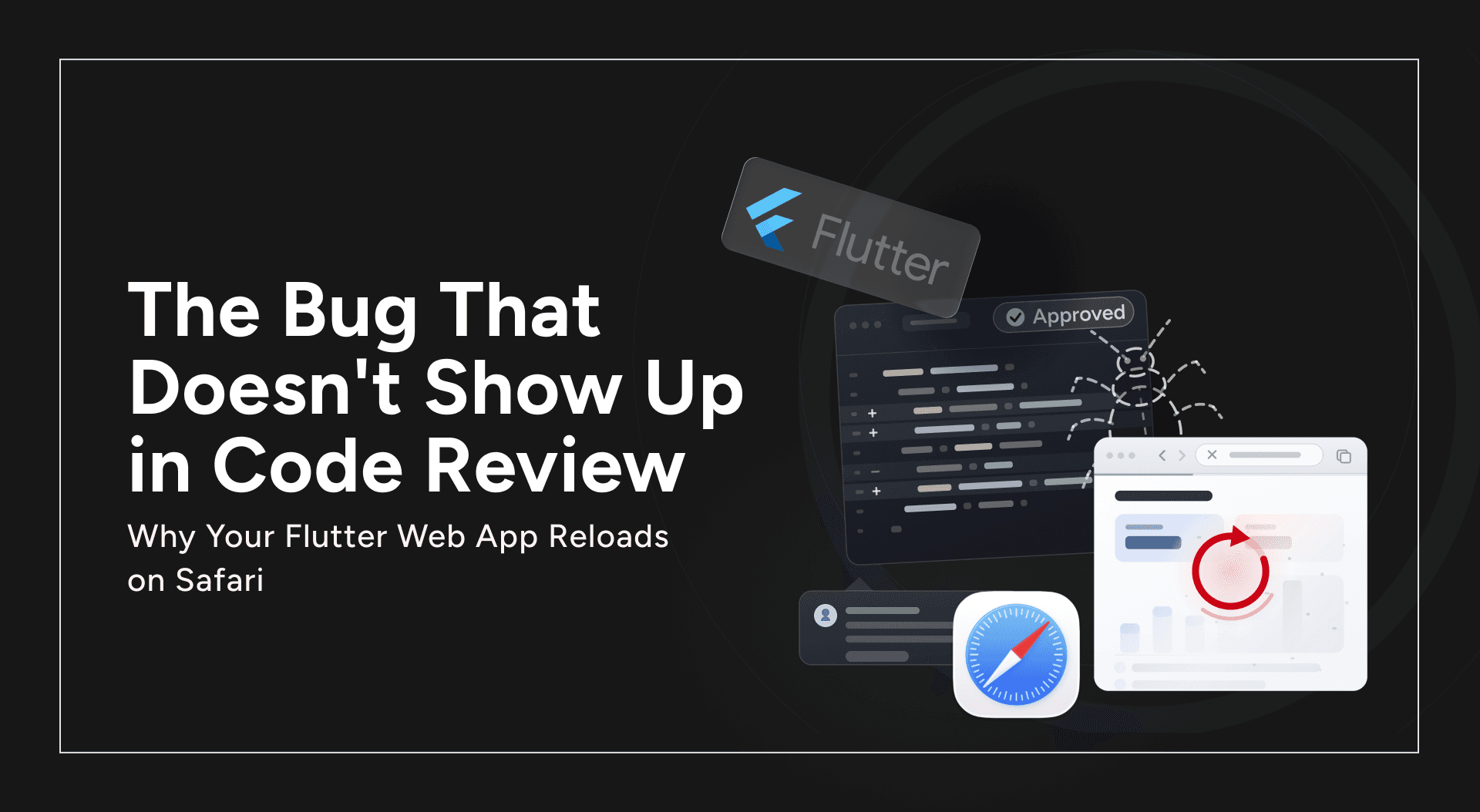
The Bug That Doesn't Show Up in Code Review: Why Your Flutter Web App Reloads on Safari
A real-world look at how oversized images can trigger Safari reloads and iOS crashes in Flutter apps and how smarter image decoding prevents them.
Insight
From Prompting to Process: What Changed When Flutter Shipped Agent Skills
This blog explores how Flutter Agent Skills improve AI-assisted development by combining official framework workflows with project-specific guidance for more consistent development.
Business
Why Legacy Systems Block Real-Time AI Decision-Making
Learn how legacy systems limit real-time AI decision-making and what businesses can do to build an AI-ready infrastructure.
Business
What Makes an AI Product Enterprise-Ready? A Business Leader’s Perspective
Most AI pilots never make it to production. Here are the five questions business leaders should ask before approving, buying, or scaling an AI product.
Business
Building AI-Powered Banking CRM Platforms Without Replacing Core Banking Systems
Banks can modernize CRM with AI without replacing their core banking systems. This guide covers the architecture, use cases, governance, and roadmap to do it.
Business
AI in Fintech: Everyone's Talking, Few are Shipping
This blog covers the key engineering, governance, and compliance principles required to build production-ready AI systems for financial services.
FAQ