Containerization and Kubernetes
Move From Fragile Infrastructure to Container-Native Architecture










Client Results and Success
Production-Ready Kubernetes Architecture
The platform was designed to support scalable production deployments with minimal resource consumption, enabling faster environment provisioning and operational stability.
3
environments K8s setup
95%
environments K8s setup
35%
savings over managed Kubernetes alternatives



Our Containerization and Kubernetes Services
- Workload assessment and container migration planning, from legacy services to greenfield architecture.
- Dockerfile optimisation, image hardening, and registry management for secure, lean container builds.
- Service decomposition guidance for teams transitioning toward a container-native architecture.
- Local development environment alignment, so that what runs on a developer's machine behaves the same way in production.
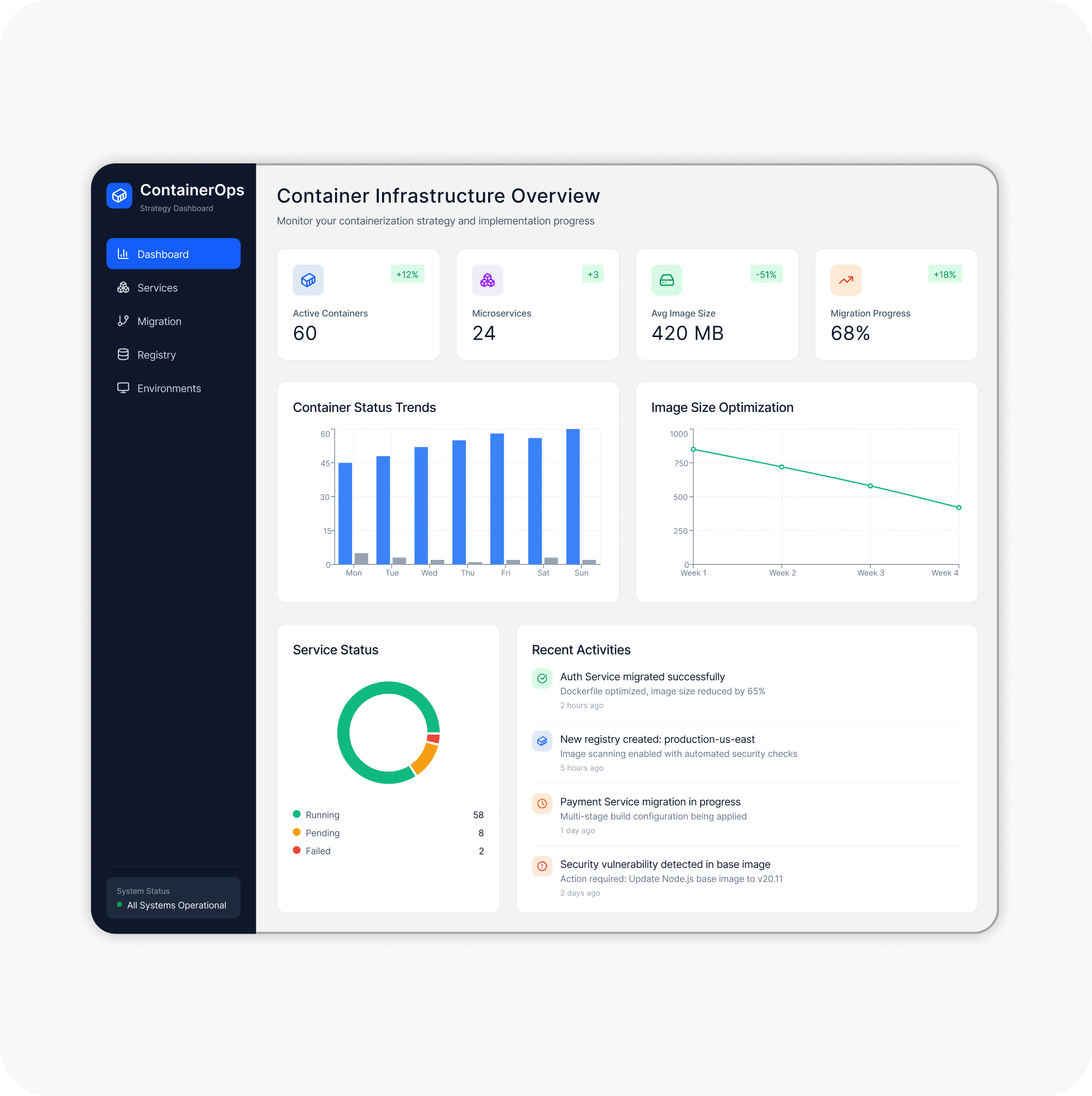
- Cluster architecture for production-grade workloads across AWS EKS, Google GKE, Azure AKS, and self-managed environments.
- Namespace strategy, RBAC configuration, and multi-tenancy design for teams and services sharing cluster resources.
- Helm chart development and management for standardised, version-controlled release packaging.
- Ingress configuration, internal service routing, and traffic management built for reliability at scale.
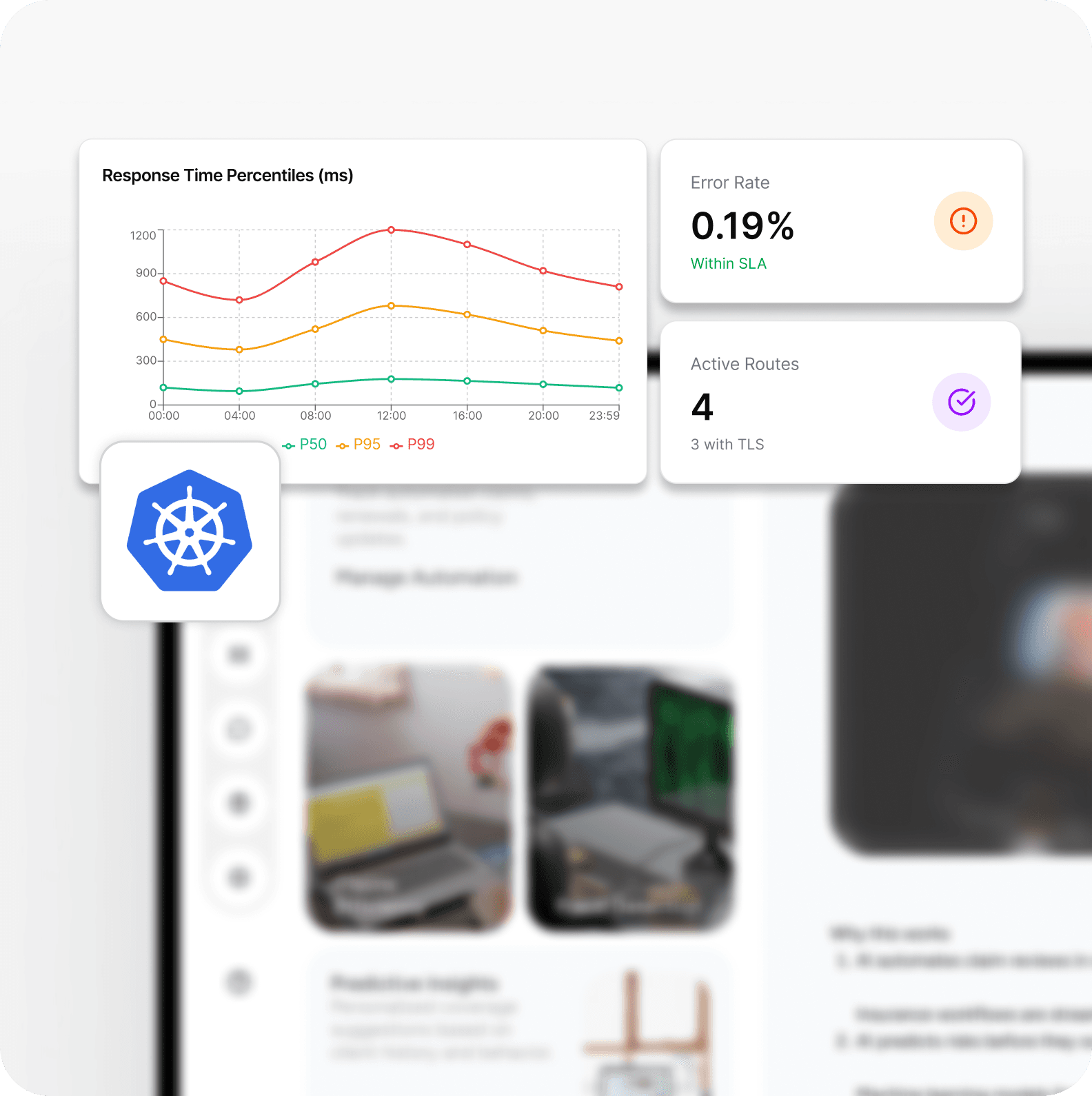
- Horizontal and vertical autoscaling configured to workload behaviour — not arbitrary thresholds.
- Pod disruption budgets, resource limits, and liveness and readiness probes that keep services stable under pressure.
- Node pool management, cluster autoscaling, and cost optimisation aligned to real usage patterns.
- Documented runbooks, on-call escalation paths, and operational procedures your team can own without us.
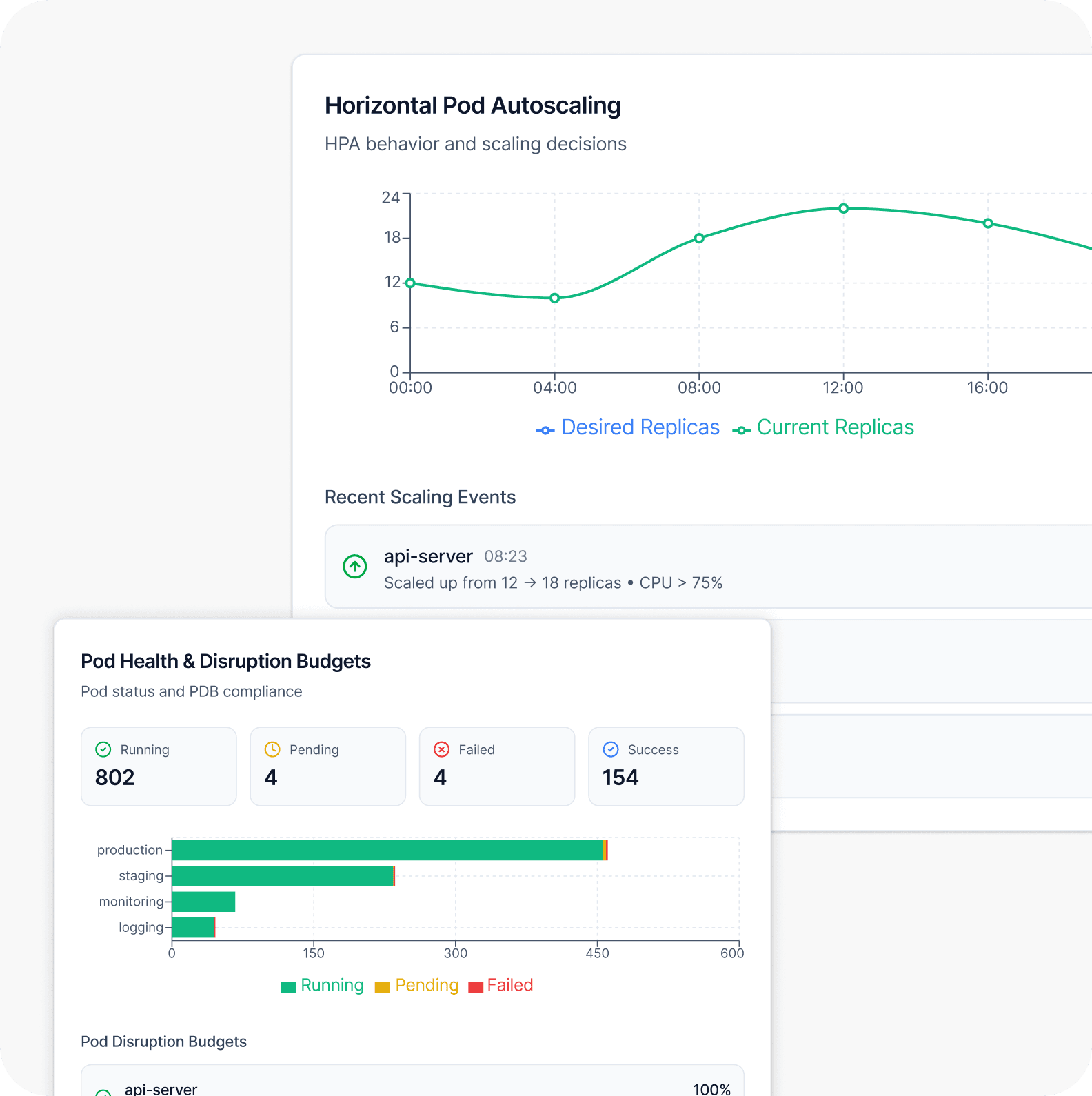
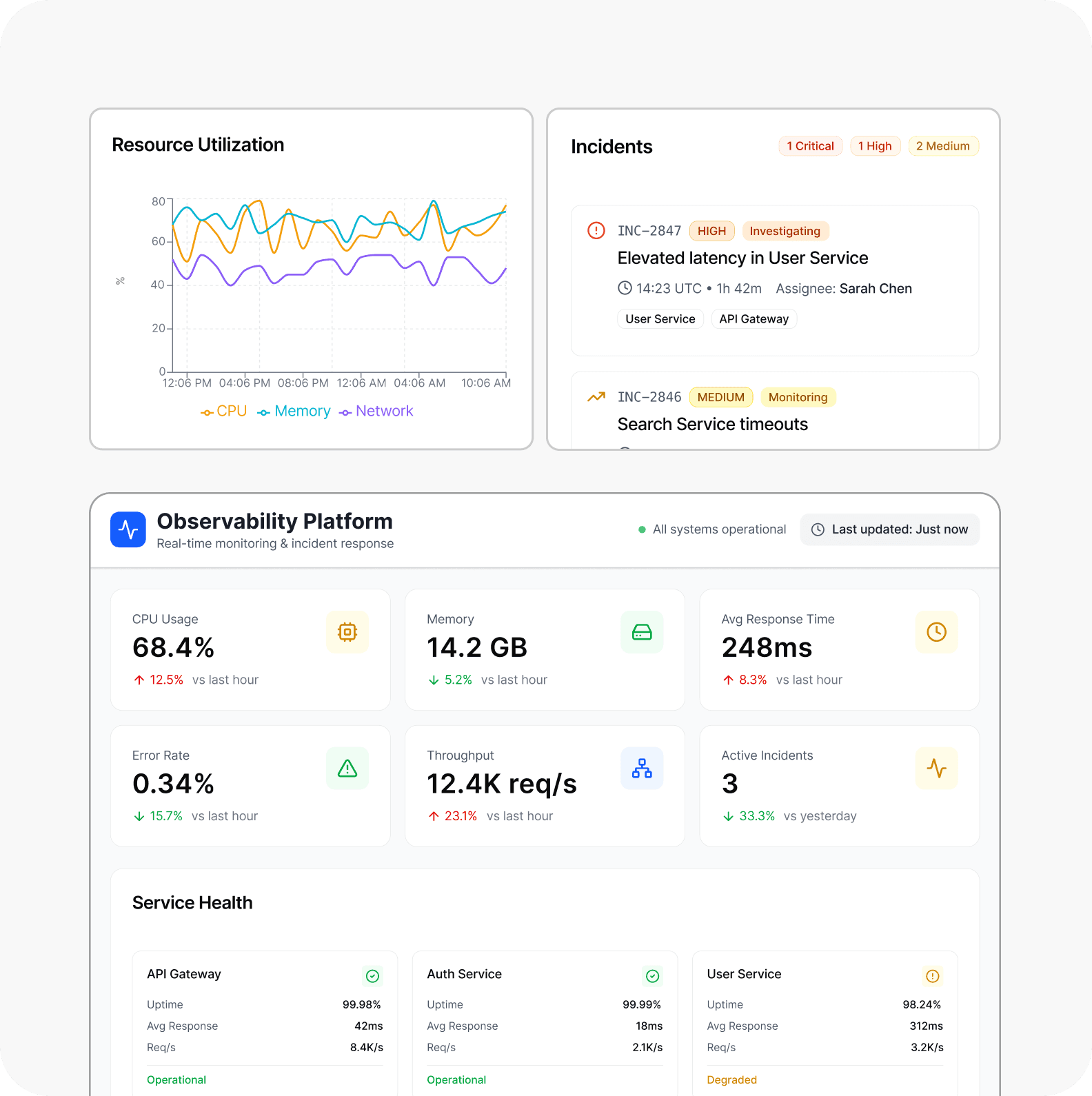
- End-to-end observability across your container layer — metrics, logs, and distributed traces surfaced where they matter.
- Alerting is configured to signal meaningful events, not noise, with escalation routing built into the workflow.
- Automatic rollback on failed deployments, with post-incident review tooling to prevent recurrence.
- Prometheus, Grafana, Datadog, and other tooling are integrated into your existing operational stack.
Containerization And Kubernetes Across Every Industry
Infrastructure That Holds Up When Traffic Doesn't Behave
Release Confidence Across Every Environment
Infrastructure Costs Proportional to Real Demand
Engineering Time Back Where It Belongs
Kubernetes and Containerization Across Every Industry


Kubernetes Engineering from a Team That Has Operated It in Production Across 1000+ Projects
Our Offerings in DevOps Consulting and Services
Our Latest Thinking
How GeekyAnts Evaluates AI Systems for Production Readiness
This blog explains how GeekyAnts evaluates AI systems for accuracy, security, bias, cost, and performance before production, supported by real project examples.
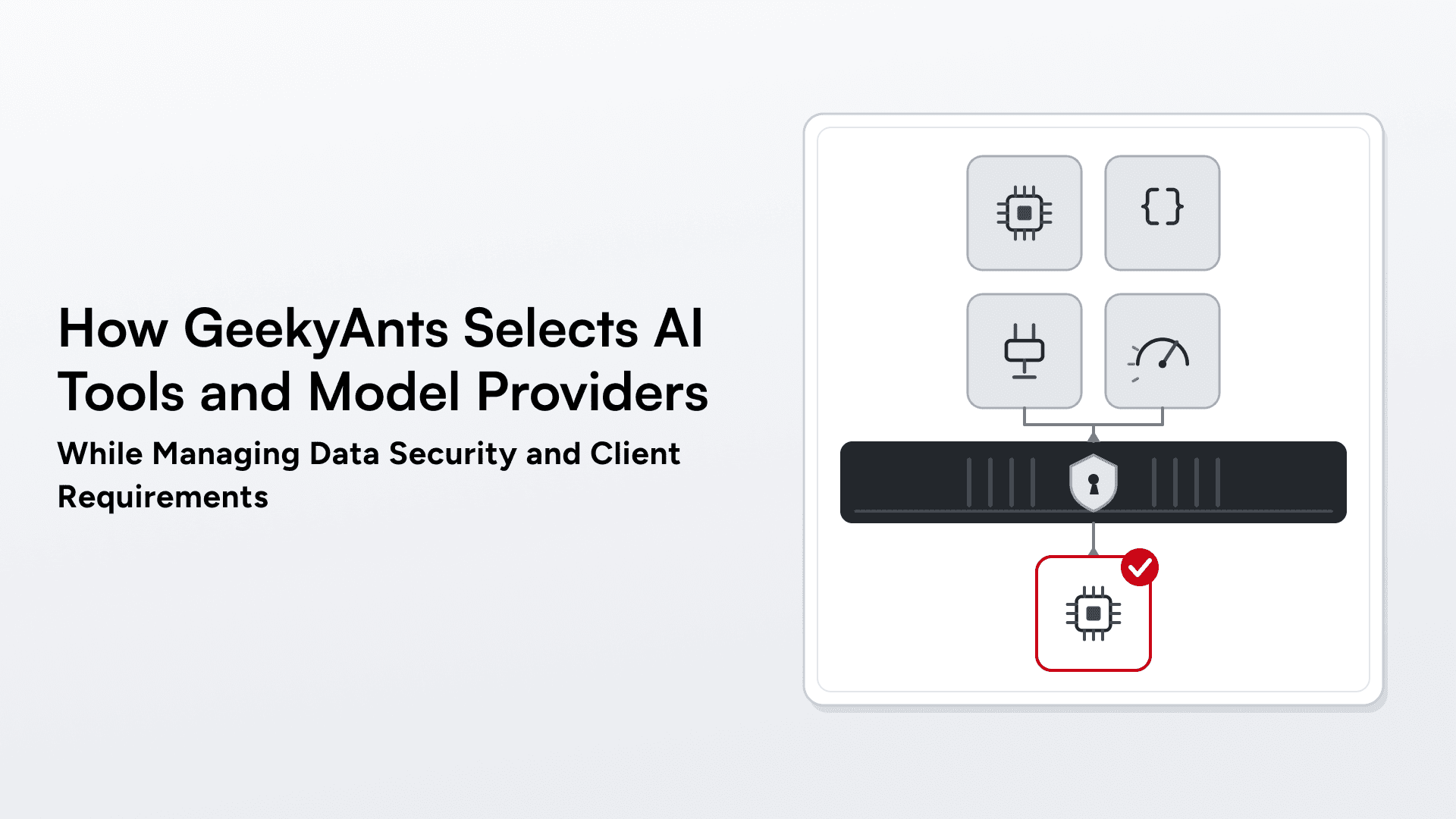
How GeekyAnts Selects AI Tools and Model Providers While Managing Data Security and Client Requirements
Explore the AI tools and model providers used in GeekyAnts’ documented projects, including Claude Code, Gemini, OpenAI, and Ollama. Learn how tool selection, data retention, subprocessors, hosting options, and client requirements shape AI adoption.
How GeekyAnts Uses AI in Software Engineering: From Requirements to Release
This blog explains how GeekyAnts uses AI across software development while maintaining human oversight, quality checks, and engineering accountability.
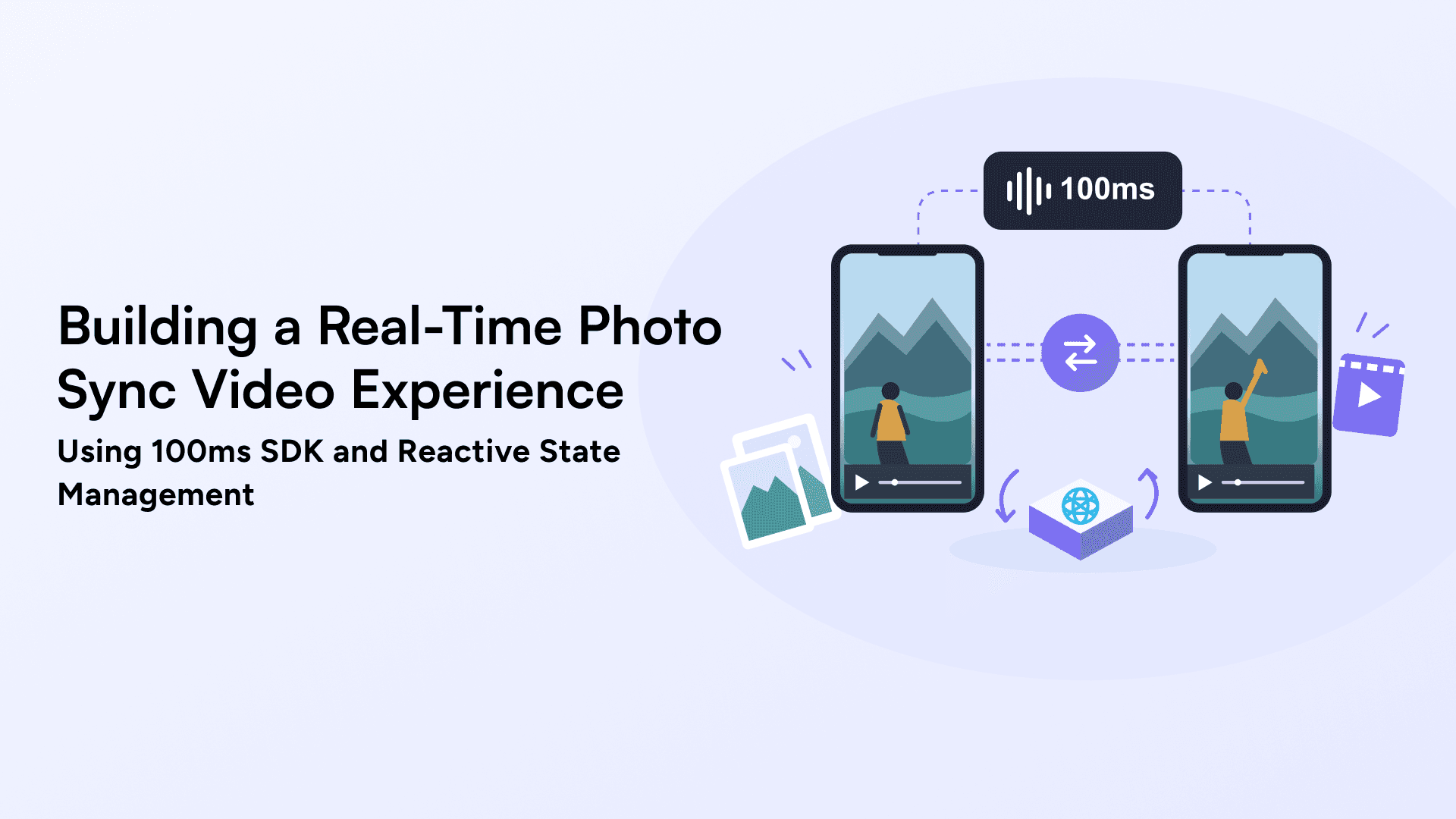
Building a Real-Time Photo Sync Video Experience Using 100ms SDK and Reactive State Management
This blog explains how to build a real-time video experience with synchronized photo sharing, chat, and reactive state management using the 100ms SDK.
How to Hire Fintech Software Developers: Skills, Costs, and Hiring Models
This blog explains how to hire fintech software developers by evaluating domain expertise, technical skills, security, compliance, hiring models, costs, and production experience.
Which GeekyAnts Clients Can Provide References? How Our Client-Reference and NDA Process Works
This blog explains how GeekyAnts handles client-reference requests, including client selection, consent, NDA restrictions, and alternatives when a reference call is unavailable.