Scale-Ready Kubernetes Architecture for Production MVPs | Bespoke
Discover how a lightweight K3s-based Kubernetes setup helped a Nordic retail platform launch fast, stay cloud-agnostic, and scale without overhead.





About the Client
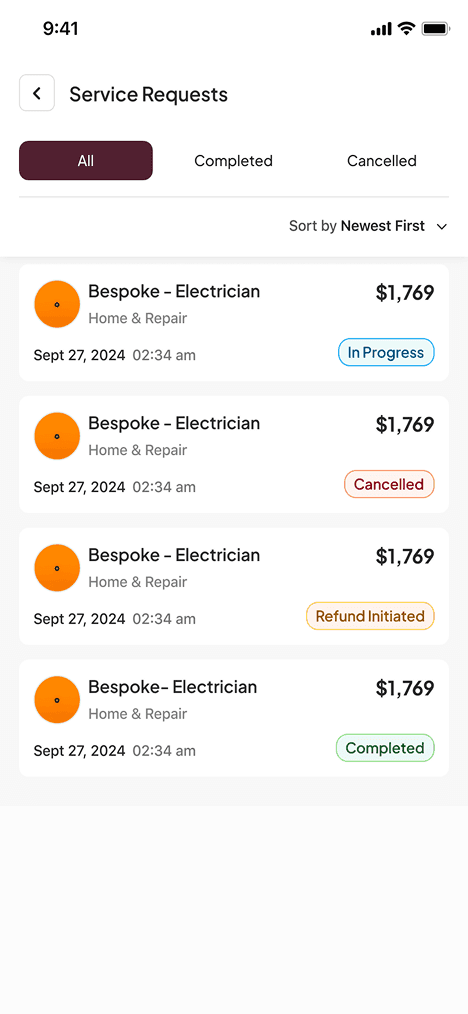
The client is a leading Nordic retail agency that provides operational and strategic support to a diverse portfolio of consumer brands. To optimize sales performance and streamline storefront management, the agency developed Bespoke, a proprietary, tailor-made digital platform. This user-friendly tool is designed to leverage real-time data to enhance retail sales operations and brand growth across the Nordic region.
*All names and logos have been changed to respect the NDA
About the project
Overview
GeekyAnts partnered with the client to design and implement a production-ready, Kubernetes-native infrastructure that balanced speed, reliability, and future scalability.
The key challenge was avoiding two common extremes:
- Over-simplified server setups that work initially but break down as the product grows
- Over-engineered managed platforms that introduce cost and complexity too early
By adopting a lightweight Kubernetes approach using K3s, we enabled the team to ship confidently, maintain environment consistency, and stay cloud-agnostic—while keeping infrastructure overhead appropriate for the product’s current stage.
3
environments K8s setup95%
deployment success rate on the first attempt35%
savings over managed Kubernetes alternatives
BUSINESS REQUIREMENT
The client needed a platform that would allow them to move fast without creating future technical or financial risk.
Key Requirements
The business goals included:
1. Fast and predictable release cycles for rapid product iteration
2. Production-grade stability for customer-facing services
3. Consistent environments to reduce deployment and debugging risk
4. Avoidance of early lock-in to a single cloud or heavyweight platform
5. A clear and low-risk path to scale as usage and demand increased
Rather than optimizing purely for short-term simplicity or premature enterprise scale, the requirement was to build an infrastructure foundation that supported speed today and optionality tomorrow.
CHALLENGES IN EXECUTION & SOLUTIONS
To deliver a stable MVP without the burden of over-engineering, the team implemented a lightweight, cloud-agnostic Kubernetes setup. By standardizing manifests and deployment workflows, we eliminated environment drift between staging and production, ensuring total consistency.
This foundation was reinforced by integrated CI/CD pipelines that achieved a 90–95% first-attempt deployment success rate. Ultimately, this Kubernetes-native approach resolved immediate reliability issues while securing a clear, scalable path for future transition to managed services.
Avoiding Over-Engineering at MVP Stage
Environment Drift Between Staging and Production
Deployment Reliability
Future Scalability Risk
OUR SOLUTION
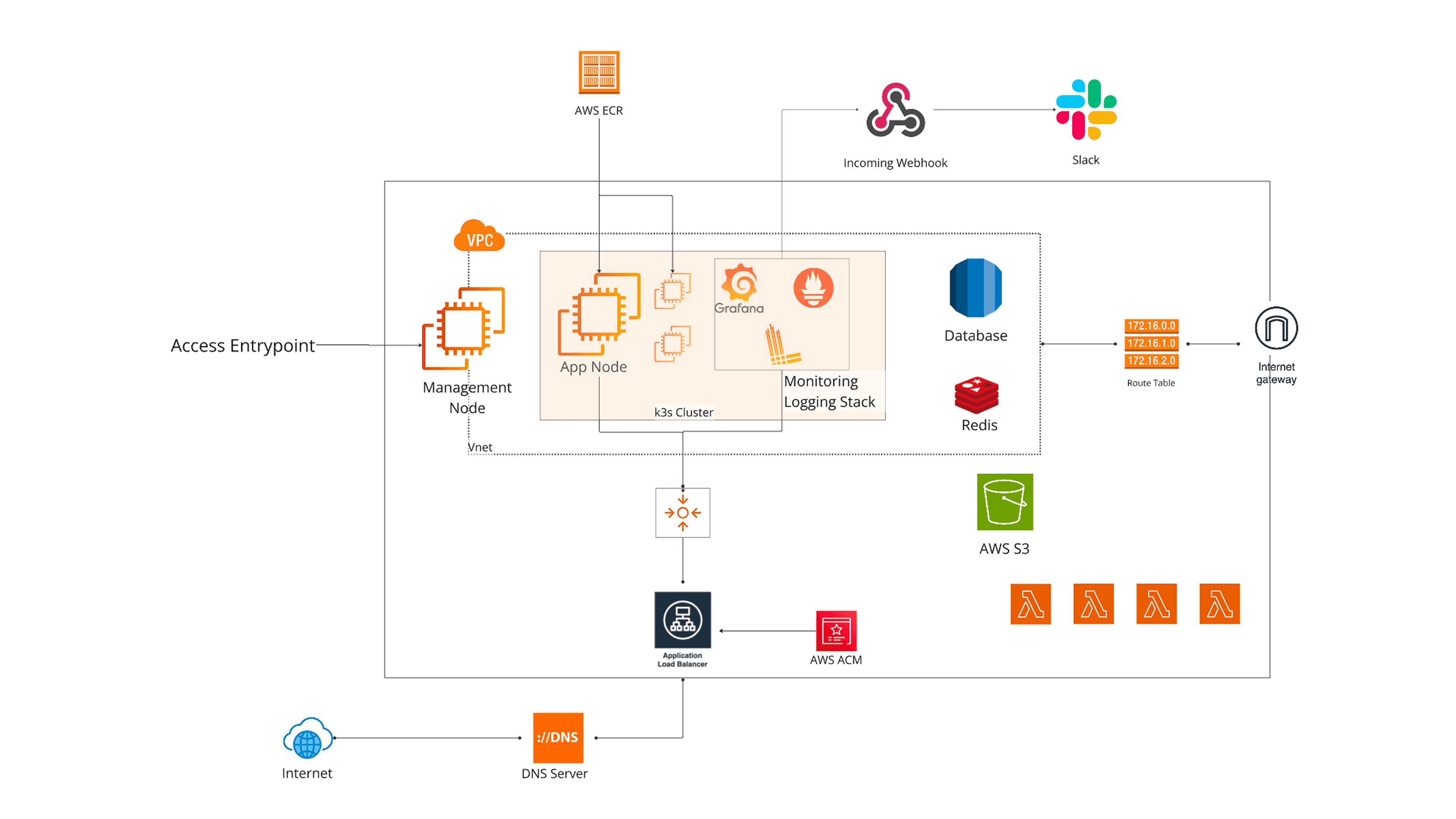
GeekyAnts designed and implemented a Kubernetes-native platform using K3s that delivered production stability without unnecessary platform overhead. From both a business and engineering standpoint, the solution focused on a lightweight Kubernetes foundation, utilizing a K3s-based cluster to provide full compatibility with minimal operational complexity.
This was supported by a standardized CI/CD pipeline, where Jenkins-driven workflows integrated with Kubernetes to enable consistent, repeatable releases across environments. To ensure visibility into system health from day one, built-in observability was established through centralized logging with Loki and metrics monitoring via Prometheus and Grafana. Ultimately, this approach ensured the platform was production-ready, portable, and scalable—without slowing down the development team.

OUR APPROACH
Our approach focused on delivering a reliable platform in clearly defined stages, ensuring each phase added real business value without unnecessary complexity
The Approach can be summarized in the following points:
- Establish Kubernetes-Native Baseline
- Standardize Deployments and Environments
- Introduce Observability and Operational Guardrails
- Stabilize and Harden Production Platform
- Future-Proof Architecture for Scale
- We set up a K3s-based Kubernetes cluster tailored for early-stage production workloads. The focus was on simplicity, fast recovery, and minimal operational overhead while retaining full Kubernetes compatibility.
- This ensured the platform could support real production traffic without the cost or complexity of managed Kubernetes at this stage.
RESULTS
The final platform enabled the client to move quickly while maintaining production stability and long-term flexibility. The infrastructure supported frequent releases, reduced operational risk, and avoided unnecessary platform costs during the MVP and early growth phases.
Most importantly, the client gained a foundation that aligned with their current needs while remaining ready for future scale—without re-architecting the system.