
Cross-Platform App Development Services
We leverage React Native and Flutter to deliver premium iOS and Android experiences from a single codebase. By eliminating the overhead of separate native teams, we help you launch faster and scale efficiently without sacrificing quality.
Leave your details, and we will take it from there.
Building separate native apps for iOS and Android doubles development effort, increases costs, and creates inconsistencies across platforms. Maintaining two codebases slows product iteration and stretches engineering resources thin.
A single React Native or Flutter codebase eliminates that overhead while delivering native-level performance on both platforms. Faster delivery, reduced costs, and a consistent product across devices.
Client Results and Success

Built for high concurrency and real-time interactions
The architecture supports scalable user growth with efficient data synchronization across devices.
- Feature parity
- 100%
- Member Specialized Team in funnel visibility
- 15
- Seamless Onboarding Flows
- 3
Enhanced security across platforms
The integration simplifies authentication while maintaining enterprise-grade security.
- Development Hours Saved
- 70%
- Boost in Security
- 80%
- Reduction in Compliance Risks
- 60%
Improved user engagement through mobile-first design
The platform streamlines content access and scheduling for a smoother user experience.
- Social Media subscribers
- 400k
- App Downloads in Initial Launch
- 1k+
Real-time fleet tracking and operational control
The solution delivers live location tracking, data visualization, and efficient fleet management through mobile-first interfaces.
- Development Hours Saved
- 70%
- week development timeline
- 6
- reduction in SMS costs
- 80%
Our Capabilities in Cross-Platform App Development
End-to-end cross-platform development across the full mobile stack, from rapid prototyping to production deployment.
Expo-based rapid app development
Accelerated development cycles with Expo's managed workflow, reducing setup time and enabling faster prototyping.
React Native CLI for complex apps
Full control over the app architecture for projects that demand custom configurations and deeper platform integration.
Native module integration (Swift, Kotlin)
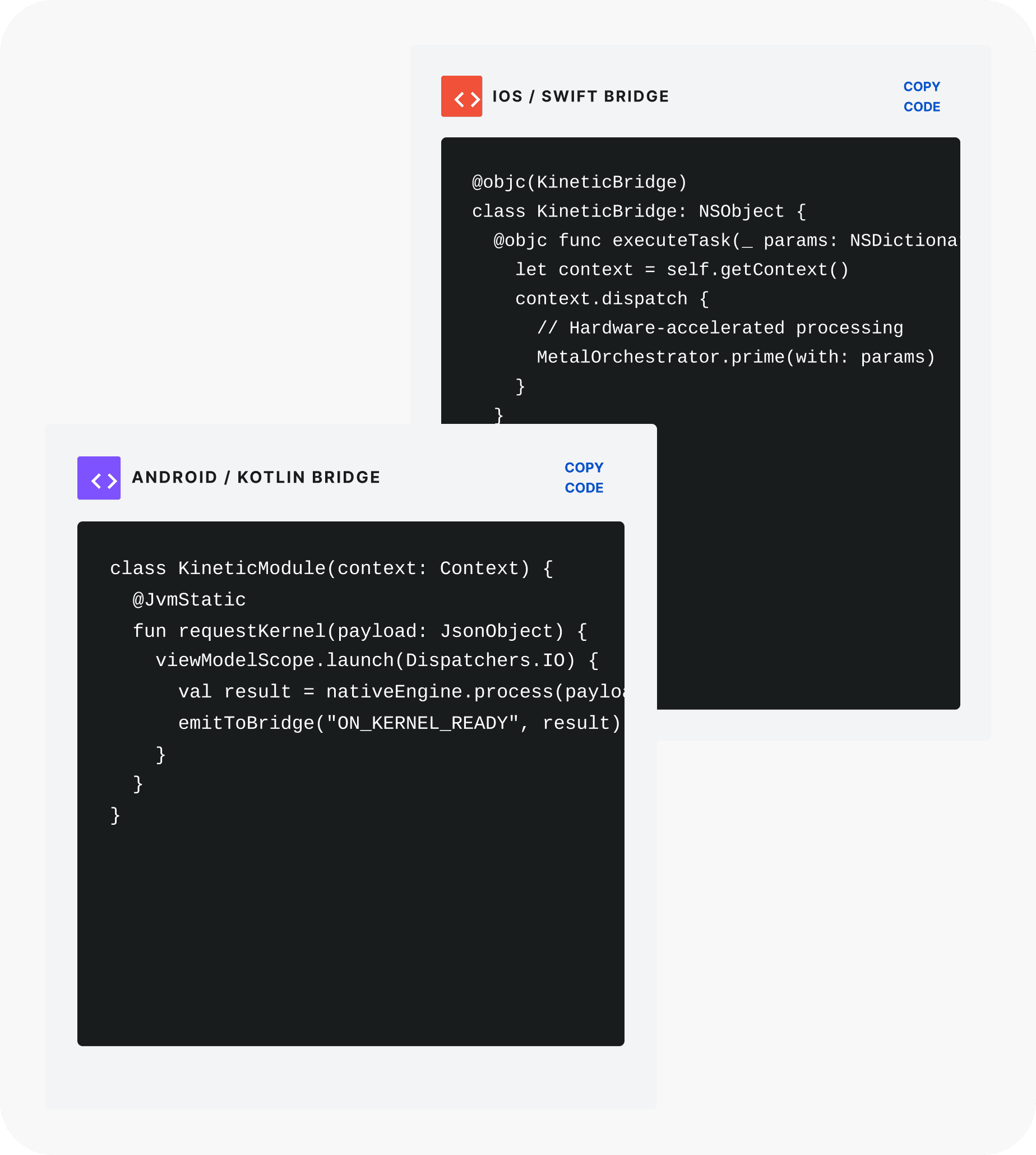
Access to platform-specific APIs and hardware features through native Swift and Kotlin modules, without leaving the cross-platform setup.
App Store & Play Store deployment
End-to-end support for app submission, review compliance, and release management across both stores.
<2s
TIME TO INTERACT
60FPS
STABLE UI PERFORMANCE
99.9%
CRASH-FREE SESSIONS
2x
Faster Interaction Response
99.9%
Uptime & Reliability
Strategic Advantages of Cross-Platform App Development Services
By building on a shared codebase, teams ship faster, maintain consistency across platforms, and reduce the long-term cost of scaling their product.
Faster time-to-market
Ship to both iOS and Android simultaneously, cutting release timelines without splitting the engineering effort.
Single codebase for iOS & Android
One codebase means unified development, easier maintenance, and consistent feature rollouts across platforms.
Full native control when needed
Native modules bridge the gap when platform-specific functionality or performance is critical.
Scalable architecture
Built to grow, the architecture supports increasing complexity, user load, and feature expansion over time.
A Structured Approach that Takes Your Product from Concept to deployment Across both Platforms.
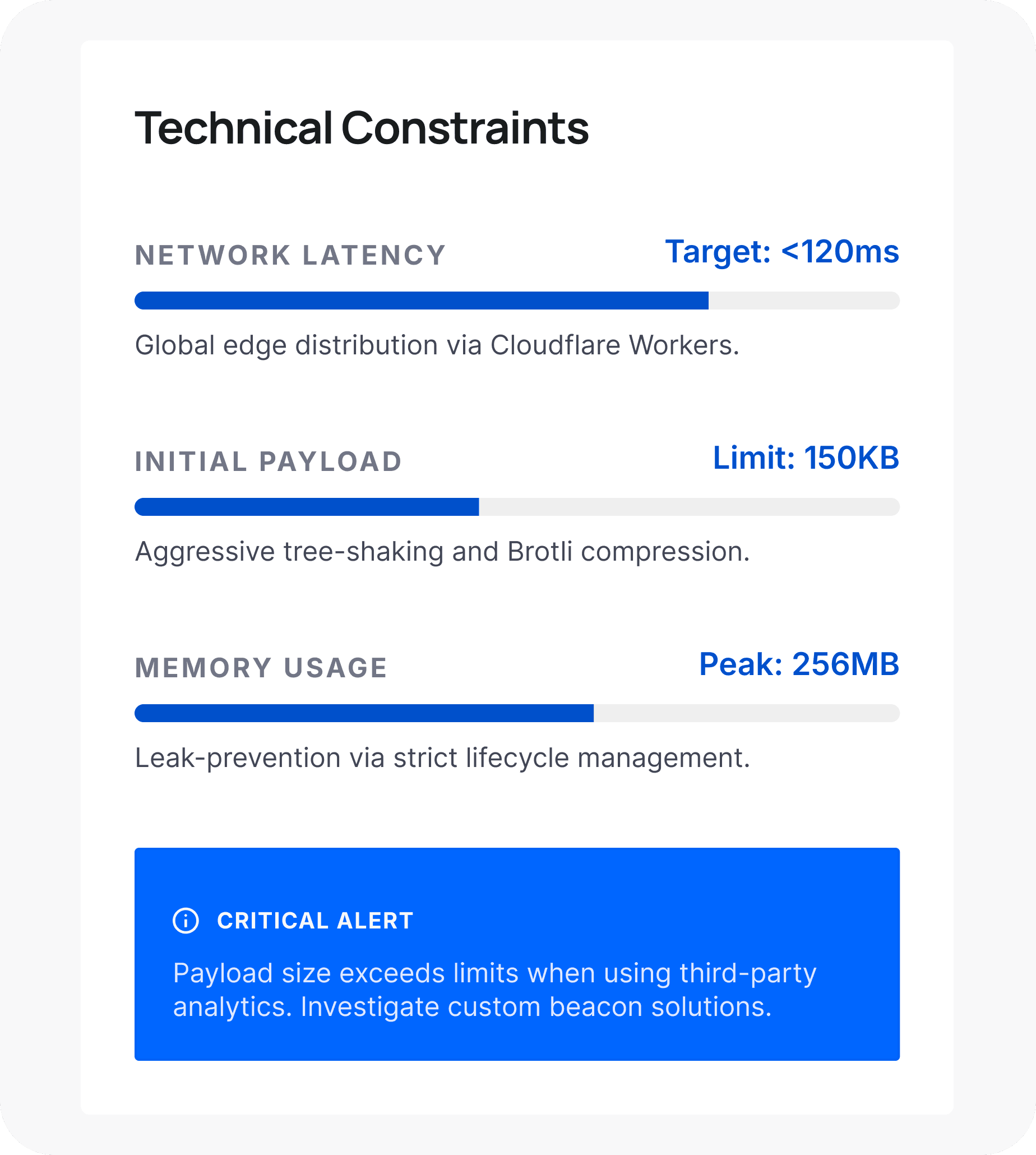
Define the scope, platform requirements, and technical constraints before a single line of code is written.
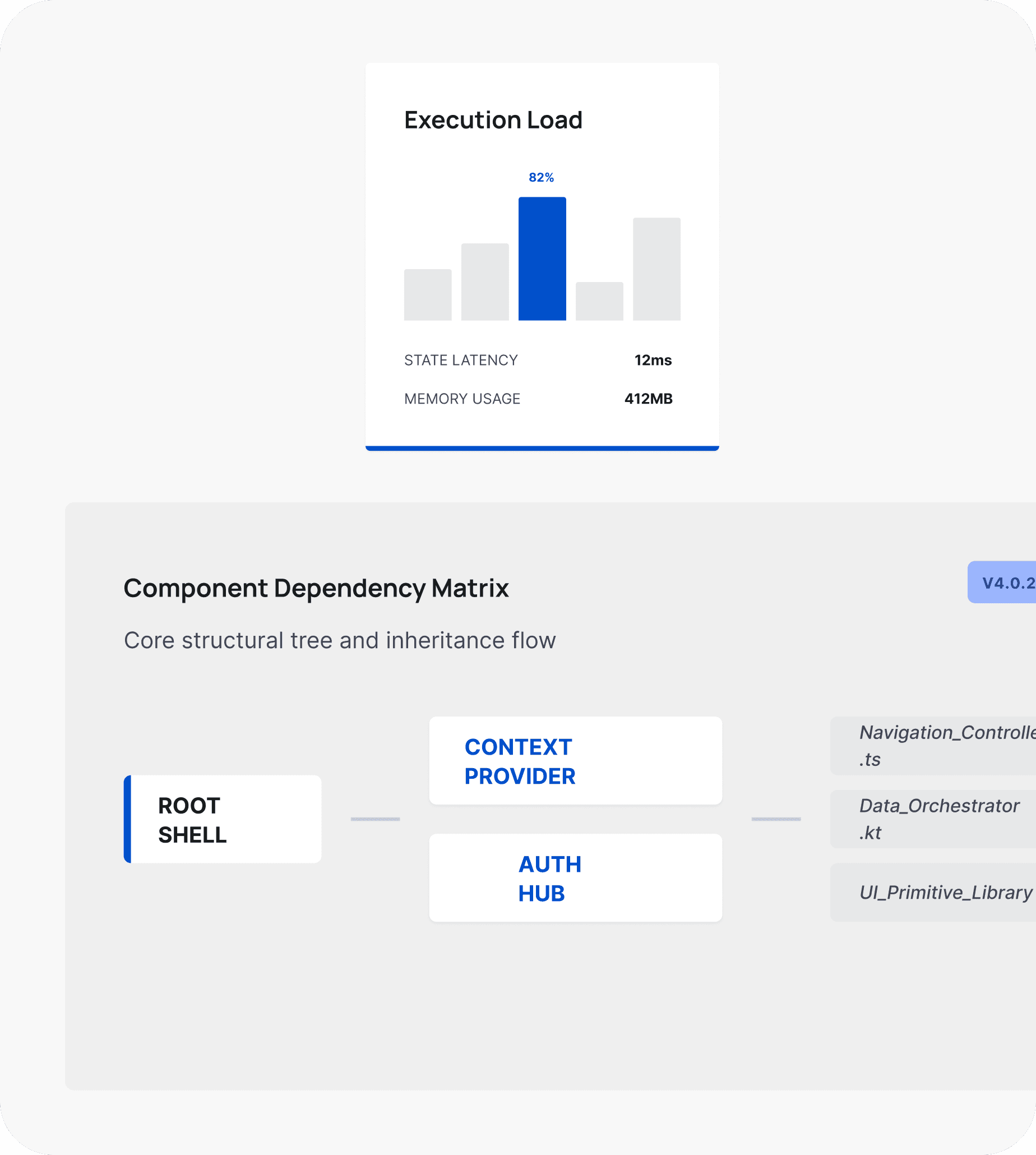
Establish the foundation — component structure, state management, navigation, and native integration points.
Bridge platform-specific functionality using Swift and Kotlin modules where the cross-platform layer falls short.
Manage the end-to-end submission process for both the App Store and Play Store, including compliance and release coordination.
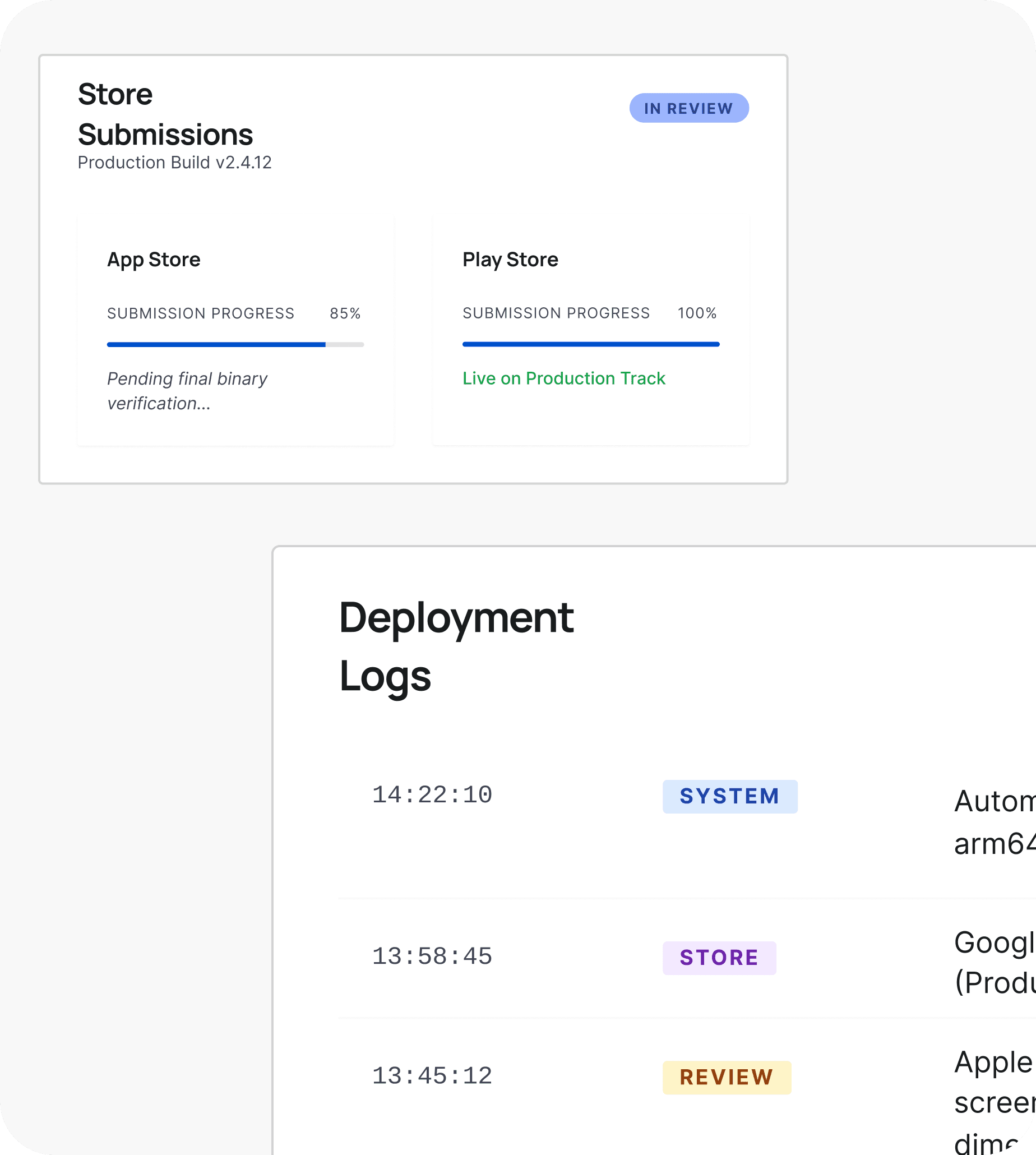
Comprehensive solutions for Mobile Engineering
Technology Stack for Cross-Platform App Development
The right stack varies by product, shaped by scale, platform requirements, and the level of native control the application demands. Every technology decision is made to support long-term performance and maintainability.
- Next js

- react native

- Vue.js

- angular
- typescript

- tailwind css

- Shadcn UI

- gluestack

- node js

- vercel

- aws

Cross-Platform App Development Built for Every Industry
Every product has different platform requirements, performance targets, and scalability needs. We build cross-platform applications for:


FAQs on Cross-Platform App Development
Cross-platform app development allows you to build a single application that runs on both iOS and Android. This eliminates the need for separate development teams and codebases, reducing time and cost. Businesses get a consistent product across platforms with faster release cycles. It is the most resource-efficient approach to mobile development at scale.
Cross-platform development typically costs 30–40% less than building separate native applications for iOS and Android. A single codebase means fewer engineering hours, unified QA, and streamlined maintenance. The reduction in overhead directly impacts your product budget and long-term operational costs. It delivers native-grade performance at a fraction of the investment.
Modern cross-platform frameworks like React Native and Flutter deliver performance that is on par with native applications for most use cases. Platform-specific functionality can be accessed through native modules when required. The performance gap that existed years ago has been bridged by advances in these frameworks. For the vast majority of mobile products, cross-platform is a production-ready choice.
Development timelines depend on the complexity of the product, integrations required, and the depth of native functionality needed. A standard cross-platform application typically takes 3–6 months from discovery to store deployment. The single codebase model reduces parallel workstreams, keeping timelines leaner than native development. A scoped discovery session can give you a more accurate estimate for your specific product.
Yes, existing native applications can be migrated to React Native or Flutter, either in full or incrementally. A technical audit is conducted first to assess the existing architecture and identify migration complexity. Critical native modules are preserved and bridged into the new cross-platform layer. This approach protects your existing investment while future-proofing the product for scale.
