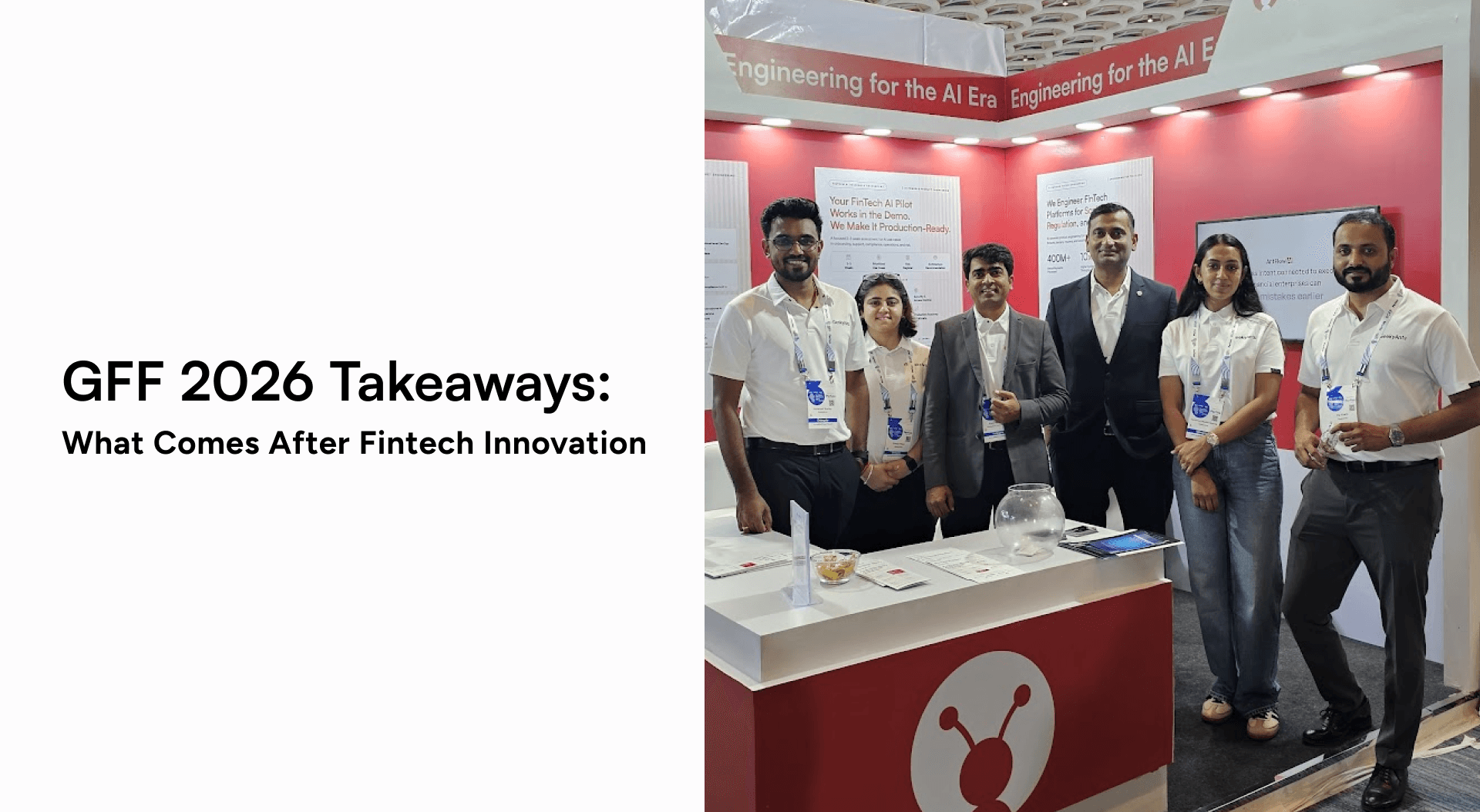

If you know what we’re all about, and if you know how much we love tinkering with new tech, you know that we just had to do it. Svelte is a newfound love for us and what are we if not there for the community.
So, we created a brand new meetup group for the newest community in the tech sphere. Svelte Bangalore aims to bring the Svelte loving community together every once in a while to discuss and learn more about this emerging new framework. Much like the 1st Svelte Meetup hosted by GeekyAnts on 22nd February, 2020, right after the regular React Native & Flutter Meetup.
It was obvious that a new meetup event would bring new faces and new experiences along with it. Not to forget, the new learnings and knowledge in Svelte that would not only add to the expertise of the attendees, but also keep them updated with the latest in the tech & that is exactly what happened in the event.
A lineup of 4 speakers and a hall full of excited devs was the perfect setting to kick the event off and Sanket Sahu did just that. He talked about the goal behind the new meetup group and promoted diversity, while encouraging people to step up and talk about this new tech.
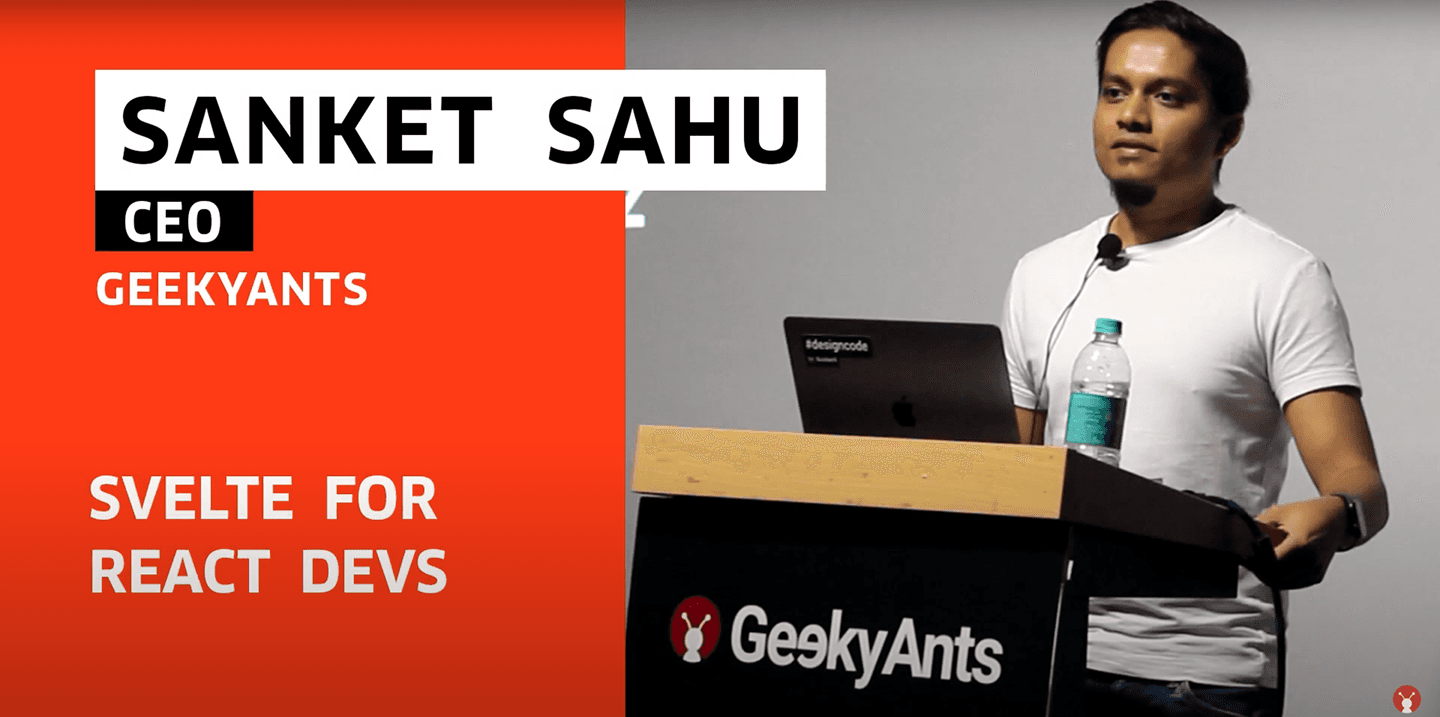
Continuing from his keynote, he transitioned into his talk on Svelte for React Devs. He discussed the buzz behind Svelte with the crowd and got the inputs he required. He introduced Svelte with a comparison to other similar frameworks. He introduced the fact that Svelte was built by the New York Times to solve a set of their own problems. He talked about the advantages of Svelte over traditional frameworks and how Svelte involves no boilerplate involvement and writing less code. He demonstrated a collapsible tree that he built in Svelte in just 20 lines of code. He also drew a live comparison between React & Svelte by showing a demo of the same elements made in the two techs.
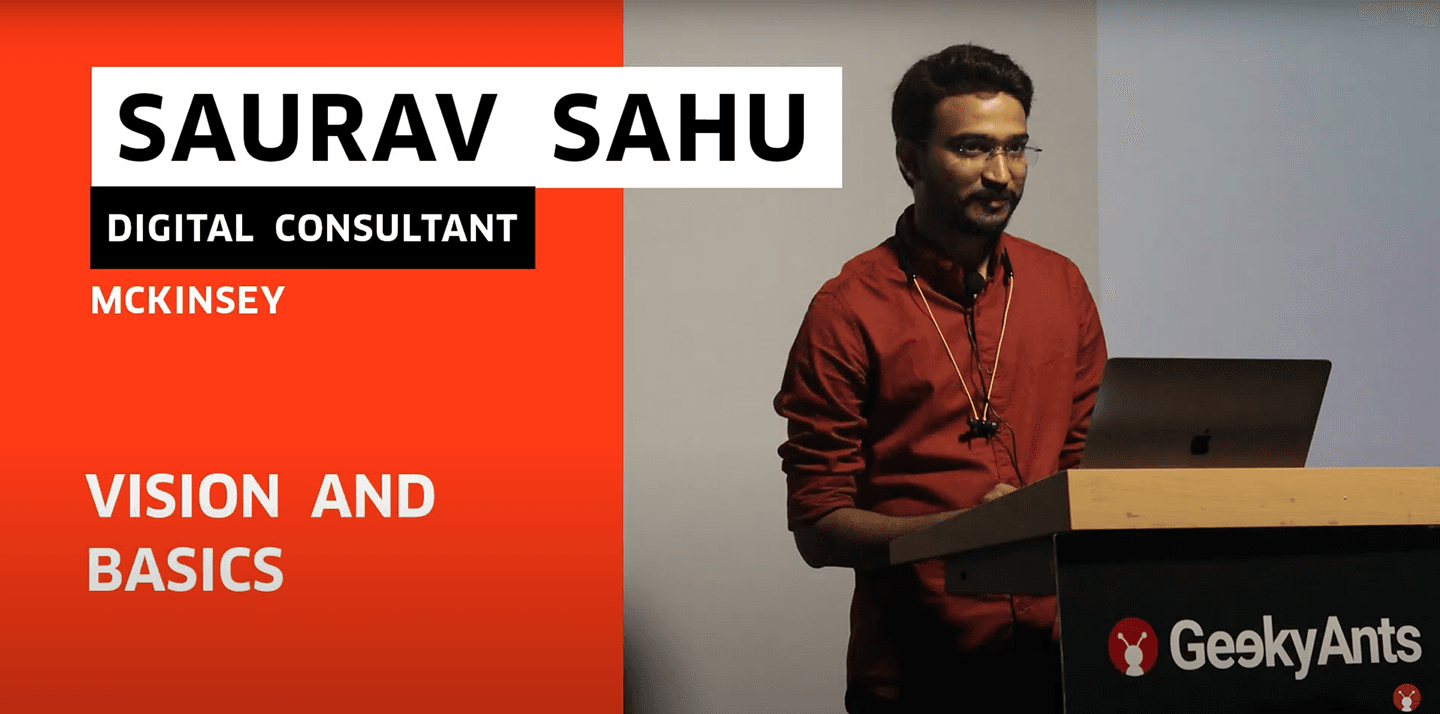
After Sanket, the stage was handled by Saurav Sahu, who talked about the vision & basics of Svelte, admittedly creating an overlap between Sanket’s talk and his. His agenda covered the what, the why and the how of Svelte with a live coding session where he built a quick to-do app using webpack, where he explained every basic concept while he demonstrated the app. He finished his talk by discussing some shortcomings of Svelte and things to look forward to.
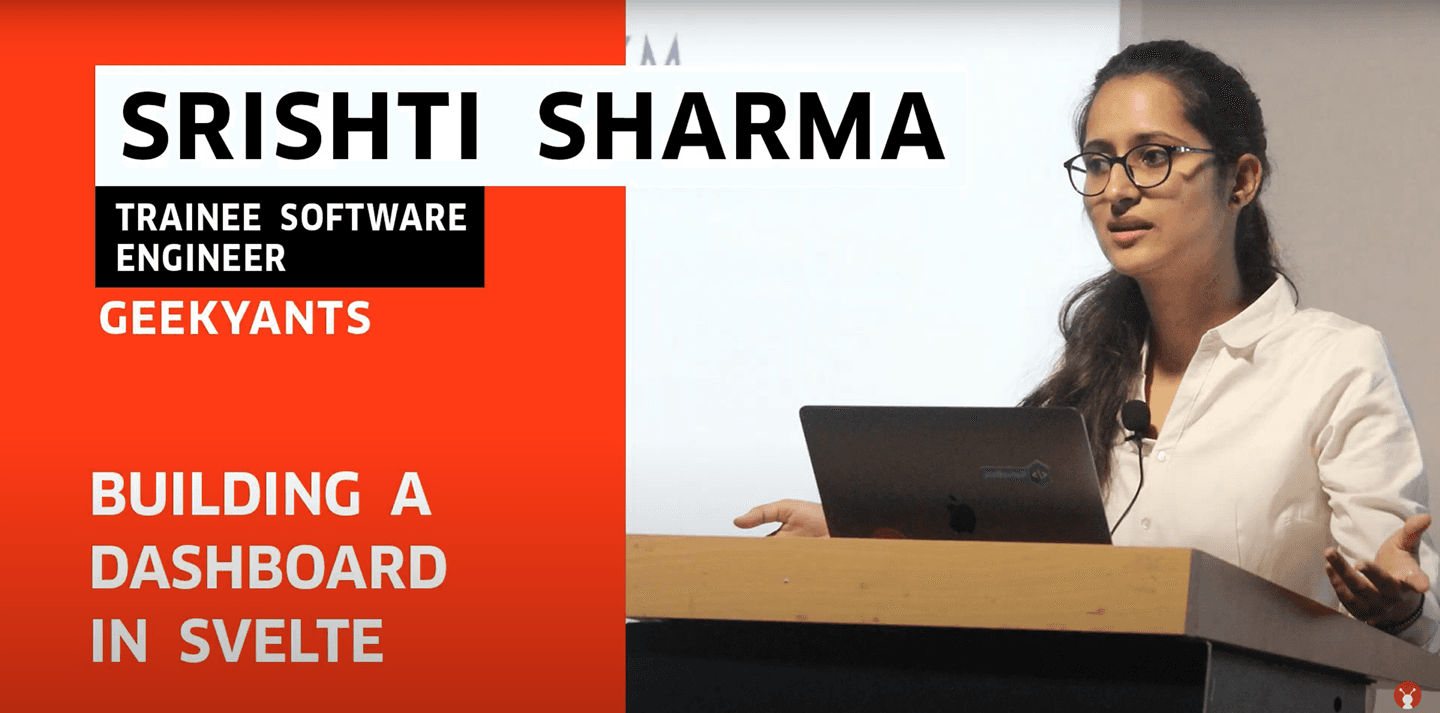
After a quick break from the action and some refreshments later, the stage was taken by Srishti Sharma, who talked about an experiment that she did in Svelte. She shared her journey of learning Svelte and everything that she used to build a web dashboard in the framework. She took the liberty of relying on the other talks for the basics and touched upon them, proceeding to her dashboard and a quick demo of it. Towards the end, she encouraged the crowd to contribute to it and build their own experiments to test Svelte.
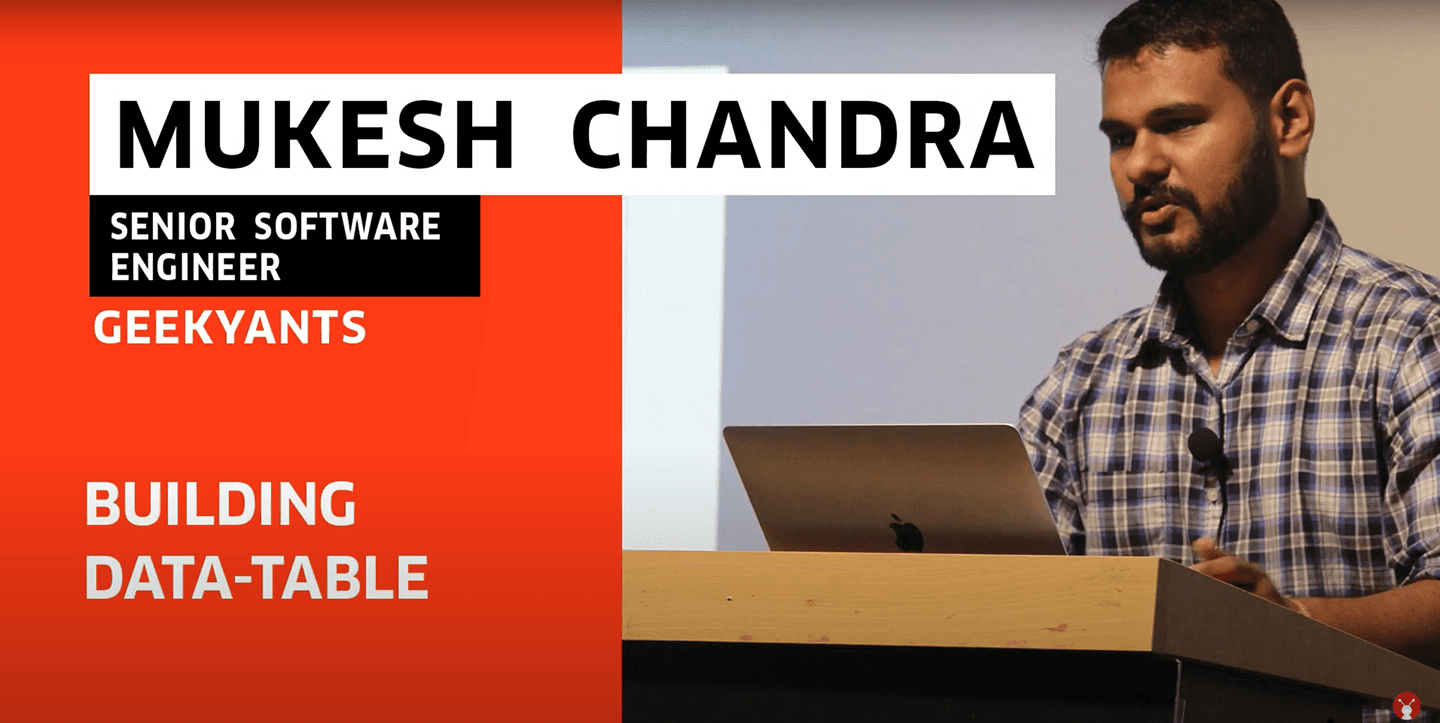
The last speaker on stage was Mukesh Chandra, who talked about building data tables in Svelte. He also touched upon the basics of Svelte and discussed what web components are. He talked about custom elements, shadow DOMs & HTML templates as web components. Then he demonstrated how to build data tables using Svelte and how they work. He explained the code structure and walked everyone through important code blocks of his table.
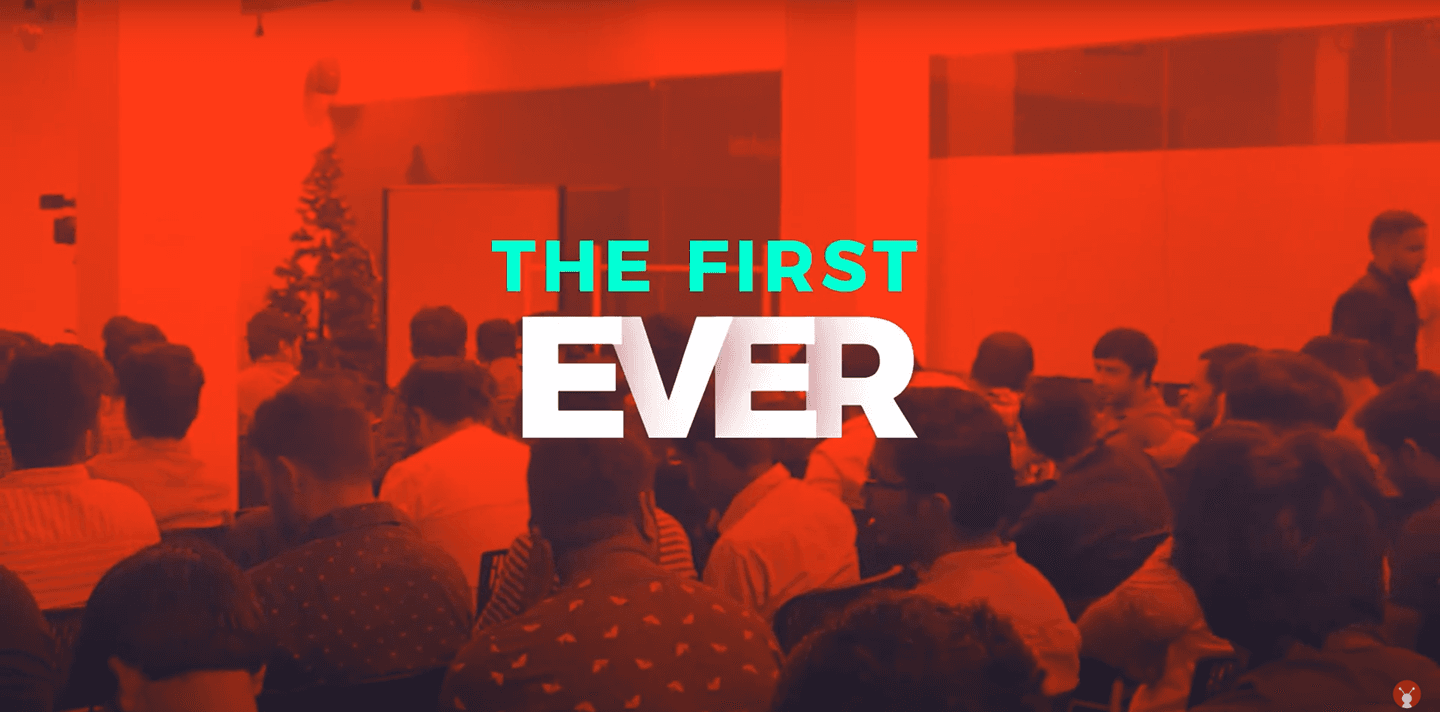
With the final talk in place, the first Svelte meetup had officially come to a close. Reading the room, it was evident that we had to make plans to do this again, which is already in effect. It was a surreal experience to have people share their enthusiasm over Svelte and other tech over pizzas and drinks & we can’t wait to do this again. You can watch this space to keep yourself updated on the latest in the meetup group and when the next event will be help.
Until then…
Godspeed.