

Editor’s Note: The blog was originally written by Rupsa Das, Product Owner I and published in June 2024. It was revised and updated by Harrini in July 2026 to refresh industry insights and payment trends, update the payment gateway integration process, improve guidance on security and compliance, and revise the content to reflect current best practices for building secure and scalable food delivery applications.
Key Takeaways
- Supporting multiple payment methods, such as cards, digital wallets, and QR payments, helps improve checkout and reduce abandoned orders.
- A secure payment gateway requires more than integration; it also needs encryption, tokenization, testing, and ongoing monitoring.
- A smooth, reliable payment experience improves customer satisfaction, encourages repeat orders, and supports business growth.
- Choosing the right payment gateway and development partner helps businesses build scalable food delivery apps with confidence.
Navigating the Food Delivery & Restaurant App Development Ecosystem
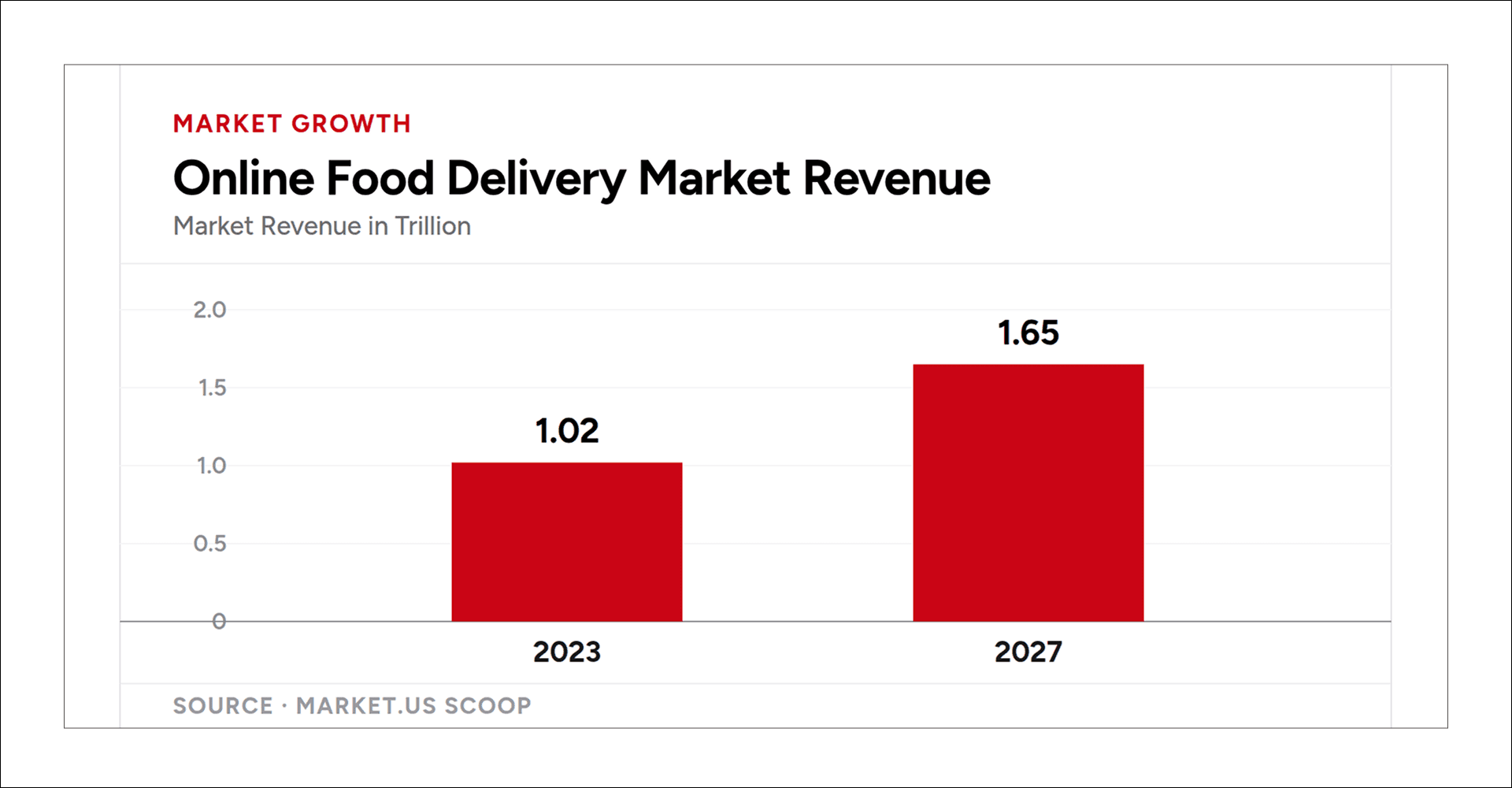
The image below shows the projected revenue of the online food delivery market worldwide from 2023 to 2027, increasing from US$1.02 trillion to US$1.65 trillion at a CAGR of 12.78%.
The restaurant industry has undergone a significant transformation in recent years, driven by advancements in technology and changing consumer behaviors. Food delivery apps have become a crucial component of this shift, providing a convenient way for customers to enjoy their favorite meals from the comfort of their homes. Companies specializing in food delivery app development play a vital role in this ecosystem, offering tailored solutions that cater to the specific needs of restaurants and their customers.
These companies focus on creating user-friendly interfaces, efficient order management systems, and robust backend infrastructures to ensure seamless operations. They understand the unique challenges of the restaurant industry, such as fluctuating demand, diverse menu offerings, and the need for real-time updates.
By leveraging their expertise, these developers help restaurants expand their reach, enhance customer satisfaction, and streamline their operations.
The Role and Importance of Payment Gateways in Food Delivery Apps
Payment gateways are the backbone of any successful food delivery app. They facilitate secure and efficient transactions between customers and restaurants, ensuring a smooth and hassle-free payment experience. The integration of payment gateways into food delivery apps is crucial for several reasons:
- Convenience: Customers expect a smooth checkout process. A well-integrated payment gateway helps them complete orders quickly and effortlessly, with features like saved payment information, one-click payments, and mobile banking integration. Order tracking and real-time notifications further enhance their experience from order placement to delivery.
- Security: Payment gateways use SSL and TLS encryption to protect sensitive financial information, ensuring secure transmission and storage of data. Compliance with industry standards builds customer trust by maintaining high security levels. Regular security audits and updates further enhance payment security.
- Flexibility: Payment gateways support multiple payment methods, allowing customers to choose their preferred option, including credit/debit cards, digital wallets, UPI, and even cryptocurrencies. This flexibility caters to a broader customer base, including those who prefer contactless payments. It also supports recurring payments and subscriptions, useful for services offering meal plans or frequent order discounts. Integration with local payment systems makes the app more accessible to international users, expanding market reach.
Types of Online Restaurant Payment Methods You May Need
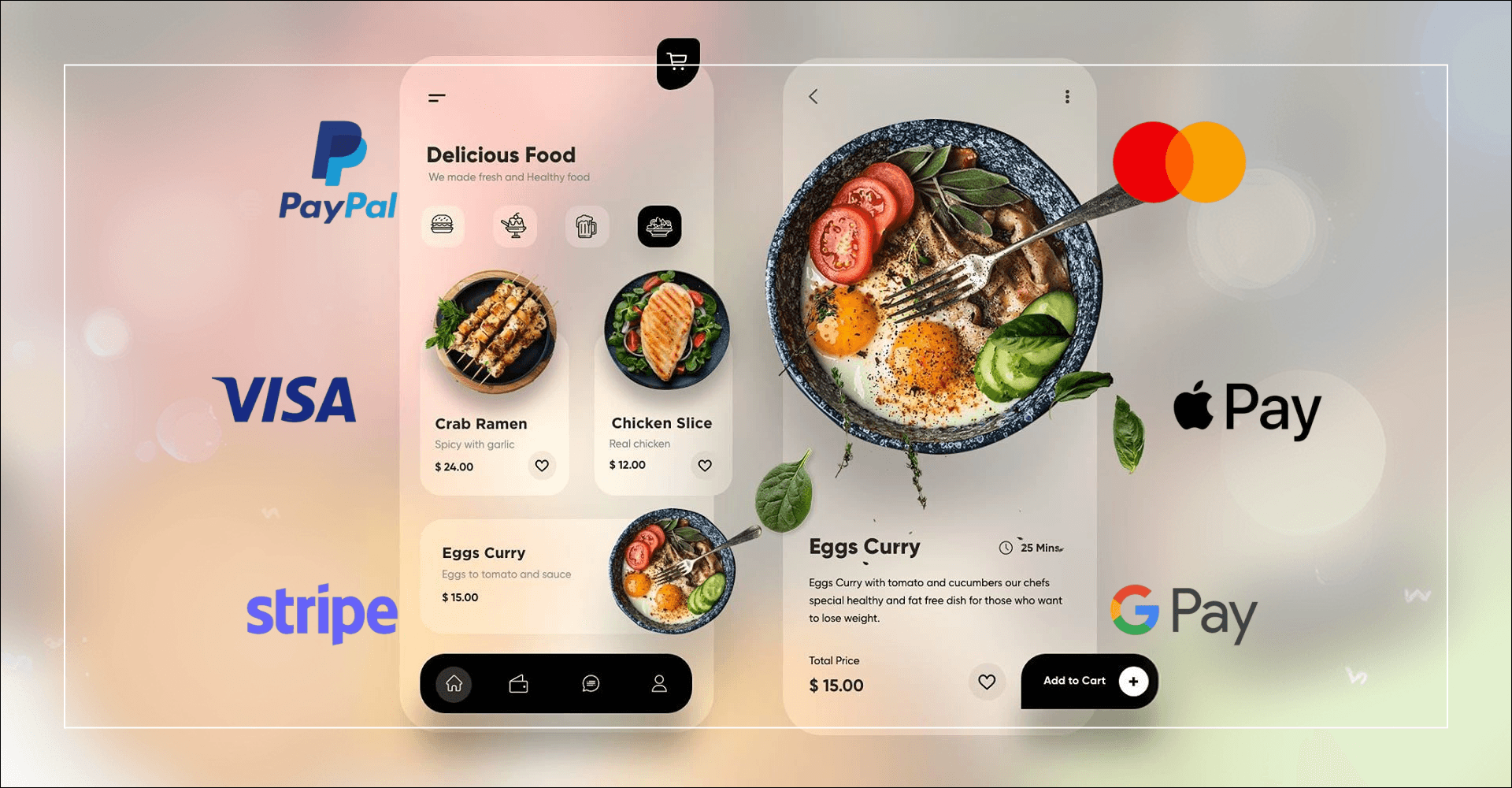
To cater to diverse customer preferences, it is essential for food delivery apps to support various payment methods. Here are some key payment options:
- Secure Card Payments: Customers can use major credit and debit cards through secure payment gateways like Stripe. These gateways handle the transaction processing while adhering to security standards.
- Fast & Contactless QR Payments: Popular in mobile-savvy regions, QR code payments involve a unique code displayed at checkout. Customers simply scan it with their banking app or digital wallet for a quick and contactless transaction.
- Convenient Digital Wallets: Wallets like Apple Pay and Google Pay offer a secure and user-friendly way to pay. Integration with their APIs allows customers to seamlessly pay using their phone's fingerprint or facial recognition for verification.
- Bank Transfers for Larger Orders: For high-value orders or those who prefer not to use cards or wallets, direct bank transfers are an option. Partnering with banking processors like Plaid enables secure connections to customer bank accounts for ACH transactions.
How to Integrate Payment Gateway into a Food Delivery App (Step by Step Approach)
1. Define Business Requirements
Before you start the technical integration, it is crucial to define your business requirements. Determine the payment methods you want to offer (credit cards, digital wallets, UPI, etc.), the regions you plan to serve, and any specific features like recurring payments or subscriptions. This step will guide your choice of payment gateway provider and ensure that the integration aligns with your business goals.
2. Choose a Payment Gateway Provider
Select a reliable payment gateway provider that meets your business needs. Popular options include Razorpay, Stripe, PayPal, and others. Evaluate their features, pricing, supported payment methods, and ease of integration. Ensure that the provider supports the payment options and regions you plan to target.
3. Set Up a Merchant Account
Once you have chosen a provider, set up a merchant account with them. This account will allow you to process payments and receive funds. The setup process typically involves providing business information and completing verification steps.
4. Obtain API Keys and Documentation
After setting up your merchant account, obtain the necessary API keys and access to the provider's documentation. API keys are essential for authenticating requests from your app to the payment gateway. The documentation will provide detailed instructions on how to integrate the gateway with your app.
5. Integrate Payment Gateway with Your App
- Backend Integration: The payment gateway provider will offer APIs for backend integration. These APIs handle transactions, verify payments, and manage refunds. Your development team will need to implement these APIs on your server to process payments securely.
- Frontend Integration: Integrate the payment gateway into your app's frontend to provide a seamless user experience. This involves adding payment forms, handling user input, and integrating with the provider's SDKs (Software Development Kits). Ensure that the frontend is user-friendly and supports various payment methods.
6. Implement Security Measures
Security is vital in payment processing. Implement tokenization to replace sensitive payment information with a secure token. Ensure compliance with payment card industry standards to protect customer data. Use SSL/TLS encryption to secure data transmission between your app and the payment gateway.
7. Test the Integration
Thoroughly test the payment gateway integration in a staging environment before going live. Test various payment methods, edge cases, and error scenarios to ensure a smooth user experience. Simulate different transactions, including successful payments, declines, and refunds.
8. Monitor and Optimize
After launching the integration, continuously monitor its performance. Track key metrics such as transaction success rates, payment failures, and user feedback. Optimize the integration based on these insights to enhance the checkout process and address any issues promptly.
9. Ensure Ongoing Compliance and Updates
Stay updated with the latest security standards and regulations. Regularly update your integration to comply with new requirements and leverage new features offered by the payment gateway provider. Conduct periodic security audits and keep your app's payment processing system secure and efficient.
Ensuring Security and Privacy: How to Make Online Payment for Restaurants More Secure
As discussed, security and privacy are crucial in online payments. To ensure robust security for restaurant payment systems, consider the following measures:
- Encryption: Use SSL/TLS encryption to protect data transmitted between the app and the payment gateway. SSL (Secure Socket Layer) and TLS (Transport Layer Security) ensure that data, such as credit card details and personal information, are encrypted during transmission, making it difficult for hackers to intercept and decipher the information. Implementing HTTPS (Hypertext Transfer Protocol Secure) throughout the app and website is essential for ensuring that all data exchanges are secure. Maintaining updated encryption protocols and regularly renewing SSL certificates are also crucial to avoid vulnerabilities.
- Tokenization: Replace sensitive card details with a unique token to minimize the risk of data breaches. Tokenization converts card details into a random string of characters that have no exploitable value if intercepted. The actual card information is stored securely by the payment gateway or tokenization provider, reducing the risk of data breaches. Implementing tokenization involves integrating with a payment gateway that supports this feature and ensuring that the tokens are handled securely throughout the transaction process. This method significantly reduces the burden of securing sensitive data on the restaurant’s servers.
- Two-Factor Authentication (2FA): Implement 2FA to add an extra layer of security during the payment process. Two-Factor Authentication requires users to provide two forms of identification before completing a transaction, typically something they know (a password) and something they have (a smartphone or hardware token). This can be implemented using SMS codes, authentication apps like Google Authenticator, or hardware tokens. 2FA helps prevent unauthorized access even if a user's password is compromised, enhancing overall transaction security. For added security, consider using biometric authentication methods, such as fingerprint or facial recognition, which are harder to duplicate.
- Regular Audits: Conduct regular security audits and vulnerability assessments to identify and address potential threats. Regular security audits involve a thorough review of the payment system’s security controls, policies, and procedures. Vulnerability assessments and penetration testing can identify weaknesses that could be exploited by attackers. These audits should be performed by qualified security professionals and should include reviewing software updates, monitoring security logs, and testing incident response plans.
Key Benefits of Integrating Payment Gateways
Integrating payment gateways into food delivery apps offers numerous benefits for both restaurants and customers:
- Increased Sales: By offering a variety of payment options, restaurants can cater to a broader audience, including those who prefer digital payments over cash. This inclusivity can lead to increased order volumes as customers feel more comfortable and find it easier to complete transactions. Integrating loyalty programs and promotional offers with payment gateways can incentivize repeat purchases, thereby boosting sales. For instance, customers might be more likely to order if they know they can easily use a discount code or accumulate points for future discounts.
- Improved Cash Flow: Payment gateways facilitate quicker transaction processing, which can help restaurants manage their cash flow more effectively. Instant or near-instant settlement of funds means that restaurants receive payments promptly, enabling them to manage their expenses, payroll, and supply chain more efficiently. This immediacy also helps in reducing the financial strain that can come from delayed payments, ensuring that restaurants have the liquidity necessary to operate smoothly and invest in growth opportunities.
- Enhanced Customer Experience: A seamless payment process is a critical component of a positive customer experience, leading to higher satisfaction and repeat business. Features like one-click payments, stored payment details, and immediate confirmation of transactions contribute to a hassle-free ordering experience. Integrated payment gateways can provide real-time updates on order status and payment confirmation, enhancing transparency and trust. A positive payment experience can significantly impact a customer's likelihood to return, thereby increasing customer loyalty and lifetime value.
- Access to Insights: Payment gateways provide valuable data on customer purchasing patterns, which can help restaurants tailor their offerings and marketing strategies. Detailed transaction data can reveal trends such as peak ordering times, popular dishes, and average order values. Restaurants can use this information to optimize their menus, create targeted promotions, and improve inventory management. For example, knowing that certain dishes are popular on weekends can help in planning promotions or stocking up on necessary ingredients. Customer feedback and behavior analytics can be used to personalize marketing efforts, thereby enhancing customer engagement and retention.
Future Trends in Payment Integration
The future of payment integration in food delivery apps is shaped by emerging technologies and evolving consumer preferences. Here are some trends to watch:
- Contactless Payments: The use of NFC technology and mobile wallets like Apple Pay and Google Pay is growing due to demand for hygiene and convenience. QR code payments are also seeing popularity where NFC is less common.
- AI and Machine Learning: These technologies enhance fraud detection and personalize payment experiences by analyzing customer behavior. They can flag potential fraud in real-time and suggest customized payment options.
- Voice Commerce: Voice-activated payments using smart speakers and voice assistants like Alexa and Siri offer hands-free convenience. This trend requires robust natural language processing and secure voice authentication.
- Global Payment Solutions: As apps expand internationally, they must support multiple currencies and comply with regional regulations. Partnering with payment gateways that offer localized payment methods and ensuring compliance with regulations like GDPR and PSD2 is crucial.
- Cryptocurrency Payments: The integration of cryptocurrencies like Bitcoin and Ethereum as payment options is gaining traction. This offers users more payment flexibility and can appeal to tech-savvy customers seeking alternative payment methods.
- Biometric Authentication: Using biometric data such as fingerprints or facial recognition for payments is becoming more common. This enhances security and provides a quicker, more convenient way for users to authenticate transactions.
Choosing the Right Restaurant Mobile App Developers
When it comes to selecting the right developers for your restaurant's mobile app, several critical factors ensure the project's success. Here is how we at GeekyAnts assist our clients in making the best choice:
- Understanding Client Needs: Every restaurant has unique requirements, and we start by comprehensively understanding our clients' specific needs. From menu configurations to delivery options, we gather all essential details to ensure the app meets the business objectives and enhances customer engagement.
- Expertise in the Restaurant Industry: Not all developers understand the nuances of the restaurant industry. We ensure our developers have a deep understanding of restaurant operations, customer behavior, and industry trends. This expertise allows us to create apps that are not only functional but also aligned with the latest market demands.
- Providing Customizable Solutions: We believe in the power of customization. Our solutions are not one-size-fits-all; instead, they are tailored to meet the distinct needs of each client. Whether it's a unique ordering system or a specific loyalty program, we customize every aspect to deliver maximum value.
- Focusing on User Experience (UX): The success of a mobile app heavily depends on its usability. Our team prioritizes creating intuitive and user-friendly interfaces that provide a seamless experience for customers. Easy navigation, quick access to information, and smooth interactions are at the core of our design principles.
- Ensuring Seamless Payment Integration: A critical component of any restaurant app is the payment system. We ensure that our apps offer seamless payment integration, supporting various payment methods. This convenience not only enhances user satisfaction but also encourages repeat business.
- Implementing Robust Security Measures: Security is a prime concern for any mobile app, especially those handling financial transactions and personal information. We implement robust security measures to protect user data and ensure compliance with industry standards, providing peace of mind for both our clients and their customers.
- Offering Post-Launch Support: The journey does not end with the app launch. We provide ongoing support to ensure the app continues to perform optimally. From troubleshooting issues to rolling out updates and new features, our post-launch support ensures long-term success and adaptability to changing market needs.
- Proven Track Record: Our proven track record speaks for itself. We have successfully developed and launched numerous restaurant mobile apps, each tailored to the client's unique requirements. Our portfolio showcases our ability to deliver high-quality, reliable, and user-friendly apps that drive business growth and customer satisfaction.
Enhancing a Restaurant Industry Giant’s Payment Experience - Client Success Story
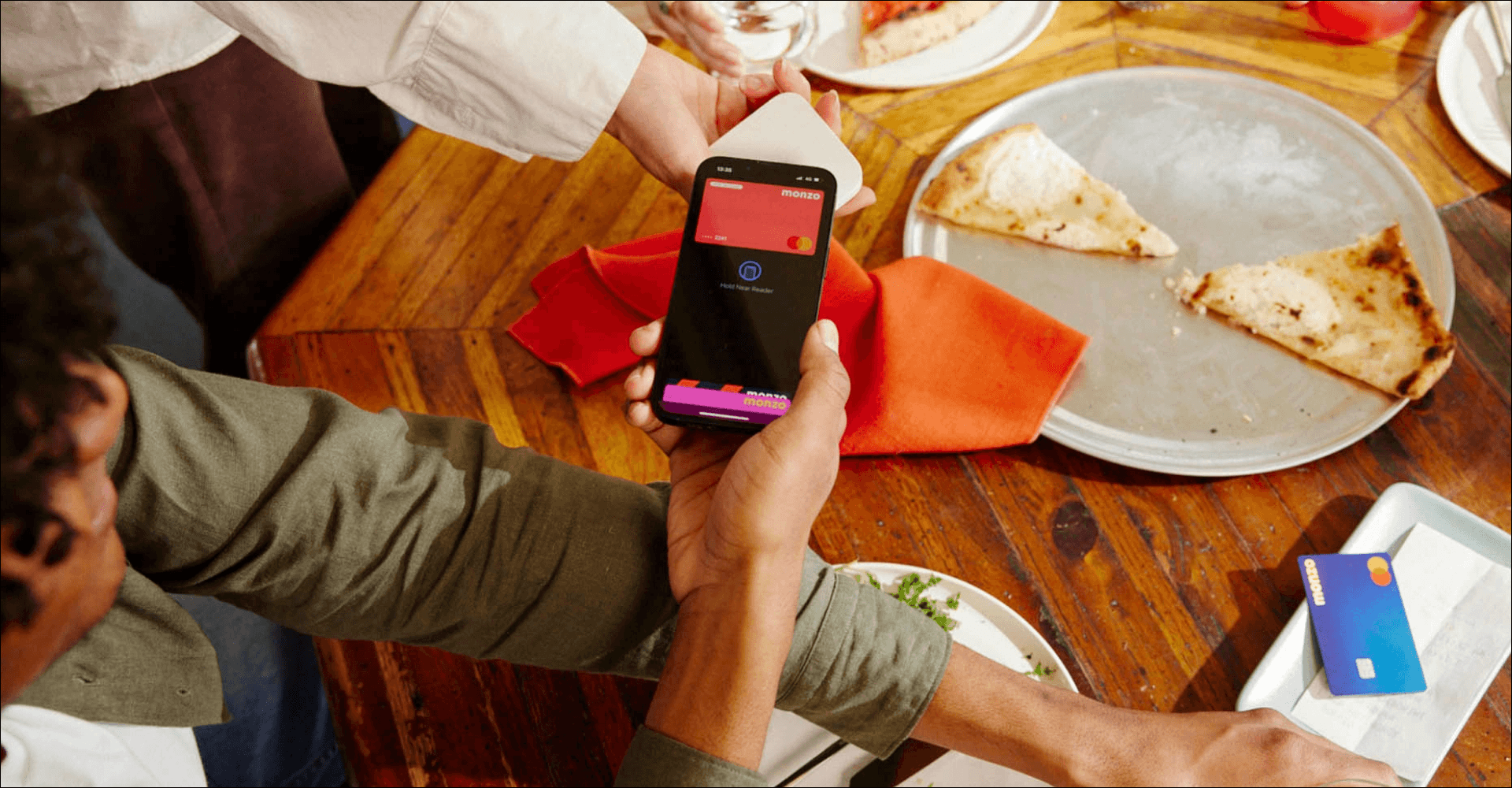
We recently collaborated with a renowned American casual dining restaurant chain that has 700+ locations across the United States and Canada. Here is how we helped them upgrade the payment experience for millions of their users.
Expanding Payment Methods
To cater to a diverse customer base, we integrated multiple payment methods, ensuring flexibility and convenience:
- Credit/Debit Cards: Traditional and widely used, ensuring compatibility with all customers.
- Digital Wallets: Including Apple Pay, Google Pay, and PayPal, offering quick and secure payment options for tech-savvy users.
- Gift Cards: Allowing customers to use gift cards for seamless transactions.
Implementing Advanced Security Measures
To protect sensitive payment information and maintain customer trust, we employed state-of-the-art security measures:
- Encryption: Ensuring all transaction data is securely transmitted.
- Tokenization: Replacing sensitive card information with unique tokens, adding an extra layer of security.
- Regular Audits: Conducting frequent security audits to identify and address potential vulnerabilities proactively.
The addition of secure and flexible payment methods has not only improved the ease of transactions for customers but also fortified the security of their financial data. As a result of our efforts, the restaurant chain continues to provide a delightful dining experience, coupled with the assurance of a safe and convenient payment process.
Challenges and Solutions in Payment Integration
- Technical Challenges: The complexity of integrating payment systems with existing platforms often poses technical hurdles. Implementing a robust API integration strategy coupled with comprehensive testing procedures ensures seamless interoperability and minimizes potential disruptions.
- Security Concerns: Security breaches remain a paramount concern in payment processing. To safeguard sensitive data, businesses must prioritize advanced encryption protocols and adhere to payment card industry standards and compliances, fortifying their systems against cyber threats.
- User Experience Issues: Cumbersome checkout processes can deter customers and hamper conversion rates. By prioritizing a streamlined and intuitive payment experience, businesses can enhance user satisfaction and bolster their competitive edge in the market.
- Payment Gateway Compatibility: The compatibility between payment gateways and existing infrastructure is pivotal for seamless transaction processing. Opting for a versatile payment gateway provider ensures compatibility across multiple platforms and simplifies integration efforts.
- Regulatory Compliance: Evolving regulatory landscapes necessitate vigilant adherence to legal frameworks governing payment processing. Businesses must stay abreast of regulatory changes and conduct regular audits to ensure compliance, thereby mitigating the risk of penalties and legal repercussions.
- Handling Failed Transactions: Failed transactions can disrupt customer experiences and undermine revenue streams. Implementing robust error-handling mechanisms and automated retry protocols enables businesses to mitigate transaction failures swiftly, ensuring minimal disruption to operations.
Summing Up
Seamless payment integration is not just a convenience for customers. It is a key driver of growth and customer loyalty in the competitive food delivery app landscape. By prioritizing a secure and user-friendly payment experience, restaurants can ensure a smooth checkout process, encourage repeat business, and solidify their position in the ever-evolving online food ordering market. Remember, a frictionless payment experience is the final touch that turns a hungry app user into a satisfied and loyal customer.
Embrace the power of payment integration and watch your restaurant thrive in the digital age of food delivery.