
In the ever-evolving world of digital design, the line between persuasive design and manipulative tactics can often blur. As UX/UI designers, it's our responsibility to ensure that our designs not only enhance user experience but also uphold ethical standards. This article delves into the concepts of Dark UX Patterns and Ethical Design, providing examples and insights to help designers create user-friendly and morally sound interfaces.
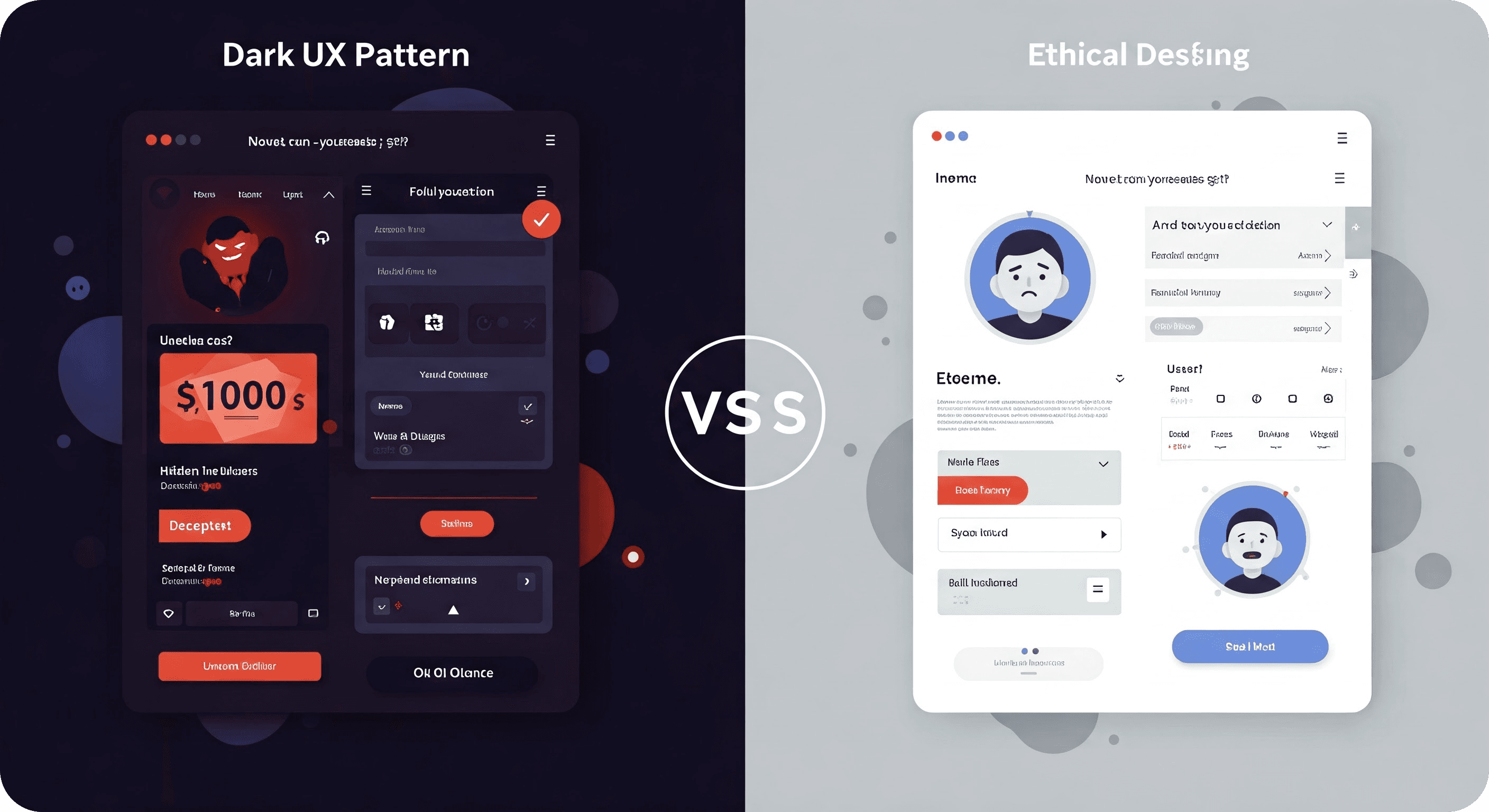
Understanding Dark UX Patterns
Dark UX patterns are design strategies that manipulate users into taking actions they might not otherwise take. These patterns exploit cognitive biases and user behavior to benefit the business, often at the expense of the user. While they may lead to short-term gains, they can damage user trust and brand reputation in the long run.
Common Dark UX Patterns
Sneak into Basket: This pattern involves adding additional items to a user's cart without their explicit consent. For example, some e-commerce sites pre-select add-ons or extended warranties during the checkout process.
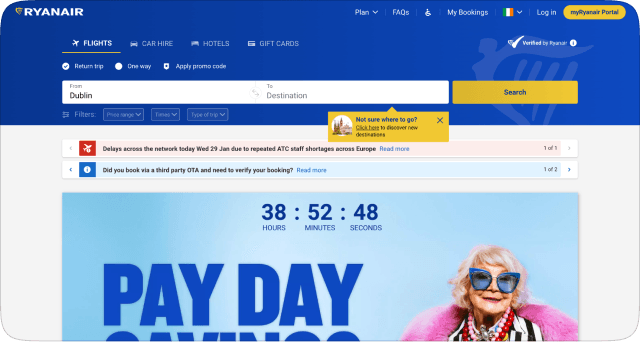
Example: Ryanair has been known to pre-select travel insurance and other add-ons, making it easy for users to overlook these charges.
Roach Motel: This pattern makes it easy for users to get into a situation but hard to get out of it. Subscription services often use this tactic by making the sign-up process straightforward but complicating the cancellation process.
Example: Adobe Creative Cloud has faced criticism for its complex cancellation process, requiring users to navigate multiple pages and confirmations.

Confirm shaming: This tactic uses guilt or fear to persuade users to take a specific action. For instance, a pop-up might use language like "No, I don't want to save money" to shame users into opting for a service.
Example: LinkedIn has used confirm shaming in its premium subscription prompts, making users feel guilty for not upgrading.

Hidden Costs: This pattern involves revealing additional costs only at the last stage of the checkout process, often after the user has invested time in filling out forms.
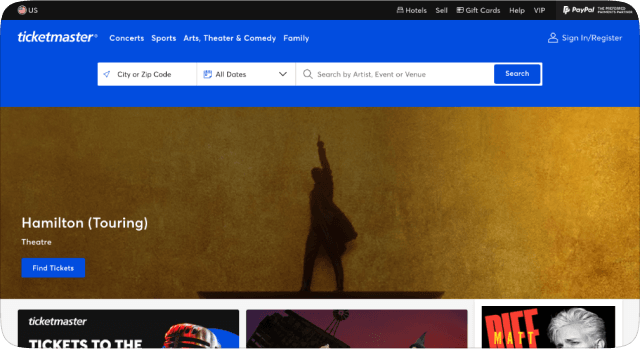
Example: Ticketmaster is notorious for adding service fees and other charges at the final checkout stage.
Ethical Design Principles
Ethical design focuses on creating user experiences that are transparent, fair, and respectful. It prioritizes the user's well-being and aims to build trust and long-term relationships.
Key Principles of Ethical Design
Transparency: Users should always be aware of what they are agreeing to. Clear and concise communication is essential.
Example: DuckDuckGo emphasizes user privacy and communicates its data practices, building trust with its users.

User Control: Users should have control over their interactions and data. This includes easy opt-out options and clear privacy settings.
Example: Apple provides users with detailed privacy settings, allowing them to control app permissions and data sharing.

Informed Consent: Users should be fully informed before making decisions. This means avoiding pre-selected options and ensuring that all terms and conditions are easily accessible.
Example: GitHub clearly explains its pricing plans and features, helping users make informed decisions.

Accessibility: Design should be inclusive, ensuring that all users, regardless of ability, can navigate and interact with the interface.
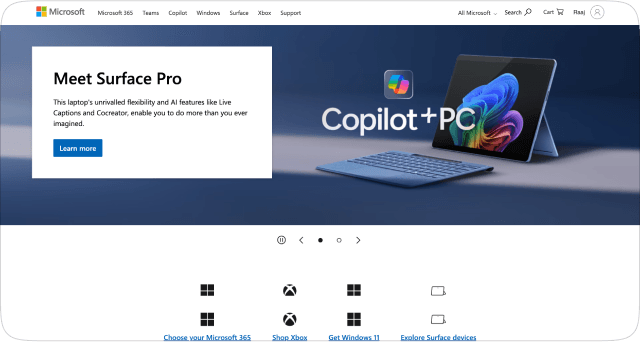
Example: Microsoft incorporates accessibility features into its products, such as screen readers and keyboard navigation.
Balancing Business Goals and User Needs
While businesses need to achieve their goals, it's crucial to balance these objectives with user needs. Ethical design not only fosters trust but also leads to higher user satisfaction and loyalty.
Strategies for Ethical Design
User-Centered Design: Focus on understanding user needs and behaviors. Conduct user research and testing to create designs that genuinely benefit users.
Clear Communication: Use plain language and avoid jargon. Ensure that all terms, conditions, and costs are clearly stated.
Feedback Loops: Implement mechanisms for users to provide feedback and report issues. Use this feedback to continuously improve the design.
Ethical Guidelines: Establish and follow ethical guidelines within your design team. Regularly review and update these guidelines to reflect evolving standards.
Conclusion
As designers, we have the power to influence user behavior and shape digital experiences. By understanding and avoiding dark UX patterns and embracing ethical design principles, we can create interfaces that are not only effective but also respectful and trustworthy. Let's commit to designing with integrity, ensuring that our work benefits both users and businesses in the long term.
By prioritizing transparency, user control, informed consent, and accessibility, we can build a digital world that users can navigate with confidence and trust. Ethical design is not just a trend; it's a responsibility that we must uphold to create a better digital future.