
In 2021, global cross-border payment flows exceeded $156 trillion, as McKinsey’s Global Payments Report reported. Yet, despite the scale of digital transactions, businesses continue to struggle with high processing fees, slow settlements, and security vulnerabilities. Traditional payment networks rely on intermediaries, multi-step verifications, and compliance checks, leading to inefficiencies that impact cash flow and financial operations.
Blockchain technology is redefining digital payments by eliminating third-party dependencies, enabling real-time transactions, and reducing operational costs. Major enterprises and financial institutions are already leveraging blockchain-powered solutions to streamline cross-border transactions, enhance payment security, and improve financial transparency.
This blog explores how blockchain is reshaping digital payments for businesses, its key advantages over traditional systems, and the challenges organizations must navigate to fully capitalize on blockchain-driven financial infrastructure.
The Hidden Costs and Risks of Traditional Digital Payments
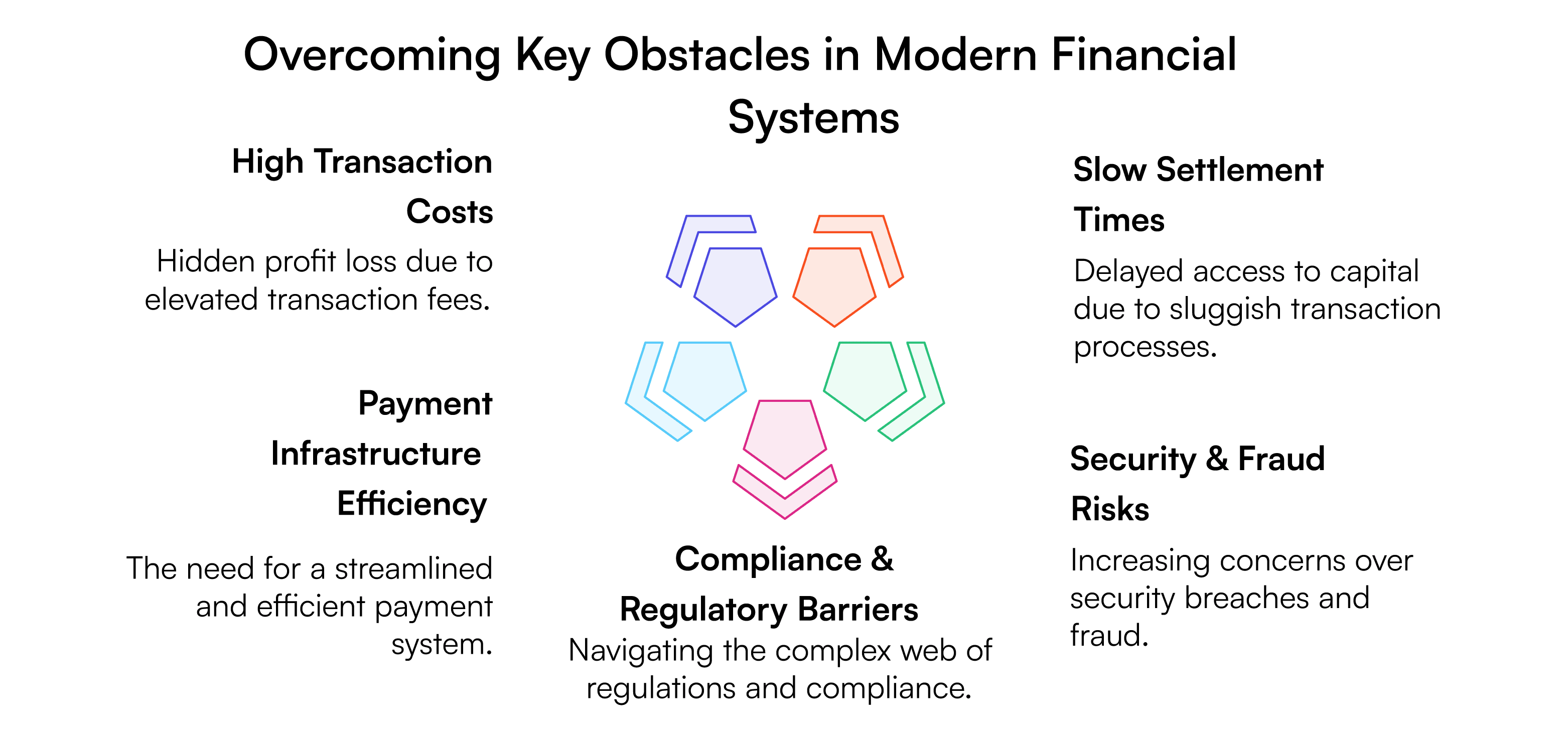
Despite advancements in digital payments, businesses still face high costs, slow settlements, security risks, and regulatory complexities. These inefficiencies impact profitability, cash flow, and scalability, creating a pressing need for more efficient solutions.
High Transaction Costs: Hidden Profit Loss
Payment processing fees may seem small but accumulate rapidly. Credit card transactions cost 1.5%–3.5%, eating into profit margins, especially for high-volume businesses. Cross-border payments worsen the issue, as banks and intermediaries apply additional charges, with hidden foreign exchange fees reducing transaction value by up to 4%.
Slow Settlement Times: Delayed Access to Capital
Global transactions often take 2–5 business days due to multiple bank approvals and compliance checks. This creates cash flow constraints, especially for companies managing inventory, payroll, or supplier payments across borders. Delayed settlements disrupt operations and increase reliance on credit lines.
Security & Fraud Risks: A Growing Concern
Centralized payment systems are frequent targets for cyberattacks, fraud, and identity theft. Chargebacks, while protecting consumers, expose merchants to financial losses, account suspensions, and increased processing fees.
Compliance & Regulatory Barriers: A Complex Web
Operating across jurisdictions means businesses must comply with AML, KYC, and data privacy laws—each country enforcing different standards. Regulatory hurdles slow transactions, increase compliance costs and introduce operational risks.
The Need for a More Efficient Payment Infrastructure
A global e-commerce company losing revenue to high fees, settlement delays, and chargebacks highlights the inefficiencies of legacy payment systems. Businesses need faster, cost-effective, and more secure alternatives—this is where blockchain payments provide a transformative solution.
Blockchain and the New Era of Business Payments
Blockchain offers a decentralized payment infrastructure that directly addresses these challenges. By enabling peer-to-peer transactions without intermediaries, businesses benefit from faster settlements, lower costs, and enhanced security.
Faster Transactions: Breaking Free from Payment Delays
A supplier in China ships goods to a U.S. retailer. The payment, processed through traditional banking channels, takes four days to clear due to international wire transfer approvals and currency conversions. Meanwhile, another company uses a stablecoin-based blockchain payment system, settling the transaction in minutes instead of days.
- Blockchain eliminates intermediary banks, allowing instant peer-to-peer transactions.
- Cryptocurrencies like Bitcoin and Ethereum enable real-time global payments.
- Stablecoins (e.g., USDC, USDT) provide the speed of blockchain with price stability, making them ideal for business transactions.
Case Study: A multinational corporation implemented stablecoin payments for international supplier transactions, reducing settlement time from three days to minutes and improving cash flow efficiency.
Lower Transaction Costs: The Hidden Savings in Every Payment
For businesses processing high-volume payments, transaction fees can quietly eat into margins. Credit card fees range between 1.5% and 3.5% per transaction, and cross-border payments include currency conversion markups and banking fees. These costs accumulate quickly, reducing profitability.
Blockchain disrupts this model by:
- Eliminating intermediaries, reducing the cost of transactions.
- Enabling direct business-to-business payments, saving up to 70% in processing fees.
Case Study: A logistics firm implemented blockchain-based supplier payments and reduced costs by 40%, improving both financial efficiency and transaction transparency.
Security & Fraud Prevention: A System That Can’t Be Altered
In traditional payment systems, fraud and chargebacks are persistent risks. Cybercriminals exploit centralized databases, and businesses absorb millions in fraudulent transaction losses each year.
Blockchain’s security advantage lies in its immutable ledger:
- Transactions are permanent and tamper-proof, reducing fraud risk.
- Smart contracts ensure funds are only released when contractual conditions are met, preventing disputes.
Case Study: A manufacturing company replaced its traditional invoicing system with blockchain-powered smart contracts. Payments were only triggered after verified product delivery, eliminating fraud risks and ensuring on-time payments.
Cross-Border Payments & Financial Inclusion: A Borderless Financial System
For businesses in emerging markets, traditional banking systems often create barriers—long processing times, currency restrictions, and high remittance fees. Many companies struggle to make international payments efficiently, slowing their ability to scale.
Blockchain removes these limitations by offering:
- Instant, low-cost international transactions without reliance on banking intermediaries.
- Decentralized financial tools (DeFi) that provide global access to liquidity and credit.
Case Study: African fintech startups have adopted blockchain-based remittance systems to process international payments in real-time, bypassing banking inefficiencies and dramatically cutting costs.
By solving key inefficiencies in speed, cost, security, and accessibility, blockchain is reshaping the financial landscape. However, businesses must carefully navigate regulatory developments, scalability challenges, and adoption barriers to fully leverage blockchain-powered payment systems.
Challenges & Limitations of Blockchain-Based Payments
Despite its advantages, blockchain adoption in digital payments comes with barriers that businesses must consider.
1. Regulatory Uncertainty
- Government policies regarding cryptocurrency taxation, compliance, and financial oversight remain uncertain in many countries.
- Central Bank Digital Currencies (CBDCs), such as China’s Digital Yuan, may introduce state-controlled blockchain solutions that compete with private blockchain networks.
2. Scalability Concerns
- Bitcoin and Ethereum suffer from network congestion, leading to higher transaction fees and slower processing times during peak usage.
- Layer 2 solutions (e.g., Lightning Network, Polygon) are improving scalability but require broader adoption.
3. Volatility Risks
- Cryptocurrencies fluctuate in value, making them unreliable for pricing and financial planning.
- Stablecoins like USDC and USDT offer price stability, but their regulation is still evolving.
- Case Study: A retail business accepting Bitcoin payments must decide whether to immediately convert transactions to fiat currency or hold crypto as an investment.
4. Adoption Barriers & Integration Challenges
- Businesses need technical expertise and infrastructure to integrate blockchain payments into their existing financial systems.
- Many vendors and suppliers still do not accept cryptocurrency payments, limiting blockchain adoption in B2B transactions.
The Future of Blockchain in Business Payments
As blockchain adoption accelerates, businesses will see greater institutional integration, regulatory shifts, and advancements in automation. Payment giants like Visa, Mastercard, and PayPal are incorporating crypto and blockchain-based settlements, while corporations leverage private blockchain networks for interbank transactions and automated financial operations. Meanwhile, governments are actively developing Central Bank Digital Currencies (CBDCs) to regulate digital payments, potentially reshaping the role of private blockchain solutions. Smart contracts are streamlining B2B transactions, reducing the need for intermediaries, while Decentralized Finance (DeFi) platforms offer businesses alternative credit and liquidity options. Additionally, AI-powered fraud detection is enhancing blockchain security, using predictive analytics to optimize transaction monitoring and cross-border settlements. These advancements signal a fundamental shift in how businesses will manage payments, compliance, and financial efficiency in the coming years.
Unlocking Blockchain’s Potential in Business Payments
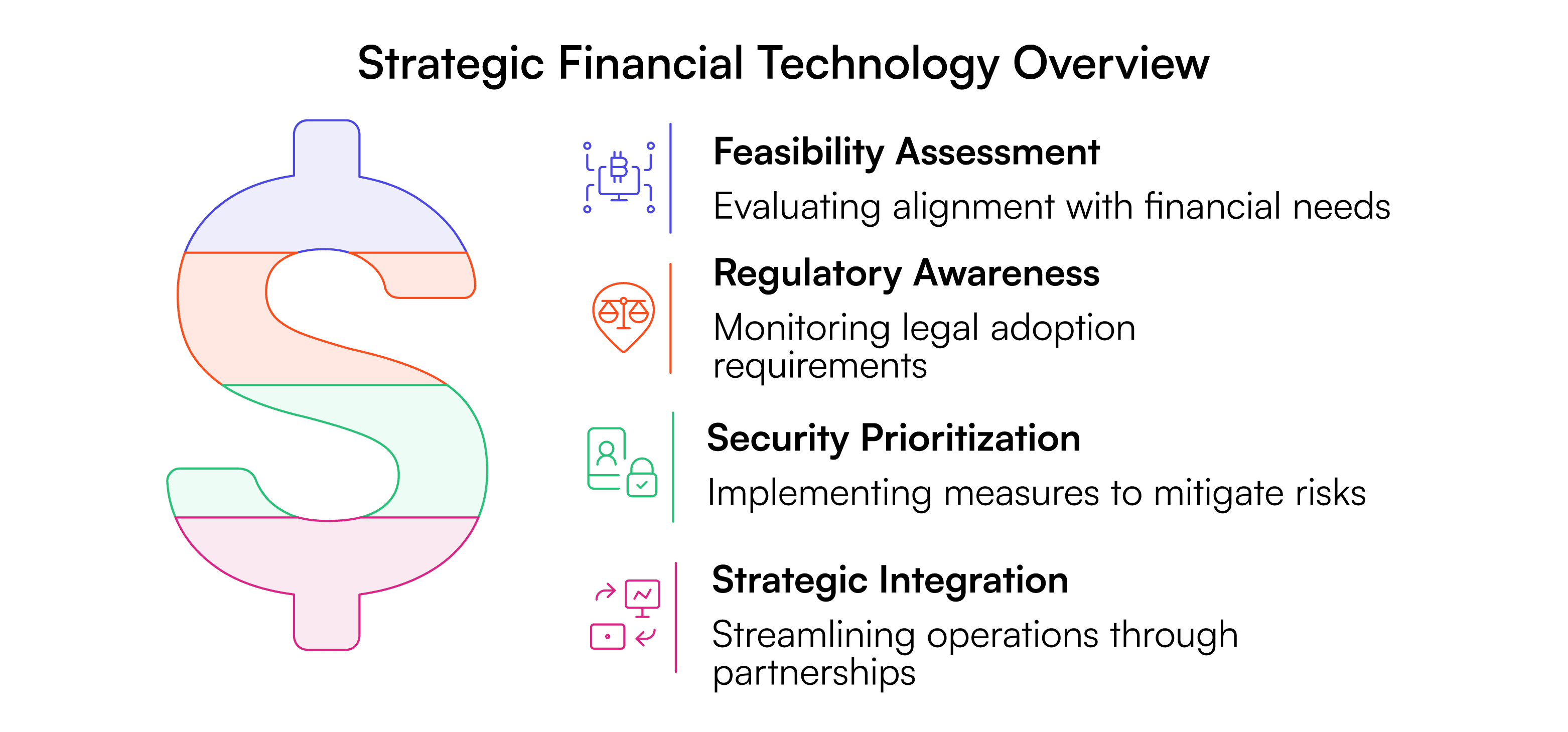
Businesses adopting blockchain payments gain speed, security, and cost efficiency—but success depends on strategic implementation. To maximize impact:
- Assess Feasibility: Identify whether stablecoins, crypto, or private blockchain solutions align with your financial needs.
- Stay Ahead of Regulations: Monitor CBDC developments, crypto taxation, and compliance requirements to ensure legal adoption.
- Prioritize Security: Implement smart contract audits, fraud detection, and secure custody solutions to mitigate risks.
- Strategic Integration: Leverage fintech partnerships, DeFi platforms, or enterprise blockchain networks to streamline operations.
Businesses that act now will gain a competitive edge in cross-border transactions, financial automation, and cost efficiency—positioning themselves for the future of digital payments.
Conclusion
Blockchain rapidly redefines financial transactions, offering businesses a faster, cost-efficient, and more secure alternative to traditional payment systems. As companies expand globally, legacy banking infrastructure struggles to keep pace with the demand for real-time, low-cost, and transparent payments. Blockchain removes these bottlenecks, enabling direct, peer-to-peer transactions, reducing reliance on intermediaries, and enhancing security.
However, successful adoption requires strategic planning, regulatory alignment, and seamless integration with existing financial infrastructure. Businesses that act now will gain a competitive edge in global commerce, improve liquidity, and future-proof their payment operations.
Looking to integrate blockchain into your payment systems? GeekyAnts builds scalable blockchain solutions that power secure, efficient digital transactions. Let’s connect.