
Everyone glorifies “data-driven design.” Articles, talks, and case studies often present data as the ultimate safety net for making decisions. Pointing to A/B tests, funnel metrics, and heatmaps as the only reliable way forward. But what happens when the data doesn’t exist?
In reality, this is not a rare edge case. It’s the everyday reality for many startups, early-stage products, and lean teams. These teams usually don’t have the time, resources, or user base to collect statistically meaningful insights. They can’t afford robust analytics setups, lengthy research cycles, or weeks of carefully planned user interviews before launching.
Instead, the business context is urgent: ship fast, learn on the go, and align with campaign timelines. Marketing teams are running ads, budgets are being spent, stakeholders are waiting for results, and the product team needs something out in the world. The luxury of waiting for perfect data simply doesn’t exist.
This creates a paradox. On paper, everything looks right. The campaigns are funded, the landing pages are live, and the product has all the essential pieces in place. Yet traction remains stubbornly low. Conversion rates trickle in, engagement is flat, and the disconnect between effort and results grows.
I encountered exactly this situation while working on a digital product website. The campaigns were running strong, but the numbers told a different story: almost no traction despite all the activity. And when I looked for answers in the data, there was nothing to be found.
- No analytics dashboards to show where users were dropping off.
- No conversion reports to highlight which touchpoints were weak.
- No customer feedback or user insights to guide next steps.
All I had was a launch deadline staring back at me.
The challenge became clear: How do you design confidently when you’re flying blind?

Step 1: Steal Like a Designer from Competitors
When I couldn’t look inward (no data), I looked outward. Competitors became my best friends. I studied industry leaders and direct competitors, analyzing how they:
- Structured their pricing tiers.
- Explained complex steps like KYC.
- Simplified checkout flows to reduce drop-offs.
This wasn’t about copying. Instead, it became a directional benchmark. Competitors revealed where expectations were already set for users and ignoring those patterns could add unnecessary friction.
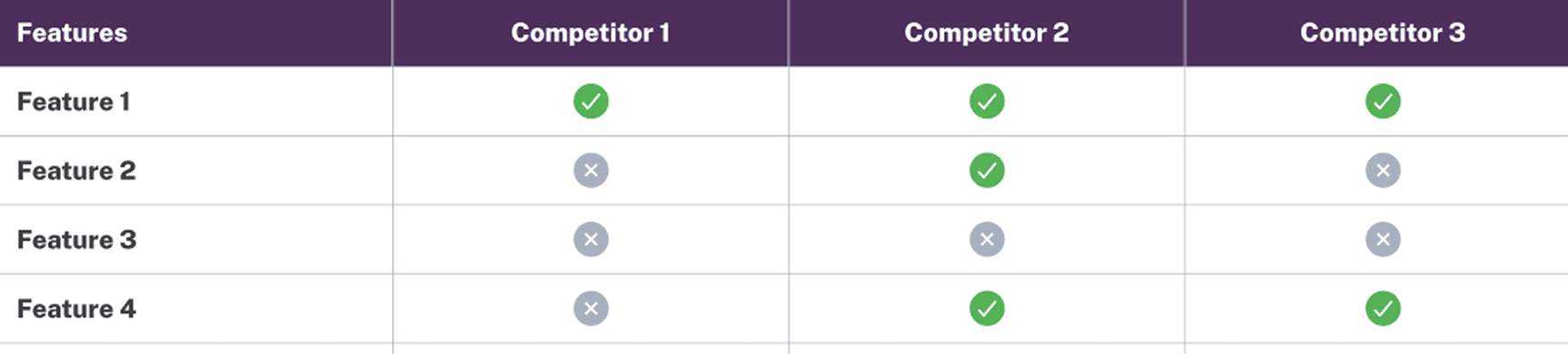
Framework for Fast Competitor Audits
When there’s no direct user data, competitor research can act as a valuable proxy. A simple three-lens framework makes audits more structured and actionable:
- Value Communication - How clearly do competitors explain why their product is worth choosing? Look at messaging, headlines, and the clarity of benefits vs. features.
- Flow Efficiency - Which steps in their user journey feel smooth, and where do they introduce friction? Pay attention to navigation, checkout, or sign-up flows.
- Trust Signals - What credibility markers do they use? Examples include testimonials, certifications, social proof, guarantees, or partnerships.
By applying these three lenses, designers can quickly identify patterns, expectations and gaps without falling into the trap of blindly copying competitors. Instead, the audit provides a directional benchmark that helps shape decisions when data isn’t available.
Step 2: Assume With Caution
In the absence of data, assumptions were inevitable. But I learned to assume with caution.
From my audit, I mapped our site’s biggest issues:
- Overloaded information.
- Disconnected navigation.
- Weak value proposition.
- Mobile-unfriendly design.
- Redundant steps during plan selection.
Instead of treating these assumptions as facts, I treated them as hypotheses to test with the team.
3-Step Assumption Validation:
When data is missing, assumptions are unavoidable. Instead of treating them as facts, treat them as hypotheses to be tested. A simple validation process helps reduce blind spots:
- List Assumptions - Write down every belief about user behavior or product experience (e.g., “Users find the pricing page confusing”).
- Identify Falsifiers - Ask: What evidence would prove this wrong? This could be competitor patterns, expert input, or even quick heuristic evaluations.
- Cross-Validate with Stakeholders - Share assumptions with product, design, engineering, and marketing teams to see if they align with business realities and technical constraints.
This lightweight process ensures that assumptions are transparent, challengeable and refined rather than silently shaping design decisions.
Step 3: Sketch Fast. Fail Faster
Next, I jumped into rapid wireframing. This wasn't about perfection, it was about speed and logic.
The goals were simple:
- Create a seamless path from discovery to purchase.
- Pre-empt common points of confusion.
- Make plan comparison effortless.
- Support SEO-first content without sacrificing UX.
Instead of debating endlessly, I produced quick iterations that the team could react to. The mantra was: “Fail on paper, not in production.”
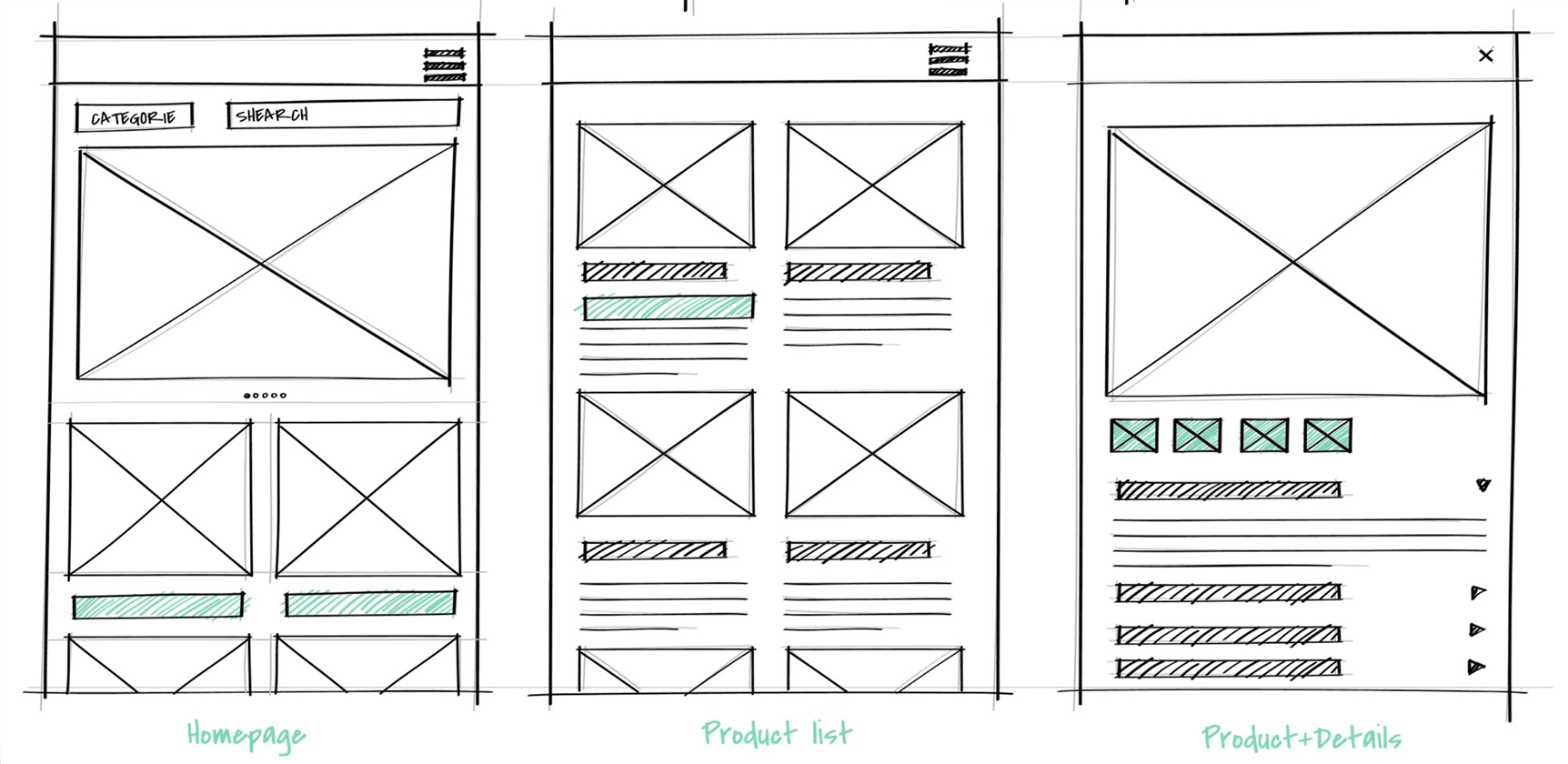
Example Fixes:
When working without data, rapid sketches or wireframes should focus on removing friction and clarifying value. Some common quick wins include:
- Simplifying Choices - Condense multiple similar options into fewer, clearer ones to reduce decision fatigue.
- Highlighting Value Propositions - Use bullet-style copy or visual hierarchy to make benefits scannable at a glance.
- Clarifying Complex Steps - Surface explanations (like KYC or verification requirements) early in the journey instead of surprising users mid-flow.
These lightweight adjustments help teams align quickly, making the design easier to validate and refine without heavy research.
Step 4: Mapping the Full Journey
Quick fixes often treat symptoms rather than root causes. To avoid this, it’s essential to map the entire user journey instead of focusing only on isolated touchpoints. A simple three-stage framework works well:
- Before Purchase – Activities such as discovery, education, and trust-building.
- During Purchase – The process of selecting a plan, completing checkout, or verifying identity.
- After Purchase – Onboarding, confirmation, and ongoing support.
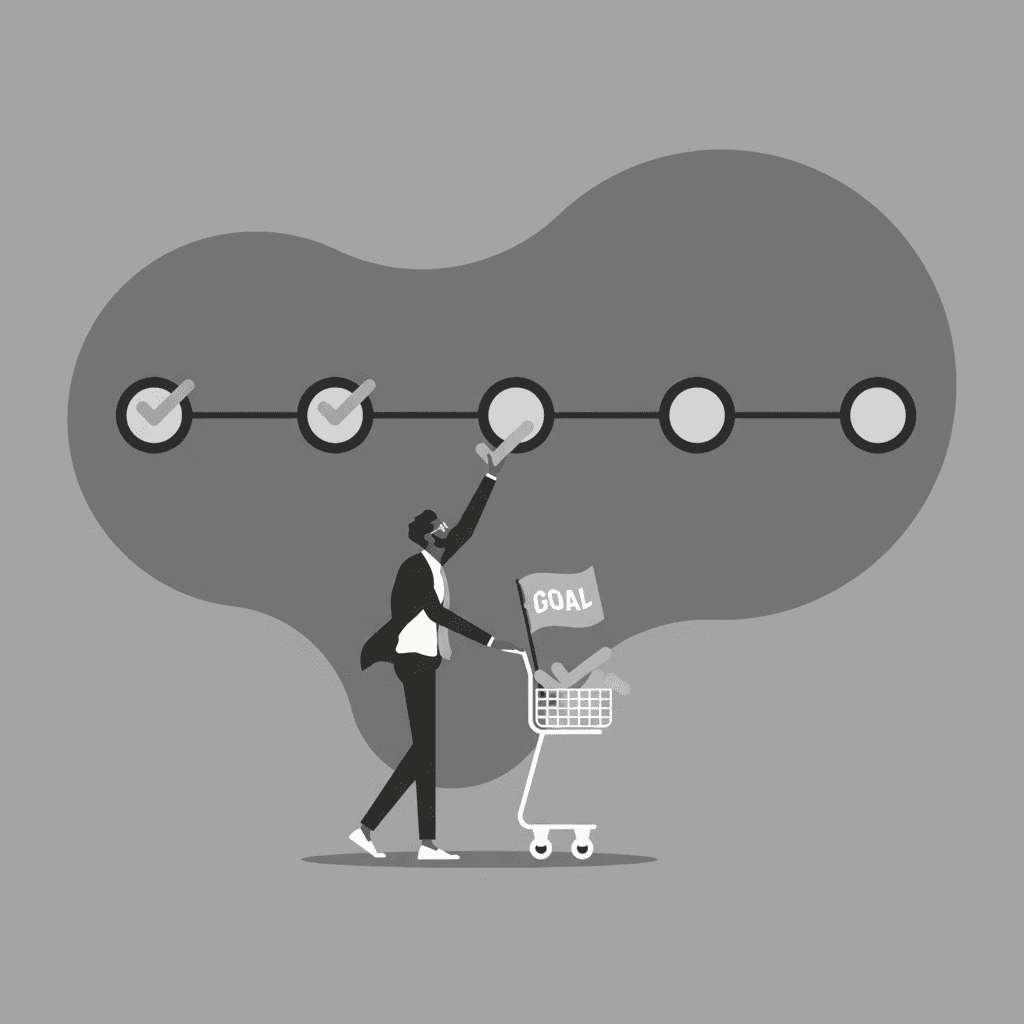
Each stage has its own intent, friction points, and opportunities. For example:
- Before purchase: Users may struggle to understand value. Adding clear messaging or social proof can build trust.
- During purchase: Long or confusing steps can cause drop-offs. Streamlining forms or guiding users step by step reduces friction.
- After purchase: A lack of support can leave users disengaged. Confirmation emails, tutorials, or help options can improve retention.
By structuring the experience in this way, a journey map becomes a backbone for design decisions, ensuring improvements address the full lifecycle rather than isolated moments.
What Could Be Done With More Time:
When timelines are tight, teams often have to rely on proxies instead of direct data. However, with more breathing room, additional methods can strengthen decision-making:
- Analytics Tools - Tracking real user journeys to uncover where drop-offs happen.
- User Surveys - Running lightweight surveys to capture direct feedback.
- Behavioral Insights - Using tools like scroll maps or click tracking to visualize interaction patterns.
These methods don’t just validate design choices—they reveal hidden friction points that assumptions alone may miss.
Collaboration Was Everything:
In the absence of hard data, collaboration becomes the most powerful validation layer. Involving multiple functions ensures blind spots are minimized:
- Design - User flow and usability.
- Product - Alignment with strategy and goals.
- Marketing & SEO - Messaging consistency and visibility.
- Content - Clarity and tone of communication.
- Engineering - Feasibility under constraints.
- Business Analysis - Impact on key metrics.

Each team brings a unique lens, and together they create a stronger, more balanced solution than design alone.
Outcomes to Aim For:
Even without baseline data, a structured, collaborative approach can drive measurable improvements, such as:
- Higher conversion or lead generation rates.
- Increased product adoption or feature usage.
- Positive qualitative feedback from customers.
- Reduced friction in critical flows like checkout or verification.
The key is not perfection, but fast, informed decision-making supported by trust and alignment across teams.
Key Takeaways:
- No data? Use competitor benchmarks as directional proxies.
- Turn assumptions into testable hypotheses, not unchallenged truths.
- Rapid wireframes beat endless debates. Sketch, align, iterate.
- Always map the full journey to catch friction points across touchpoints.
- Collaboration can validate faster than analytics when time is short.
Design without data is not about guesswork; it’s about resourcefulness.
When analytics, research, or surveys aren’t possible, the next best thing is contextual insight: competitors, team expertise, and instinct. Done right, it not only delivers results but also strengthens cross-functional trust.
Sometimes, the most valuable insights don’t come from dashboards at all. They come from conversation, collaboration, and the courage to ship with uncertainty.