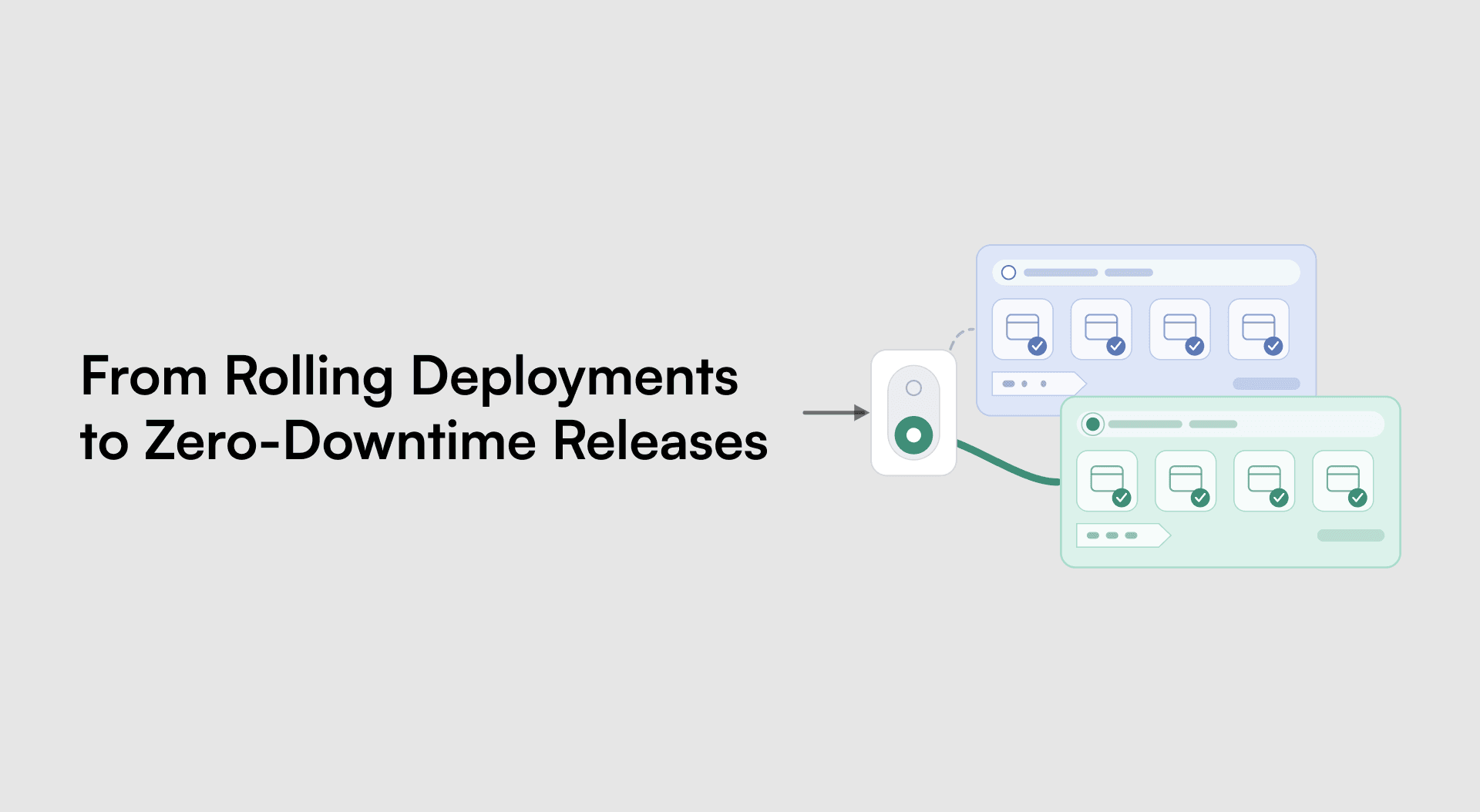

When building modern websites, two goals often clash: speed and freshness. Static sites are lightning-fast, but keeping them up to date can be a tedious task. Dynamic sites stay fresh, but they can be slower and more resource-heavy.
Incremental Static Regeneration (ISR) is what bridges that gap. It gives you the performance of static pages with the flexibility of dynamic content, without needing to rebuild your whole site every time something changes.
Why that matters:
- Visitors get fast, pre-rendered pages right away.
- Content updates can be rolled out in the background without downtime.
- Teams can publish instantly from a CMS without triggering full deployments.
- Businesses save money by avoiding heavy server loads or long build times.
With the newer Next.js features, ISR has only gotten smoother. Things like on-demand revalidation and smarter caching make it even more reliable for content-heavy sites. Whether you’re working on a blog, a storefront, or a large marketing platform, ISR is quickly becoming the standard way to scale websites that need both speed and fresh content.
How ISR Works Under the Hood
To understand ISR, it helps to first look at how static and dynamic rendering usually work:
- Static Site Generation (SSG): All pages are pre-rendered at build time. Superfast, but the content is fixed until the next build.
- Server-Side Rendering (SSR): Pages are generated on the server for every request. Always fresh, but slower and more expensive.
ISR takes the best of both. Here’s the process in plain terms:
- First request: When a user visits a page, they get a pre-rendered static version immediately.
- Revalidation: If the content is considered “stale” (based on a time or a trigger), Next.js regenerates the page in the background.
- Seamless updates: The next visitor automatically sees the fresh version, without downtime or manual rebuilds.
In practice, you control revalidation in two main ways:
- Time-based: Set a revalidation window (e.g., every 60 seconds). After that window, the next request will trigger a background rebuild.
- On-demand: Trigger updates instantly using functions like revalidateTag() or revalidatePath(). This is especially useful when paired with a CMS or webhook, publish new content, and the site updates right away.
With the App Router, ISR feels more natural than ever. Data fetching with fetch() supports caching and revalidation out of the box, while tags and paths give you fine-grained control over what should update.
The key idea: users always see something fast, while ISR quietly keeps things fresh in the background.
When to Use ISR vs SSG vs SSR
Next.js gives us three main rendering strategies: SSG, SSR, and ISR. Each has its place, and the trick is knowing when to use which.
- SSG (Static Site Generation): Best when your content doesn’t change often, and you can afford to rebuild whenever it does. Think documentation sites, landing pages, or portfolios. Pages load instantly, but updates only appear after a new build and deploy.
- SSR (Server-Side Rendering): Best when your content changes on every request or is highly personalized. Dashboards, logged-in areas, or apps with real-time data usually need SSR. The downside is higher server costs and slower page loads compared to static pages.
- ISR (Incremental Static Regeneration): Best for content that needs to be fast and mostly static, but should also stay up to date without full rebuilds. Blogs, marketing sites, product catalogs, and news feeds are common examples. Visitors get the speed of static pages while you keep the content fresh in the background.
A simple way to decide:
- If content changes rarely → SSG.
- If content changes on every request or per user → SSR.
- If content changes sometimes and needs scaling → ISR.
For most modern websites that care about SEO, speed, and frequent content updates, ISR is the middle ground that usually makes the most sense.
Implementing ISR with the App Router
With the App Router, ISR is baked right into the data-fetching model. Instead of sprinkling ISR config around, you control it through the fetch() API, tags, and paths. Let’s look at a few common patterns.
1. Time-based revalidation
You can set how often a page should be revalidated by passing an option to fetch:
// app/blog/[slug]/page.tsx
async function getPost(slug: string) {
  const res = await fetch(`https://api.example.com/posts/${slug}`, {
    next: { revalidate: 60 },
  });

  return res.json();
}

export default async function BlogPost({ params }: { params: { slug: string } }) {
  const post = await getPost(params.slug);

  return <article>{post.title}</article>;
}
Here, each blog post will be regenerated at most once per minute. Visitors get a fast response, and fresh content rolls in without a rebuild.
2. On-demand revalidation with tags
Sometimes, you don’t want to wait for a timer. For example, when a new product is published in your CMS, you want the product page updated instantly. That’s where tags come in.
// app/products/[id]/page.tsx
async function getProduct(id: string) {
  const res = await fetch(`https://api.example.com/products/${id}`, {
    next: { tags: ['products'] },
  });

  return res.json();
}
Then, in an API route or server action, you can revalidate all pages with that tag:
import { revalidateTag } from 'next/cache';

export async function POST() {
  revalidateTag('products');

  return Response.json({ revalidated: true });
}
Whenever your CMS webhook hits this endpoint, every page tied to the products tag gets fresh content immediately.
3. Revalidating specific paths
For even more control, you can revalidate a single path instead of a whole group:
import { revalidatePath } from 'next/cache';

export async function POST() {
  revalidatePath('/blog/my-latest-post');

  return Response.json({ revalidated: true });
}
This is handy if only one route changes, and you don’t want to touch others.
The takeaway: ISR in the App Router world is flexible. You can keep it simple with time-based windows, or go granular with tags and paths for precise updates. Either way, your users see fast pages and your content stays fresh with minimal effort.
Performance Tips & Caching Caveats
ISR can make your site feel effortless, but there are a few performance details worth knowing. Handling them right keeps your site fast and avoids confusing bugs.
1. The “stale-while-revalidate” window
When a page becomes stale, the first request triggers regeneration in the background. This means:
- The first visitor after expiry might still see the old version.
- The next visitor gets the fresh version.
That small window is by design, it prevents downtime, but it also means you should set your revalidation interval thoughtfully.
2. Avoiding a cache stampede
If a page is stale and suddenly gets a traffic spike, multiple requests might try to regenerate it at the same time. Next.js handles most of this internally, but on high-traffic sites, it’s worth monitoring. Using tags and revalidate-on-demand can help avoid unnecessary rebuilds.
3. CDN and cache layers matter
Your pages aren’t just cached inside Next.js, they’re also cached at the edge. If you don’t see updates immediately, it might be because of the outer CDN layer. When debugging, always confirm whether the issue is in your app’s cache or the CDN’s cache.
4. Be mindful with large data fetches
If you’re regenerating a page that pulls in a lot of external data, the regeneration step can be slow. That doesn’t block users (they’ll see the old page), but it can delay how soon fresh content appears. Breaking large queries into smaller ones with different tags can help.
5. Debugging revalidation
It’s common to think “ISR isn’t working” when really it’s just the cache. Helpful steps include:
- Lowering the revalidate time temporarily (like 5 seconds) while testing.
- Logging when your revalidate functions fire.
- Using curl or network tab to confirm whether the response is fresh or cached.
The key idea: ISR keeps sites smooth, but caching adds complexity. Knowing how and where caching happens (Next.js, CDN, browser) will save you a lot of headaches.
Common Gotchas & Best Practices
ISR feels magical when it works, but there are a few common pitfalls you’ll want to watch out for. Here are the main ones and how to handle them:
1. Forgetting to trigger revalidation
If you rely only on time-based revalidation, content updates might not show up when expected. Always wire up on-demand revalidation from your CMS or admin panel for critical pages.
Best practice: Pair time-based revalidation with revalidateTag() or revalidatePath() for important workflows.
2. Cache confusion
It’s easy to think a page didn’t update when really the browser, CDN, or server cache is serving an old version.
Best practice: While testing, clear your browser cache, check CDN headers, and add logs to confirm when regeneration runs.
3. Overusing a single tag
If you attach too many pages to the same tag, revalidating that tag can cause unnecessary updates across your site.
Best practice: Keep tags specific (e.g., product-123 instead of just products).
4. Heavy regeneration loads
If a page fetches a lot of data or makes multiple API calls, regeneration can take a while. Users won’t see errors, but updates may feel delayed.
Best practice: Break up large data requests into smaller tagged sections so they can revalidate independently.
5. Rolling back content
ISR always serves the most recently regenerated version. If you push bad content by mistake, there’s no built-in rollback.
Best practice: Have versioning in your CMS and trigger revalidation with the previous good state if needed.
ISR is powerful, but caching and revalidation need careful planning. Use specific tags, wire up revalidation properly, and keep an eye on where your caches live. That’s what separates a smooth ISR setup from a frustrating one.
Final Thoughts
Incremental Static Regeneration has become one of the most practical tools in the Next.js ecosystem. It gives teams the speed of static pages with the freshness of dynamic updates, without the trade-offs of constant rebuilds or slow server-side rendering.
Here’s the big picture to remember:
- ISR keeps sites fast by serving pre-rendered pages instantly.
- ISR keeps content fresh with background regeneration or on-demand revalidation.
- ISR scales with your business by cutting down build times and making publishing nearly instant.
If you are building a content-heavy site, an e-commerce storefront, or even just a blog, ISR can simplify your workflow while giving your users the best possible experience.