


Are you familiar with the concept of value objects in the field of software development? While value objects may not be a widely discussed topic, they play a crucial role in simplifying and enhancing the quality of your code.
Understanding Design Patterns
Before diving into value objects, let's quickly recap design patterns. Design patterns are essentially sets of best practices that provide solutions to common problems in software development. They serve as blueprints, guiding developers on effectively structuring their code.
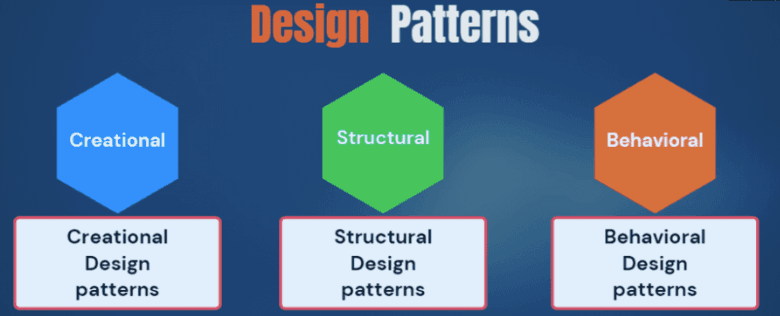
So, why do we use design patterns?
Design patterns help us develop high-quality code by providing us with a set of tools, instructions, and frameworks. They make our code more maintainable, extensible, and easier to understand. Design patterns are not algorithms or lines of code; instead, they offer a structured approach to solving recurring problems.
Introducing Value Objects
One such design pattern you might have encountered, especially if you've worked with Spring, is the value object. Despite its simplicity, the value object is a powerful concept that can significantly enhance your code quality and maintainability.
The Problem with Manual Validation
In many applications, a significant portion of code is dedicated to input validation. Think about it—how often have you written if-else blocks to check the validity of user inputs? How often have you added null checks and custom exception handling? While these checks are essential for maintaining data integrity, they can clutter your code, making it harder to read and prone to bugs.
The Solution: Value Objects
Value objects provide an elegant solution to the problem of manual validation. Instead of scattering validation logic throughout your codebase, you encapsulate it within a single class—the value object.
Let's illustrate this with an example:
Consider a phone number input field. Traditionally, you might use a String data type to store phone numbers. However, this approach allows invalid values like "ABC" or "-123" to be stored as phone numbers. To prevent this, you'd add numerous checks in your code, making it more complex.
Using Value Objects for Validation
With value objects, you create a dedicated PhoneNumber value object class. This class can contain methods to validate phone numbers effectively. For instance, you can utilize libraries like Google's phone number library to validate phone numbers. By encapsulating validation logic within the value object, your code becomes cleaner, more organized, and easier to maintain.
Serialization Challenges
While value objects offer numerous benefits, there's one potential challenge to be aware of—serialization. If you decide to use a value object in a Spring controller, you may encounter issues with default serialization, as Spring relies on Jackson, which doesn't handle custom objects out of the box. You may need to implement custom serialization to handle value objects properly.
In Conclusion
Value objects are a fundamental but often overlooked design pattern in Spring and other frameworks. They simplify your code by centralizing validation logic, making it more readable and less error-prone. While serialization can be a minor hurdle, the advantages of using value objects far outweigh this concern.
So, the next time you are building an application, consider implementing value objects for improved code quality, maintainability, and a more organized codebase. You may be surprised by the significant impact they can have on your development process.
Have you used value objects in your projects? Share your experiences and insights with us!
Watch the full address here ⬇️
