
Reliability and Production Readiness
Stop Hoping Your Systems Stay Up. Start Knowing They Will










Client Results and Success

Production-Ready Kubernetes Architecture
The platform was designed to support scalable production deployments with minimal resource consumption, enabling faster environment provisioning and operational stability.
3
environments K8s setup
95%
environments K8s setup
35%
savings over managed Kubernetes alternatives




Our Reliability Assessment Examines Three Critical Dimensions
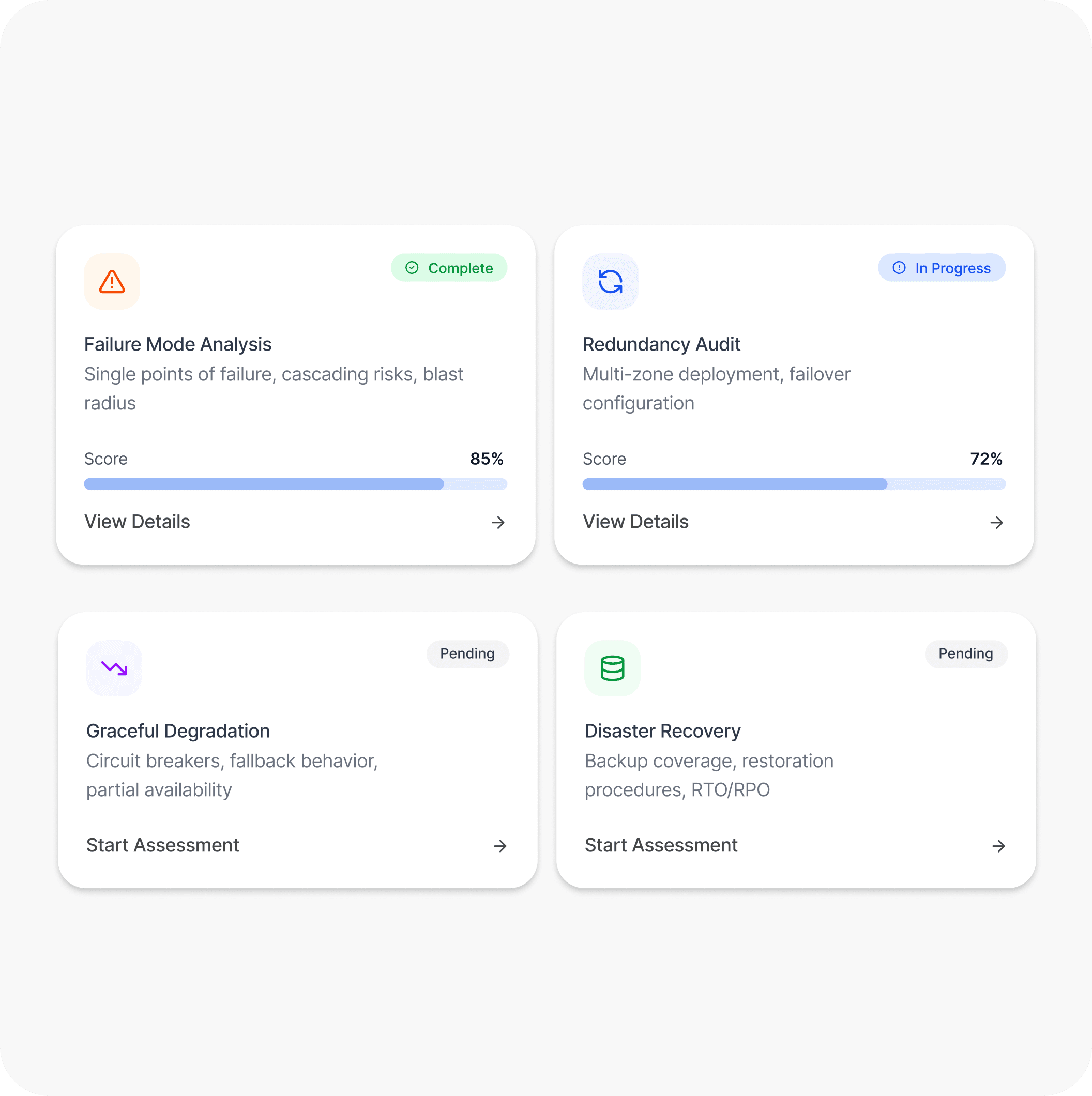
- Failure mode analysis: Single points of failure, cascading dependency risks, and blast radius assessment across all critical services
- Redundancy and fault tolerance audit: Multi-zone deployment coverage, failover configuration, and load distribution under component failure
- Graceful degradation assessment: Circuit breaker implementation, fallback behavior definition, and partial availability capability
- Disaster recovery readiness: Backup coverage verification, restoration procedure validation, and RTO/RPO alignment with business requirements
- Alerting coverage and quality audit: Detection gaps, false positive rates, alert routing effectiveness, and on-call notification reliability
- Runbook completeness review: Coverage across known failure modes, procedural clarity, and accessibility under incident pressure
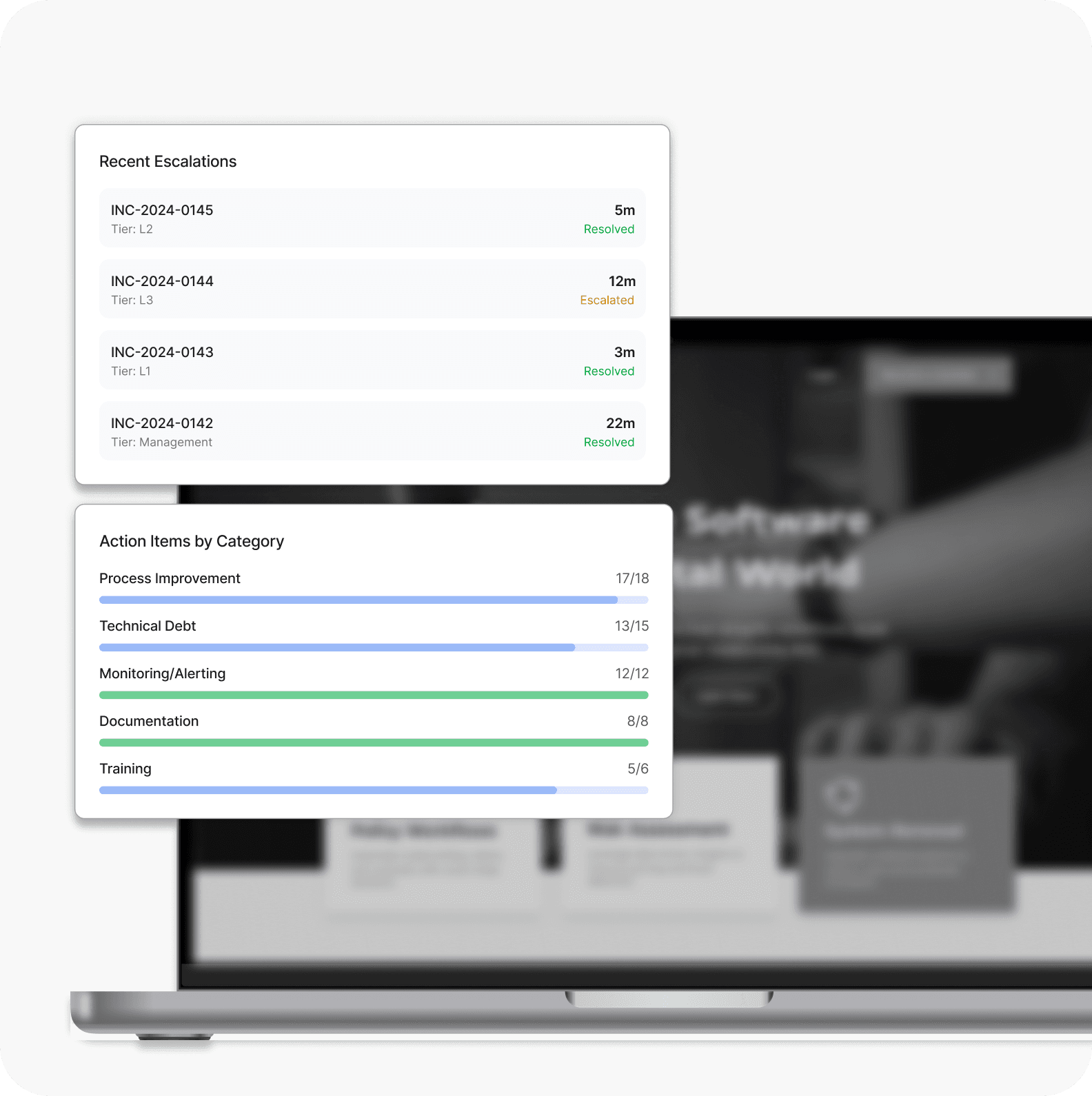
- Escalation path validation: Role clarity, contact currency, and decision authority at each escalation tier
- Post-incident process evaluation: Blameless retrospective practices, action item tracking, and recurrence prevention effectiveness
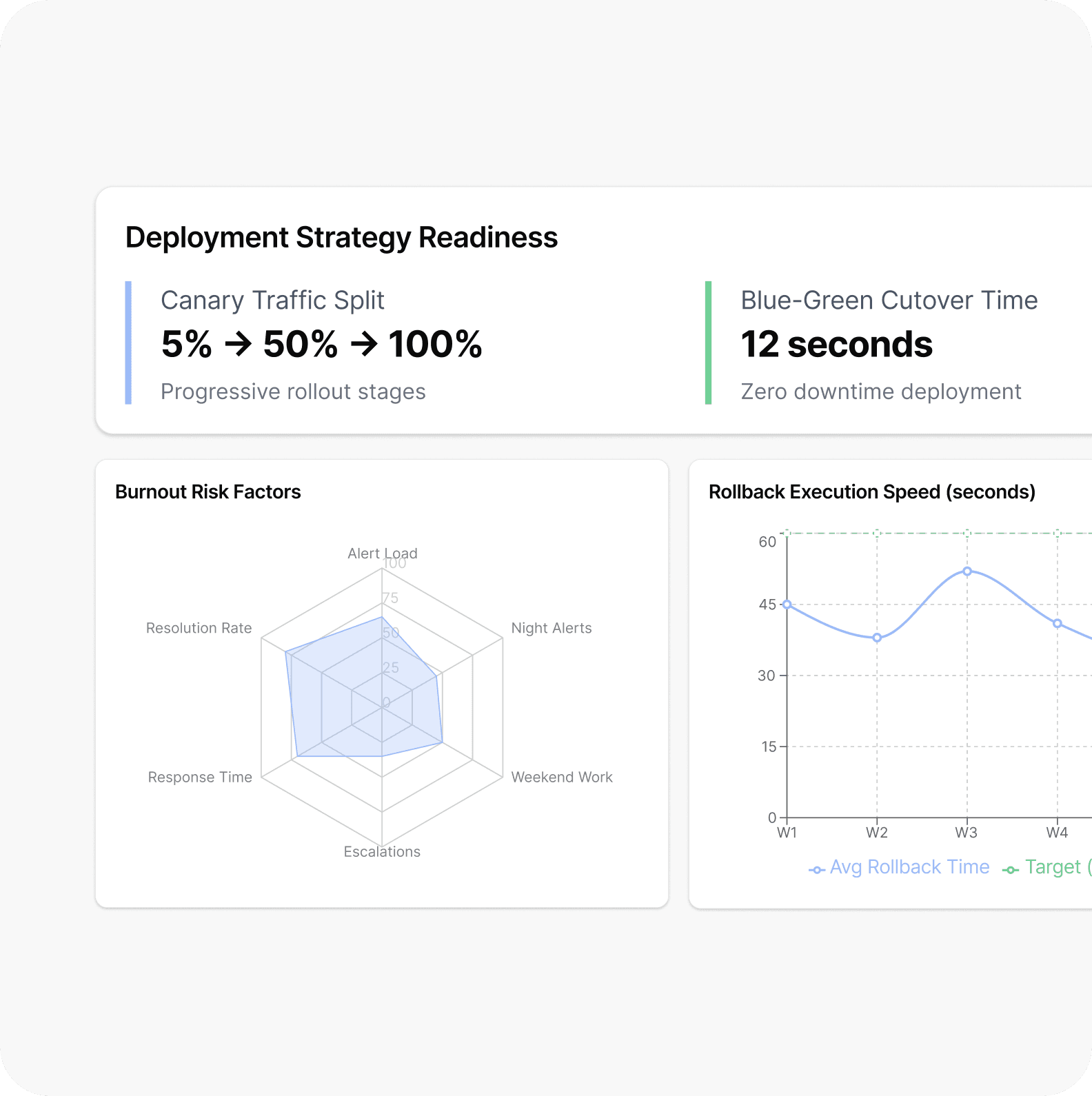
- Deployment safety assessment: Feature flag usage, canary release capability, blue-green deployment availability, and rollback execution speed
- Change management process audit: Approval workflows, production change communication, and freeze period governance
- Capacity and headroom monitoring: Resource utilization trending, saturation threshold alerting, and proactive scaling trigger configuration
- On-call sustainability evaluation: Rotation structure, alert volume per engineer, escalation frequency, and burnout risk indicators
Patterns We Consistently See During Reliability Engagements
4-8 hrs
typical mean time to recovery on teams without structured runbooks or validated escalation paths
60-70%
share of production incidents that better alerting coverage could have caught earlier
1 in 3
systems with disaster recovery procedures documented but never tested against a realistic failure
35%
reduction in incident frequency teams can reach through targeted architectural resilience work
Reliability Outcomes We Are Accountable For Delivering
Know Exactly How Your System Fails Before Your Users Do
Make Every Deployment a Controlled Event, Not a Calculated Gamble
Build an On-Call Culture Based on Process, Not Heroics
Achieve the Availability Your Business Has Committed to Delivering
Industries Across Which We Deliver Reliability and Production Readiness Impact


Reliability Assessments Backed by 1000+ Delivered Projects
Our Offerings in DevOps Consulting and Services
Our Latest Thinking
How GeekyAnts Evaluates AI Systems for Production Readiness
This blog explains how GeekyAnts evaluates AI systems for accuracy, security, bias, cost, and performance before production, supported by real project examples.
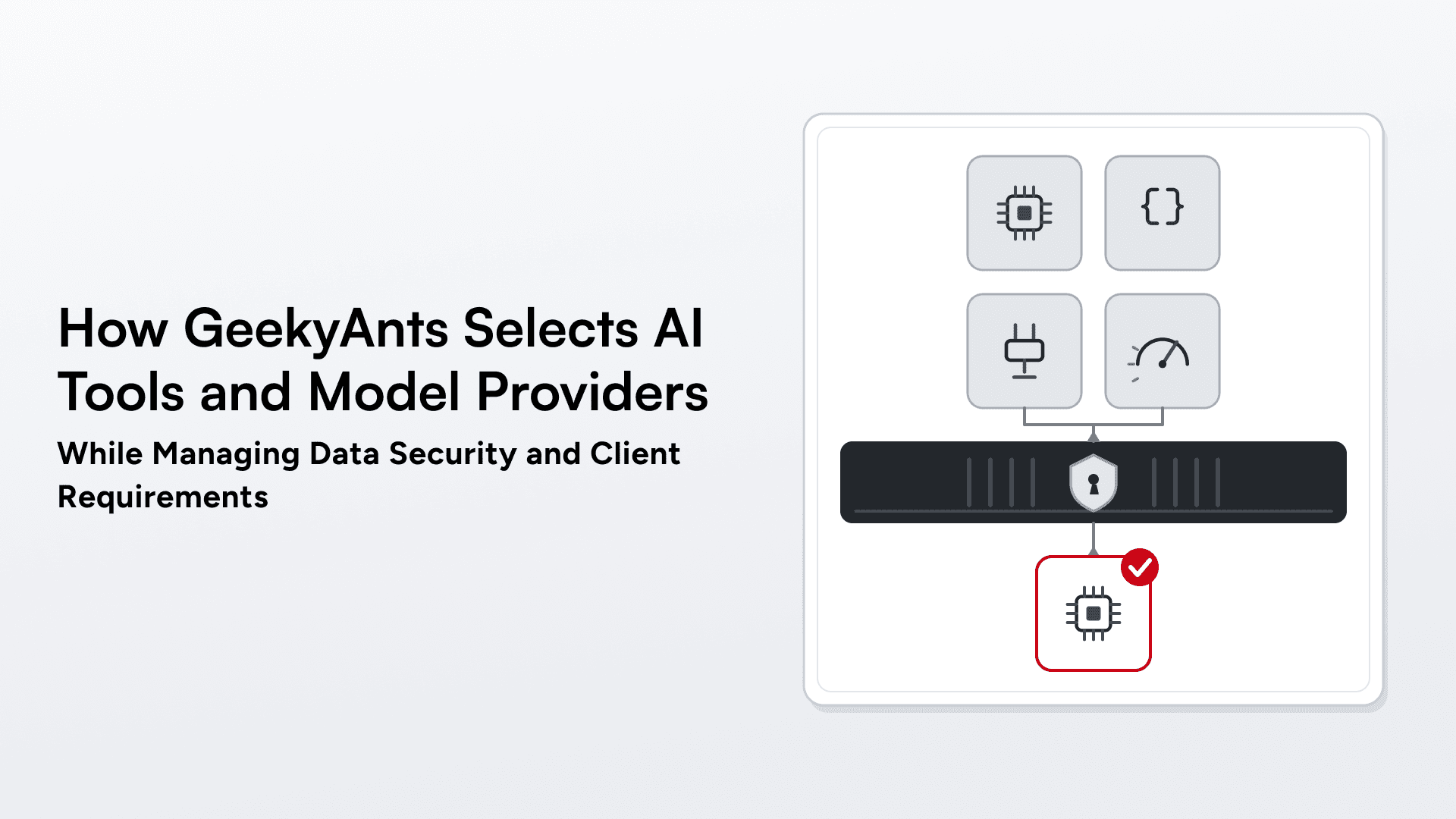
How GeekyAnts Selects AI Tools and Model Providers While Managing Data Security and Client Requirements
Explore the AI tools and model providers used in GeekyAnts’ documented projects, including Claude Code, Gemini, OpenAI, and Ollama. Learn how tool selection, data retention, subprocessors, hosting options, and client requirements shape AI adoption.
How GeekyAnts Uses AI in Software Engineering: From Requirements to Release
This blog explains how GeekyAnts uses AI across software development while maintaining human oversight, quality checks, and engineering accountability.
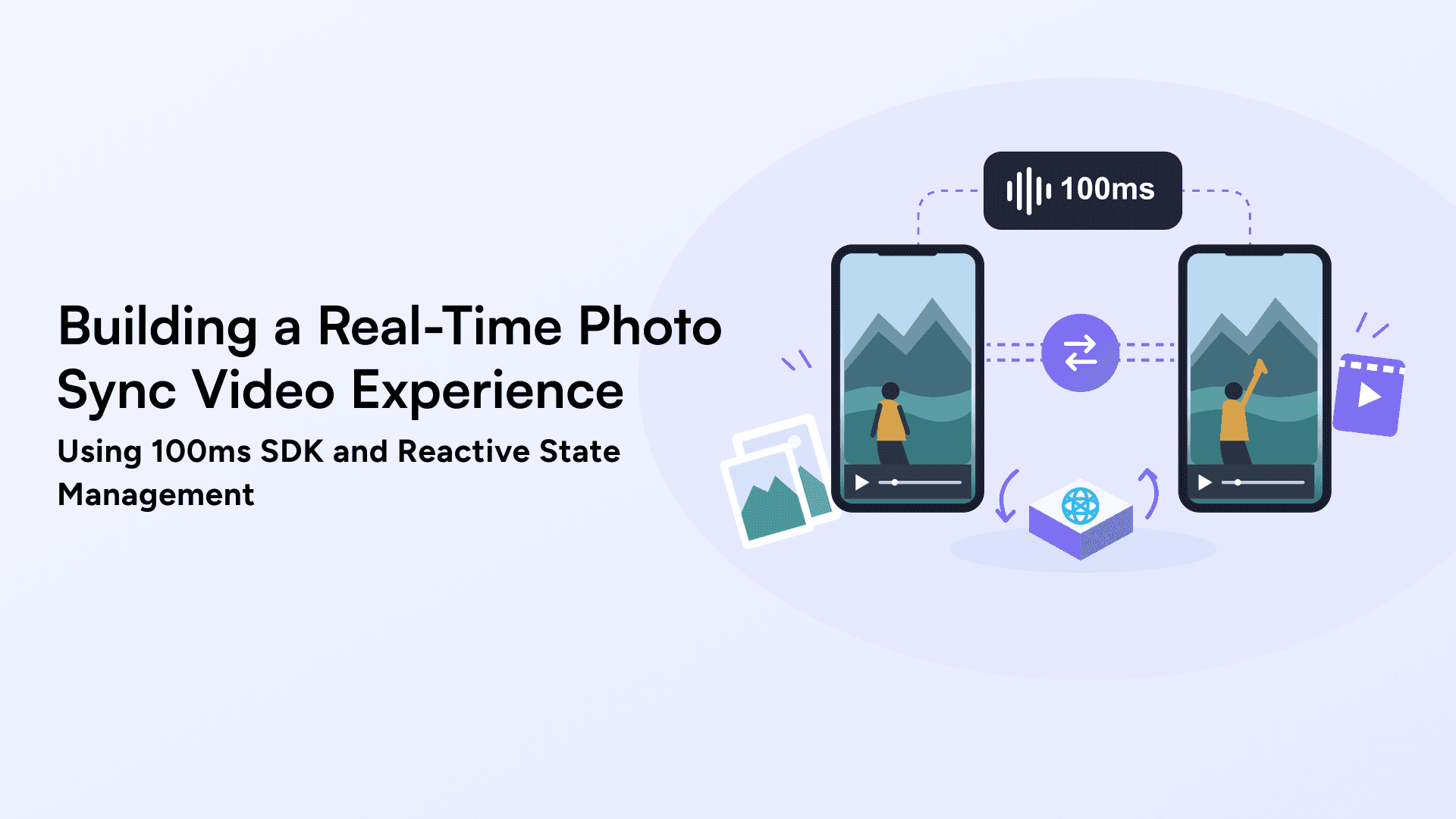
Building a Real-Time Photo Sync Video Experience Using 100ms SDK and Reactive State Management
This blog explains how to build a real-time video experience with synchronized photo sharing, chat, and reactive state management using the 100ms SDK.
How to Hire Fintech Software Developers: Skills, Costs, and Hiring Models
This blog explains how to hire fintech software developers by evaluating domain expertise, technical skills, security, compliance, hiring models, costs, and production experience.
Which GeekyAnts Clients Can Provide References? How Our Client-Reference and NDA Process Works
This blog explains how GeekyAnts handles client-reference requests, including client selection, consent, NDA restrictions, and alternatives when a reference call is unavailable.
