Deployment and Infrastructure Automation
Go from Manual Release to Automated Infra










Client Results and Success
Production-Ready Kubernetes Architecture
The platform was designed to support scalable production deployments with minimal resource consumption, enabling faster environment provisioning and operational stability.
3
environments K8s setup
95%
environments K8s setup
35%
savings over managed Kubernetes alternatives



Our Deployment and Infrastructure Automation Services
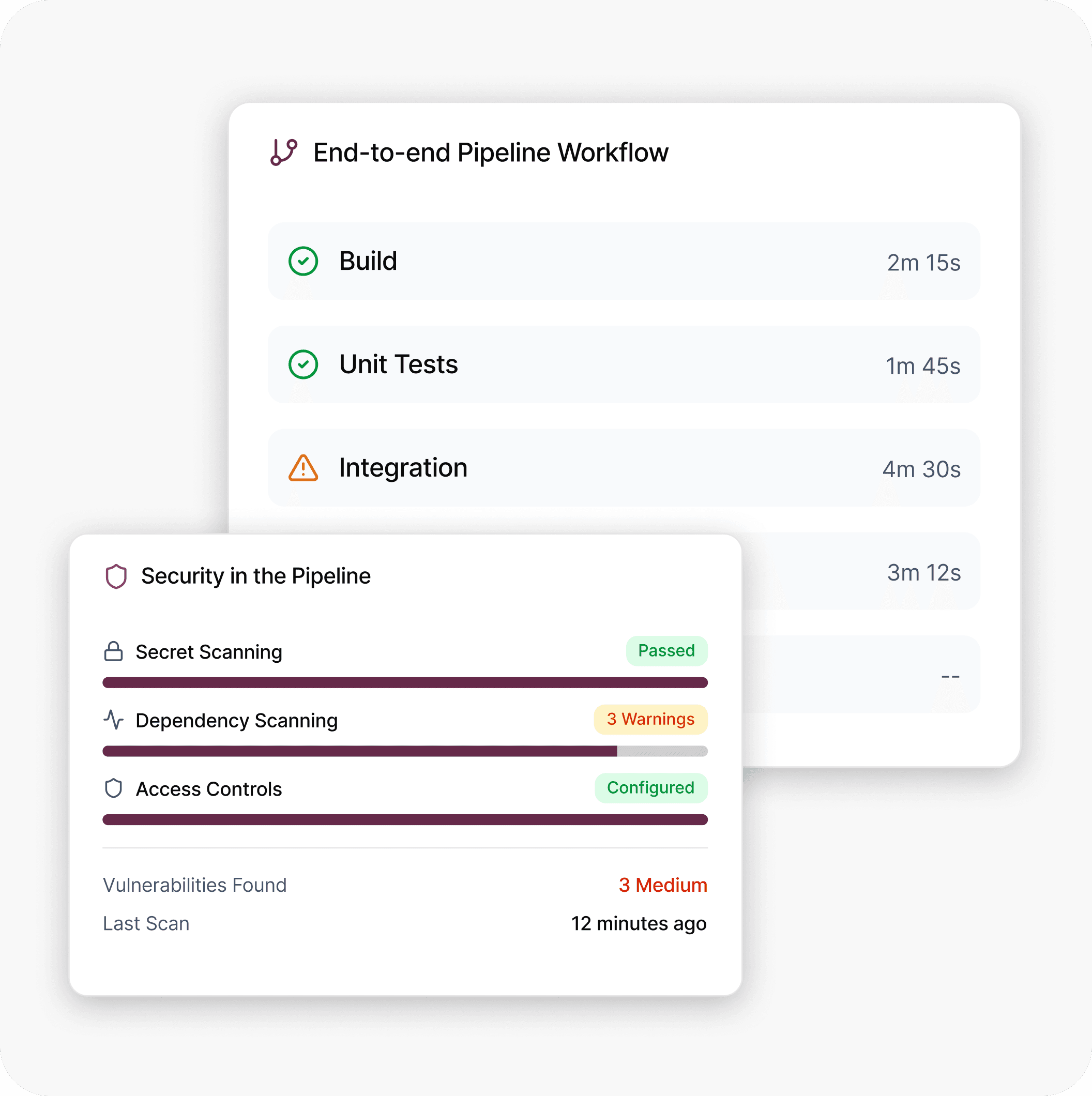
- End-to-end pipeline architecture covering your full build, test, and release sequence.
- Deployment strategy design across blue/green, canary, rolling, and feature-flagged patterns.
- Automated environment promotion gates from development through to production.
- Pipeline reliability hardening, including retry logic, flaky test isolation, and failure alerting.
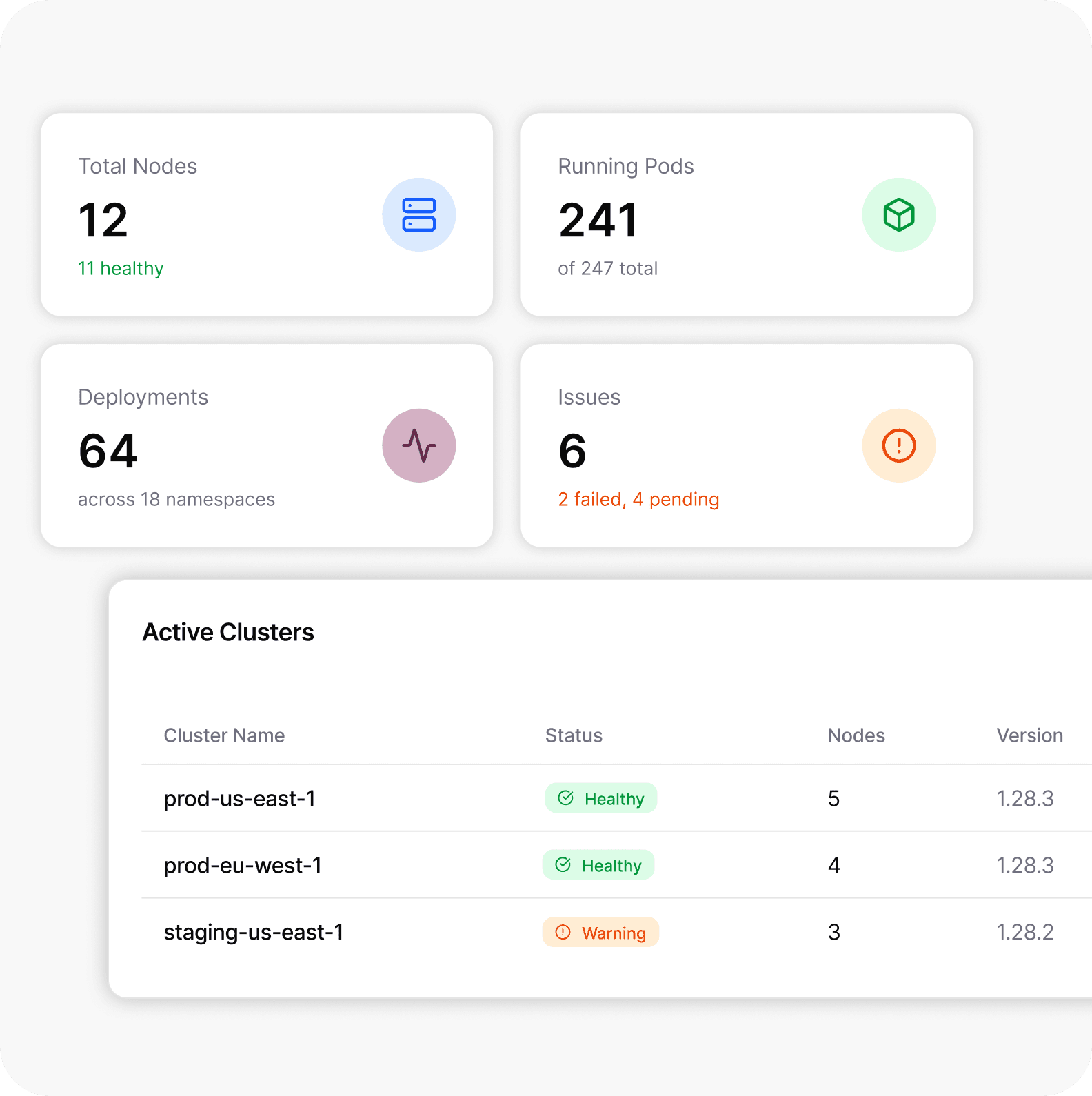
- Kubernetes cluster design and day-two operations for production-grade workloads.
- Helm chart management for standardised, reusable release packaging.
- Ingress, internal routing, and traffic management configuration.
- Auto-scaling aligned to real workload demand using HPA, VPA, and cluster autoscaling.
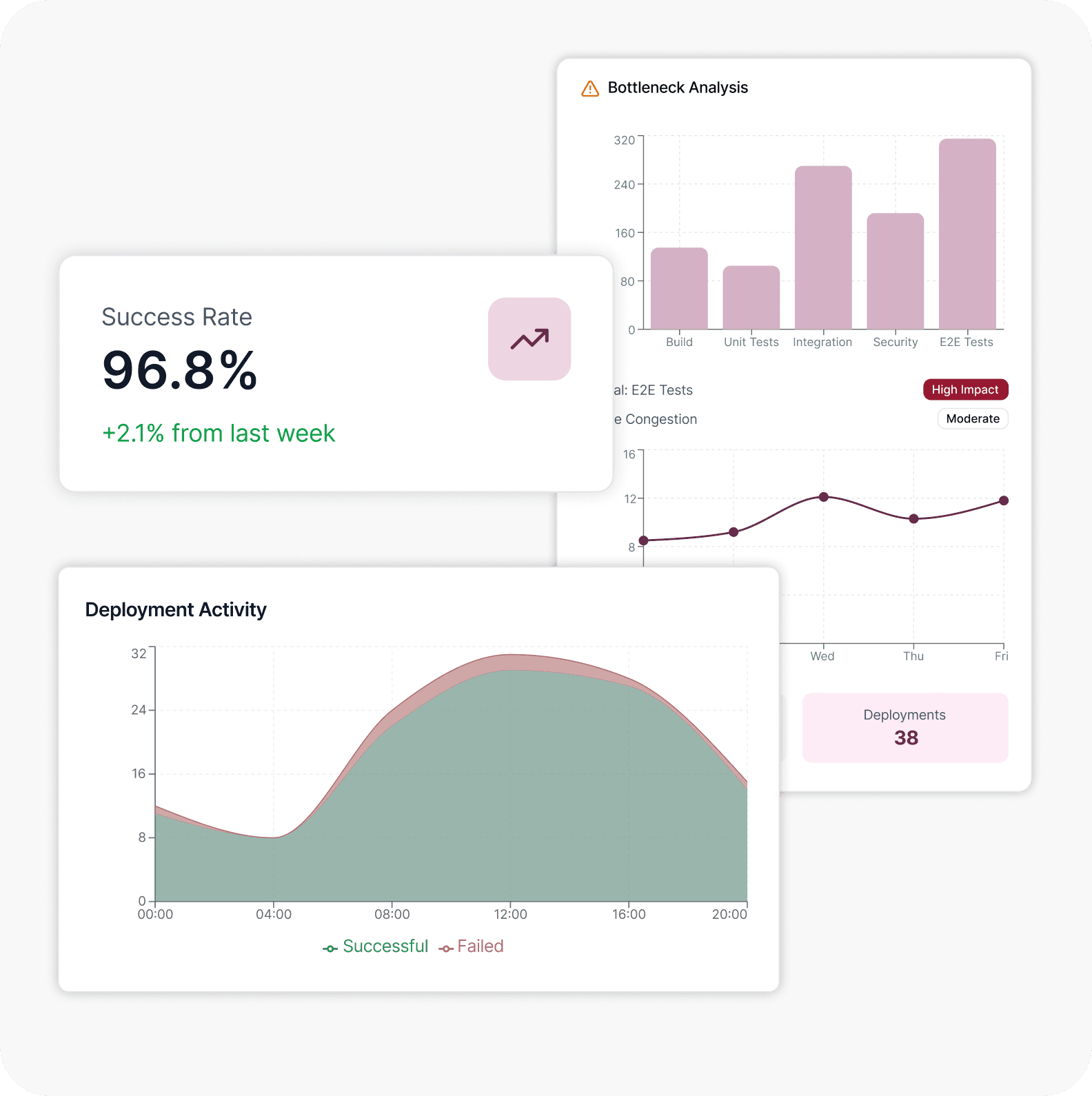
- Deployment observability with metrics, logs, and traces instrumented across your pipeline and live environment.
- Automatic rollback triggers on failed deployments.
- Threshold-based alerting, on-call routing, and documented incident response runbooks.
- Automated smoke tests and health checks that validate every release before it reaches your users.
Results and Impact We Will Deliver
Deployments Your Team Can Trust
Environments That Actually Reflect Production
Release Velocity That Doesn't Plateau
Cloud Spend Matched to Real Usage
Industries-Based Deployment and Infrastructure Automation


Deployment and Infrastructure Automation by Engineering Teams that Have Built 1000+ Global Projects
Our Offerings in DevOps Consulting and Services
Our Latest Thinking
How GeekyAnts Evaluates AI Systems for Production Readiness
This blog explains how GeekyAnts evaluates AI systems for accuracy, security, bias, cost, and performance before production, supported by real project examples.
How GeekyAnts Selects AI Tools and Model Providers While Managing Data Security and Client Requirements
Explore the AI tools and model providers used in GeekyAnts’ documented projects, including Claude Code, Gemini, OpenAI, and Ollama. Learn how tool selection, data retention, subprocessors, hosting options, and client requirements shape AI adoption.
How GeekyAnts Uses AI in Software Engineering: From Requirements to Release
This blog explains how GeekyAnts uses AI across software development while maintaining human oversight, quality checks, and engineering accountability.
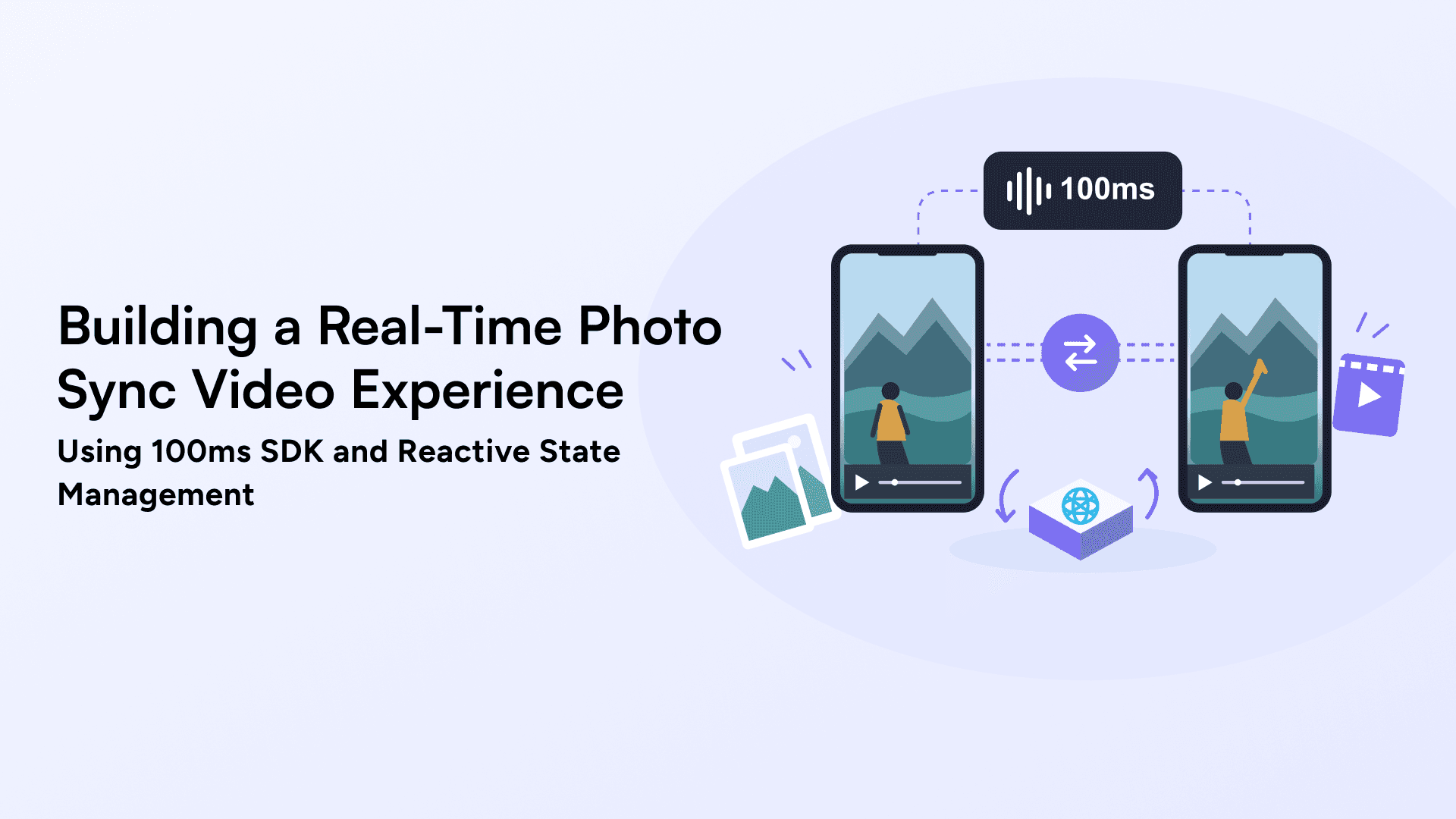
Building a Real-Time Photo Sync Video Experience Using 100ms SDK and Reactive State Management
This blog explains how to build a real-time video experience with synchronized photo sharing, chat, and reactive state management using the 100ms SDK.
How to Hire Fintech Software Developers: Skills, Costs, and Hiring Models
This blog explains how to hire fintech software developers by evaluating domain expertise, technical skills, security, compliance, hiring models, costs, and production experience.
Which GeekyAnts Clients Can Provide References? How Our Client-Reference and NDA Process Works
This blog explains how GeekyAnts handles client-reference requests, including client selection, consent, NDA restrictions, and alternatives when a reference call is unavailable.