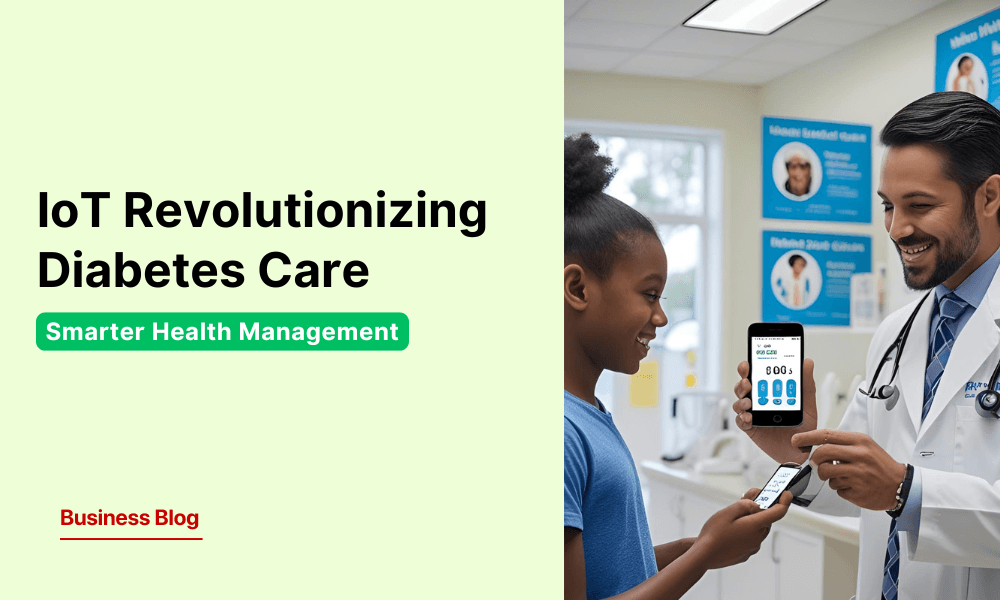

The Internet of Things (IoT) is a revolutionary technology that connects physical devices to the internet, allowing them to collect, transmit, and process data without human intervention. These smart devices range from home automation systems to healthcare monitoring solutions, making everyday tasks more efficient and data-driven.
In healthcare, IoT plays a crucial role in remote monitoring, real-time data analysis, and personalized treatment plans. One such application is diabetes management, where IoT helps track glucose levels, heart rate, and other vital parameters.
How IoT Works:
IoT functions through a combination of sensors, connectivity modules, cloud computing, and user interfaces. The basic workflow of an IoT system includes:
- Data Collection – Sensors collect real-time data from the environment (e.g., glucose levels, heart rate).
- Data Transmission – Connectivity modules (Wi-Fi, Bluetooth, cellular networks) send data to a cloud server or mobile app.
- Data Processing – AI and machine learning algorithms analyze the data and provide insights.
- Action & Feedback – Based on the analysis, users receive alerts, recommendations, or automated responses.
For diabetes management, IoT ensures continuous glucose monitoring (CGM), alerting patients and doctors about fluctuations in sugar levels, reducing the risk of complications.
Components of IoT Devices:
IoT devices consist of several essential components that enable seamless functionality:
- Sensors and Actuators
- Sensors: Measure different parameters (glucose levels, temperature, heart rate).
- Actuators: Trigger actions like insulin delivery in automated insulin pumps.
- Connectivity Modules
- Wi-Fi, Bluetooth, Zigbee, or Cellular Networks enable devices to communicate with mobile applications and cloud storage.
- Data Processing Units
- Microcontrollers and Microprocessors (e.g., Raspberry Pi, Arduino) analyze and process the collected data.
- User Interface
- A mobile app or web dashboard allows users to visualize and interact with the collected data.
How IoT Components Work Together:
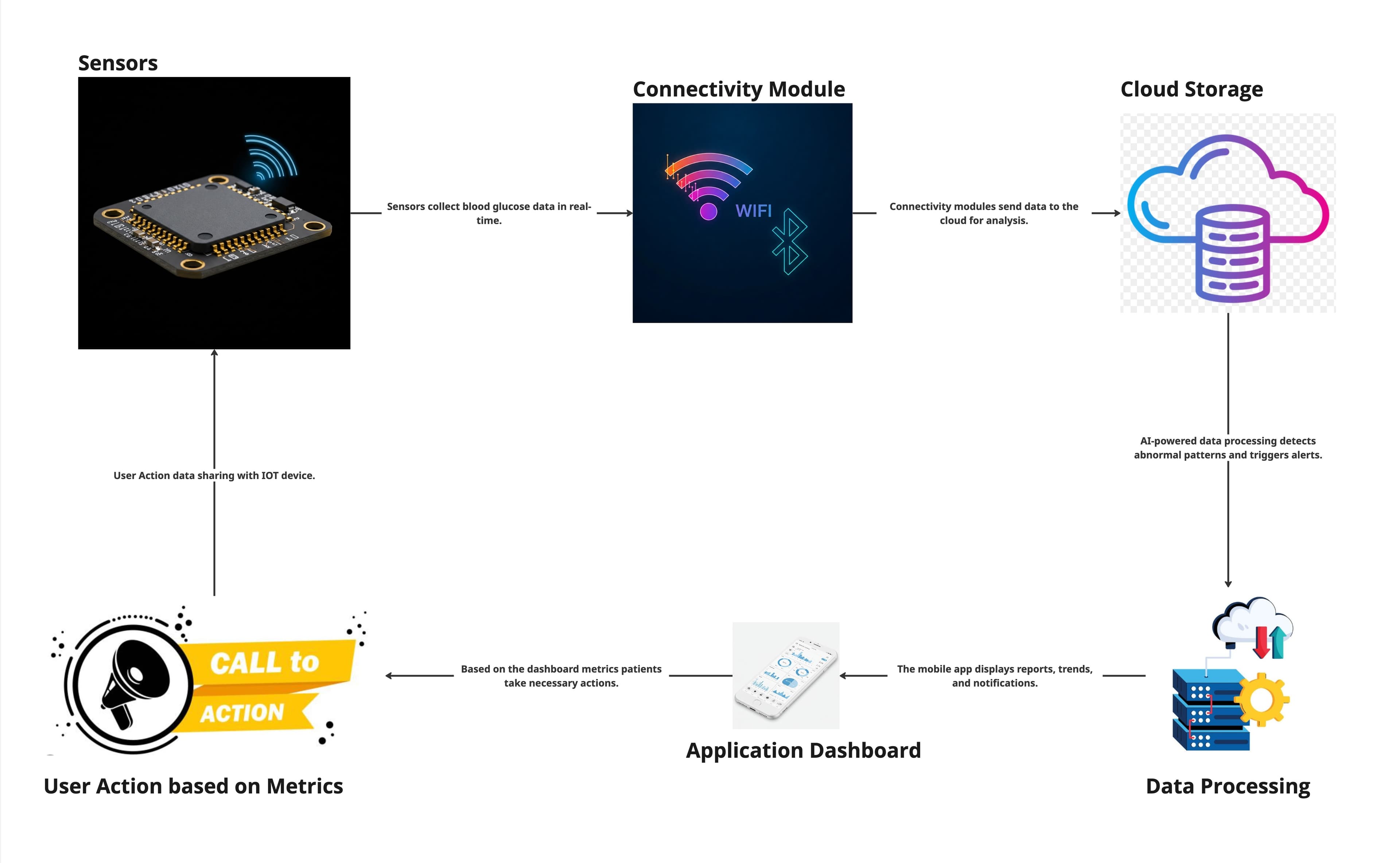
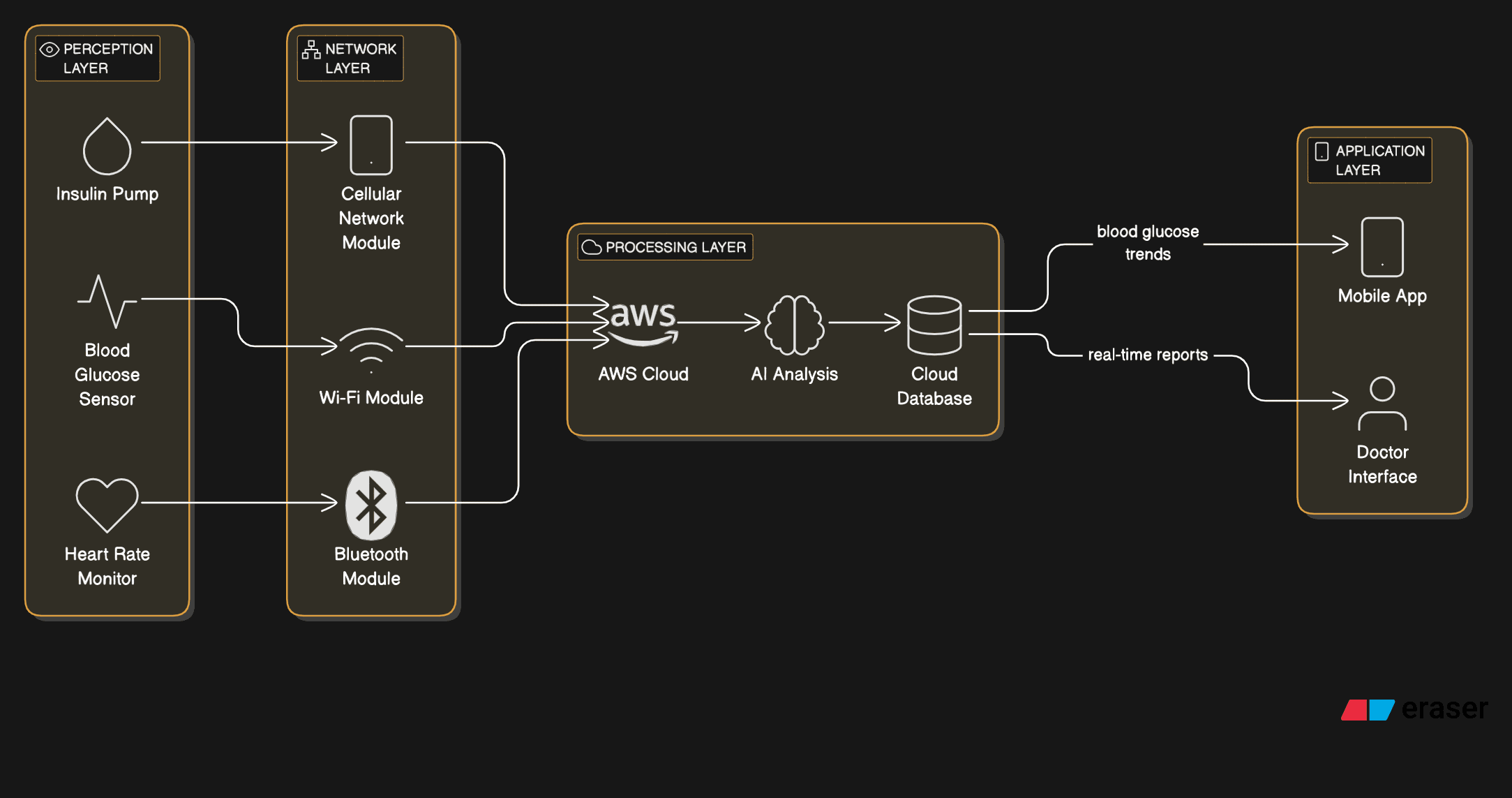
IoT is a system where different components collaborate to deliver meaningful insights. Here’s how they interact in a diabetes management system:
- Sensors collect blood glucose data in real-time.
- Connectivity modules send data to the cloud for analysis.
- AI-powered data processing detects abnormal patterns and triggers alerts.
- The mobile app displays reports, trends, and notifications to help patients take necessary actions.
This interconnected approach ensures continuous health monitoring and timely medical interventions.
System Flow Diagram of IoT:
Understanding Diabetes
What is Diabetes?
Diabetes is a chronic disease that occurs when the body either does not produce enough insulin or cannot effectively use the insulin it produces.
Types of Diabetes
- Type 1 Diabetes – The immune system attacks insulin-producing cells.
- Type 2 Diabetes – The body becomes resistant to insulin or doesn’t produce enough.
- Gestational Diabetes – Develops in pregnant women and usually resolves after childbirth.
Without proper management, diabetes can lead to severe complications, including heart disease, kidney failure, and nerve damage.
How Diabetes Affects the Human Body:
Diabetes can cause both short-term and long-term complications:
- Short-Term Effects:
- Frequent urination, excessive thirst, and sudden weight loss.
- Hypoglycemia (low blood sugar) or hyperglycemia (high blood sugar).
- Long-Term Effects
- Cardiovascular diseases: Increased risk of heart attack and stroke.
- Nerve damage (neuropathy): Causes pain and numbness in limbs.
- Kidney damage (nephropathy): Can lead to kidney failure.
- Eye damage (retinopathy): May result in blindness if untreated.
Timely monitoring and lifestyle adjustments help mitigate these risks.
Measuring Metrics for Diabetes Patients:
To manage diabetes effectively, several metrics need to be recorded:
- Blood Glucose Levels – Measured using Continuous Glucose Monitoring (CGM) devices.
- HbA1c Levels – Long-term blood sugar control indicator.
- Blood Pressure & Heart Rate – Essential for preventing cardiovascular diseases.
- Physical Activity & Diet – Helps regulate blood sugar levels.
IoT-powered devices automate these measurements, ensuring real-time data tracking and analysis.
Role of Mobile Applications in Diabetes Management:
Mobile applications play a pivotal role in diabetes management by offering:
- Real-time monitoring of blood sugar levels.
- Automated alerts for abnormal readings.
- Personalized insights and recommendations based on historical data.
- Integration with wearables for continuous tracking.
These apps bridge the gap between patients and healthcare providers, improving overall health outcomes.
IoT Integration with Mobile Applications:
IoT integration with mobile applications enhances diabetes management by:
- Real-Time Data Access
- Users can view live glucose levels anytime, anywhere.
- Historical data tracking helps recognize trends and patterns.
- Remote Monitoring
- Caregivers and doctors can access patient data remotely.
- Alerts notify doctors if glucose levels exceed normal thresholds.
- Predictive Analytics
- AI-based prediction models help users anticipate glucose fluctuations.
- Preventive measures can be taken before a critical situation arises.
- Personalized Alerts & Notifications
- Reminders for medication and diet adjustments.
- Emergency alerts in case of extreme sugar level fluctuations.
IoT-driven mobile applications provide a seamless user experience, empowering patients to manage diabetes effectively.
Architecture Diagram of IoT Integration:
Role of Genetic Algorithms in Solution Development:
Genetic Algorithms are used to optimize and enhance IoT-based healthcare solutions. It is an AI technique inspired by natural selection, helping improve decision-making.
How Genetic Algorithm Works in Diabetes Management:
- Data Collection
- Genetic Algorithm collects data from IoT devices (glucose levels, diet, physical activity).
- Pattern Recognition & Optimization
- Identifies patterns in blood sugar fluctuations.
- Suggests optimal medication and lifestyle changes.
- Personalized Treatment Recommendations
- Predicts best insulin dosage based on patient data.
- Adjusts recommendations dynamically for better management.
- Continuous Learning & Improvement
- The algorithm evolves over time to improve accuracy.
Using Genetic Algorithm, diabetes patients receive highly personalized healthcare solutions, ensuring better control over their condition.
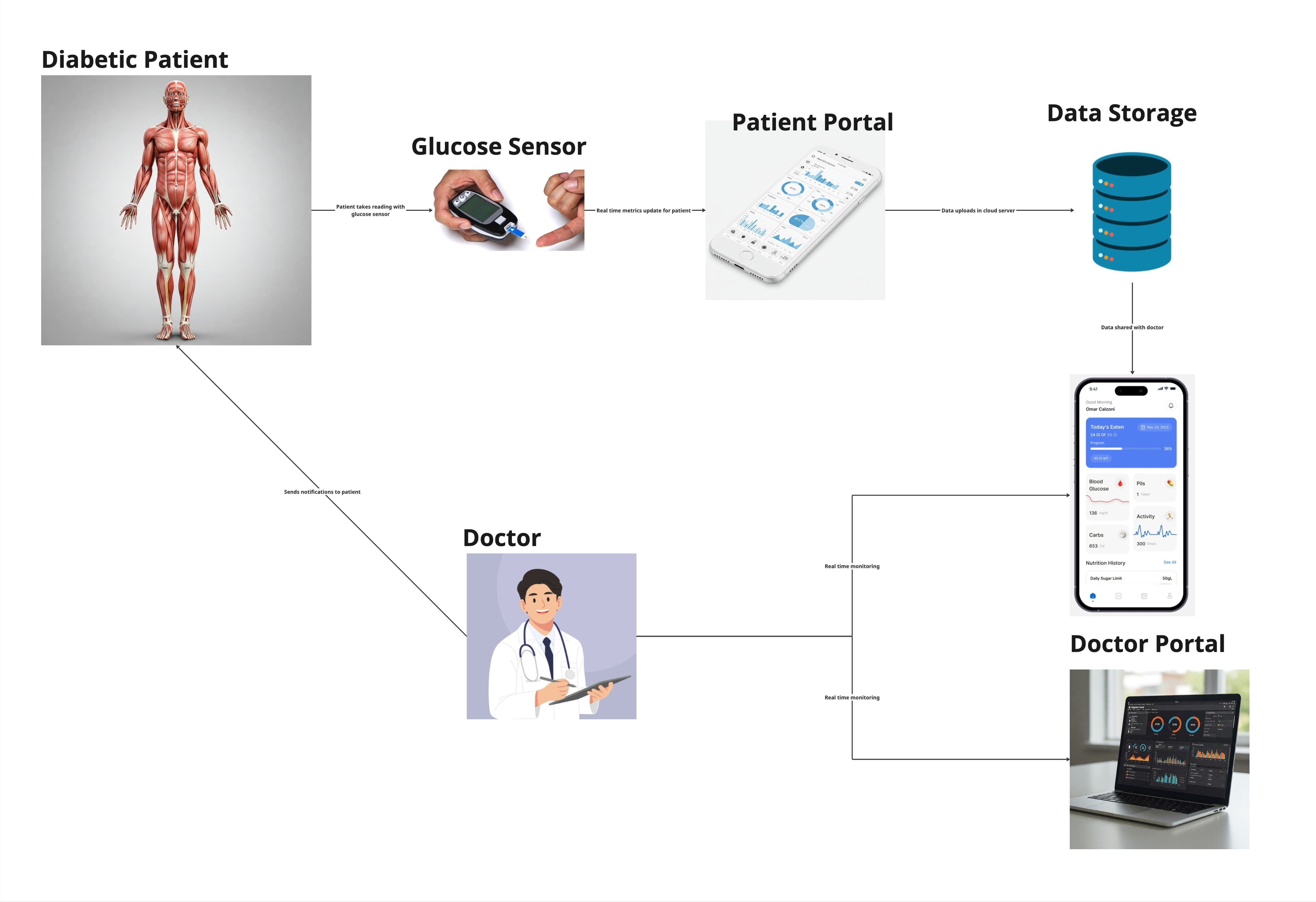
User Flow Diagrams in the IoT-Based Solution:
A user flow diagram outlines how a patient interacts with the IoT-powered diabetes monitoring system.
Key Takeaways:
- IoT is Revolutionizing Healthcare
- IoT-enabled devices provide real-time diabetes monitoring.
- Remote access to data improves doctor-patient interaction.
- Mobile Applications Play a Crucial Role
- Seamless integration between IoT devices and mobile apps.
- Instant alerts and recommendations for users.
- Genetic Algorithms Optimize Treatment Plans
- AI-driven personalized insights improve diabetes management.
- Predictive analytics helps prevent critical conditions.
- The Future of IoT in Diabetes Management
- Advancements in wearable sensors and AI-based diagnostics.
- Better patient outcomes with predictive analytics.
- Personalized Healthcare is Becoming a Reality
- IoT ensures real-time health tracking and automated responses.
- Patients have greater control over their health through smart monitoring.
FAQs
- How does IoT help in diabetes management?
IoT enables real-time glucose monitoring, alerts users about abnormal sugar levels, and provides personalized health insights through mobile applications. - Can IoT-based devices replace traditional diabetes monitoring methods?
While IoT improves accuracy and real-time tracking, traditional methods like finger-prick tests may still be needed for confirmation. - How secure is patient data in IoT-enabled diabetes monitoring systems?
Most IoT healthcare devices use end-to-end encryption and secure cloud storage to protect patient data from unauthorized access. - How does AI and GA enhance IoT in healthcare?
AI and Genetic Algorithms (GA) analyze patient data to predict trends, suggest treatment adjustments, and optimize medication plans. - What is the future of IoT in diabetes care?
The future includes AI-driven insulin pumps, non-invasive glucose monitors, and enhanced data analytics for better diabetes management.