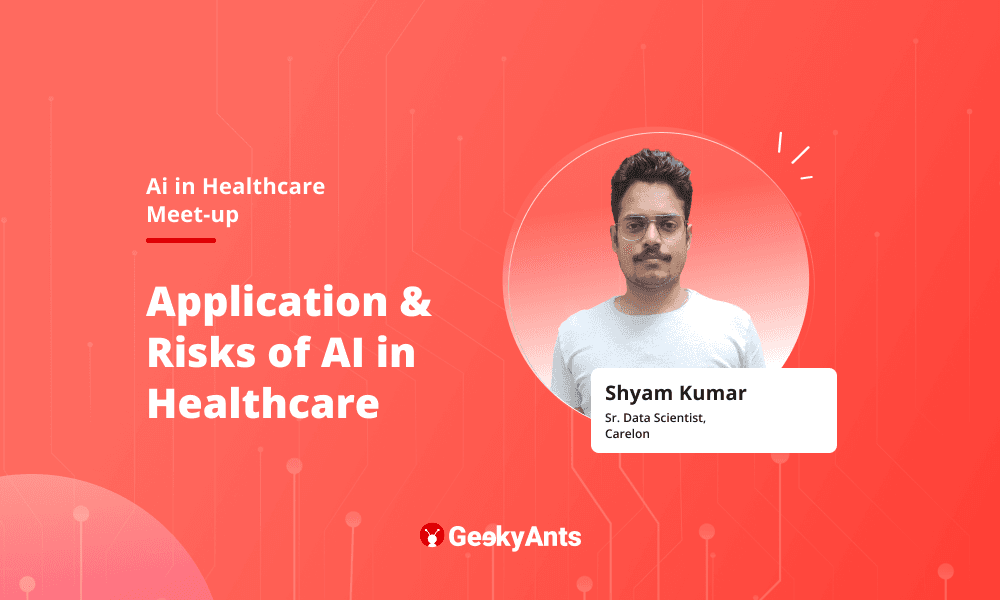

Picture this – the healthcare industry grappling with rising costs, medical errors, and a shortage of resources. Meanwhile, Google receives a staggering 1 billion health-related queries daily, showcasing a thirst for accessible information. Yet, our experience with searching health queries online often leaves much to be desired.
From Chaos to Harmony: Evolution of Generative AI
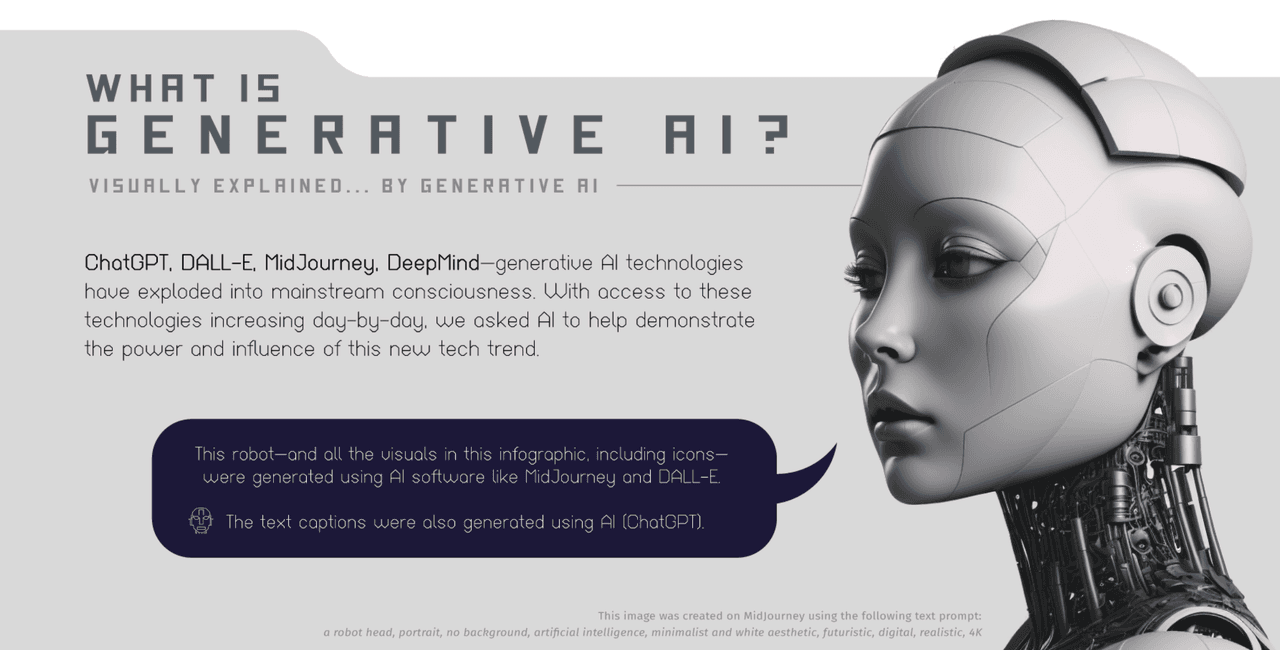
In the not-so-distant past, solving healthcare challenges meant juggling multiple machine-learning models. But, behold the era of Generative AI! Now, a single, versatile language model can gracefully handle various tasks, simplifying complexities and bringing order to the chaos of healthcare development.
Fueling the Engine: The Data Powerhouse
Data emerges as the unsung hero. Take ChatGPT as an example – it's been nurtured on a vast diet of information from Wikipedia, C4, book corpus, and PubMed abstracts. This wealth of data empowers the model to respond with a depth of knowledge drawn from diverse sources.
Advantages Unveiled: Foundational Models and Their Benefits
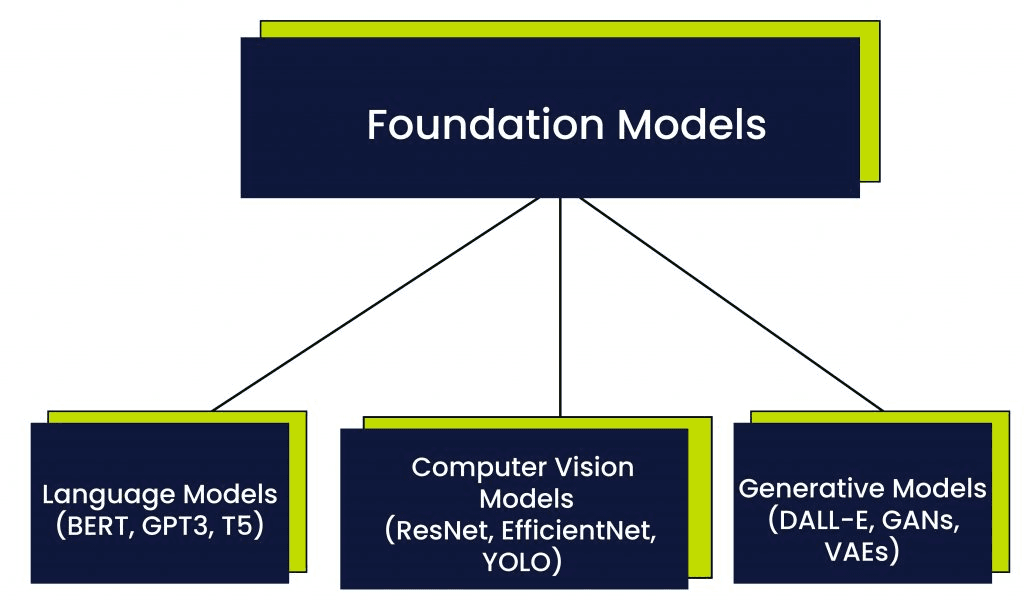
Foundational models emerge as the game-changers, demanding less labeled data, easing deployment, and accommodating an array of data types, from text to images and proteins. It's like turning a complicated puzzle into a well-orchestrated symphony.
Biomedical Marvels: Customizing Large Language Models
Generic models are fantastic, but for the intricacies of healthcare, customization is the key. Models like BioGPT, MedPalm2, and PubMedBERT take the stage, paving the way for groundbreaking applications in drug discovery, genetic research, and precision medicine.
The Grand Reveal: Generative AI in Action
Applications abound! From automating image analysis in clinical practice to answering complex medical queries, aiding drug discovery, and unraveling the mysteries of genetics – the potential impact on healthcare is nothing short of monumental.
However, with great power comes responsibility. Risks like hallucination, patient harm, misuse, bias, and transparency gaps loom. It's a call for stringent regulation, ethical considerations, and the need for constant refinement.
A Vision for Tomorrow: Human-AI Collaboration
In conclusion, we stand at the cusp of a healthcare revolution. Generative AI, when harnessed responsibly, promises a future where healthcare is not just accessible but is a beacon of accuracy and compassion. The collaboration between human expertise and AI innovation holds the key to a brighter and healthier tomorrow. Thank you for joining me on this exciting journey into the future of healthcare.
Watch the full session here 👇🏻