

Design lies at the crossroads of art and science, blending creativity with purpose. While its heart beats with subjective intuition, its foundation is built on strategic intent. This duality often sparks debate: Is design subjective or strategic? The truth is, it’s not one or the other—it’s both. Subjectivity fuels innovation and personal expression, while strategy ensures functionality and goal alignment. Together, they create designs that are not only visually captivating but also purposeful and impactful. Understanding and balancing this interplay is key to crafting designs that resonate and deliver meaningful outcomes. Let’s delve into this fascinating dynamic further.
The Subjective Nature of Design
Design thrives on creativity and personal expression, shaped by a designer's intuition, taste, and experiences. Subjectivity influences choices in aesthetics, interpretations of briefs, and cultural relevance, making each design unique. It allows designers to infuse personality and emotion into their work, connecting deeply with audiences individually. Subjectivity comes into play when:
Choosing aesthetics: Designers choose fonts, colors, and layouts based on their subjective visual appeal. These choices are influenced by personal taste, trends, and the desired emotional response, making this aspect deeply rooted in creativity.
Interpreting a brief: Each designer interprets project requirements differently, bringing their unique perspective and creativity. This subjectivity often leads to varied design approaches, showcasing individual styles while aiming to meet the client’s needs and expectations.
Cultural context: Design preferences vary globally, as beauty and relevance are influenced by cultural norms, traditions, and values. Effective design considers these differences to resonate meaningfully with diverse target audiences.
For instance, a minimalist design may appeal to one individual but might feel overly simplistic to another. This subjectivity is what makes design feel personal and artistic.
{"height":null,"width":null,"alt_text":null}The Strategic Backbone of Design
While subjectivity drives creativity, the strategy gives the design its purpose. Strategic design goes beyond aesthetics, aiming to solve problems and achieve objectives. It blends creativity with data-driven decisions, user research, and business alignment to ensure designs not only look great but also perform effectively, delivering meaningful results. Strategic design involves:
User Research: This involves analyzing the target audience to uncover their needs, preferences, and challenges. By understanding user behaviour and pain points, designers can create solutions that resonate deeply, ensuring relevance and enhancing the overall user experience.
Business Goals: Design decisions should align with the brand's mission and objectives. This ensures consistency across touchpoints, supports business strategies, and strengthens brand identity, making the design not just creative but also an effective tool for achieving measurable results.
Data-Driven Decisions: Using analytics, heatmaps, and A/B testing allows designers to validate their choices and optimize designs based on real user behaviour. This method ensures functionality and maximizes performance by addressing user needs and improving engagement.
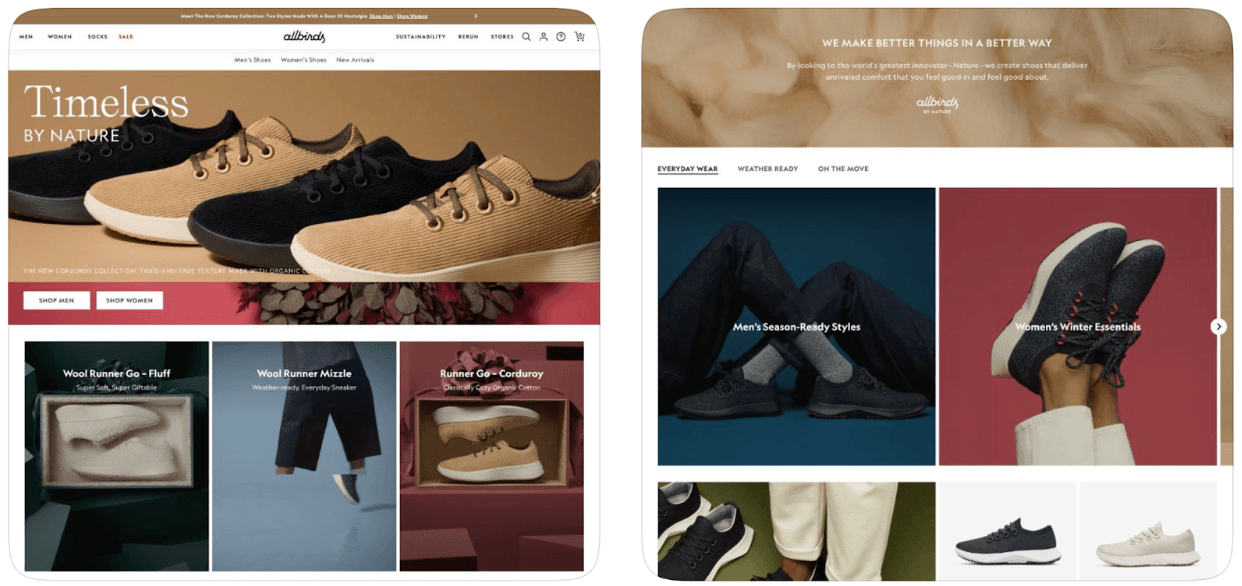
For example, a strategically designed e-commerce website isn’t just aesthetically pleasing; it is optimized for user experience, drives conversions, and enhances brand recall.
The Perfect Blend: Subjective Creativity Meets Strategic Purpose
The best designs balance subjectivity and strategy. Here’s how:
Brand Identity: A logo reflects a brand's creativity, using subjective design elements to evoke emotions. Strategic planning ensures these elements resonate with the target audience, fostering recognition, trust, and alignment with the brand's core values.
UI/UX Design: While attractive visuals capture attention and showcase artistic flair, strategic design ensures usability. Intuitive navigation, responsive layouts, and user-friendly interactions help create a seamless experience that satisfies users and meets their functional needs.
Campaigns: Vibrant visuals grab attention and convey creativity. However, the strategy ensures these campaigns align with business objectives, delivering clear messaging, driving engagement, and achieving measurable marketing goals.
Take Apple as an example. The sleek, minimalistic designs of their products are undoubtedly subjective, but every design decision is backed by a strategy to deliver superior functionality and brand consistency.



Where Designers Get It Wrong
Some designers focus too much on subjective creativity, producing visually stunning designs that fail to meet practical goals or user needs. Conversely, others rely solely on strategy, crafting functional designs that lack emotional resonance and aesthetic charm. The best design solutions strike a balance between these extremes, merging artistic expression with strategic intent. By harmonizing creativity and purpose, designers can create impactful works that not only captivate visually but also achieve meaningful results. This balance requires collaboration, user feedback, and a thoughtful approach to ensure the final product is both beautiful and effective in addressing its objectives. The key lies in finding harmony:
- Engage with stakeholders to align on objectives.
- Test designs with real users to ensure functionality meets expectations.
- Revisit the creative process to infuse originality without losing focus.
What is the conclusion?
Design is neither entirely subjective nor purely strategic—it is a spectrum. While subjectivity fuels creativity, the strategy ensures direction. As designers, our role is to walk this fine line, delivering solutions that are both beautiful and functional.