Game App Development Services
From expansive multiplayer platforms to AI-powered game analytics, we create cutting-edge gaming applications that redefine player engagement and optimize performance.
Whether you're building an esports ecosystem, a game studio, or a digital marketplace for gamers, our custom gaming app development services enhance interactivity, streamline operations, and maximize retention.











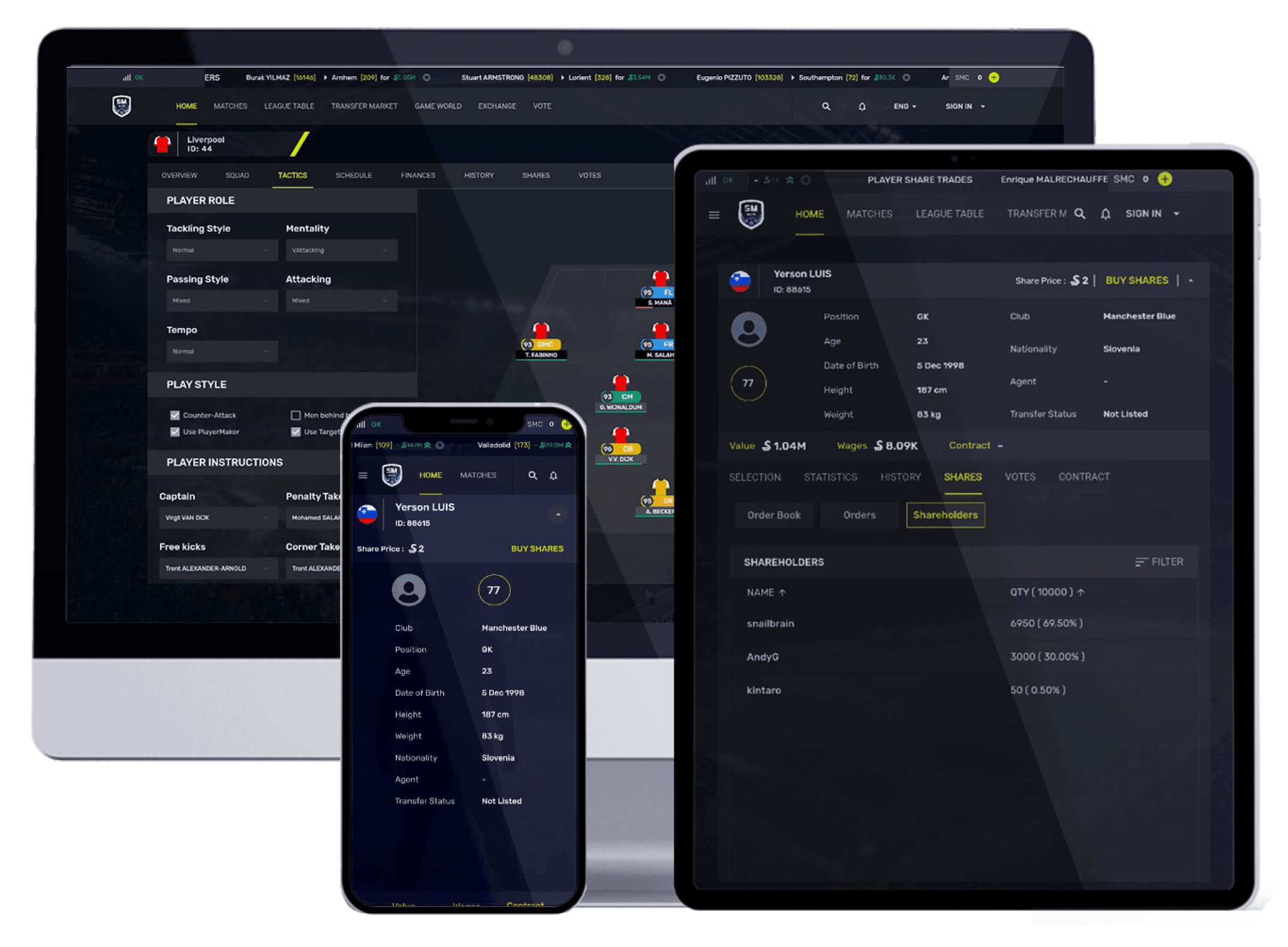
Redefining the Soccer Experience
We broke the status quo of static, pre-scripted football management models, and created an app that operates in real-time mirroring real-world soccer matches.
- Live Managers
- 1,000+
- Community Members
- 2,900+
We Help You Scale Gaming Operations Efficiently and Profitably with our App Development Services
From concept to launch, we provide full-cycle mobile game app development solutions tailored to your vision. Whether it's building immersive gameplay mechanics, designing scalable multiplayer infrastructure, or integrating AI-driven analytics, our gaming app developers ensure seamless execution at every stage.
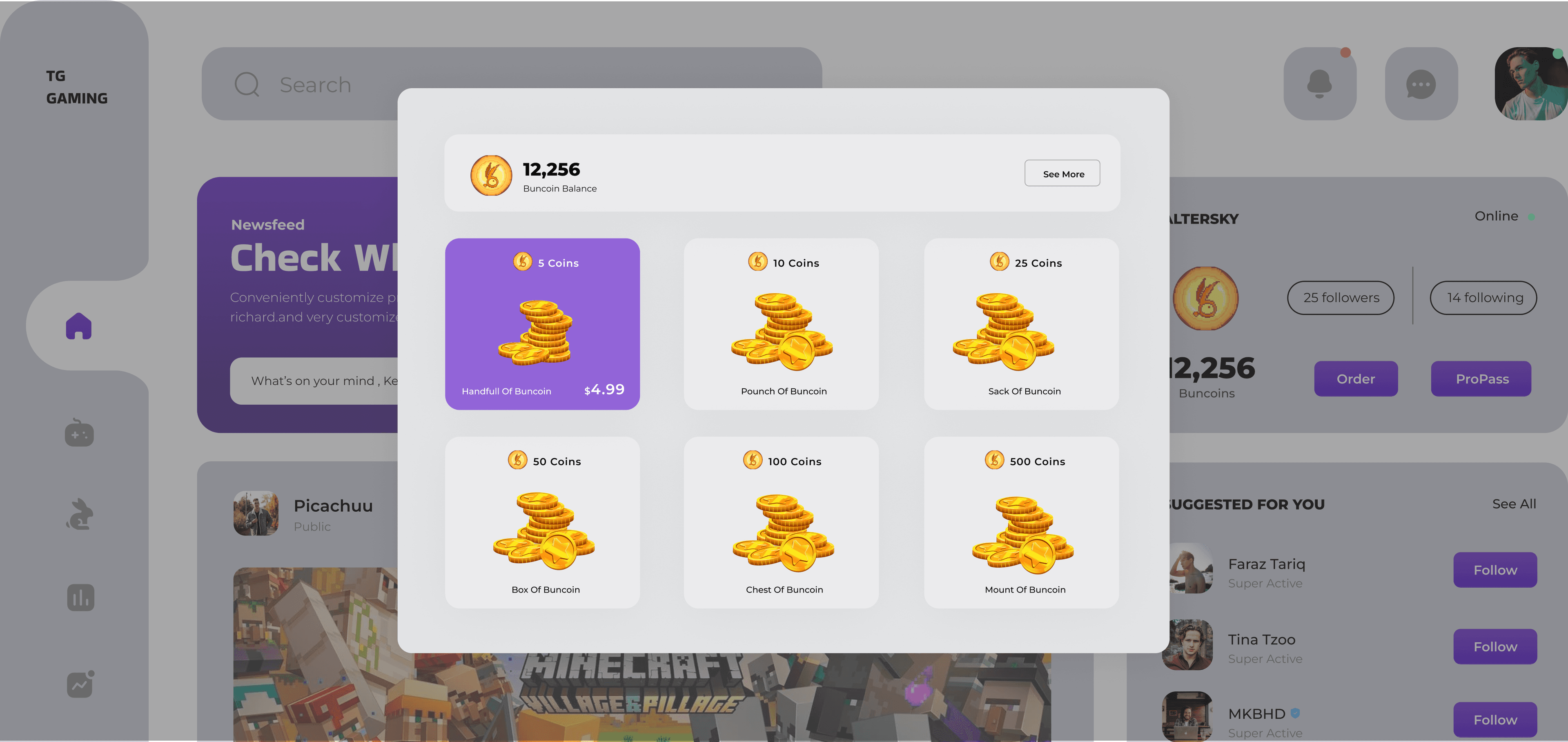
Gaming CRM and Player Engagement Systems
Designing and integrating CRM solutions to optimize player retention, automate engagement strategies, and enhance in-game monetization.
Game Infrastructure and Live Operations Management
Building and maintaining scalable backend systems for seamless multiplayer gaming, real-time matchmaking, and player authentication.
AI-Powered Game Analytics and Player Insights
Developing AI-driven solutions for player behavior analysis, predictive monetization models, dynamic difficulty adjustments, and content personalization based on preferences.
AR/VR Game Development Across Platforms
Creating next-gen immersive experiences with virtual reality gameplay, augmented reality interactions, and 3D environment modeling for deeper engagement.
Advanced Gamification Tools and Player Engagement
Integrating reward systems, achievement mechanics, progression loops, and real-time challenges to enhance player retention, motivation, and in-game monetization.
Digital Economy and Asset Management for Games
Designing and integrating secure, player-driven digital economies, enabling seamless asset interoperability, in-game currency systems, and decentralized marketplace transactions.
AI-Powered Solutions to Revolutionize Mobile Game App Development and Player Engagement
Leverage AI-driven mechanics to analyze player behavior, adjust difficulty levels in real time, and optimize in-game progression. Predictive modeling ensures engagement by personalizing challenges for every player.
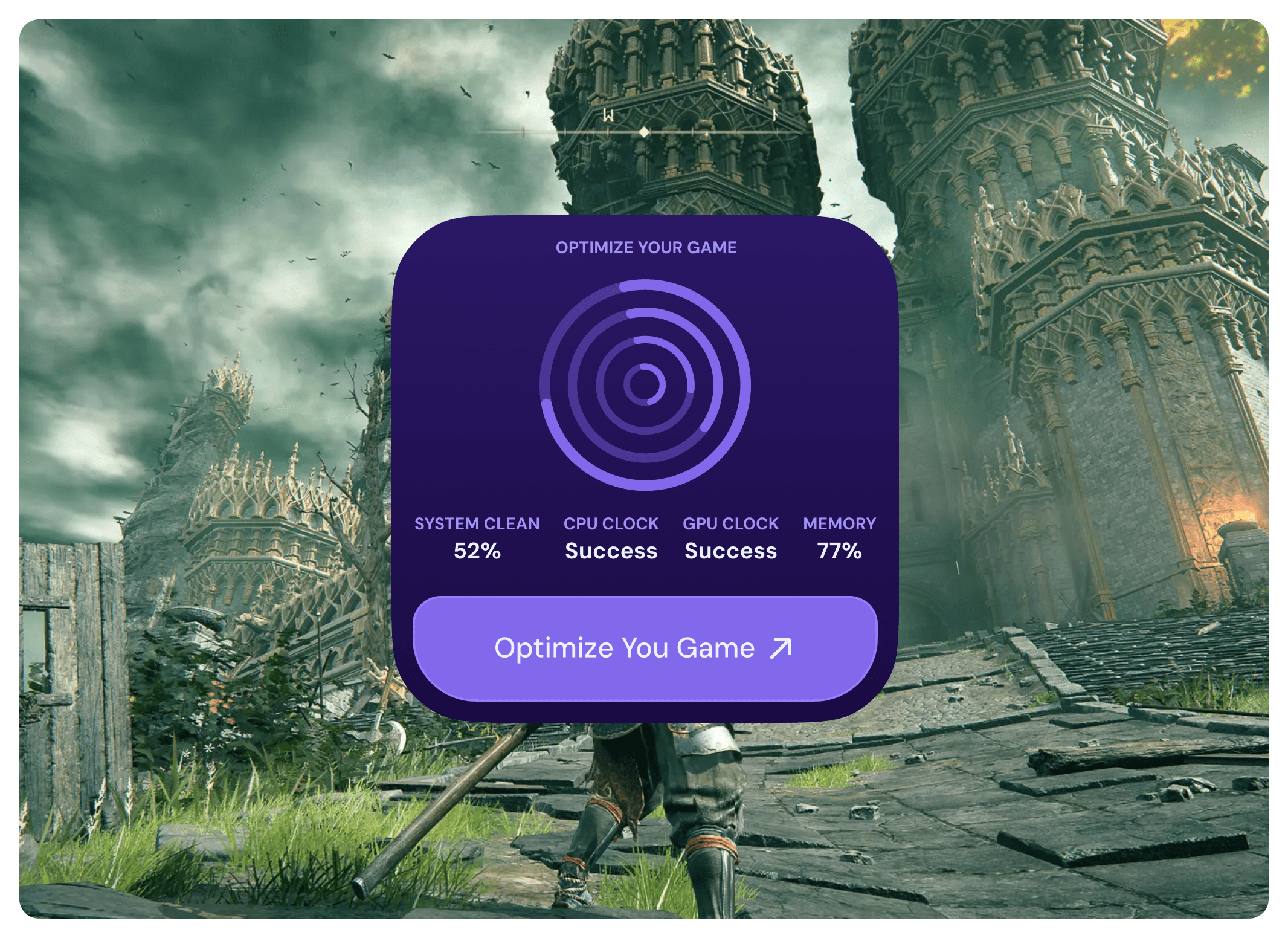
AI-powered recommendation engines fine-tune in-game purchases, dynamically adjust pricing models, and optimize ad placements based on player preferences. Intelligent spend prediction enhances revenue without disrupting player experience.
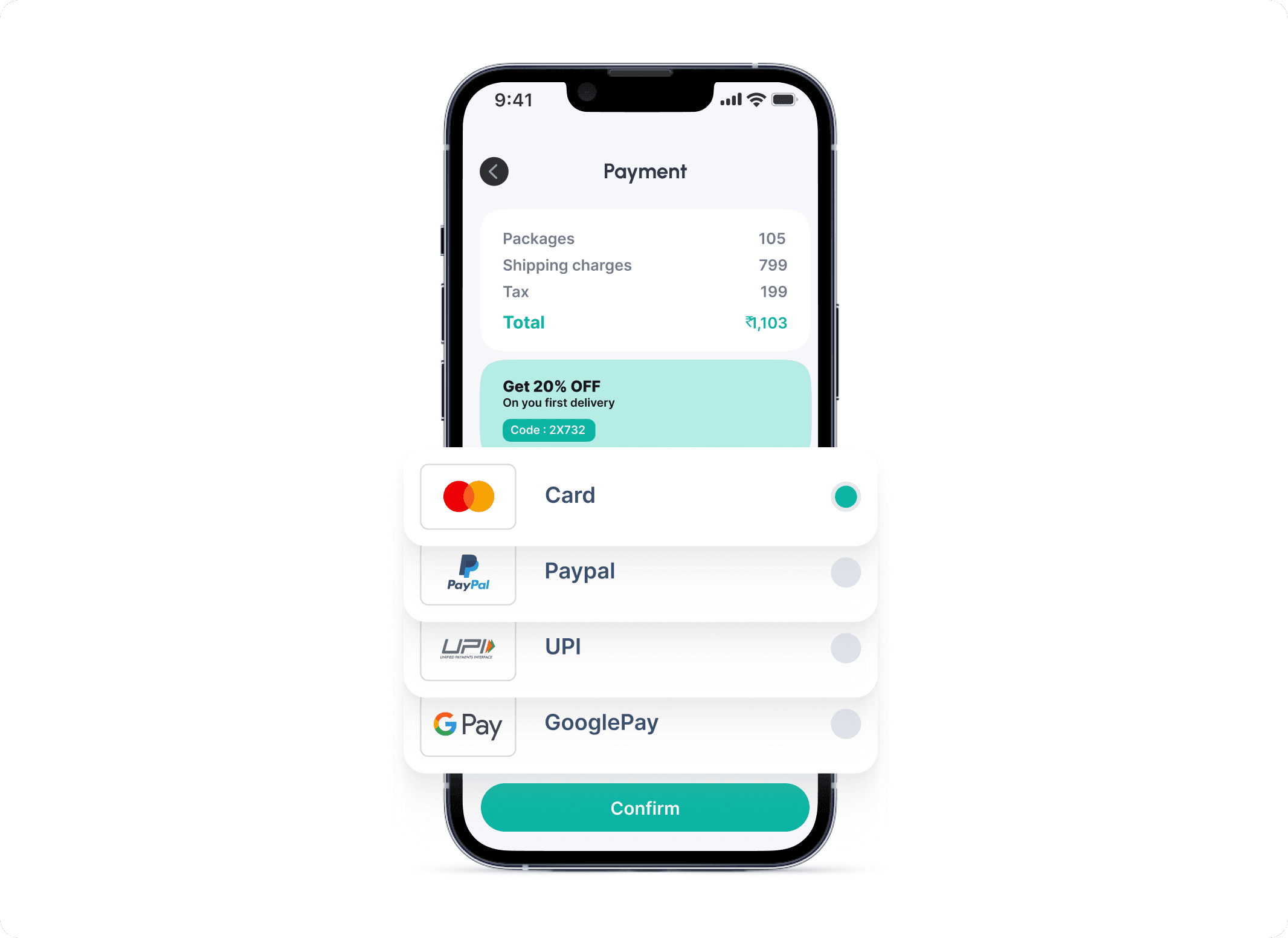
AI-driven analytics help identify high-value players, predict churn, and personalize content to improve retention. Advanced matchmaking and engagement strategies ensure seamless community building and long-term user loyalty.
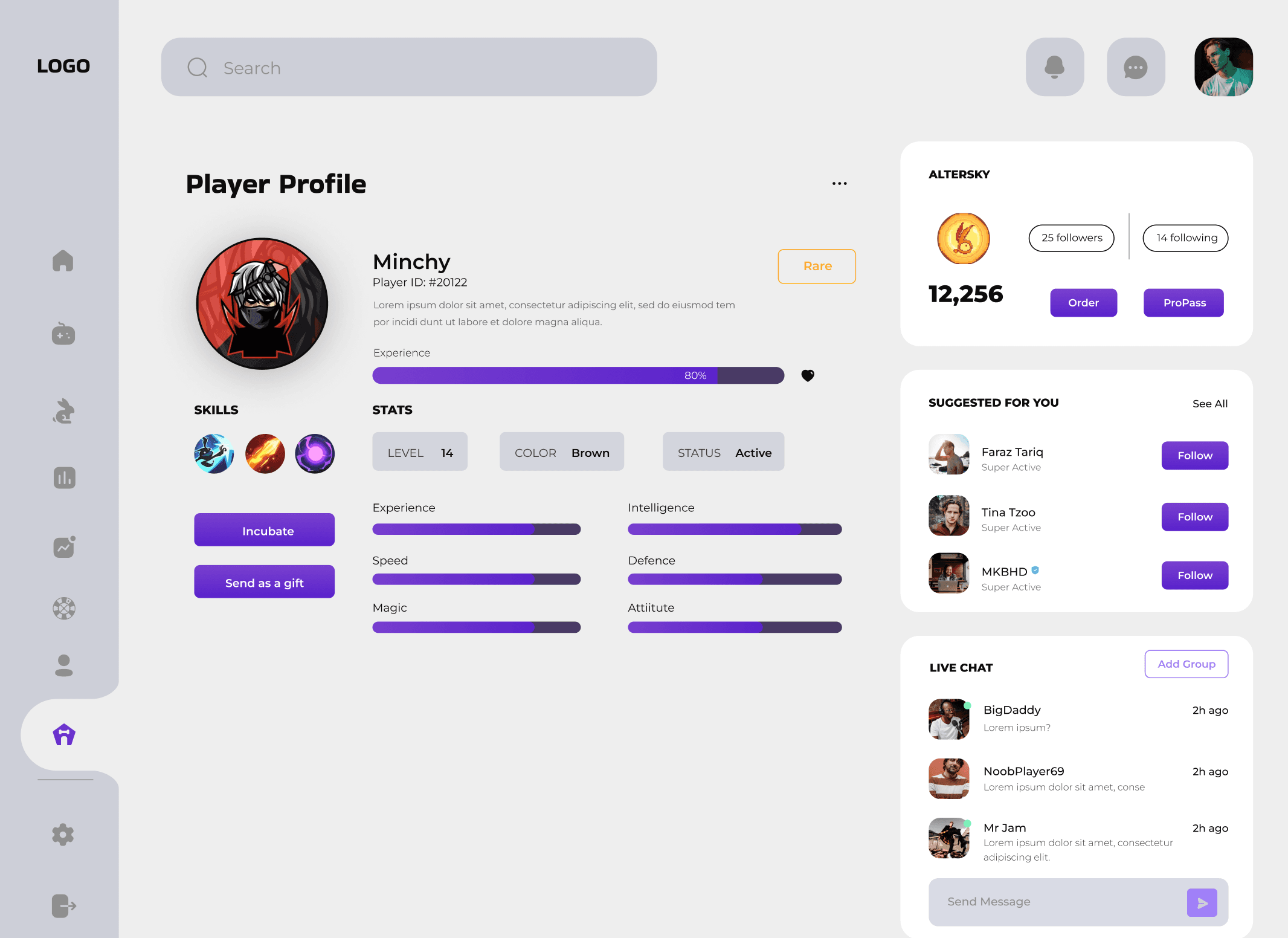
AI-powered chatbots and voice assistants enhance player interactions, provide real-time game support, and enable more immersive NPC interactions. Conversational AI adapts dialogue dynamically, creating lifelike in-game experiences.
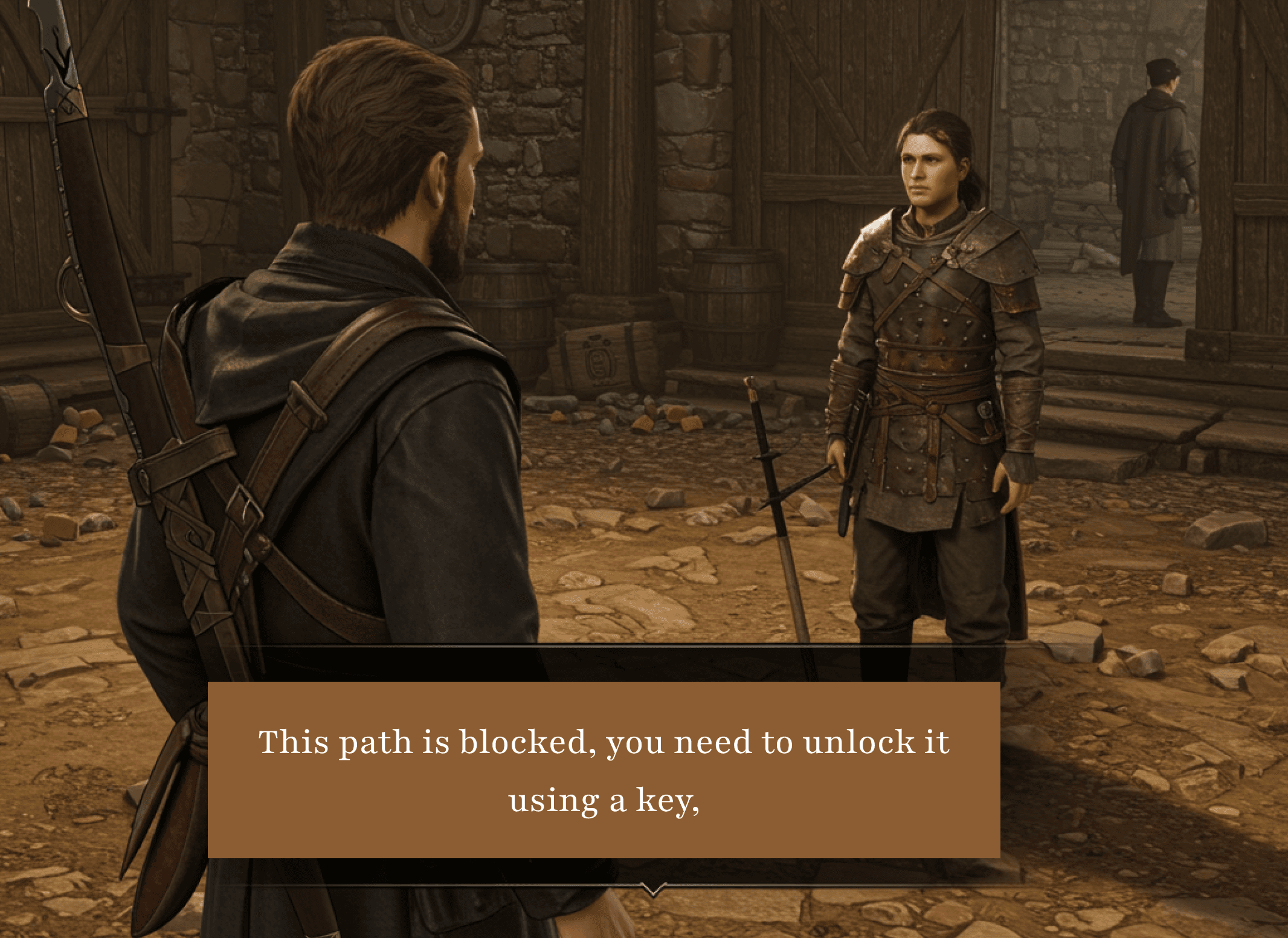
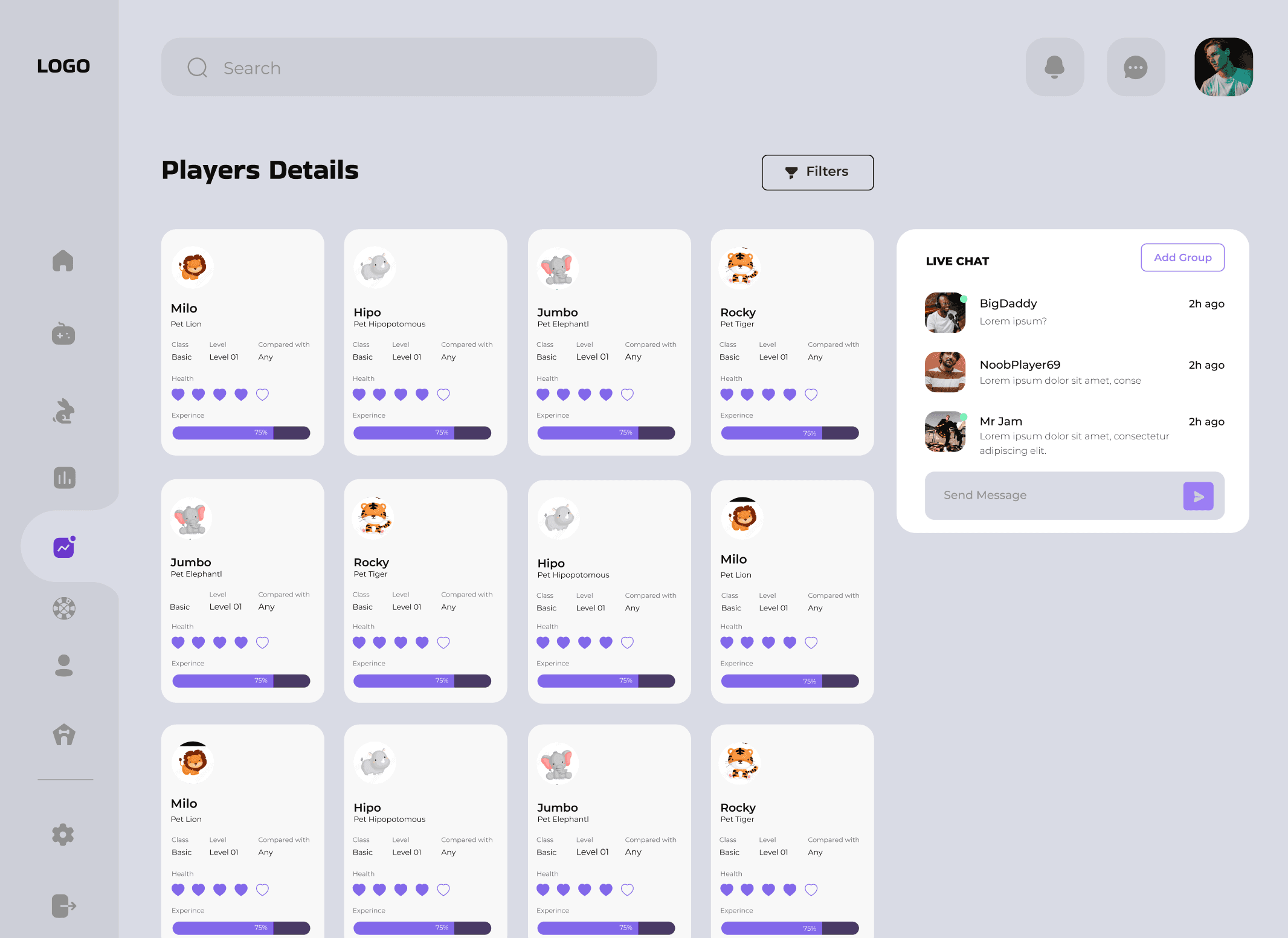
Automate workflows for developers with AI-driven user behavior analysis, fraud detection, and real-time performance optimization. AI-powered dashboards deliver deep insights into player engagement, monetization strategies, and game lifecycle improvements.
Major Modules We Build for Gaming Industry Enterprises
Our mobile game app development services are designed to power large-scale studios, publishers, and platforms with cutting-edge technology. From seamless multiplayer experiences to AI-driven analytics, we develop robust modules that enhance gameplay, optimize operations, and drive engagement.
Secure User Authentication & Account Management
Game Library & Content Management
Multiplayer Matchmaking & Server Hosting
Leaderboards, Achievements & Player Stats
Community & Social Features
Why Hire GeekyAnts As Your Gaming App Development Company
From building next-gen gaming platforms to integrating gamification into enterprise applications, we help businesses enhance engagement, optimize workflows, and drive user retention. Whether you're a game studio, a digital platform, or an enterprise looking to incorporate gamification, our mobile game app development services are designed to maximize impact and deliver immersive experiences.As a trusted game app development company, GeekyAnts offers end-to-end game and gamification development for Android, iOS, and web, tailored to industry-specific needs. Backed by deep market insights and cutting-edge technology, we ensure scalability, performance, and user engagement at every level.
Gaming Technology & Innovation Experts
We take an engineering-first approach to build player-centric gaming platforms with intuitive UI/UX, ensuring seamless gameplay, multiplayer interactions, and optimized in-game economies.
Advanced AI & Game Intelligence R&D
We leverage deep AI research to develop adaptive game mechanics, player behavior analytics, and AI-driven monetization strategies, creating more immersive and dynamic gaming experiences.
Enterprise-Grade Game Development
Our expertise in game lifecycle management enables seamless content updates, matchmaking systems, and real-time player tracking, helping studios optimize game performance with data-driven strategies.
Automation for Gaming Operations
We integrate machine learning, AI-driven procedural generation, IoT-based gaming hardware integrations, and automated LiveOps to streamline development, enhance engagement, and optimize in-game interactions.
High-Performance Code & Game Development Standards
Our Center of Excellence (CoE) ensures industry-leading coding practices, delivering highly scalable, secure, and innovative gaming solutions that push the boundaries of modern game development.
Global Gaming Expertise & Market Adaptation
We have collaborated with gaming enterprises worldwide, delivering region-specific gaming solutions, monetization strategies, and market-adapted experiences to meet the demands of diverse player bases.
Soccer Experience Redefined: 1,000+ Active Users Driven by Community and Innovation
We created a next-generation football management platform for one of our clients, combining AI-driven strategy, real-time decision-making, and blockchain transparency. Unlike conventional systems, this platform operates as a persistent, evolving ecosystem, where every managerial decision influences league dynamics, transfers, and team performance. With a high-performance backend, instant transactions, and an engaged community, this platform is redefining football strategy and management for the modern digital era.
1,000+
Live Managers
2,900+
Community Members
We Specialize in AI Models, Experience Design, and End-to-End Development Frameworks
- GPT

- LangChain

- LlamaIndex

- Prompt Engineering

- Firebase Genkit

- React Native
- React
- Android
- Flutter
- Angular
- Next.js
- VueJS
- SvelteJS
- Expo
- gluestack-ui
- Native iOS
- MongoDB
- PostgreSQL
- MariaDB
- Firestore
- Amazon DynamoDB
- MySQL
- Jenkins
- Manual Testing
- Automation Testing
- Selenium
- Figma
- Illustrator
Book A Free Discovery Call
Our team will understand your business requirement, share a walkthrough our expertise, and show a roadmap on how we can help you build your idea. We follow a strong NDA policy and your inputs are secure.
Contact us
Learn More About Game App Development Services
Yes, we provide both web and mobile app solutions, catering to a wide range of gaming needs. Our expertise spans across browser-based games, native mobile games for iOS and Android, and cross-platform gaming solutions that ensure seamless gameplay across devices.
We leverage industry-leading game development engines like Unity, Unreal Engine, and custom-built solutions using WebGL, Three.js, and PlayCanvas to create engaging, high-performance games. Our team is proficient in crafting single-player, multiplayer, and real-time interactive experiences, ensuring smooth animations, optimized performance, and immersive storytelling.
Whether you're looking for hyper-casual mobile games, RPGs, strategy games, AR/VR experiences, or metaverse-based gaming solutions, we can help you design, develop, and deploy games tailored to your audience. Additionally, we offer backend development for multiplayer functionalities, in-app monetization strategies, and post-launch maintenance to enhance your game's longevity and success.
If you’re looking to bring your game idea to life, we’re here to turn it into an engaging and scalable reality!
The cost of developing a mobile game depends on several factors, including the game’s complexity, features, platform compatibility, and the development approach. To give you a better understanding, here’s a detailed breakdown of the costs, process flow, and the key differences between outsourcing and having an in-house team.
Process Flow & Cost Breakdown
Game Development Process & Cost Breakdown
We follow a structured approach to game development, ensuring cost efficiency while delivering high-quality gaming experiences.
Phase 1: Game Concept & Pre-Production (Cost: $5,000 - $20,000)
- Ideation and brainstorming
- Market research and competitor analysis
- Game mechanics and level design
- UI/UX wireframes and prototyping
Phase 2: Game Development (Cost: $20,000 - $150,000)
- Frontend Development: Implementing UI, gameplay mechanics, and animations
- Backend Development: Setting up databases, multiplayer servers, and APIs
- Game Engine Integration: Unity, Unreal Engine, or custom solutions
Phase 3: Graphics & Animation (Cost: $10,000 - $100,000)
- 2D/3D character modeling
- Game environment design
- Special effects, motion design, and rendering
Phase 4: Sound & Music (Cost: $3,000 - $20,000)
- Custom sound effects
- Background music and voiceovers
Phase 5: Quality Assurance & Testing (Cost: $5,000 - $30,000)
- Bug fixing and debugging
- Performance optimization
- Multi-device and OS compatibility testing
Phase 6: Game Deployment & Launch (Cost: $5,000 - $15,000)
- App Store submission (Google Play, Apple App Store)
- App Store Optimization (ASO)
Phase 7: Post-Launch Maintenance & Updates (Cost: $2,000 - $10,000 per month)
- Bug fixes and performance improvements
- New feature rollouts
- Ongoing support for users
By outsourcing, businesses save 40-60 percent on development costs, avoid long hiring processes, and get access to industry experts who have worked on multiple gaming projects. This allows companies to focus on marketing and scaling their game instead of worrying about development logistics.
Estimated Development Costs:
- Casual Mobile Game: $100K – $300K
- Mid-Tier Multiplayer Game: $300K – $1M
AAA-Level Game or Esports Platform: $1M – $5M+
Before hiring a company to develop your mobile gaming app, it's important to evaluate a few key factors to ensure your project's success. First, assess the company's experience and portfolio to determine whether they have expertise in developing games similar to your vision. Look at their past projects, the complexity of games they have built, and their proficiency with game engines like Unity, Unreal Engine, or custom frameworks.
Technical expertise is crucial, as the team should be well-versed in mobile platforms (iOS, Android), multiplayer functionalities, AI-based gaming mechanics, and performance optimization. The cost and pricing model is another critical factor; ensure transparency in pricing, whether it's a fixed cost, hourly rates, or milestone-based payments.
Development process and communication play a vital role in delivering a high-quality product; check if the company follows agile methodologies, provides regular updates, and has a clear roadmap for your project. Post-launch support and maintenance should also be evaluated, as games require continuous updates, bug fixes, and improvements based on user feedback. Lastly, consider the company's understanding of monetization strategies, such as in-app purchases, ads, and subscriptions, to ensure your game is financially viable. Taking these factors into account will help you choose the right development partner, ensuring a smooth and successful game development process.
Building a high-performance mobile gaming app requires more than just a development team—it demands deep expertise in game architecture, AI-driven mechanics, real-time infrastructure, and monetization models. Whether you’re a gaming studio, an esports platform, or an enterprise looking to gamify operations, the right technology partner will align with your business goals, scalability needs, and revenue strategies.
At GeekyAnts, we specialize in enterprise-grade gaming app development services, offering end-to-end solutions powered by cutting-edge technology stacks. From AAA multiplayer games to blockchain-powered ecosystems, we have helped industry leaders optimize their operations, reduce development costs, and accelerate time-to-market.
Let’s discuss your vision and map out the most efficient path to execution.
The cost of enterprise gaming app development varies depending on multiple factors, including:
- Game Complexity & Genre – Casual games vs. multiplayer RPGs vs. real-time esports platforms.
- Technology Stack & Infrastructure – Unity, Unreal Engine, blockchain integration, cloud scalability.
- AI & Automation Features – AI-driven NPC behavior, matchmaking, and procedural content generation.
- Live Operations & Support – Post-launch content updates, analytics, and monetization optimizations.
- Cross-Platform Support – Mobile, PC, consoles, or cloud gaming integrations.
A well-structured development roadmap ensures optimized spending, reducing unnecessary costs while maximizing returns.
An enterprise-grade gaming platform is more than just app—it’s a business ecosystem. Here’s how it creates sustainable revenue streams and competitive advantages:
- Monetization & Revenue Models – From in-game purchases, season passes, and ad integrations to blockchain-backed assets (NFTs, play-to-earn models).
- Scalability & Growth Strategy – AI-powered insights help predict player behavior and optimize retention tactics.
- Community-Driven Ecosystem – Seamless user engagement through leaderboards, social integrations, and live events.
- Operational Efficiency – Automated AI-driven workflows reduce costs in customer support, game balancing, and server maintenance.
Unlike indie games, enterprise gaming projects require rigorous planning and execution strategies. At GeekyAnts, we guide our clients through every step of the development lifecycle:
- Phase 1: Ideation & Business Strategy – Aligning the game’s vision with market demand, user acquisition strategies, and revenue forecasts.
- Phase 2: Technology Stack Selection – Choosing the right game engine, backend architecture, AI frameworks, and cloud infrastructure.
- Phase 3: Prototyping & Proof of Concept – Developing a functional prototype to test mechanics, UX, and server performance.
- Phase 4: Full-Scale Development & Integration – Building, optimizing, and integrating AI-driven mechanics, multiplayer servers, and payment gateways.
- Phase 5: Post-Launch LiveOps & Growth – Content updates, performance tuning, and real-time analytics for player retention.
Estimated Development Timeline:
Basic Game Prototype: 3-6 months
Full Development Cycle (AAA or Esports): 12-24 months
AI has transformed game development, player engagement, and business scalability. Here’s how:
- Adaptive AI Mechanics – AI-driven enemy behaviors, NPC interactions, and real-time strategy adjustments.
- Automated Matchmaking & Balancing – Smart lobbies and personalized difficulty settings.
- Fraud Detection & Security – AI-powered anti-cheat systems and transaction security in blockchain gaming.
- Player Retention & Engagement – AI-powered personalization, dynamic game recommendations, and churn prediction.
By integrating AI, enterprises reduce operational overhead, enhance user experience, and scale faster.
The gaming industry is moving toward hyper-realistic, AI-driven, and blockchain-powered ecosystems. Industry leaders are investing in next-gen technologies to future-proof their platforms:
- Cloud Gaming & Streaming – Delivering high-fidelity experiences across devices without hardware limitations.
- Blockchain & Play-to-Earn Models – Decentralized economies where players truly own digital assets.
- Metaverse Gaming – Expanding traditional gaming into persistent, immersive virtual worlds.
- VR/AR & Immersive Experiences – Integrating real-world physics and environments into gameplay.
Gaming technology evolves rapidly, and enterprises need scalable architectures to stay ahead. Strategies include:
- Cloud-Native Infrastructure – Enabling seamless updates, multi-region deployment, and high-performance gameplay.
- Modular Development Approach – Ensuring flexibility to integrate future technologies like VR/AR.
- AI-Driven Game Personalization – Dynamic difficulty adjustments, intelligent NPC behavior, and personalized content.
- LiveOps & Community Management – Continuous engagement through events, updates, and real-time content modifications.
Enterprises need diverse revenue models to sustain long-term profitability. The most effective strategies include:
- Freemium & In-App Purchases – Offering free gameplay with premium content unlocks.
- Subscription-Based Models – Monthly passes for exclusive content, battle passes, or access to premium features.
- Ad Monetization – Rewarded ads, sponsorships, and in-game placements for non-intrusive monetization.
For enterprises looking to lead the next wave of gaming innovation, now is the time to invest in scalable, high-performance gaming solutions.
Game App Development