

A business requirements document (BRD) is a crucial document that outlines the requirements and objectives of a project or a business process. It serves as a foundation for the entire project, providing clear guidance on what needs to be done and how it should be done.
In this article, we will explore the key aspects of writing a BRD, including its purpose, contents, and best practices.
What is a Business Requirements Document?
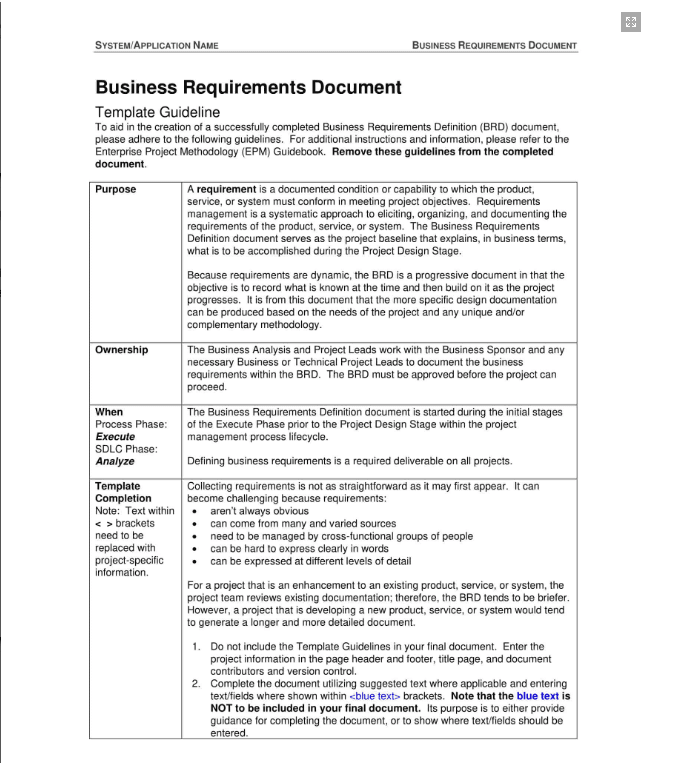
A business requirements document, also known as a BRD, is a formal document that clearly defines the goals, objectives, and requirements of a project or business process. It serves as a communication tool between stakeholders, such as project managers, business analysts, developers, and clients, ensuring a shared understanding of what needs to be achieved. By capturing the requirements in a structured manner, the BRD sets the stage for successful project execution.
According to HubSpot, a business requirements document helps identify the needs of various stakeholders, outlines the scope of the project, and acts as a reference throughout the project lifecycle [source].
Asana, a leading project management software, highlights the importance of a BRD in aligning teams and documenting project requirements [source].
Understanding the importance of a BRD is crucial for successful project execution. Without a well-defined and comprehensive document, projects can easily veer off track, leading to scope creep, miscommunication, and, ultimately, project failure.
Here's a clip to understand the concept of BRD in detail:
What Should a Business Requirements Document Include?
A well-written business requirements document should include essential components that provide a clear understanding of the project scope, objectives, and requirements.
These components may vary based on the project's complexity and nature, but here are some common elements:
- Executive Summary: A concise overview of the project's objectives, scope, and key stakeholders.
- Project Background: A brief description of the project's context, including its purpose and relevance.
- Functional Requirements: A detailed explanation of the desired functionality and features of the product or service.
- Non-functional Requirements: Specifications related to performance, usability, security, and other non-functional aspects.
- Business Rules: Any specific guidelines or constraints that need to be followed during the project.
- Data Requirements: Details about the data that the project will handle and the necessary data structures.
- Interface Requirements: Specifications for user interfaces, APIs, or system integrations.
- Assumptions and Constraints: Any assumptions or limitations that might impact the project.
- Risks and Dependencies: Identification and mitigation strategies for potential risks and dependencies.
- Timeline and Deliverables: A high-level project timeline with key milestones and deliverables.
- Approval and Sign-off: A section for stakeholders to review and provide their formal approval.
By including these components in your business requirements document, you can ensure that all stakeholders have a clear understanding of what needs to be achieved and reduce the chances of misunderstandings down the line.
How to Write a Comprehensive BRD?
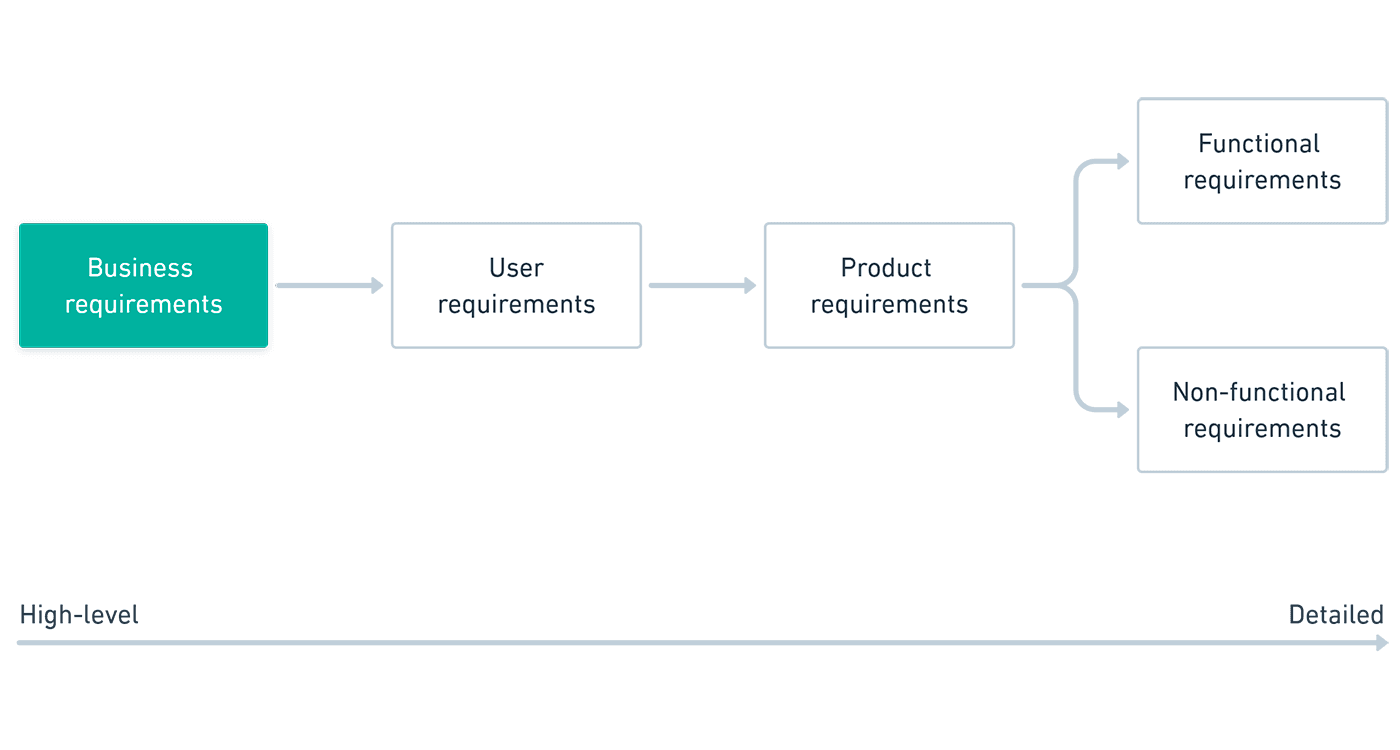
To write a comprehensive business requirements document, you can follow these steps:
Steps | Description |
|---|---|
1. Define the project scope | Clearly state the boundaries and objectives of the project. |
2. Gather requirements | Engage with stakeholders to understand their needs and expectations. |
3. Document requirements | Capture the requirements in a structured format, ensuring clarity and consistency. |
4. Validate requirements | Review the documented requirements with stakeholders to ensure accuracy and completeness. |
5. Refine and finalize | Incorporate feedback, make necessary changes, and obtain formal approval. |
In addition to these steps, it is crucial to leverage templates and examples for writing an effective BRD. Lucidchart, a visual workspace platform, provides valuable tips for creating a perfect business requirements document [source].
Remember, a well-crafted BRD acts as a roadmap for a successful project, facilitating effective communication, collaboration, and, ultimately, the delivery of a product that meets stakeholders' expectations.

Best Tips/Practices for Writing BRDs
Writing an effective Business Requirement Document requires attention to detail and adherence to best practices. Here are some tips to help you in the process:
- Engage with stakeholders: Collaborate with key stakeholders to ensure their needs are understood and incorporated into the document.
- Be specific and measurable: Clearly define the requirements using concise and measurable statements.
- Avoid technical jargon: Use plain language that can be easily understood by all stakeholders.
- Include relevant visuals: Incorporate diagrams, flowcharts, or wireframes to enhance clarity and understanding.
- Regularly review and update: Continuously review and update the BRD as the project progresses and requirements evolve.
By following these tips, you can create a BRD that effectively captures the project's requirements, ensuring a solid foundation for successful project execution.
The Market Tested GeekyAnts Process of Creating BRDs
At GeekyAnts, we have developed our approach to writing business requirements documents based on our experience in delivering successful software projects. Our process involves:
- Gathering requirements: We engage with stakeholders to understand their vision, objectives, and desired outcomes.
- Defining project scope: We clearly define the boundaries, deliverables, and objectives of the project.
- Documenting requirements: We capture the requirements in a structured format, ensuring clarity and alignment.
- Utilizing templates: We leverage our repository of pre-defined BRD templates tailored to specific project types.
- Continuous collaboration: We maintain open lines of communication with stakeholders, incorporating feedback throughout the process.
By following this approach and using templates, we ensure that our BRDs are comprehensive, accurate, and aligned with client expectations.
Conclusion
Writing a business requirements document is a critical step in ensuring the success of any project or business process. By carefully crafting a BRD, you can define project objectives, capture requirements, and align stakeholders toward a common goal. Remember to include essential components such as executive summaries, functional and non-functional requirements, business rules, and timelines, among others, while adhering to best practices and utilizing templates. By doing so, you can create a comprehensive and effective BRD that serves as a roadmap for efficient project execution.