












AI Agent Development Services for Secure Enterprise Automation
GeekyAnts provides AI agent development services for enterprises looking to automate workflows, connect fragmented systems, improve knowledge access, and introduce intelligent decision support into day-to-day operations.
We engineer production-ready agents around your workflows, data, systems, permissions, and business goals from use-case discovery and custom AI agent development to enterprise integration, secure deployment, evaluation, and ongoing optimization.










Prevent Enterprise AI Agents From Breaking Across Systems
Enterprise AI agents need to work with business data, systems, and permissions, and these requirements introduce challenges that need to be addressed before an agent can support production operations.
Scattered Business Data
Business information is spread across CRMs, ERPs, databases, documents, and internal tools, making it difficult for an agent to access the right context.
Ambiguous Agent Boundaries
Agents need clearly defined permissions, tools, approval rules, and escalation paths before they can safely perform business actions.
Complex Workflow Integration
Resolve requests, guide users, and escalate intelligently when human judgment is needed.
Examples: support agent, internal assistants, guided operations
Examples: support agent, internal assistants, guided operations
Unreliable AI Responses
Poor retrieval, incomplete context, and unsupported model responses can reduce trust in an agent used for business workflows.
Deploy Production-Ready Agentic AI Development Solutions Across Your Systems
We build custom AI agents around a specific business outcome. Depending on the workflow, our AI agents can retrieve enterprise knowledge, interpret documents, coordinate system actions, assist employees, or automate bounded multi-step processes.
Enterprise Copilot Agents
Give employees a context-aware assistant that can retrieve information, interpret business data, interact with approved tools, and support tasks within existing workflows.
RAG Knowledge Agents
Build RAG agents that retrieve information from approved documents, databases, knowledge repositories, and enterprise sources before generating grounded responses.
Workflow Automation Agents
Use AI agent workflow automation to interpret events, apply business rules, coordinate steps, call approved tools, request human input, and move work across connected systems.
Document Intelligence Agents
Extract, classify, summarize, validate, compare, and route information from contracts, reports, forms, claims, applications, and other document-heavy workflows.
Decision-Support Agents
Combine enterprise information, live system data, business rules, and contextual reasoning to help teams evaluate situations and make faster, better-informed decisions.
Multi-Agent Systems
Build multi-agent system development architectures where specialized agents coordinate tasks such as retrieval, analysis, validation, execution, reporting, and escalation.
Give Your Teams AI Agents That Understand Context, Support Decisions, and Act Across Workflows
Our AI agent integration services connect agents with enterprise applications, databases, APIs, knowledge sources, communication platforms, and systems of record so they can retrieve relevant context and perform approved actions within defined boundaries.


Operate Through APIs and Internal Services
Allow agents to securely retrieve data or trigger approved actions through existing APIs, microservices, webhooks, middleware, and service layers.

Access Enterprise Data Securely
Integrate structured enterprise data from relational databases, warehouses, operational stores, and analytics environments while respecting existing permissions.

Implement Agents in Your Business Knowledge
Ground AI agents in approved policies, PDFs, manuals, contracts, product documentation, knowledge bases, intranets, and other trusted business sources.

Bring Agents Into Everyday Work Tools
Integrate AI agents with environments where work already happens, including messaging, collaboration, support, project management, and productivity applications.

Work With Existing Legacy Systems
Introduce agent-driven workflows around existing platforms through APIs, middleware, service layers, or controlled integration patterns without requiring immediate replacement of the underlying system.

Security Built Into the Agent
Security is part of the architecture from the start. We define access controls, data boundaries, tool permissions, approval rules, auditability, and deployment requirements before the agent is introduced into live enterprise workflows.
Why Choose Geekyants As Your AI Agent Development Company?
As an award winning AI Agent Development Company, GeekyAnts brings AI, product engineering, enterprise integration, security, and production delivery together in one team. We build enterprise AI agents with the engineering depth needed to move from use case to reliable, scalable implementation.
We combine AI engineering with product design, frontend, backend, data, QA, cloud, and DevOps so the agent is built as a complete working product.
We design each AI agent around your workflows and existing systems. The goal is to fit the agent into the way your business operates.
We define access controls, data boundaries, permissions, approval rules, audit trails, and deployment safeguards from the start so security is built into the agent architecture.
Once the agent is live, analyzing the behavior becomes the best source of improvement. We track usage, responses, possible delays, and workflow changes, then use those signals to make the agent more useful over time.
We carry tests to identify incomplete data, missed retrievals, blocked permissions, and tool failures. That way, it knows when to continue, when to stop, and when to involve a person.
We can design agents around flexible models and integration layers so your system can evolve as models, providers, costs, and business requirements change.
Scope, responsibilities, code ownership, documentation, deployment access, and handover expectations are defined upfront so your team retains control of the solution after delivery.
Proven Product Engineering for Enterprise AI Agent Development
GeekyAnts brings long-term product engineering experience, enterprise delivery exposure, and open-source credibility to AI agent development engagements.
800+
Projects Delivered Across Industries
550+
Engagements Across Products and Enterprises
20+
Years of Engineering Experience
4.9/5
Clutch Rating Verified Across 120 Reviews
Impact We Have Made
Moving from conceptual pilots to…
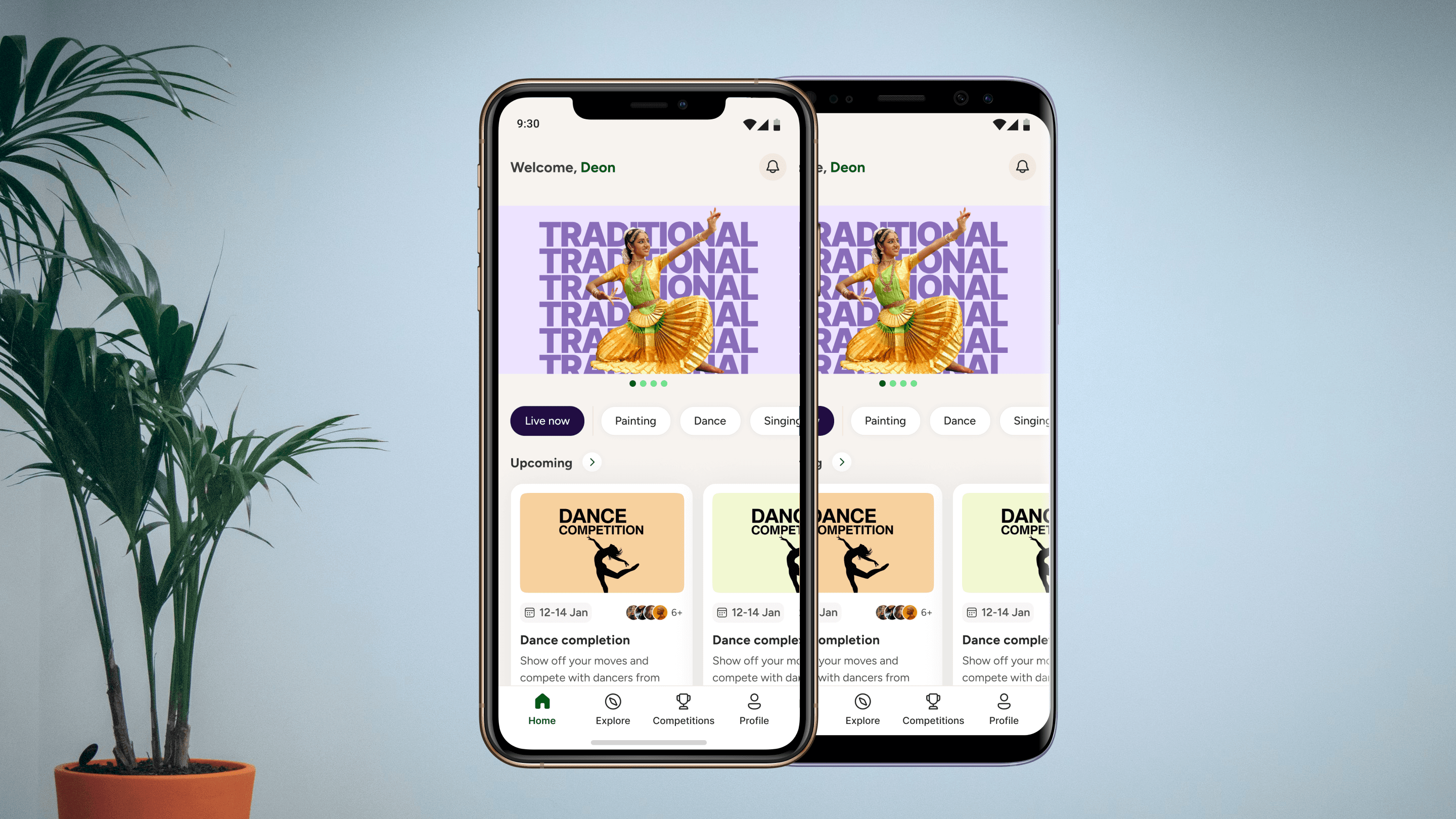
Automated Content Moderation at Scale
An AI-driven platform for video contests, enabling automated moderation, seamless participation, and real-time competition management.
- Automated Moderation
- 100%
- Sprint phases completed
- 6
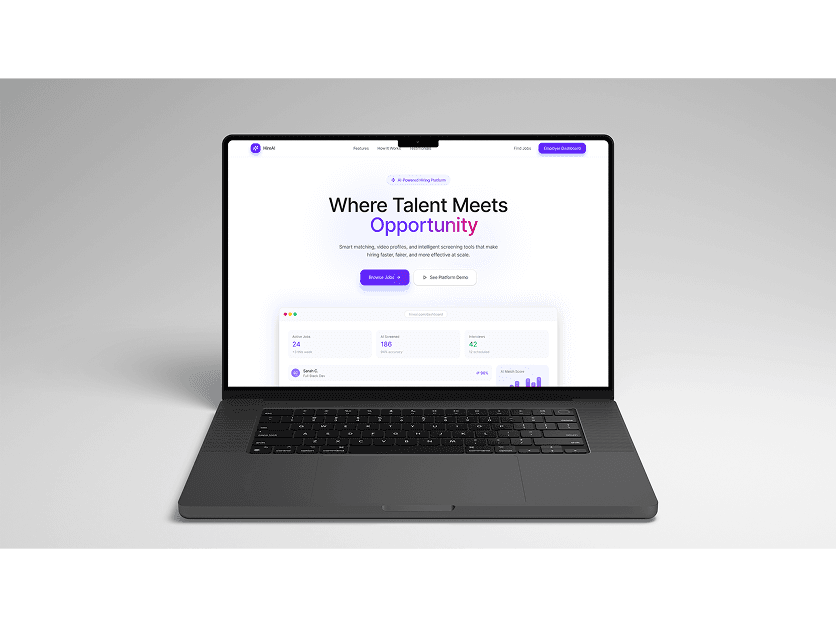
B2B EVENT AND CONFERENCE MANAGEMENT PLATFORM
How GeekyAnts built a blockchain-powered football management platform on Flutter Web — with a custom Web3 bridge, gasless transactions, and 5K+ concurrent users.
- Reduction in monthly infrastructure cost
- 50%
- Reduction in MTTR with monitoring and CI/CD pipelines.
- 80%
- Unplanned downtime
- 0%
AI-Powered Document Intelligence at Scale
Automated document analysis and insight generation using AI, reducing manual effort by 99% while processing 10,000 pages in minutes.
- Reduction in manual effort
- 99%
- To process 10K Pages
- 2 Min
- Accuracy in responses
- 85%+
Modernizing Dental Workflows
Automating patient management to improve efficiency and enhance care experiences.
- Faster Onboarding
- 40%
- Digital Workflow
- 100%
- Patient Management
- Real-Time
Transforming Property Inspections with AI
A RAG-based platform that delivers instant property insights and streamlines inspection workflows.
- Property Intelligence
- RAG-Powered
- Property Insights
- Instant
- Inspection Automation
- AI-Driven
Enterprise Validation Platform
We automated validation workflows using AI agents and BPM-driven orchestration, reducing reliance on manual review processes.
- faster internal testing
- 30%
- reduction in manual validation
- 50%
Personalized Meal Recommendation System
We engineered a scalable meal recommendation backend that utilizes machine learning to adapt recipes based on real-time pantry inventory. The system was designed to handle a library of 3,000+ recipes and provide instant updates to users.
- Reduction in meal decision time
- 40%
- Increase in daily active usage during pilot
- 2x
- Faster iteration on new AI-driven features
- 3x
AI-Powered Voice Interview Platform
We built an AI-led voice interview platform using GPT-4, WebSocket, and cloud speech technology to automate candidate screening.
- Candidate Screening
- 24/7
- Voice Interviews
- AI-Led
Reducing Carbon Footprints Through Digital Innovation
Modernized a construction sustainability platform that helps teams analyze environmental impact, streamline workflows, and make data-driven decisions to support greener building practices and long-term sustainability goals.
- Users Onboarded
- 675
- Major Features Built
- 15+
- Data-points Supported
- 5+
Faster AI Development Without Giving Up Human-Led Engineering.
We use AI-assisted engineering to move faster from prototype to production, accelerating implementation, testing, and iteration without compromising engineering standards.
Our experienced engineers review AI-generated output, make critical architectural decisions, and refine the solution for security, reliability, maintainability, and scale.
Custom AI Agents for Industry-Specific Workflows and Business Operations
Our custom AI agents are built around industry-specific decisions and systems. AI agent workflow automation reduces repetitive work, improves access to information, and keeps tasks moving across connected systems.
SaaS and Digital Products
Build directly into digital products as copilots, support assistants, onboarding guides, or workflow agents that help users complete tasks with less friction.

Technology Partners for Enterprise AI Agent Development
As an award winning agentic AI development solutions provider, GeekyAnts works with established platforms across AI, cloud, APIs, deployment, and development to support different product, integration, and engineering requirements.

Vercel
OFFICIAL PARTNER
Next.js deployment, edge computing, and performance-optimized frontend infrastructure for modern web applications.

GitHub
TECHNOLOGY PARTNER
Version control, CI/CD pipelines, code collaboration, and open-source contribution across the developer ecosystem.

Anthropic/Claude
MEMBER OF THE CLAUDE PARTNER NETWORK (Services Track)
Supporting Claude-based AI applications and agent workflows for enterprise use cases.

OpenAI
SELECT PARTNER
OpenAI Select Partner, supporting AI solutions built with OpenAI models and APIs.
Enterprise AI Delivery Backed by Recognized Standards
GeekyAnts follows recognized standards and frameworks for security, quality, service management, data privacy, and responsible AI across applicable enterprise projects.

NPCI
National Payments Corporation of India
NPCI compliance is critical for UPI-enabled products, payment platforms, wallets, and transaction-led financial systems.

FinCEN
Financial Crimes Enforcement Network
For financial services operating in or serving the US market, FinCEN expectations shape AML controls, suspicious activity monitoring, and customer risk management.

BaFin
Federal Financial Supervisory Authority
BaFin compliance matters for financial products operating in Germany or working with regulated European financial services.

PCI DSS
Payment Card Industry Data Security Standard
PCI DSS is essential for products that store, process, or transmit cardholder data

GDPR
General Data Protection Regulation
Helps BFSI products protect personal data through consent, access control, privacy, and secure data handling across the EU region.

SOC 2
System and Organization Controls 2
Validates security, availability, confidentiality, and privacy controls for enterprise-grade financial technology platforms.

ISO 9001:2015
Quality Management System
Supports consistent delivery quality, process discipline, documentation, and continuous improvement across BFSI product engineering.

ISO 27001:2013
Information Security Management System
Strengthens information security, risk management, access control, and data protection for regulated financial systems.

ISO 20000:2011
IT Service Management Standard
Supports reliable service delivery, incident management, change control, and operational continuity for production BFSI platforms.
Engineering AI Agents That Reason, Act Across Systems, and Support End-to-End Workflows
From data and models to APIs, security, and evaluation, we bring the technical foundation needed to build AI agents that integrate with your systems and perform reliably in production.
- React
- React Native
- Flutter
- Angular
- VueJS
- SvelteJS
- Expo
- Next.js
- PostgreSQL
- MongoDB
- MariaDB
- MySQL
- Redis
- Amazon DynamoDB
- Vector Search
- LangChain

- LlamaIndex

- Agent Workflows

- Rag Pipelines

- Multi-agent workflows

- OpenAI
- Claude

- Manual Testing
- Automation Testing
- Selenium
- Performance Testing
- Security Testing
- AI Evaluation
- Retrieval testing
- Human review
- CI/CD
- Deployment Automation
- Authentication
- Access Controls
- Encryption
- Audit Logging
- Private/hybrid deployment
- Figma
- APM Dashboards
- Alerting workflows
- Product analytics
- Logs and traces
- UI/UX design
Our Engagement Models
Choose an engagement based on where the AI agent initiative stands, from validating one workflow to building and scaling agents across the enterprise.
Turn Your Business Workflow Into a Secure, Integrated, Production-Ready AI Agent
Our agentic AI development services cover the complete lifecycle, from finding the right workflow to deploying the agent into production and improving it as real usage creates new evidence.
- Step 01
Use-Case Discovery
We begin by understanding the people involved, systems, manual steps, business rules, and the decisions that depend on human effort. - Step 02
Agent Architecture
Once the use case is clear, we decide its information accessibility, context retrieval, and human oversight process. - Step 03
Prototype and Validate
Before scaling the build, we test the assumptions about information retrieval, tools, latency, or model cost to prevent hindrances in the development process. - Step 04
Agent Development
Once the core behavior is validated, we bring the agent together across intelligence, experience, integrations, enterprise data, workflow execution, and operational readiness. - Step 05
Evaluation and Security Testing
We test agent behavior, output quality, permissions, and security boundaries before the agent moves into production. - Step 06
Integration and Deployment
We connect the agent with approved enterprise systems and deploy it into the agreed cloud, hybrid, or client-controlled environment. - Step 07
Monitor and Optimize
We monitor agent performance and changes in business processes after deployment to improve accuracy, usability, and scope.
Our Recognition


Bring Us the Workflow. We’ll Shape the Right AI Agent Around It.
Share the process you want to improve, the systems and data involved, who will use the agent, and the security or approval rules it needs to follow.
We’ll help define the right agent setup, the actions it can safely take, and the fastest practical path from use case to implementation.
We’ll help define the right agent setup, the actions it can safely take, and the fastest practical path from use case to implementation.
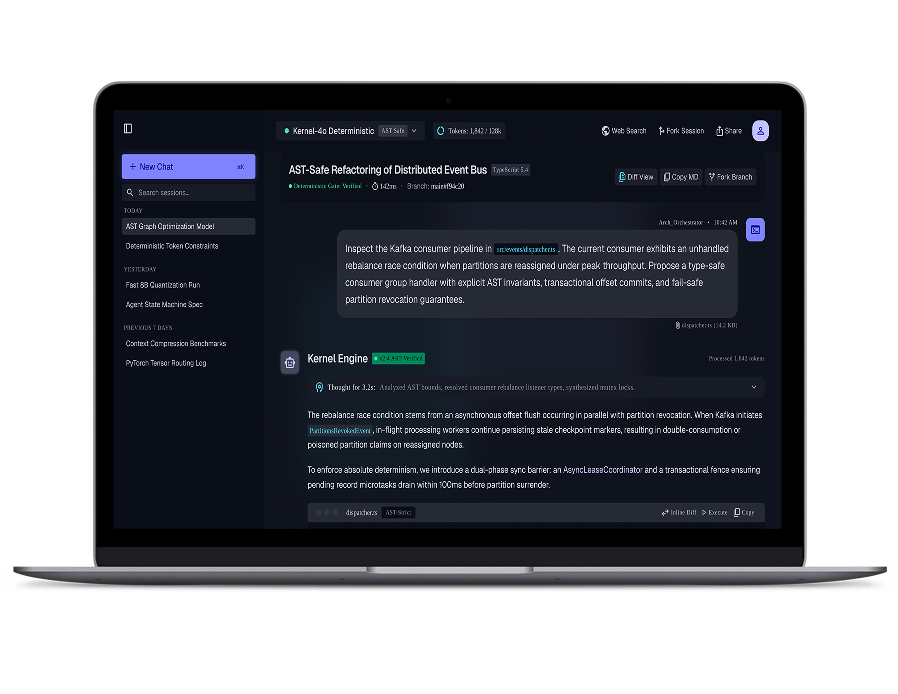

Agentic Development Platform by GeekyAnts
AntFlow AI connects what your business needs with how software gets built, helping GeekyAnts deliver with greater speed, clarity, and confidence.

Our Latest Thinking
Build What’s Next. We’ll Help You Get There.
From product engineering and AI to modernization and scaling, tell us what you’re working toward. We’ll bring the right expertise to the conversation.
Contact us
Frequently Asked Questions About Building Enterprise AI Agents
The cost of developing a custom AI agent depends on several factors—such as the agent’s complexity, the functionality it’s expected to perform, required system integrations, and the industry or domain it supports.
1. Starting at $10,000:
Ideal for basic AI agents built for internal task automation, structured data extraction, or customer support with limited scope. These solutions typically require minimal integrations and are perfect for streamlining routine processes.
2. $25,000–$50,000+:
For advanced AI agent solutions that include features like multi-agent orchestration, autonomous decision-making, real-time analytics, and deep integration with enterprise systems such as CRMs, ERPs, or SaaS tools. These solutions are designed for high-scale, domain-specific workflows with layered data security, business logic execution, and long-term adaptability.
The development timeline for a functional AI agent depends on your specific goals, features, and integration scope. At GeekyAnts, we offer both rapid builds and scalable enterprise-grade deployments:
1. 2–4 weeks: For simple AI agents with prompt-based logic, few system dependencies, and limited UI. These are ideal for startups or internal teams testing automation with minimal risk.
2. 6–10 weeks: For full-fledged enterprise agents with contextual memory, multi-agent coordination, custom API integrations, real-time analytics, and secure authentication layers. This timeline includes planning, prompt engineering, model alignment, DevOps setup, testing, and agent fine-tuning.
Our expert ai agents developers follow an agile sprint-based approach, which ensures quick iteration, ongoing visibility, and room for refinement. We collaborate closely with your product and engineering teams to align on use case, architecture, and deployment strategy.
AI agents can be secured for sensitive enterprise data when security is built into the architecture. GeekyAnts uses measures such as access controls, data encryption, data masking, secure integrations, audit logging, and private or hybrid deployment options based on the project requirements.
GeekyAnts protects sensitive data by defining data access, user permissions, tool access, and action boundaries before deployment. Agents can be restricted to approved information and tools with human approval required for sensitive or high-impact actions.
The client owns the source code, documentation, and intellectual property delivered under the engagement as defined in the contract. Deployment access and environment ownership are agreed as part of the engagement and can be set up to give the client operational control after handover.
Yes. A multi-agent system can use different agents for tasks such as retrieval, analysis, validation, execution, or reporting. These agents can coordinate through a shared workflow while maintaining defined responsibilities and controls.
Yes. Depending on your architecture and security requirements, agents can be deployed across AWS, Azure, Google Cloud, private cloud, hybrid, or client-controlled environments.
Permissions can be defined at the user, system, tool, data, and action level. The agent can also be configured to stop, request clarification, escalate, or seek human approval when it reaches a boundary.
Yes. Agents can be integrated with APIs, CRMs, ERPs, databases, project management platforms, internal applications, knowledge systems, communication tools, and other enterprise software.
A good starting point is a workflow with clear users, repeatable steps, accessible data, measurable outcomes, and enough manual effort or decision-making to justify automation. Discovery helps determine whether an AI agent is the right solution before development begins.
Yes. Agent quality can change as data, models, systems, and workflows evolve. Monitoring helps teams track failures, response quality, retrieval performance, tool use, latency, cost, user behavior, and opportunities for improvement.
