Pharma & Life Sciences
Software Development for Pharma, Clinical Research & Life Sciences in the USA
Pharmaceutical and clinical research teams work with data scattered across research systems, connected medical devices, and clinical applications. This fragmentation makes it difficult to access information, coordinate studies, and monitor participants across locations.
Challenges
Pharma & Clinical Research Technology Challenges We Solve
Fragmented Research & Health Data
Research records, clinical information, and device measurements often remain scattered across separate systems. We develop integration layers that consolidate supported data and make it accessible to authorized teams.Limited Remote Monitoring Capabilities
Periodic check-ins and manual data collection limit visibility into participant health and activity. We build connected monitoring applications that capture and display measurements from compatible wearables and medical devices.Manual Research & Clinical Workflows
Researchers and clinical teams spend time retrieving information, preparing documentation, and coordinating activities across applications. We introduce workflow automation and AI-assisted capabilities with appropriate human oversight.Disconnected Clinical Collaboration
Distributed clinical and research teams often rely on separate communication tools and inconsistent information-sharing processes. We build secure collaboration platforms with shared workflows, structured communication, and role-based access.Complex Device & Application Integrations
Wearables, sensors, clinical applications, and backend systems use different interfaces and data formats. We develop integration layers that connect compatible technologies and support consistent data processing.Security, Privacy & Regulatory Complexity
Clinical research platforms handle sensitive patient, participant, and research information. We incorporate encryption, access controls, audit logging, and applicable regulatory requirements into software architecture and development.
Services
Our Pharma, Clinical Research & Life Sciences Software Development Services


Clinical AI Solutions

Clinical Collaboration Platforms

Remote Patient Monitoring Software Development

Clinical Trial & Research Data Applications
Outcomes
Where Pharma & Life Sciences Teams Need the Most Engineering Support
- 01Research & Health Data IntegrationResearch applications, clinical systems, and connected devices generate information in different formats. We develop integration pipelines and clinical data management software that collect, validate, and organize supported data for use across applications.OutcomeResearch and clinical teams can access relevant information through connected digital platforms.
- 02Connected Device Data ProcessingWearables and monitoring devices require reliable connectivity and data synchronization. We integrate supported device APIs, SDKs, and communication protocols with mobile applications and backend systems.OutcomeTeams can collect and review available health and performance measurements from compatible devices.
- 03Clinical AI Workflow IntegrationClinical and research teams handle large volumes of documents and information across systems. We develop AI-assisted retrieval, summarization, and data extraction workflows with controlled access, evaluation, and human oversight.OutcomeAuthorized teams can retrieve relevant information and reduce repetitive documentation tasks.
- 04Secure Research CollaborationDistributed research and clinical teams need controlled access to shared information. We engineer collaboration platforms with authenticated access, role-based permissions, structured communication, and coordinated workflows.OutcomeResearch teams can exchange information and coordinate activities within a shared digital environment.
- 05Remote Monitoring WorkflowsRemote monitoring applications must process device measurements and present relevant information to authorized users. We develop data synchronization, visualization, configurable alerts, and monitoring interfaces.OutcomeClinical teams can review available measurements and support remote follow-up workflows.
- 06Health Data Analytics & VisualizationDevice-generated measurements and research information can be difficult to interpret without structured reporting. We develop dashboards, trend visualizations, and configurable performance indicators.OutcomeAuthorized users can examine health measurements, activity patterns, and operational information through accessible dashboards.
- 07Life Sciences Platform ModernizationExisting research applications may struggle to accommodate new devices, data sources, and workflows. We modernize application architecture, backend services, and integrations while retaining supported existing systems.OutcomeOrganizations can extend their digital platforms to accommodate changing research and monitoring requirements.
- 08Clinical Trial Data WorkflowsClinical trial data comes from participant applications, research systems, and connected monitoring devices. We develop workflows for data collection, validation, reconciliation, and exception handling, with traceability across supported sources.OutcomeResearch teams can review study information, investigate discrepancies, and manage data through controlled workflows.
Move Your Pharma & Life Sciences Software Project Forward
Pharma & Life Sciences Security, Compliance, and Data Standards

HIPAA
Health Insurance Portability and Accountability Act
For US organizations subject to HIPAA, we design applications with appropriate safeguards for protected health information, including encryption, access controls, audit logging, and secure data exchange.

Business Associate Agreements
Contractual Safeguards for Protected Health Information
Where business associate relationships apply, agreements define permitted data use, protection responsibilities, incident reporting, and requirements for subcontractors handling protected health information.
FDA 21 CFR Part 11
Electronic Records and Electronic Signatures
For systems subject to Part 11, we can engineer capabilities supporting controlled access, audit trails, electronic records, and electronic signatures. Required validation depends on the system’s intended use. We can provide validation documentation and test evidence to support computer system validation (CSV) or computer software assurance (CSA) activities. Your quality assurance (QA) team retains responsibility for validation approval.
ICH E6(R3) Good Clinical Practice
Clinical Trial Quality and Data Integrity
For applicable clinical research systems, we account for requirements covering reliable trial records, participant data protection, system controls, and documentation that supports clinical trial oversight.

HL7 FHIR
Fast Healthcare Interoperability Resources
We develop FHIR-based integrations where supported, enabling healthcare applications, clinical systems, and authorized research platforms to exchange structured health information through secure APIs.

GDPR
General Data Protection Regulation
For projects within the scope of the EU GDPR or UK GDPR, we incorporate appropriate access controls, data protection measures, retention requirements, and safeguards for processing sensitive personal and health information. For UK clinical research systems, we also account for the Data Protection Act 2018 and applicable Medicines and Healthcare products Regulatory Agency (MHRA) requirements.

ISO/IEC 27001:2022
Information Security Management System
Our certified management system supports information security risk assessment, access management, data protection, and incident response across software engineering projects.

ISO 9001:2015
Quality Management System
Our certified quality management system supports documented engineering processes, quality reviews, corrective actions, and consistent software delivery practices.

ISO/IEC 20000-1:2018
IT Service Management System
Our certified management system supports controlled changes, incident management, service monitoring, and continuity for life sciences applications operating in production.
GxP / GAMP 5
Regulated Practices and Risk-Based System Development
We support applicable GxP requirements when developing software used in regulated pharmaceutical and clinical research activities, including data integrity, access controls, traceability, and testing. We use GAMP 5’s risk-based approach to guide development, verification, and change management based on the system’s intended use.

Work
Connected Health & Life Sciences Software Development Success Stories
Clients
Trusted by Clients Across Healthcare and Technology
The quality of work and the communication was impressive.
Highlights
Why Choose GeekyAnts as Your Pharma & Life Sciences Software Development Company in the USA?
- 01
Connected Healthcare Engineering
Our experience includes IoT-enabled healthcare applications, wearable integrations, and monitoring platforms that connect compatible devices with mobile interfaces and backend data-processing systems. - 02
Security and Regulatory Considerations
We incorporate encryption, role-based access, audit logging, and secure data handling into application architecture, accounting for applicable HIPAA obligations and project-specific requirements. - 03
Clinical AI Evaluation and Oversight
We develop AI-assisted clinical and research workflows with controlled information access, model evaluation, monitoring, and human oversight appropriate to each application’s intended use. - 04
Healthcare System Connectivity
We integrate supported healthcare APIs, connected monitoring platforms, and research applications using data transformation and interoperability standards such as HL7 and FHIR where applicable. - 05

Clinical Workflow Understanding
We design collaboration and monitoring applications around the information needs of researchers, clinical professionals, and authorized users, incorporating structured workflows and access permissions. - 06
Phased Platform Modernization
We extend existing applications through modular architecture, API development, backend improvements, and integration services, allowing organizations to introduce new capabilities in planned stages.
Engagement
Pharma, Clinical Research & Life Sciences Software Development Engagement Models
01 / 03Audit / Assessment
A fixed-scope review of your existing applications, research workflows, data architecture, device integrations, security controls, and technical requirements.- Application architecture review.
- Device and API assessment.
- Security and data gap analysis.
- Prioritized development roadmap.
Best for: Organizations evaluating existing life sciences platforms or planning new clinical research and monitoring applications.
02 / 03Build / Modernization Sprint
A time-boxed engagement to develop or modernize a defined clinical application, connected monitoring capability, AI-assisted workflow, or research platform integration.- Defined scope and product backlog.
- Application and API development.
- Integration and quality testing.
- Deployment and release validation.
Best for: Teams developing priority software features, integrating connected devices, or modernizing existing research applications.
03 / 03Dedicated Engineering Team
A long-term engineering team working alongside yours to develop, maintain, and extend life sciences applications across research, clinical, and connected health workflows.- Dedicated software engineers.
- Product roadmap and release planning.
- Monitoring and issue resolution.
- Ongoing platform modernization.
Best for: Organizations requiring sustained engineering support for connected health platforms, clinical applications, and evolving research requirements.
Technologies
Technology Stack for Pharma, Clinical Research & Life Sciences Software Development
- Wearable integrations
- Sensor connectivity
- Bluetooth Low Energy
- Device APIs
- Device SDKs
- Data synchronization
- Connected-device monitoring
- Mobile connectivity
- React
- Next.js
- Angular
- TypeScript
- React Native
- Flutter
- Patient-facing interfaces
- Clinician dashboards
- SQL databases
- NoSQL databases
- Data processing pipelines
- Cloud infrastructure
- Data synchronization
- Data transformation
- Health data visualization
- Configurable reporting
- LLM-assisted workflows
- Information retrieval
- Document summarization
- Structured data extraction
- Model evaluation
- AI observability
- Human-in-the-loop workflows
- Knowledge search
- Healthcare APIs
- HL7
- FHIR
- Connected monitoring platforms
- Research system integrations
- Third-party application connectivity
- Healthcare system integrations
- Data transformation
- Identity & access management
- Role-based permissions
- Encryption
- Audit logging
- Integration testing
- Automated regression
- Performance testing
- Application monitoring
Partners
Technology Partners for Pharma, Clinical Research & Life Sciences Software Development
- OpenAISelect PartnerOpenAI models and APIs for clinical information retrieval, research document summarization, and AI-assisted workflows with controlled data access and human oversight.
- Anthropic /
ClaudeMember of the Claude Partner Network (Services Track)Claude-based assistants for research information processing, document analysis, and clinical workflow support with defined access controls and human review. - AWSConsulting PartnerCloud infrastructure for hosting, processing, monitoring, and scaling connected health applications, research platforms, and clinical data services.
- VercelOfficial PartnerFrontend deployment and performance tools for research dashboards, clinical collaboration applications, and connected health platforms.
- HasuraStrategic PartnerGraphQL APIs and data connectivity for applications that bring together supported research information, monitoring data, and clinical workflows.
- GitHubTechnology PartnerSource code management, engineering collaboration, version control, and automated delivery pipelines for life sciences software development projects.

Process
Our Pharma & Life Sciences Software Development Process

Step 1
Understand Research Workflows
Phase 01
Assess clinical research activities, participant data requirements, existing applications, and operational challenges. Work with stakeholders to define project scope, security requirements, regulatory considerations, and measurable success criteria.
Step 2
Design the Solution
Phase 02
Define application architecture, user journeys, data models, and access permissions. Design workflows for clinical AI, research collaboration, and connected monitoring, incorporating data protection and human oversight requirements.
Step 3
Plan the Integrations
Phase 03
Identify research platforms, healthcare systems, wearable devices, and third-party applications that require connectivity. Define supported interfaces, data mappings, synchronization requirements, validation rules, and error-handling processes.
Step 4
Build in Iterations
Phase 04
Develop applications, backend services, AI-assisted capabilities, and integration workflows through planned development cycles. Review working software with stakeholders and incorporate feedback while maintaining agreed security and quality controls.
Step 5
Test and Support Validation
Phase 05
Test application functionality, integrations, data integrity, performance, and security against defined requirements. For regulated systems, support applicable validation activities through test evidence, traceability, and documentation. The client’s QA team retains validation approval responsibility.
Step 6
Launch, Monitor, and Improve
Phase 06
Deploy applications with agreed monitoring, incident response, and recovery procedures. Track system performance, address operational issues, and introduce improvements as research workflows, connected devices, and application requirements evolve.
Recognition
Awards & Industry Recognition
17industry recognitions
- GoodFirmsBest Company to Work With

- Clutch • 2025Clutch Champion

- ET Now • 2026Excellence in AI & Digital Transformation

- Business of Apps • 2026Top App Development Companies

- Clutch • 2025Top User Research Company

- Clutch • 2026Top Software Developers - Manufacturing

- Clutch • 2026Top React Native Developer

- Clutch • 2026Top Health & Wellness App Developers

- Clutch • 2026Top Financial App Developers

- Clutch • 2026Top App Development Company - Europe

- RightFirms • 2026Top Mobile App Development

- Clutch • 2025Clutch Global Award

- DesignRush • 2026Best Application Development Company in the US

- UpCityTop Mobile App Developer

- GoodFirmsTop Mobile App Development Company in USA

- AppFuturaTop React Native App Development Company

- TopDevelopers • 2020Top UI/UX Designing Company

Contact
Ready to build connected software for pharma, clinical research, and life sciences?
Contact us
Insights
Insights on Pharma, Clinical Research & Healthcare Technology

Blog
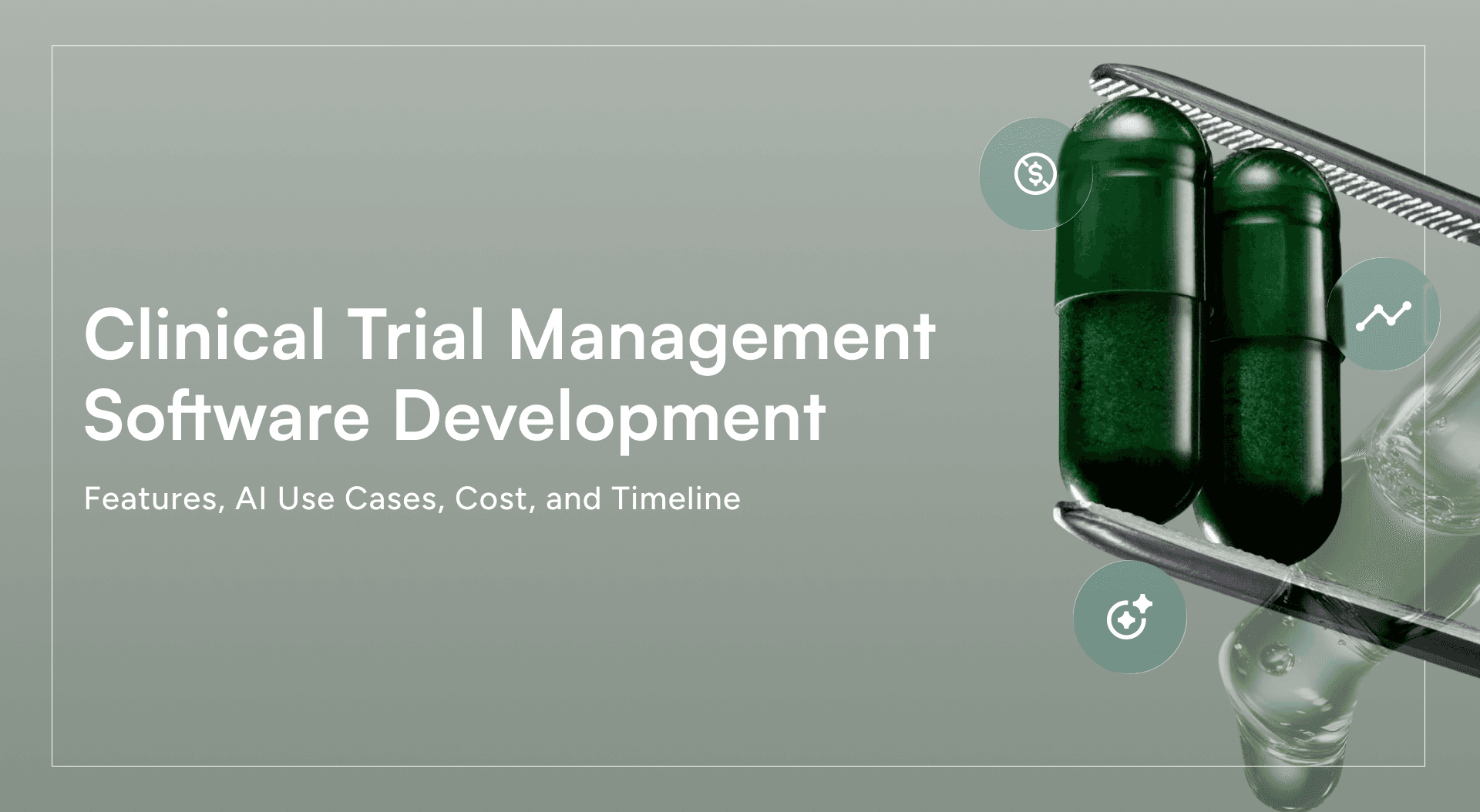
Clinical Trial Management Software Development: Features, AI Use Cases, Cost, and Timeline
A practical guide to developing clinical trial management software, including features, AI use cases, architecture, integrations, development process, and CTMS strategy decisions that shape trial cost, compliance, and delivery.

Blog
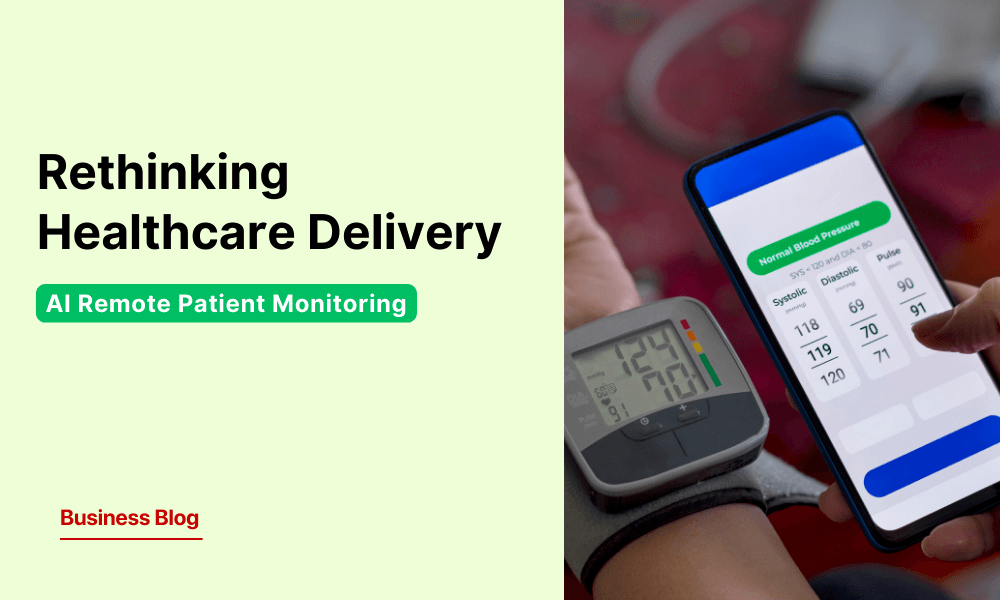
Rethinking Healthcare Delivery with AI-Powered Remote Patient Monitoring
Explore how AI-driven remote patient monitoring enhances real-time care, predictive analytics, and personalized treatment for better patient outcomes.

Blog
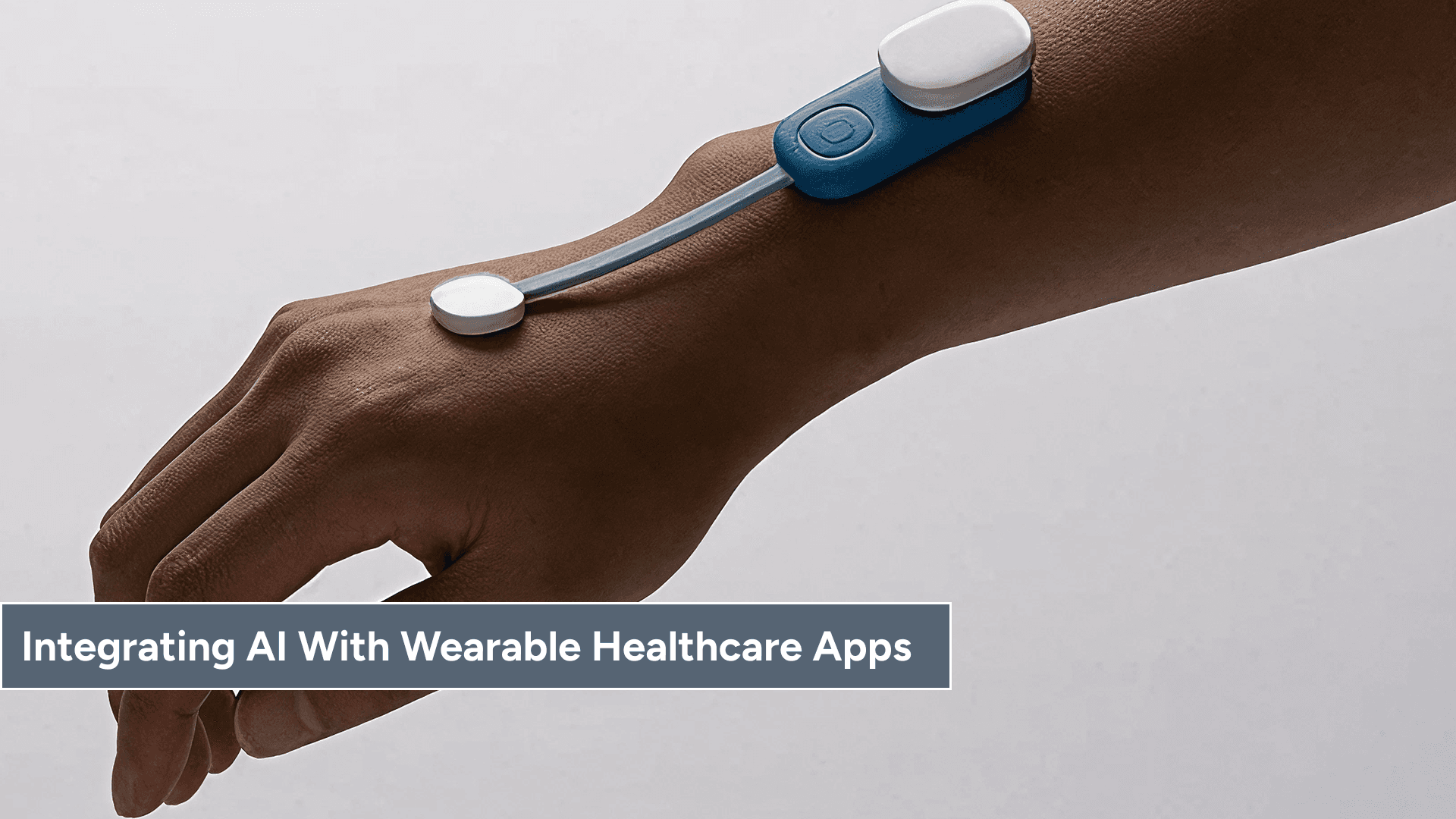
Integrating AI with Wearable Healthcare Apps: Architecture, Compliance & ROI
A technical and compliance-focused guide for U.S. healthcare founders and providers on building AI-enabled wearable healthcare apps across architecture, compliance, and ROI.

Blog
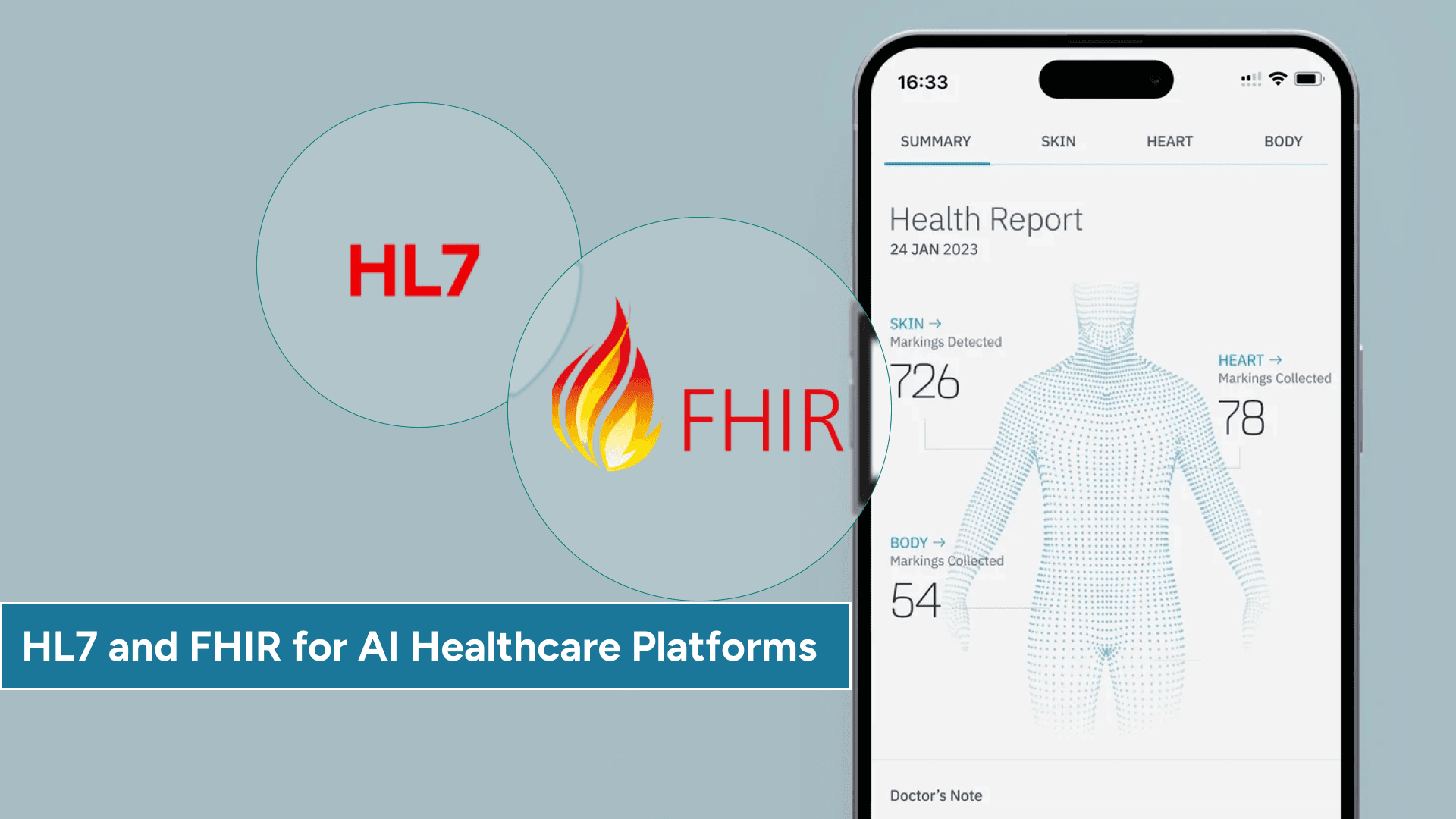
HL7 and FHIR for AI Healthcare Platforms: What It Takes to Build for Production
A practical guide covering the HL7 and FHIR standards, production readiness requirements, implementation roadmap, architecture considerations, and compliance controls that AI healthcare teams need to address before enterprise deployment.

Blog
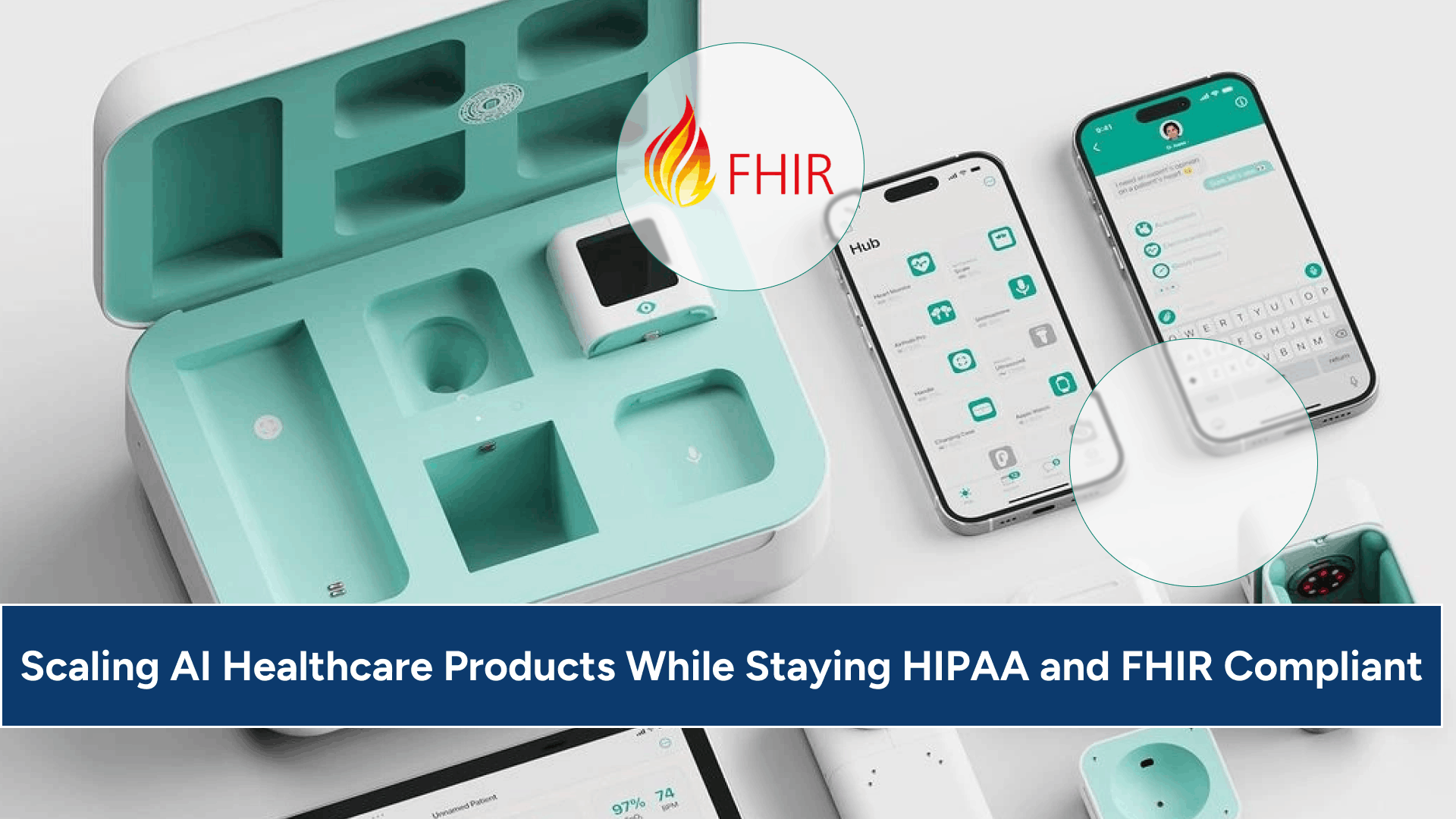
How to Scale AI Healthcare Products While Staying HIPAA and FHIR Compliant
Scale AI healthcare products without compromising compliance. Learn how leading healthtech teams balance HIPAA, FHIR, security, and enterprise growth.
FAQ