
Identity & Access Management
We build banking-grade login systems that go beyond simple passwords. By using SIM binding and carrier API integration, the app automatically verifies the user's phone number in the background.
This silent verification provides a faster login experience while ensuring the account is locked to the user’s physical device for maximum security.
Security should not slow users down.











Traditional 2FA is now a liability; hackers easily intercept SMS codes via SIM swapping, and high messaging fees drain your budget.
We replace this with SIM binding and silent authentication, which link the account directly to the user’s physical device via carrier APIs. This banking-grade system verifies identity in the background, providing a faster, unhackable login while using a local SMS gateway to keep operational costs low.
Client Results and Success
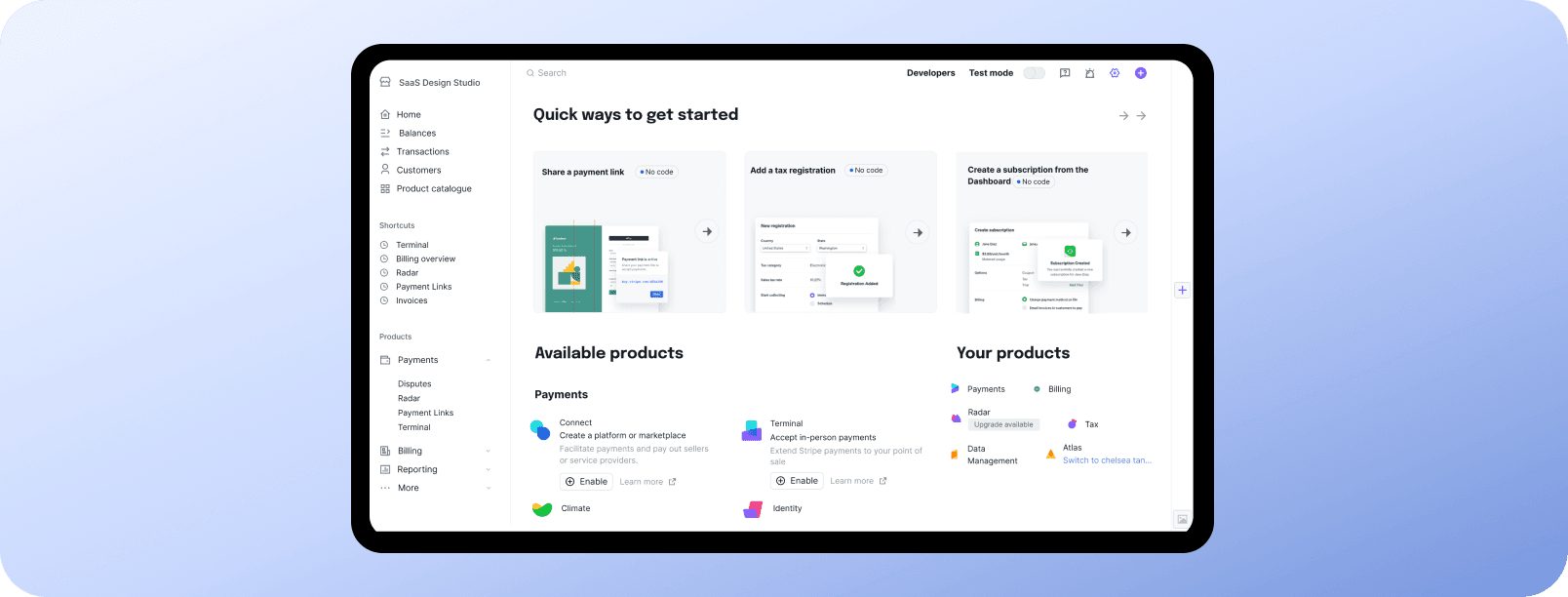
1000+ Individual Billers Supported
The platform supports over 1K unique billers within a single, low-latency mobile interface.
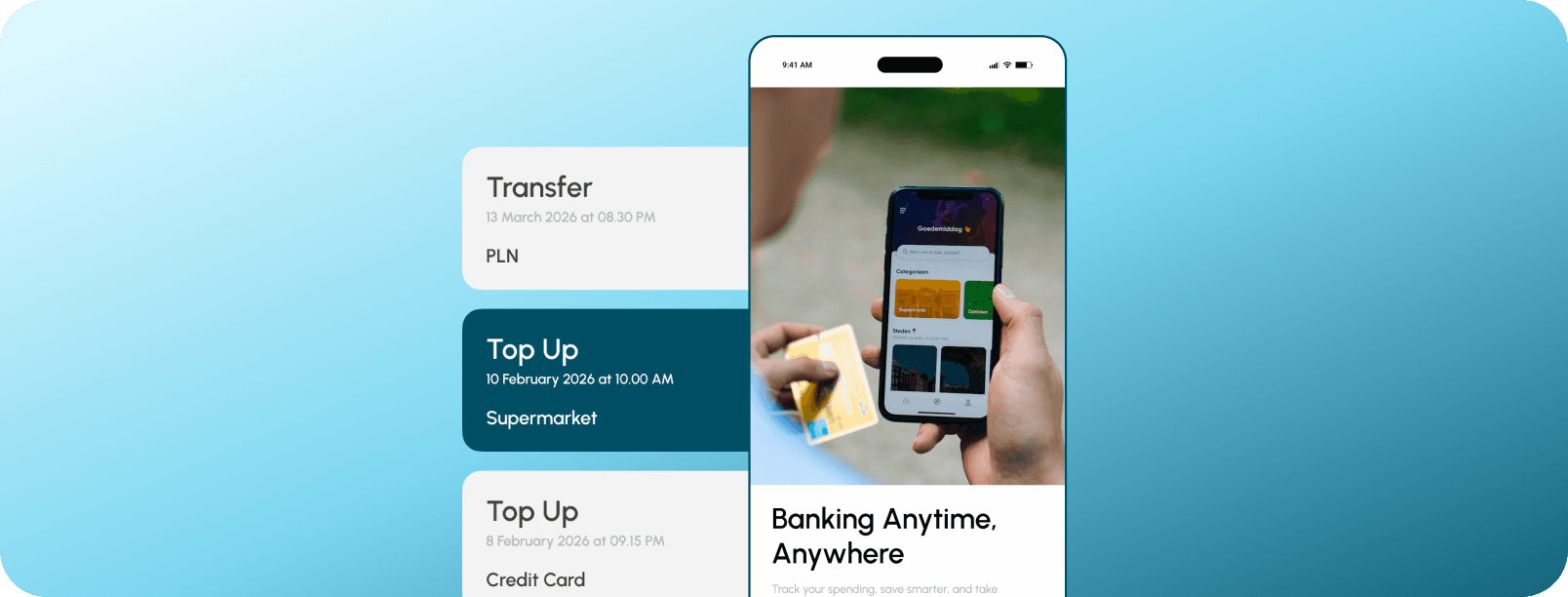
5 Million+ Active Users
The module successfully serves over 5 million users and processes transactions worth hundreds of crores daily.
100% Data Integrity
Processes 230,000+ card records daily with full synchronization completed in under 30 minutes.
MENA-Region Compliant
Immediate adherence to the UAE and Saudi Arabia’s strict data and payment laws.
Business Impacts We Have Made
100%
Real-Time SIM Swap Prevention
60%
Reduction in SMS Costs
Our Identity & Access Management Capabilities
SIM Swap Detection via Carrier APIs
Direct MNO API integration checks whether the SIM registered to an account has been swapped before authentication proceeds. Detection happens at the carrier data layer — not inferred from device behaviour after the fact.
Device and SIM Binding for Banking Apps
The user's device and SIM are bound to their account at registration. Each authentication event validates both — a session originating from an unrecognized device or a swapped SIM is flagged before access is granted.
Silent Authentication via MNO APIs
MNO API integration verifies the user's identity against their active SIM without sending an OTP. The user is authenticated in the background — no code to enter, no interception surface for an attacker.
Local SMS Gateway 2FA
SMPP protocol integration connects the platform to a local SMS gateway for OTP delivery — replacing commercial SMS providers at a fraction of the cost. Message delivery speed and reliability are maintained.
IoT Device Authentication Support
Authentication flows cover IoT device registration and session management — handling the device identity and access patterns that connected banking devices require.
Multi-Factor Authentication Orchestration
MFA combinations — SIM binding, biometric, OTP, silent authentication — are orchestrated within a single authentication layer. Each factor is configurable per user segment, transaction type, and risk level.
Complete RegTech & Compliance Automation Solutions for Financial Enterprises
Identity & Access Management by Engineers and Consultants Who Have Delivered 1000+ Projects
We connect directly to mobile networks instead of using middleman services. This allows us to check for SIM swaps in real-time with zero delay, ensuring we always see the most current security status of the user's SIM card.

Most banking apps struggle with security on newer iPhones because Apple changed its rules. We solved this by building a custom fix that validates the SIM tray and network identity, closing the security gap that other apps leave open.

We link your platform directly to local SMS gateways using the SMPP protocol. This bypasses the high fees charged by commercial providers, significantly cutting costs for high-volume banking applications while keeping message delivery reliable.

Our Latest Thinking in RegTech & Compliance Automation




FAQs About Identity & Access Management Service
When a user initiates authentication, the platform queries the MNO's API with the phone number on the account. The carrier returns a signal indicating whether the SIM associated with that number has been recently changed. If a swap is detected, authentication is halted, and the account is flagged for verification through an out-of-band channel. The detection uses the carrier's own SIM assignment records — not inferred signals from device behaviour — which is what makes it reliable against a swap that has already completed before the authentication attempt.
Silent authentication uses MNO APIs to verify that the device initiating a session is connected to the network on the SIM registered to the account — without sending an OTP. The carrier confirms the match in the background. The user completes authentication without entering a code. This is used for low-risk session continuations and step-up authentication flows where reducing friction is a priority without removing the SIM-based verification layer.
The deprecated iOS APIs allowed direct SIM identifier reads. The replacement implementation uses network operator identity — the carrier name and network codes visible to the application — combined with SIM tray validation signals that change when a physical SIM swap occurs. These are combined into a binding token at registration and validated at each authentication event. The approach does not replicate direct ICCID access but produces a binding that detects the SIM change events that matter for fraud prevention.
Commercial SMS providers charge per-message rates that compound at banking application volumes. SMPP protocol integration connects the platform to a local SMS gateway — a direct routing path to carriers that removes the commercial provider layer. Message delivery follows the same carrier routing, delivery confirmation, and retry logic. The cost reduction of 60% reflects the margin difference between commercial provider pricing and direct gateway rates at high volume.
The authentication layer applies different factor combinations based on the transaction or session risk profile. A low-risk session continuation may use silent authentication alone. A high-value transaction triggers SIM binding validation plus biometric confirmation. A new device registration requires the full factor stack. The risk thresholds and factor combinations per scenario are configured during implementation and are adjustable without a code change.
IoT devices do not have a user present to complete a biometric or OTP step. Authentication for IoT devices uses device identity — a registered fingerprint bound to the device at provisioning — combined with session token management that enforces rotation and expiry. Access is scoped to the permissions the device registration defines. A device that presents a mismatched identity or an expired token is denied access and flagged for review.
Scope determines the timeline. A full implementation covering carrier API, SIM swap detection, device and SIM binding for iOS and Android, silent authentication, and local SMS gateway integration typically runs eight to fourteen weeks from architecture sign-off to production. iOS custom implementation adds time relative to Android, given the API constraint. We assess jurisdiction-specific carrier API availability during the discovery phase before committing to a timeline.
The system is handed over production-ready, tested against the carrier APIs in each target market, and documented at the integration and configuration level. Your engineering team manages authentication rule adjustments independently. We do not build on proprietary frameworks that require ongoing GeekyAnts involvement. If a formal support arrangement post-launch makes sense, that is a separate conversation.