


Steve Jobs once said, “Design is not just what it looks and feels like—design is how it works.”
A product’s design determines its success in a world of endless choices.
Why do some digital products feel effortless while others frustrate users within seconds? The answer lies in great product design—the perfect balance of aesthetics, usability, and innovation that turns everyday interactions into seamless experiences.
But getting it right is harder than it seems. Cluttered interfaces, sluggish navigation, and unintuitive layouts can drive users away instantly. With rising expectations and fierce competition, businesses can not afford design missteps.
This blog explores 10 groundbreaking digital product designs in 2025, uncovering what makes them stand out. From industry giants to disruptive startups, these products set new benchmarks in design excellence. Whether you are a designer, developer, or business leader, these insights will help you create products that do not just function well but leave a lasting impact.
About Digital Product Design
Digital product design is the process of creating seamless, functional, and visually appealing digital experiences—whether it is a website, an app, or enterprise software. At its core, great design balances usability, aesthetics, and problem-solving, ensuring users find value without friction.
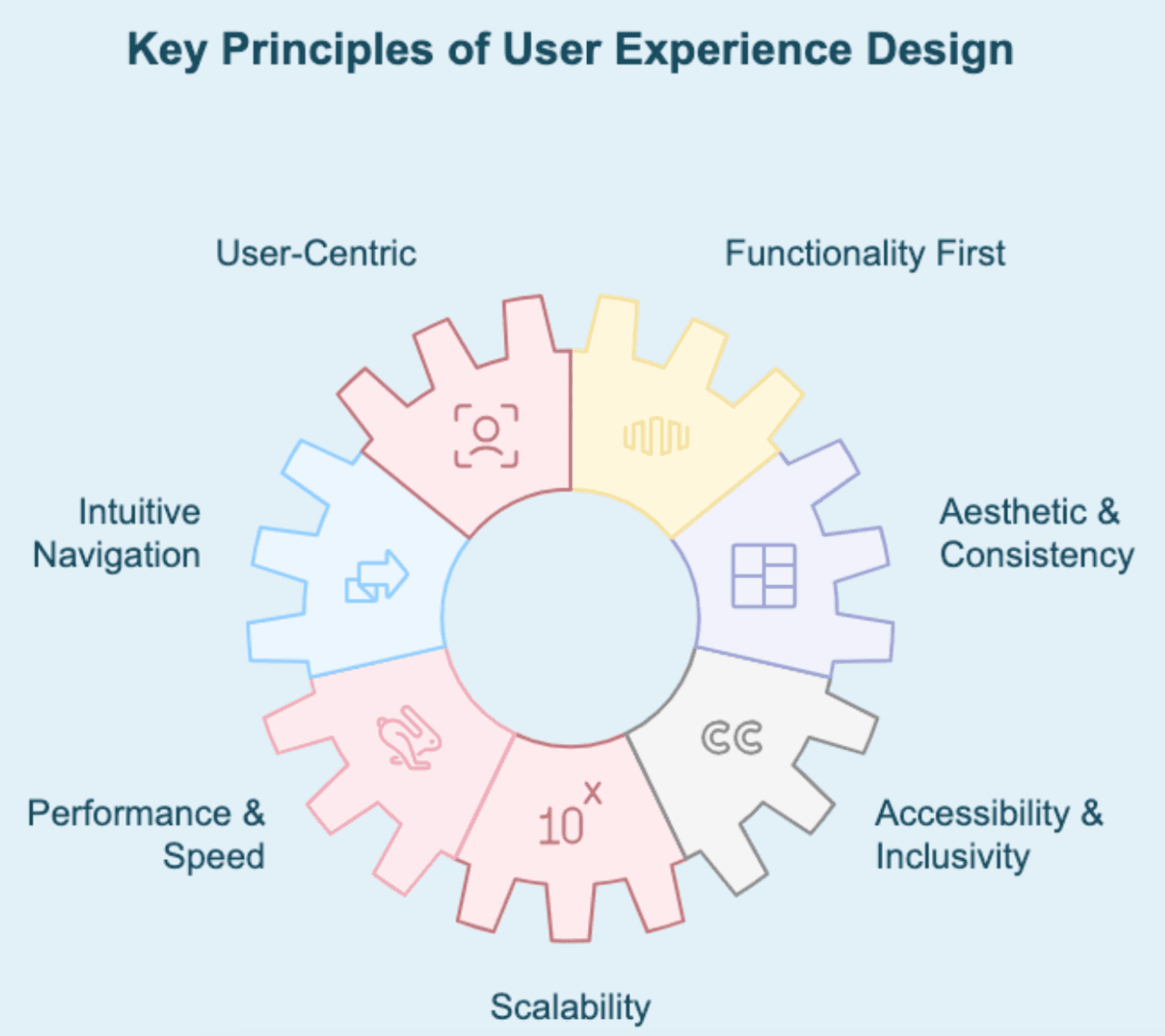
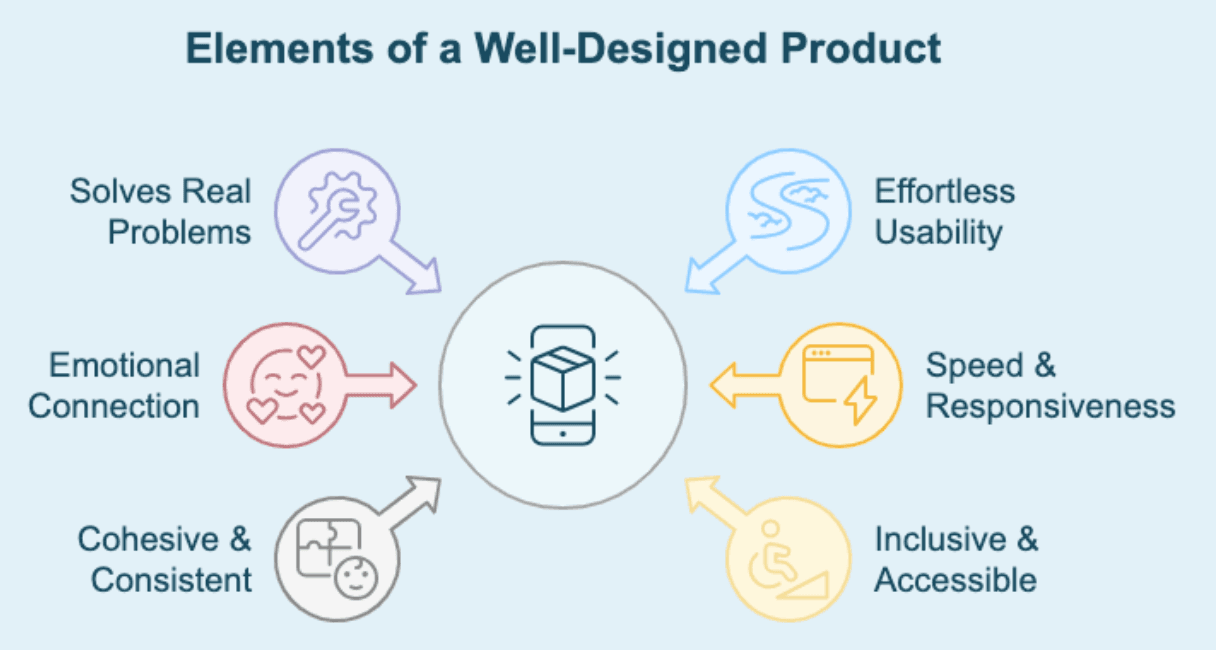
Key Aspects of Effective Digital Product Design:
- User-Centric – Designed around user needs, behavior, and expectations.
- Functionality First – Every element serves a clear purpose, enhancing usability.
- Intuitive Navigation – Users should complete tasks effortlessly, with minimal learning curve.
- Aesthetic & Consistency – A visually appealing, brand-aligned interface with uniform design patterns.
- Performance & Speed – Fast, responsive, and optimized for seamless interaction.
- Accessibility & Inclusivity – Designed for all users, ensuring compliance with accessibility standards.
- Scalability – Adaptable to future growth without major redesigns.
Why Product Design Matters
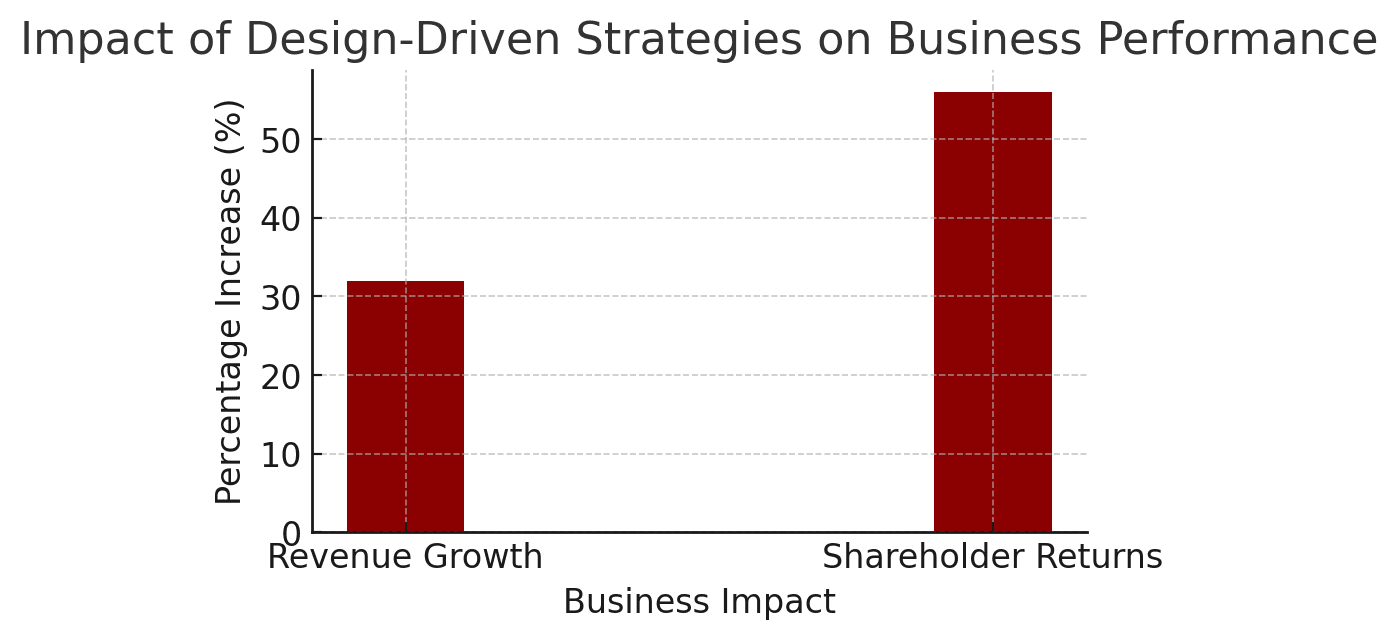
Businesses that prioritize design outperform competitors. According to McKinsey’s Design Index, companies investing in design-driven strategies see 32% more revenue growth and 56% higher shareholder returns than those that don’t. A well-designed product increases engagement, reduces churn, and builds lasting user loyalty.
Excelling in Digital Product Design: Top 10 Noteworthy Examples in 2025 for your next Project
Great digital product design is more than aesthetics—it is about creating seamless, intuitive, and problem-solving experiences that enhance usability and drive engagement. The best-designed products simplify interactions, making them effortless and enjoyable for users.
At GeekyAnts, we have worked with businesses across industries to build high-performing digital products that balance design excellence with functionality. Based on our expertise as a digital product design company, we have analyzed 10 standout digital products of 2025 that set new benchmarks in user experience. From AI-driven personalization to frictionless navigation, these examples showcase how great design translates into business success.
Indian Digital Product Designs That Inspire
1. Swiggy (Food Delivery)
Swiggy has transformed food delivery with an AI-driven, user-centric design that enhances efficiency and personalization.
- Key Design Strengths: Prioritizes visual hierarchy with "Order Again" and restaurant listings for quick decision-making.
- Standout Feature: Real-time tracking system that keeps users engaged after ordering.
- Why It Works: A minimal-step checkout process reduces friction, and intuitive navigation simplifies the ordering journey.
- Lessons from Swiggy: AI-powered recommendations, seamless micro-interactions, and engaging UI elements create a frictionless experience.

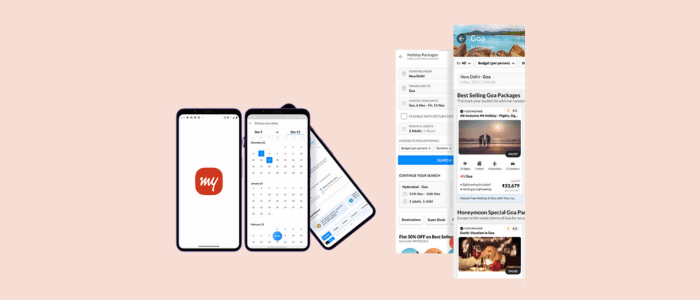
2. MakeMyTrip (Travel Booking)
MakeMyTrip leverages data-driven UI and AI automation to make travel planning effortless.
- Key Design Strengths: Real-time price tracking with dynamic fare visualization simplifies comparisons.
- Standout Feature: Smart Fare Alerts predicting price drops for cost-effective bookings.
- Why It Works: Trust-building UI elements, such as verified reviews and secure booking indicators, improve conversions.
Lessons from MakeMyTrip: AI-driven insights enhance decision-making, while intelligent automation streamlines the booking process.
3. CRED (Credit Card Bill Payments)
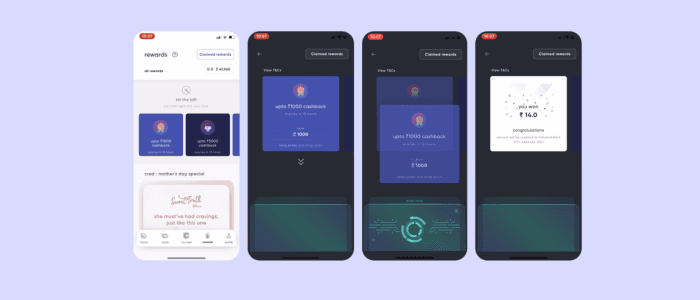
CRED redefines financial app UX with gamified interactions and an exclusive, high-end design approach.
- Key Design Strengths: A minimalist, dark-mode interface enhancing readability and a premium feel.
- Standout Feature: Gamified reward system that incentivizes users to make bill payments.
- Why It Works: The app merges finance management with engaging micro-interactions, making an otherwise mundane task rewarding.
- Lessons from CRED: Gamification significantly improves user retention, while premium UI aesthetics build brand credibility.
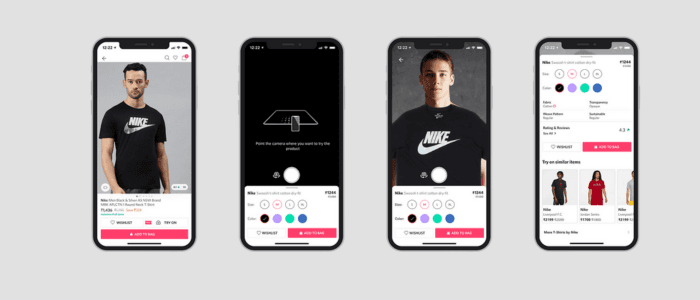
4. Myntra (Fashion E-Commerce)
Myntra’s visual-first approach delivers an engaging shopping experience with AI-powered recommendations and AR features.
- Key Design Strengths: Large, high-quality product images and curated fashion trends create immersive browsing.
- Standout Feature: Augmented Reality (AR) Try & Buy for better purchase confidence.
- Why It Works: AI-driven personalization and influencer-backed campaigns make fashion discovery seamless.
- Lessons from Myntra: A blend of personalization, AR, and social commerce enhances customer engagement.
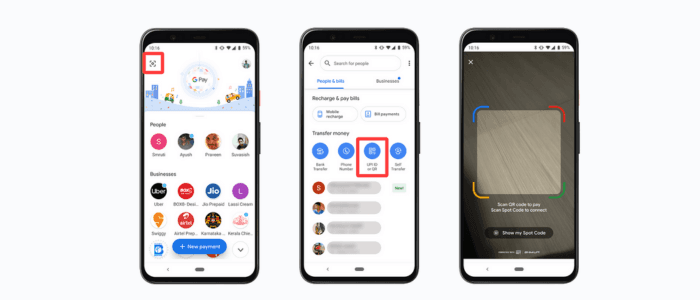
5. Google Pay (Digital Payments)
Google Pay has set a benchmark in frictionless payment design, making transactions effortless and engaging.
- Key Design Strengths: A minimal UI with seamless QR-based transactions and fast UPI payments.
- Standout Feature: Scratch card rewards that create an engaging, incentive-driven experience.
- Why It Works: The simplicity of the UI ensures that first-time users can navigate without confusion.
- Lessons from Google Pay: A clean, intuitive interface combined with security-focused design builds long-term trust.
International Digital Product Designs That Inspire
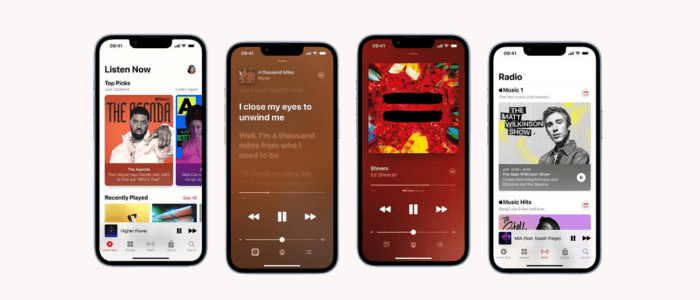
6. Spotify (Music Streaming)
Spotify’s AI-driven recommendations and intuitive navigation make it a leader in personalized music experiences.
- Key Design Strengths: Dark mode UI optimized for long listening sessions and seamless cross-device transitions.
- Standout Feature: Discover Weekly, a personalized playlist curated through AI.
- Why It Works: Minimal UI distractions focus on content, enhancing engagement and usability.
- Lessons from Spotify: AI personalization increases user retention, and seamless UX across multiple devices keeps users engaged.
7. Pinterest (Visual Discovery)
Pinterest’s design prioritizes discovery and inspiration, making visual content exploration intuitive.
- Key Design Strengths: A grid-based layout that enhances content organization and browsing.
- Standout Feature: Reverse image search (Pinterest Lens) for instant idea discovery.
- Why It Works: AI-powered recommendations surface fresh, relevant content tailored to user preferences.
- Lessons from Pinterest: An immersive, visually structured interface encourages long user sessions and deeper engagement.

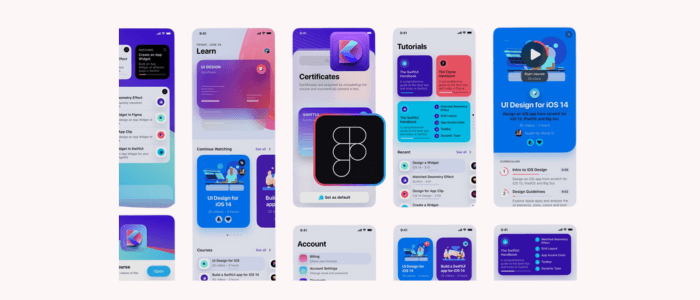
8. Figma (UI/UX Design Tool)
Figma revolutionized UI/UX collaboration with real-time design workflows and cloud-based accessibility.
- Key Design Strengths: Minimalist, distraction-free UI that ensures designers can focus on workflows.
- Standout Feature: Live collaboration, allowing multiple designers to work simultaneously on a single project.
- Why It Works: Eliminates versioning issues and makes remote collaboration seamless.
- Lessons from Figma: Cloud-based tools enhance team productivity and flexibility, making design iteration more efficient.
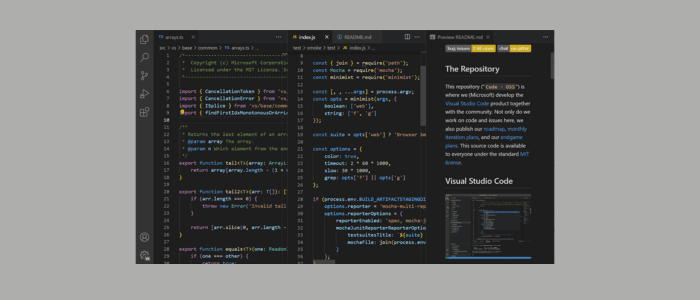
9. Visual Studio Code (Code Editor)
Visual Studio Code is a developer-centric tool that optimizes productivity through AI-powered coding assistance.
- Key Design Strengths: A customizable UI that supports an extensive range of developer preferences.
- Standout Feature: IntelliSense, an AI-powered smart autocomplete for faster coding.
- Why It Works: Lightweight yet powerful, VS Code supports real-time collaboration with integrated debugging tools.
- Lessons from VS Code: Personalization and AI-powered assistance enhance usability and efficiency.
10. Slack (Workplace Communication)
Slack’s communication-first UI enhances team collaboration with intelligent workflows and structured messaging.
- Key Design Strengths: Threaded conversations and structured workspaces reduce message overload.
- Standout Feature: Integration with 2,000+ apps, allowing seamless cross-platform workflows.
- Why It Works: Playful yet professional UI elements, including emoji reactions and color-coded notifications, improve engagement.
- Lessons from Slack: Deep integration capabilities streamline workflows, while an intuitive messaging structure enhances communication clarity.
How to Thoughtfully Incorporate Design Trends in Digital Products
Design trends influence user experiences, but adopting them without purpose can lead to impractical designs. The key is to integrate them strategically to enhance usability, engagement, and brand consistency.
- Leverage 3D & Immersive Design: 3D elements and depth-driven visuals create engaging, lifelike interactions.
- Implement AI-Driven Personalization: AI adapts interfaces based on user behavior, improving relevance and efficiency.
- Enhance Interaction with AR/VR: Augmented and virtual reality elevate immersion, bridging digital and real-world experiences.
- Utilize Voice & Conversational UI: Hands-free voice navigation boosts accessibility and user convenience.
- Refine UX with Micro-Interactions & Motion Design: Subtle animations enhance user feedback and responsiveness.
- Gamify Experiences for Engagement: Interactive elements and rewards improve user motivation and retention.
By balancing innovation with usability, businesses can craft trend-forward yet timeless digital products.
What These Designs Teach Us About Excellence
These 10 digital products set a new standard in usability, engagement, and efficiency. Despite operating in different industries, they follow three core principles of great product design:
- User-Centric Innovation – Each product prioritizes user needs over aesthetics alone.
- Seamless Functionality – Intuitive interactions ensure fast, effortless use.
- Engagement-Driven UI – Personalization, gamification, and automation keep users actively engaged.
Key Takeaways for Product Designers and Businesses:
- AI and automation enhance personalization and decision-making.
- Minimalist UI reduces friction and improves accessibility.
- Gamification and incentives drive retention and repeat usage.
- Seamless cross-device experiences keep users engaged across platforms.
By integrating these best practices, businesses can create products that function seamlessly and become indispensable to users.
Common Digital Product Design Pitfalls and How to Avoid Them
Creating successful digital products takes more than creativity. It requires understanding common mistakes that can hurt user satisfaction and product success. Here are some common design errors and tips to avoid them:
1. Neglecting User Feedback
Overlooking user input can lead to products that fail to meet user needs. User feedback is essential in designing digital products that meet the needs and expectations of the users.
Solution: Implement regular user testing sessions and gather feedback through surveys and usability studies. This iterative process ensures the product evolves in line with the user
2. Overengineering
Adding unnecessary features can complicate the user experience and increase development time. Overengineering, or over-engineering, is the act of designing a product or providing a solution to a problem that is complicated in a way that provides no value or could have been designed to be simpler.
Solution: Focus on core functionalities that address primary user needs. Employ the KISS (Keep It Simple, Stupid) principle to maintain simplicity and usability.
3. Skipping the Minimum Viable Product (MVP) Phase
Bypassing the MVP stage can result in products that miss the mark, as they haven't been tested in real-world scenarios. Building a digital product is complex, and avoiding common pitfalls is key to success.
Solution: Develop an MVP to gather early user feedback and make necessary adjustments before a full-scale launch.
4. Ignoring Scalability
Designs that don't account for growth can lead to performance issues as user bases expand. Neglecting scalability is a common mistake in digital product development.
Solution: Plan for scalability from the outset by choosing flexible architectures and technologies that can accommodate future growth.
5. Lack of Clear Objectives
Without well-defined goals, design efforts can become unfocused, leading to a disjointed user experience. A successful digital product design begins with clear objectives.
Solution: Establish clear, measurable objectives to guide the design process and ensure alignment with user needs and business goals.
6. Feature Creep
Continuously adding new features can overwhelm users and dilute the product's primary purpose. Feature creep can decrease the productivity of a development team and reduce the value realized by users.
Solution: Prioritize features based on user needs and business value, and resist the temptation to add non-essential functionalities.
7. Not Utilizing External Expertise
Relying solely on internal teams can lead to missed opportunities for innovation. Not utilizing external product design consultants is a common mistake, especially when internal teams feel confident in their abilities.
Solution: Engage external consultants to provide fresh perspectives and specialized knowledge that can enhance the development.
8. Inadequate Discovery Phase
Skipping thorough research can result in products that don't align with market needs. Prioritizing discovery is essential to avoid common product design pitfalls.
Solution: Invest time in the discovery phase to understand user needs, market trends, and potential challenges before design and development.
9. Lack of Experimentation
Avoiding experimentation can stifle innovation and limit a product's potential. Encouraging experimentation is crucial to discover the right products to build that drive revenue and meet customer needs.
Solution: Foster a culture that encourages testing and iteration to explore new ideas and solutions.
10. Poor Project Management
Ineffective project management can lead to delays and budget overruns. Delays or an inability to meet deadlines are common risks in digital product development.
Solution: Implement robust project management practices, including clear timelines, responsibilities, and regular progress reviews.
By recognizing and addressing these common pitfalls, designers and developers can create digital products that effectively meet user expectations and achieve business objectives.
How to Get Started with Digital Product Design
Building a successful digital product starts with understanding user needs and solving real problems. Begin with thorough market research and user analysis to identify pain points and define clear objectives. Prioritize simplicity—focus on core functionalities instead of overwhelming users with excessive features. A structured UI/UX design process, including wireframing, prototyping, and usability testing, ensures a seamless experience. Start with an MVP (Minimum Viable Product) to validate ideas before scaling. Collaboration with experienced product designers and developers is key to execution. We in GeekyAnts specialize in transforming ideas into scalable, user-centric products, combining research-driven design with robust development expertise. A strong foundation in design is what differentiates great products from forgettable ones.
Conclusion
Great digital product design is the foundation of a successful user experience. The best-designed products seamlessly integrate usability, aesthetics, and problem-solving, ensuring effortless interactions. As seen in the 10 noteworthy examples, AI-driven personalization, intuitive interfaces, and scalable architectures are key differentiators in today’s competitive landscape.
To build products that engage, retain, and grow users, businesses must prioritize user research, iterative design, and a strong development strategy. Partnering with experienced design teams like GeekyAnts ensures that every product is crafted with precision, innovation, and scalability in mind. By embracing user-centric design principles, businesses can create digital experiences that are not only functional but truly indispensable.
FAQs
1. Which is better, UI/UX or product design?
UI/UX design focuses on user experience and interface, ensuring smooth interactions, while product design encompasses end-to-end development, including strategy, functionality, and usability. Neither is inherently better—UI/UX is a subset of product design. A great product needs both a strong user experience and a well-thought-out design strategy.
2. How can I verify if a product design company can deliver innovative solutions like the ones in the article?
Assess their portfolio, case studies, and client testimonials to gauge their expertise. Look for research-driven design approaches, user testing methodologies, and scalability strategies. Companies that prioritize usability, innovation, and business impact—like GeekyAnts—are better equipped to deliver future-ready digital experiences.
3. How to choose the right digital product tools?
Selecting the right tools depends on project needs, scalability, and user experience goals. Consider tools for wireframing (Figma, Sketch), development (React, Flutter), and analytics (Google Analytics, Hotjar). Prioritize tools that integrate seamlessly into your workflow, support collaboration, and enhance efficiency without compromising on performance.
4. How were the examples in this article selected?
The examples were chosen based on industry impact, design innovation, user engagement, and scalability. Each product excels in intuitive navigation, seamless functionality, and AI-driven personalization, setting benchmarks for design excellence in 2025. SME insights were also incorporated to highlight key differentiators.
5. What trends in digital product design are highlighted in these examples?
Major trends include AI-driven personalization, immersive interactions (AR/VR), gamification, and minimalistic UI. Products are shifting toward hyper-personalization, accessibility-first design, and automation, ensuring seamless, scalable, and intuitive experiences that enhance user engagement and long-term retention.
6. Is user research necessary for creating great digital product designs?
Yes, user research is crucial in understanding pain points, behavior, and expectations. It ensures that designs are user-centric, intuitive, and aligned with business goals. Without research, products risk poor adoption, usability issues, and disengagement, leading to higher churn rates and lower conversion rates.
7. Are these designs forward-looking for future trends?
Yes, these products integrate emerging technologies, data-driven insights, and user-first strategies to stay ahead. Features like AI-driven automation, cross-platform compatibility, and scalable architectures ensure they adapt to evolving user expectations and set benchmarks for future digital experiences.