
Web Performance Optimization Services
GeekyAnts provides web performance engineering for high-traffic, data-heavy, and content-rich applications. We tune rendering, JavaScript execution, asset delivery, caching, and frontend architecture to improve Core Web Vitals, interaction responsiveness, and load times, and to hold performance steady as usage scales.
Crashing Under High User Traffic?











Web performance comes down to architecture, rendering strategy, JavaScript execution, asset delivery, caching, and how the application holds up on real user devices and networks. GeekyAnts weighs these factors early, so performance shapes engineering decisions instead of getting patched in after release.
Our Core Web Vitals optimization work targets LCP, INP, and CLS through rendering strategy, JavaScript budgets, asset optimization, layout stability, and real-user field data. We set performance targets against your actual users, content model, traffic patterns, and technical constraints, then validate against them.
Client Results and Success

350k+ downloads across iOS and Android.
The system eliminates reliance on technical teams for adding destination countries, facilitating seamless global service provision.
- Global Payments Processed Annually
- 400M+
- Active Users across the UK, Canada, Europe, and Australia
- 120k+
- Downloads across iOS and Android
- 350k+

$57,000+ annual savings.
The project focused on right-sizing cloud resources and implementing automated scaling to handle fluctuating transaction volumes without compromising speed.
- Reduction in Monthly Cloud Costs
- 60%
- Saved per Month
- $4,800
14,274 sites in the Collect+ network
The revamped application provides a unified interface for managing complex billing tasks and integrated logistics collection flows.
- Growth in Online Market Presence
- 17%+
- Growth in Parcel Transactions
- 20%
Including CO2 emission calculations.
The platform focuses on reducing the carbon footprint in construction by providing innovative tracking and sustainability tools.
- Users Onboarded
- 675
- Major Features Built
- 15+
From 5 Days to 2 hours
The system improves hiring speed and accuracy by automating initial voice-based interactions.
- Reduction in Manual Screening Effort
- 99%
- Success Rate for Technical Teams.
- 80-90%
- Hours to Complete Hiring Cycles
- 2
Separate Apps for Nurse, Child, and Parent
We integrated native APIs and synchronization protocols to ensure data accuracy across the healthcare suite.
- Separate apps Synchronized into One Ecosystem
- 3
High-Performance Web Solutions
Our web performance optimization services cover four areas: Core Web Vitals, rendering strategy, JavaScript and bundle efficiency, and edge delivery. We evaluate each one against field performance data, application architecture, SEO requirements, user interactions, and expected traffic.
24/7
Engineering Support
App Router
Ready for modern Next.js architecture
Code Quality
Enforced through review and automated checks
1M+
Scalable for high-volume user traffic
Strategic Advantages of Performance First Architecture
We prioritize technical excellence to ensure your platform is competitive on day one and remains scalable for years to come.
Improved User Retention
Build faster, more responsive experiences that keep users engaged.
Higher Conversion Rate
Drive business growth through seamless, sub-second interactions.
Stronger Technical Search Performance
Improve Core Web Vitals and page experience signals through faster rendering, stable layouts, responsive interactions, and field-data monitoring.
Reduced Infrastructure Costs
Lower cloud expenses through optimized rendering and edge caching.
Sustainable Performance
Enforce performance budgets that keep the codebase fast as your product scales.
A Disciplined Approach to Performance First Architecture
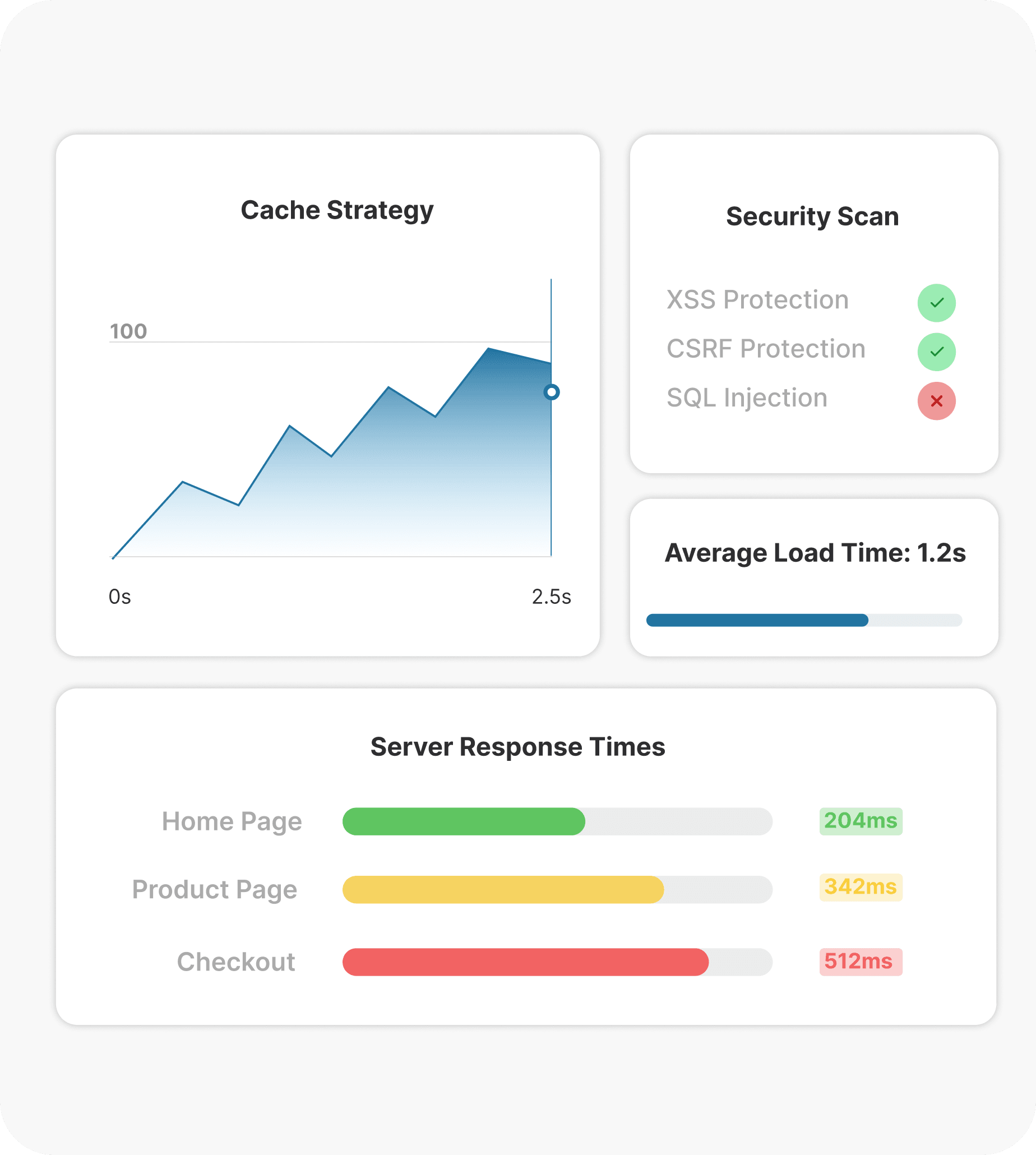
Identifying bottlenecks and architectural constraints.
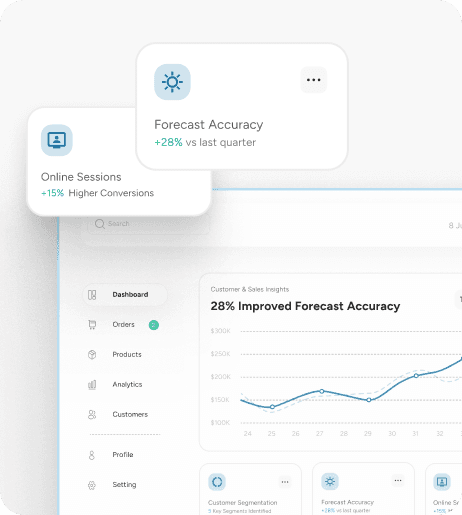
Defining the technical path to superior performance.
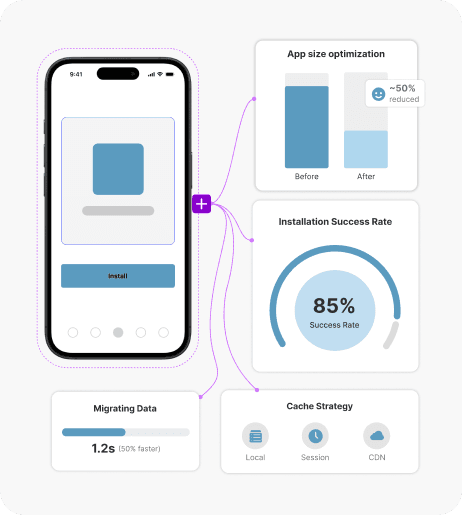
Engineering the solution with modern frontend standards.
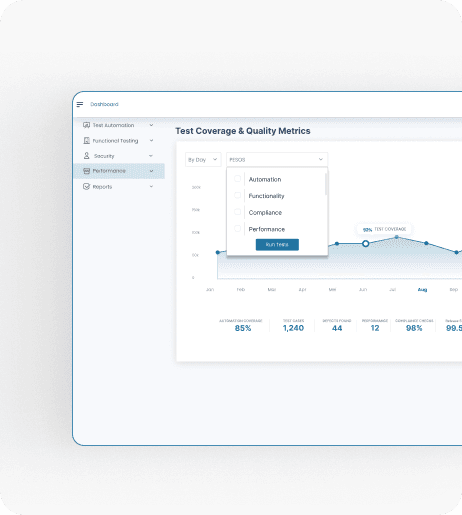
Ensuring performance remains high as the product grows.
Comprehensive solutions for Web Engineering
Technology Stack for Modern Web App Engineering
We architect web platforms based on product goals, rendering requirements, team expertise, and long-term maintainability. The result is a web experience that stays fast, scalable, and adaptable as your product evolves.
- Next.js

- React

- Vue.js

- Angular
- TypeScript

- Tailwind CSS

- shadcn css

- gluestack-ui

- Node.js

- Vercel

- AWS

- Google Cloud

- Contentful

- Strapi

- PostgreSQL

- Redis

Engineering Impact Across Diverse Domains
From high-concurrency fintech engines to data-heavy sustainability dashboards, we architect solutions for industries where speed is a mission-critical requirement, not just a preference.
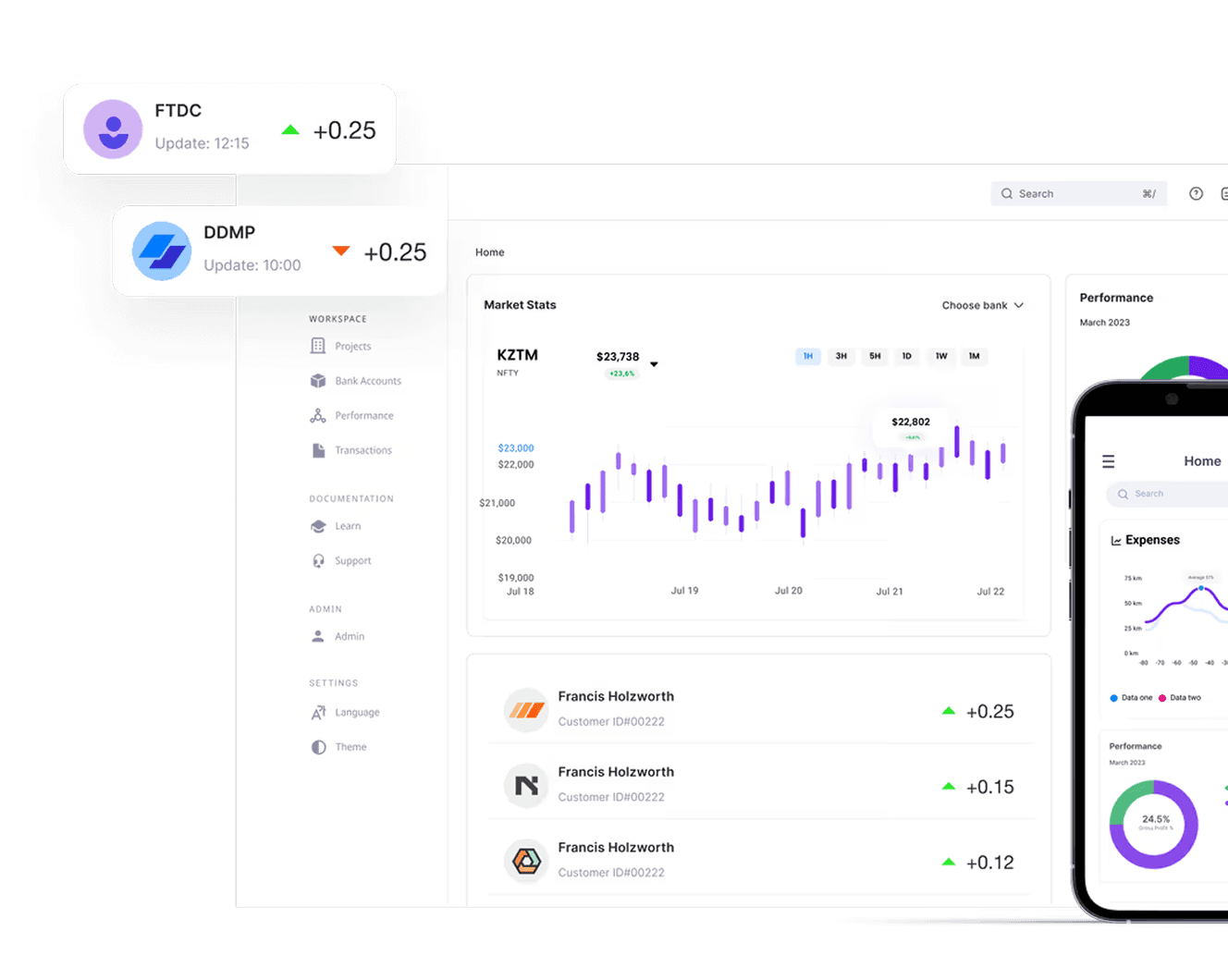
Fintech
Secure, scalable fintech and banking app development.Explore more
Food and Beverages
Customized AI-driven F&B apps for a booming business.Explore more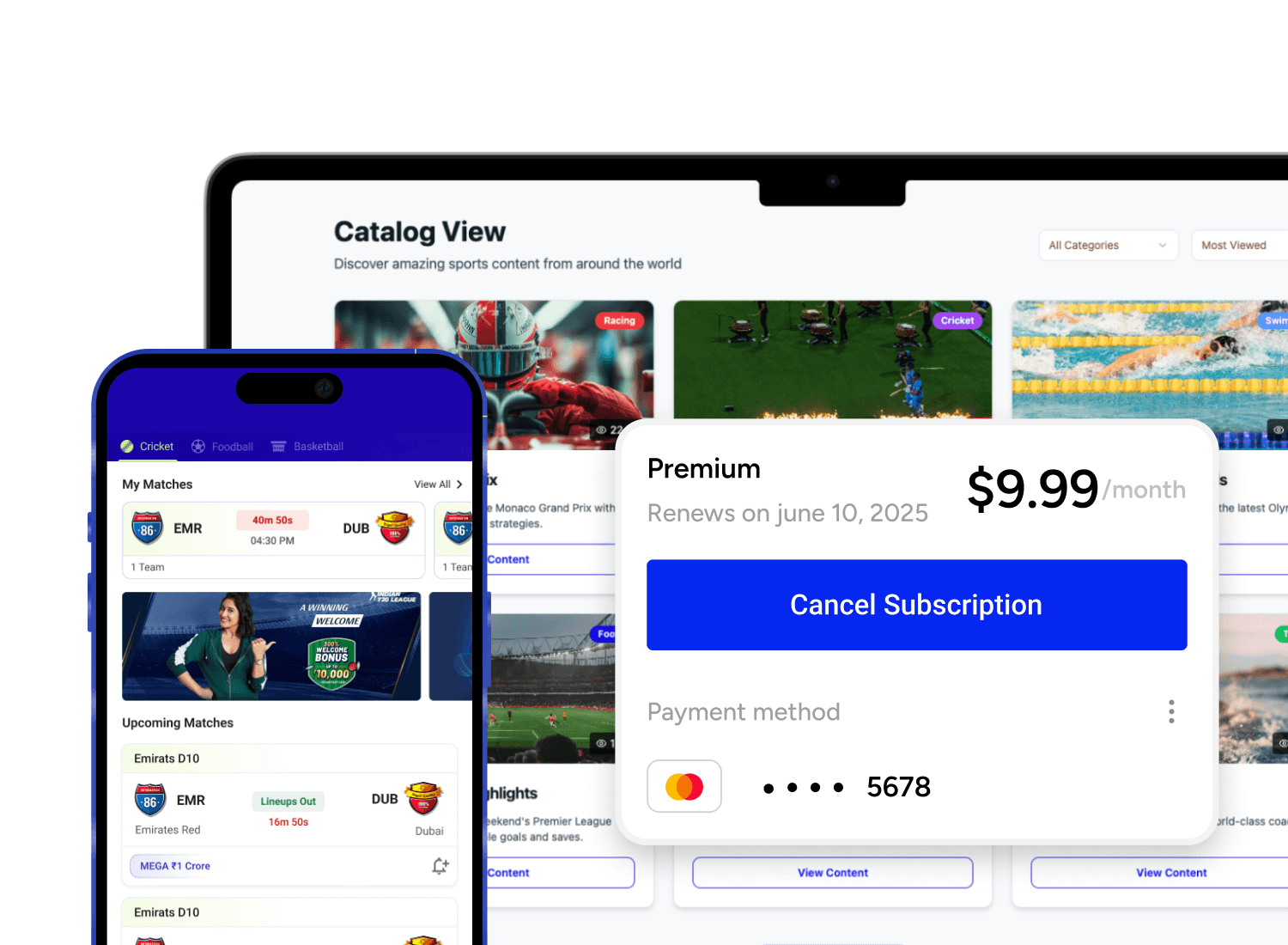
Sports
Cross-platform sports app development by GeekyAnts. Build fast, scalable apps for live scores, fan engagement, team management & more—across mobile, web, and wearables.Explore more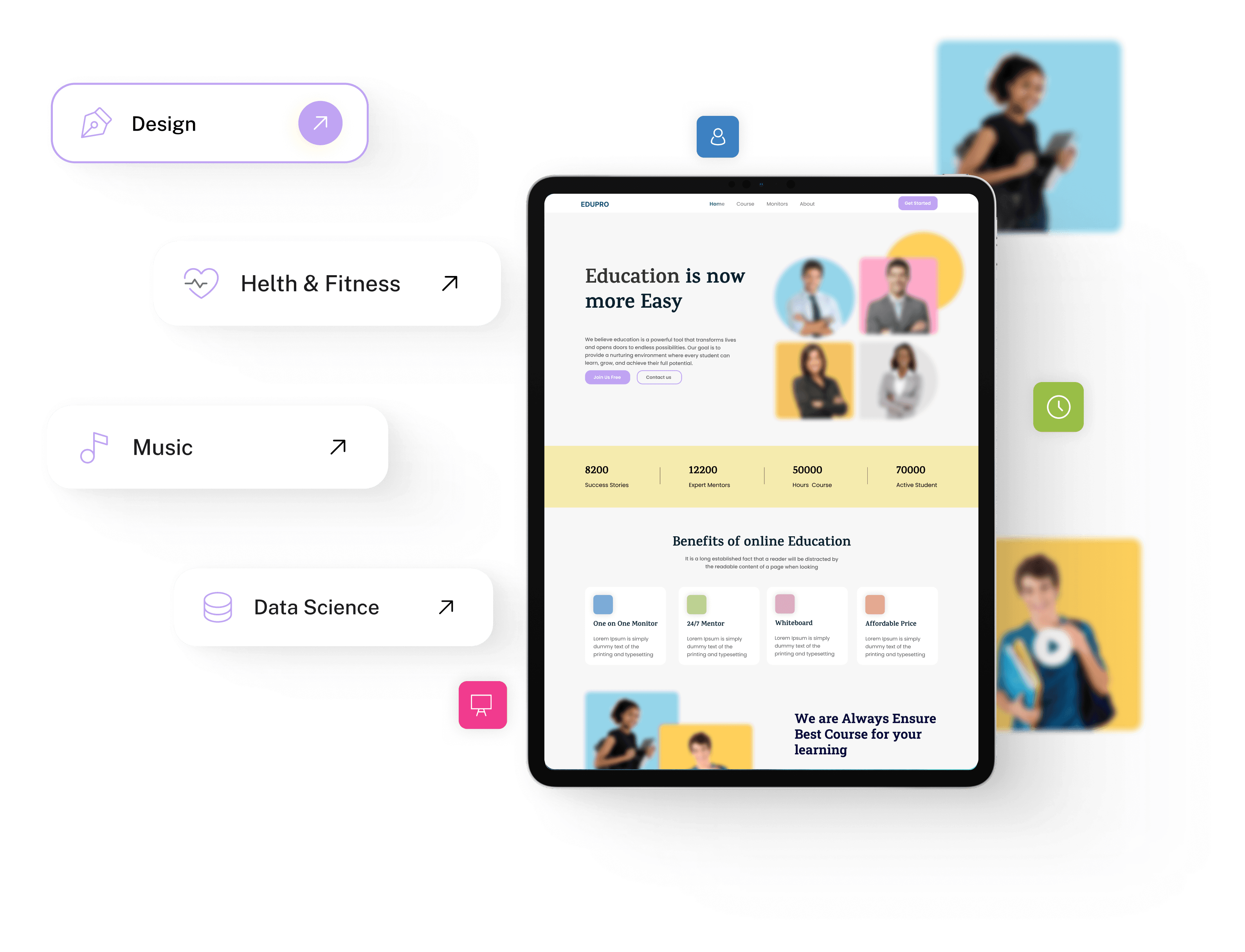
Education
GeekyAnts offers the best education and e-learning app and software development services for the education industry that can help you make the shift from traditional practices to a digital infrastructureExplore more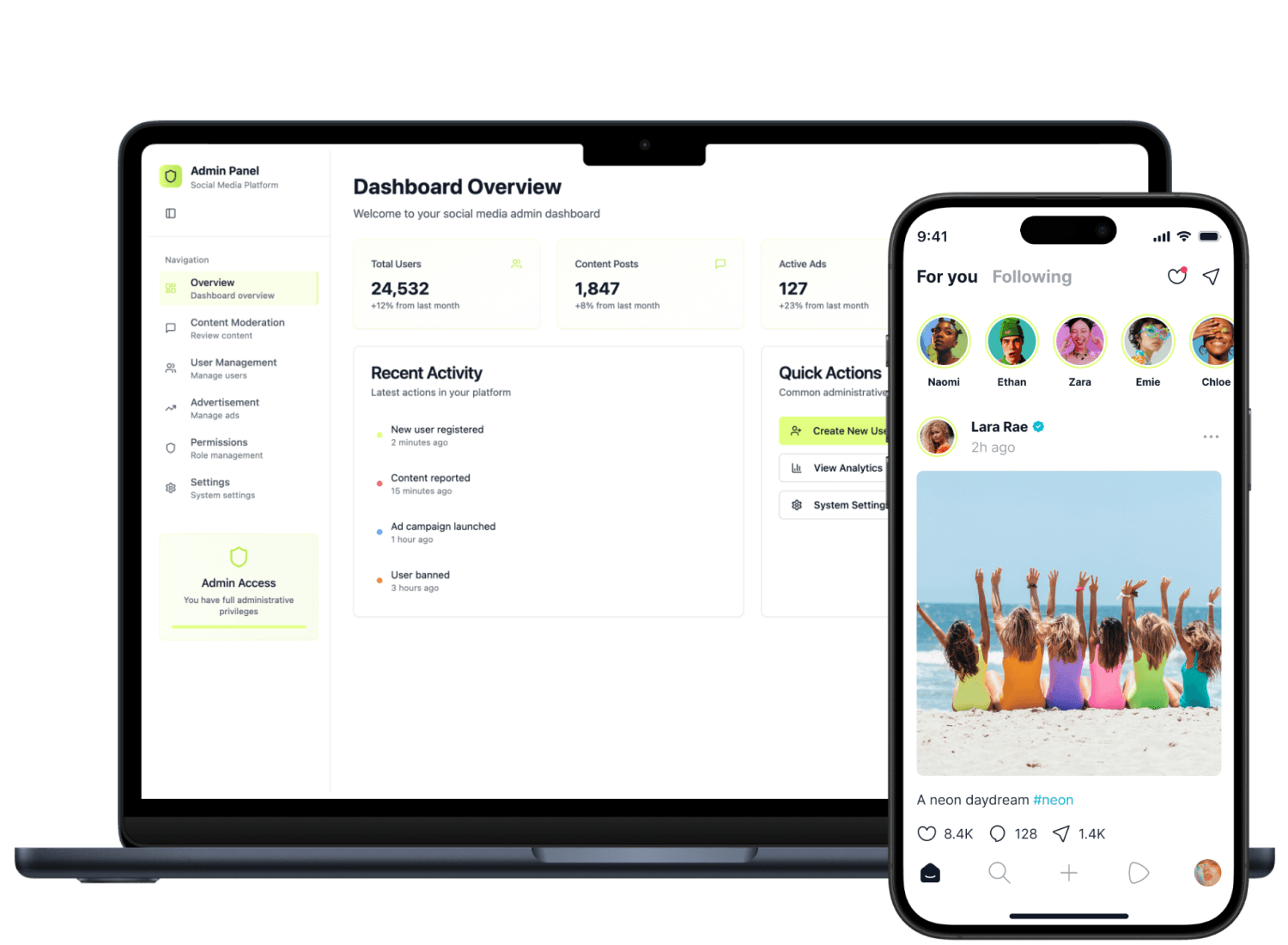
Social Media
GeekyAnts offers custom social media app development services to build scalable, AI-powered platforms that enhance user engagement and retention.Explore more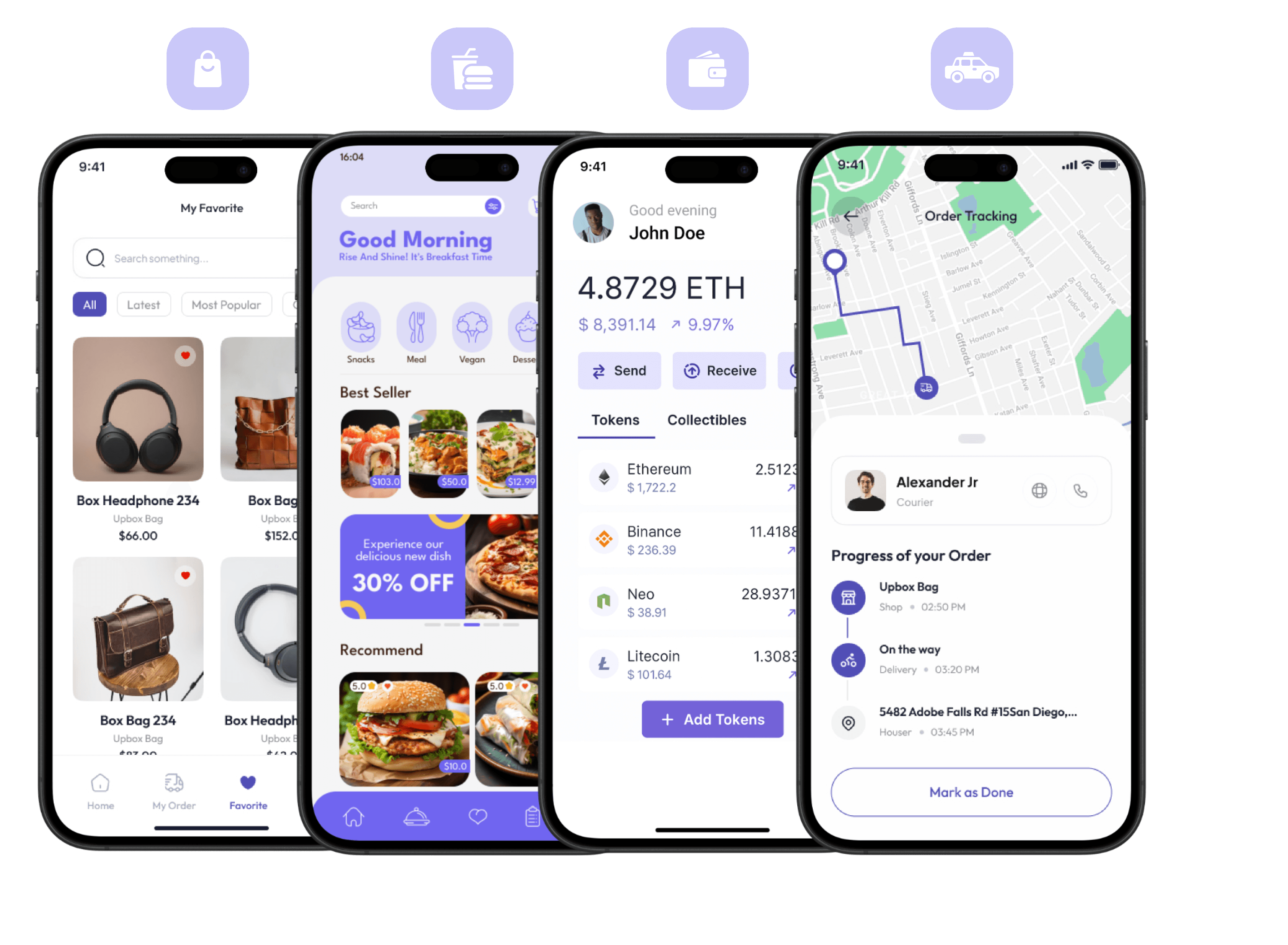
On-demand Booking
Trusted on demand app development company offering custom on demand app development services to build scalable, user-centric solutions for global businesses.Explore more
Our Latest Thinking in Web Engineering




Build with us.Accelerate your Growth.
- Customized solutions and strategies
- Faster-than-market project delivery
- End-to-end digital transformation services
Contact us
FAQs on Performance First Architecture
Lab data — from tools like Lighthouse and PageSpeed Insights — is collected under controlled conditions and is useful for identifying issues during development. Real-user monitoring captures actual performance across your users' devices, networks, and locations, and this is the data Google uses for search rankings. The two often diverge significantly. A page can pass Lighthouse in development and fail Core Web Vitals in the field because lab conditions do not replicate slow mobile devices or congested networks. We optimize against field data because that is what your users and search rankings actually reflect.
The relationship is well-documented and measurable. One global e-commerce platform achieved an 18% decrease in bounce rates by improving LCP from 4.1s to 2.2s, alongside a 12% increase in conversion rates through INP improvements. The underlying mechanism is straightforward: faster, more stable interfaces reduce the friction that causes users to abandon before completing an action. For transaction-heavy products, even incremental improvements in interaction speed compound into meaningful revenue gains.
Performance is not a one-time fix. As features are added, third-party scripts accumulate, content grows, and dependencies age, the performance characteristics of a system change. JavaScript bundles grow, rendering paths become more complex, and caching strategies that worked at one traffic level may not hold at another. This is why we configure real-user monitoring from day one — so regressions are caught early rather than discovered through declining rankings or conversion reports.
Yes, and this is often the right starting point. Image optimization, code splitting, deferred script loading, and CDN configuration can produce significant improvements without touching the core architecture. We begin every engagement with an audit that distinguishes between quick wins and structural issues, so improvements can be shipped incrementally while larger architectural changes — if needed — are planned without disrupting live operations.
Data-heavy interfaces require a different optimization lens. The challenge is not just initial load — it is keeping INP below 100ms while the browser is processing and rendering large datasets. We address this through virtualization of long lists and tables, deferred rendering of off-screen components, web worker offloading for computation-heavy tasks, and incremental data loading patterns that keep the main thread free for user interactions.
Third-party scripts — analytics platforms, chat widgets, advertising pixels, social embeds — are one of the most common causes of degraded Core Web Vitals in otherwise well-optimized applications. We audit every third-party dependency for its performance cost, defer or sandbox non-critical scripts, and establish governance policies, so new scripts are evaluated before being added to production.