

Web App For a Food Industry Behemoth
Improving the food ordering experience by enhancing the web app
IndustryTravel and Hospitality
Tech stack

ABOUT THE CLIENT
Based out of Orlando, our client is a multi-brand restaurant operator who runs some of the most distinguishable and successful restaurants in full-service dining. They own and operate more than 1,800 restaurants and employ around 175,000 team members, making them one of the 50 largest private employers in America and the world's largest full-service restaurant company. They are now serving more than 320 million guests annually in hundreds of communities across North America and their restaurants include some of the country’s most recognized franchises.
About the project
The Problem
The client was on the lookout for an organization that has the skills to enhance their digital solution and they came across us on their mission to revamp and develop their app. The client was already impressed by our open-source contribution- NativeBase. The main problem here was that they needed the same code to be implemented for all their brands along with their individualistic styles on the app and they also required it to run across platforms.
They were searching for organizations to implement new features and continue the development of their online food ordering website. We decided to follow the agile methodology pattern as it allowed for dynamic sprints. The entire project was divided into six sprints for eighteen weeks, and daily scrum meetings were held to facilitate the planning and to implement the required changes.
OVERCOMING CHALLENGES
One of the major roadblocks that we faced along the way is maintaining a good structure across platforms. We achieved this by using NativeBase considering the apps were originally built on the React ecosystem. We also created a Monorepository to manage the code base which is essentially a standard code repo for projects with a modular approach for saving reusable components. All of the reusable components and the relevant code were saved here under different modules. Another challenge that we faced along the way was to integrate code in both platforms. Looking at the complexity involved, the team updated and committed the code in a secondary codebase, following which the team lead would check the quality of the code before pushing it further.
In bird's eye view
- CI/CD was done using Azure DevOps
- Tasks were handled using Azure and Git.
- All communication was done through MS teams, email and daily scrum meetings.
DEVELOPMENT
Once the team and the requirements were set into place, it was time to get cracking and start work on the project. Considering the client wanted us to implement the same codebase across all platforms, we decided that the best way to forward is to use NativeBase 3.0, a UI component library which is our in-house creation to enable cross-platform development. To support this choice, we also used React and React Native Web for the application's frontend along with Next.js for SSG and SSR page support.
We also created multiple APIs as per the project requirement to stage environments for the backend and this was done in three stages. Since we were using reusable code for both mobile and web platforms, we used MobX as the central store provider. Meanwhile, we structured the code using Monorepo which allowed us to use a single repository for the entire project.
Once we finalized the tech stacks and the wireframes for the project, we implemented the various features and functionalities as specified by the client. One of the first features that were created was the menu listing page where all the items on the menu would be displayed for users to browse through along with a scrolling navigation menu for them to look through the various categories. We also provided a menu detail page so that users could customize their orders along with details of time, date, and the amount they would be spending on an order. An Our Picks screen was also created where recommendations and popular items would be displayed to the customer along with a cart section and a reorder screen to repeat orders. Finally, we implemented an orders settings section for users to set their pickup and delivery by type and time and a location search option to enable them to search for restaurants.
We used ALM and Azure Boards to govern the applications' lifecycle management and Git for task management. We automated the testing and deployment of the apps through a stringent CI/CD process wherein the builds were merged through a central repository to speed up the process while ensuring that the product was up to the mark.
TEAM ON CALL
Once the problem was defined, we put together a highly competitive team that could take the project forward. Considering the vast scope and comprehensiveness of the project, we created a team of a tech lead, eight developers and a tester who would work on developing the application.
Create a responsive web app with reusable components for both mobile and web platforms.
Create screens for the menu list and item details, cart and order settings, and integrate various order flows such as pickup and delivery.
Rewrite the frontend of the old website while implementing functionalities like menu listings, reorder, a cart section, recommendations, and more.
Write native code which can be used for both platforms


OUR APPROACH
- We joined hands with one of the USA’s biggest multi-brand restaurant operators for the second phase of their project, which sought to develop and enhance their offering, an online food ordering service. The engagement was based on the agile model.
FINAL IMPRESSION
The client had reached out to us for the second phase of the project and they were thrilled looking at the work done by the team and the efficiency displayed. Being quite impressed with both the experience of the collaboration and the work delivered, they have decided to engage with us for the subsequent seven phases of the current project and additional ones, making us one of their leading tech partners.
The Right Conversation Can Save You Six Months
Contact us
More from our engineering work
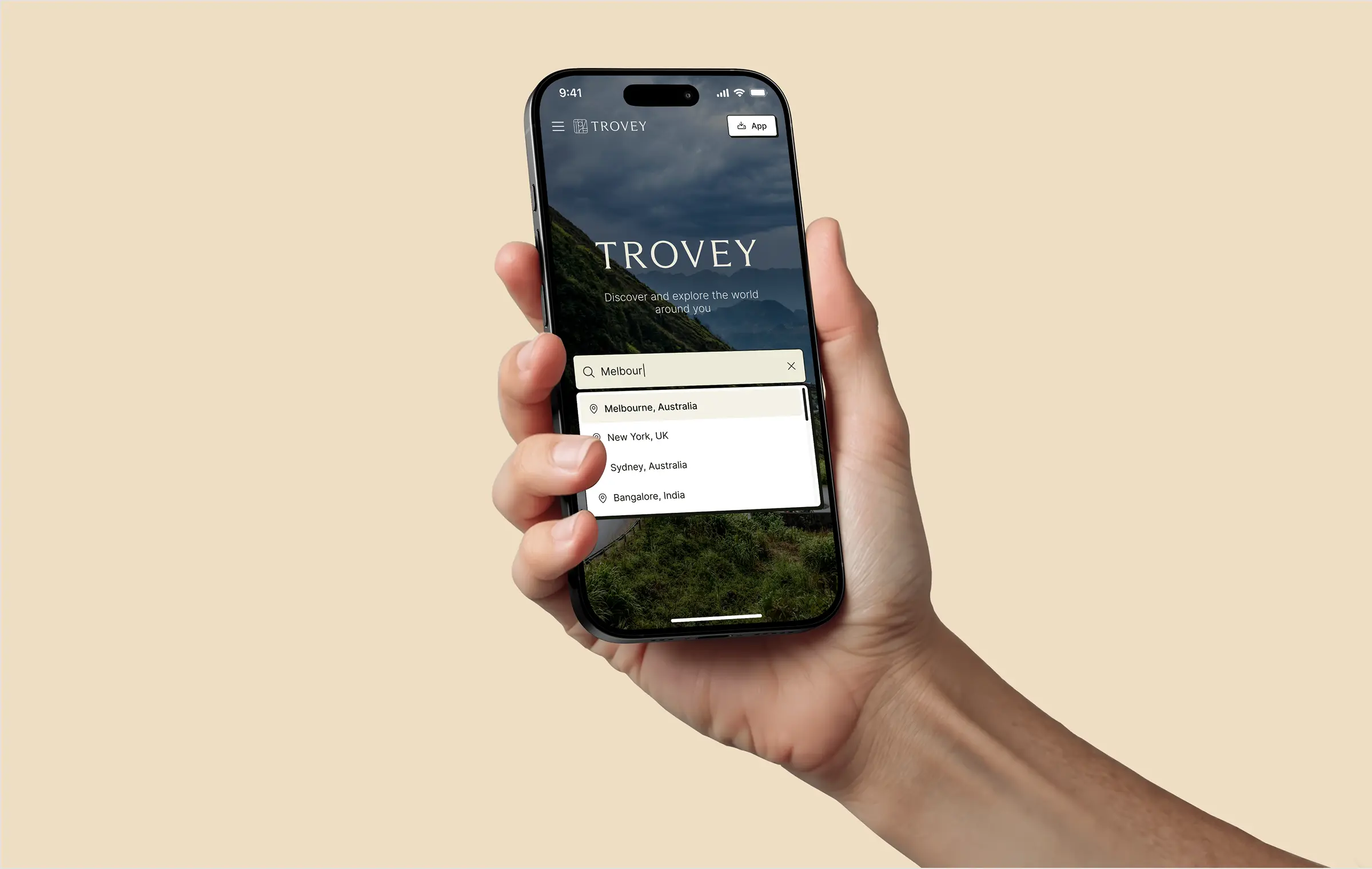
Digital Brochures for Local Operators
Trovey gives tour and activity operators a way to publish digital brochures, and gives travellers one place to find local experiences, save them and build itineraries.
Read case study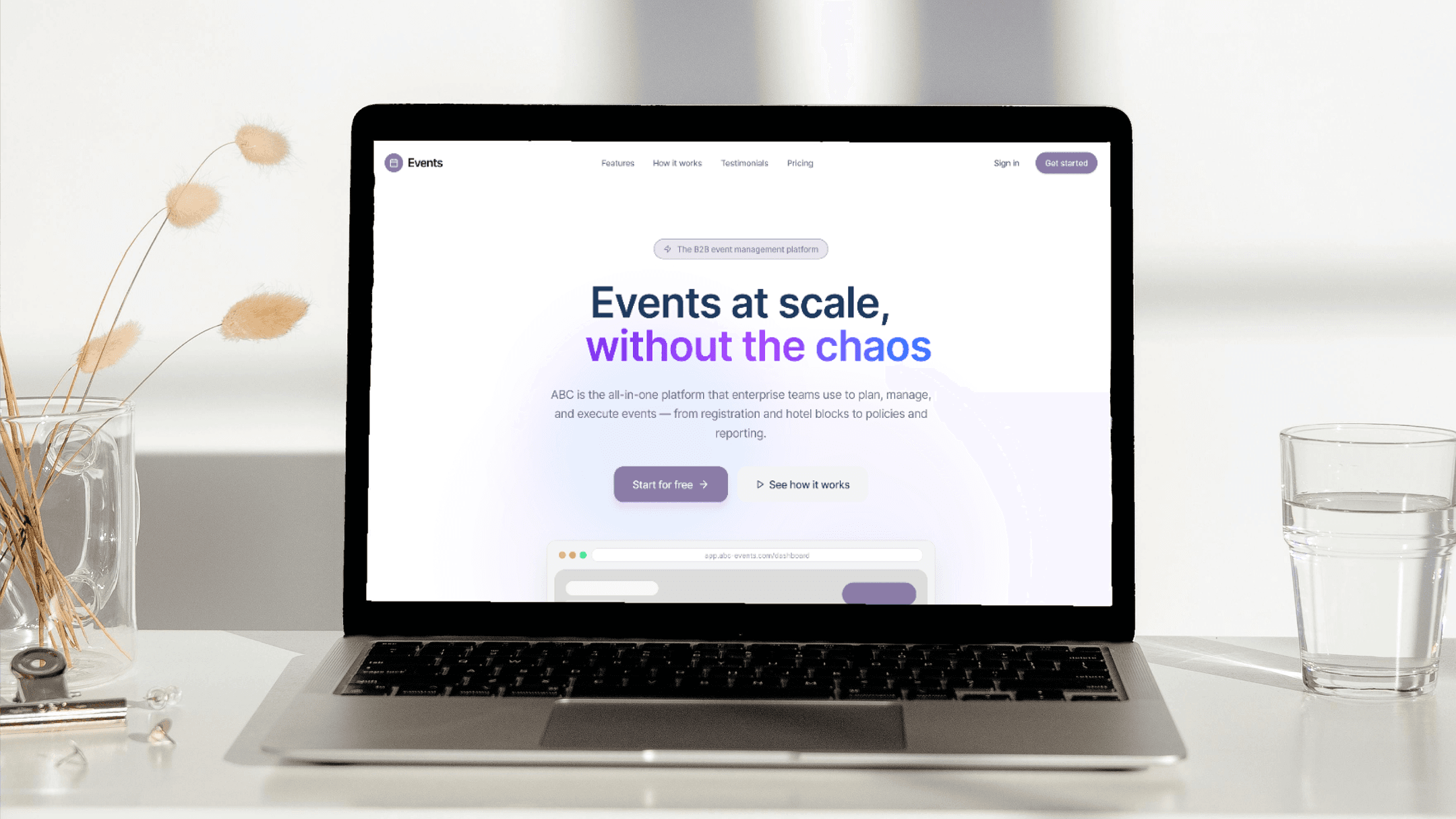
End-to-End Event Management Platform with API-First Backend
A centralized event and hospitality operations platform built for ABC, consolidating key workflows into a single system.
Read case studyPersonalized Meal Recommendation System
We engineered a scalable meal recommendation backend that utilizes machine learning to adapt recipes based on real-time pantry inventory. The system was designed to handle a library of 3,000+ recipes and provide instant updates to users.
Read case studyData Management Systems for a Coast-to-coast Helicopter Service
We streamlined daily data processes, approvals, supervision, expense tracking, and payroll generation, all within one system to improve overall efficiency.
Read case studyMSAL Integration for Web and Mobile
We implemented secure authentication across mobile and web platforms using Microsoft Authentication Library.
Read case studyMulti-App Mobile Platform for a Restaurant Chain
We launched seven production-grade mobile applications in eight months using a single shared React Native codebase. This architecture enabled a multi-brand restaurant chain to scale independently while maintaining consistent performance and UX standards across the entire ecosystem.
Read case studyReady to Transform Your Digital Ordering Platform?
Build scalable food ordering experiences that delight customers across every channel.
