
For 20 years, GeekyAnts has built digital products through successive shifts in technology, user expectations, and business priorities. We have seen development move from standalone applications to cloud-native platforms, intelligent systems, and AI-assisted engineering. That experience gives us a practical perspective on technological change: adopt what improves the product, apply it with discipline, and keep every engineering decision connected to a real business need.
Today, we combine that experience with modern technologies, AI-assisted development, and evolving product engineering practices. We consider the business outcomes a product must support, the industry requirements it must meet, the experience it must deliver, and the architecture needed to sustain it.
The companies we build with have helped shape this approach. One product needed additional engineering capacity as its requirements expanded. Another depended on regular syncs, documented decisions, a shared feature list, and review checkpoints to keep both teams aligned.
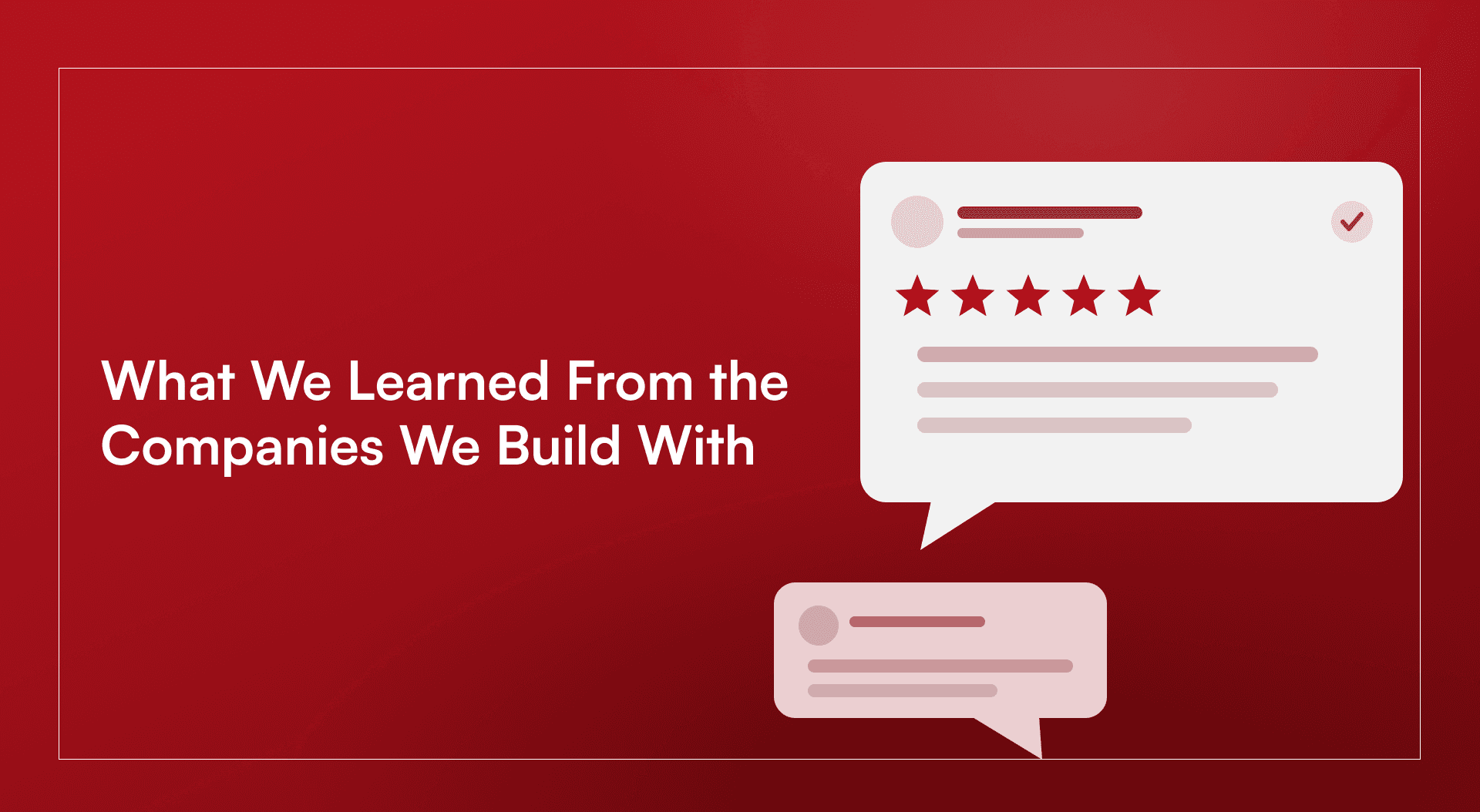
The products and industries differed, but every engagement added to our understanding of what companies expect from an engineering partner. More than a hundred verified reviews capture these experiences, with GeekyAnts holding a 4.9 out of 5 rating on Clutch at the time of writing. The rating provides one measure of these relationships. What clients say about the work reveals how those lessons continue to influence the way we design, engineer, and deliver products.
Different Products, Similar Expectations
Nomiss Technologies worked with us on product specifications, feature planning, UX design, wireframes, and application development. Its review highlighted the structure around the engagement, including regular syncs, meeting records, a shared feature list, and review checkpoints. These practices helped both teams maintain a common view of the product through development.
A German home energy system provider came to us with a different requirement. The engagement covered UI/UX design and the redevelopment of an application across web, Android, and iOS. When the project called for extra engineering capacity, we added resources to support the work.
Other engagements tell different stories. A fintech company credited our project and technical leaders with taking responsibility for their work while the team selected a technology stack and built a proof of concept for a new product line. In another engagement, a SaaS company worked with us on a web application that served three million visitors during the year following delivery.
Across these experiences, a pattern has taken shape. Clients expect technical skills, but the relationship takes shape through ownership, communication, visibility into the work, and the team's response when the project needs change.
Feedback Does Not End With Delivery
A shipped product closes one phase of an engagement. The experience leaves us with information that can shape the work that follows.
Client feedback gives us a way to examine how we plan work, document decisions, define ownership, review output, and manage security. Software development has changed as AI has entered planning, coding, testing, and documentation. This shift creates questions around specifications, human judgment, testing, and controls.
Our engineering practices continue to develop around these needs. Spec-Driven Development and the Agentic Development Life Cycle bring structure to AI-assisted product engineering, while security and compliance controls support the product process.
From Product Intent to Engineering Decisions
Spec-Driven Development, or SDD, uses specifications that capture product intent, expected behavior, technical constraints, and acceptance criteria. The specification gives engineers and AI systems a shared reference and connects implementation with the agreed product scope.
The Agentic Development Life Cycle, or ADLC, carries this structure across planning, implementation, testing, documentation, evaluation, and operations. AI agents can support work across these stages, while engineers retain ownership of architecture, security, quality, and release decisions. Human review points govern decisions that carry product, security, or business risk.
Security controls sit within the same product process. GeekyAnts holds ISO 9001:2015, ISO/IEC 20000-1:2018, and ISO/IEC 27001:2022 certifications. The GDPR compliance initiative is in progress, while SOC 2 is listed as an upcoming compliance initiative. The security framework covers discovery, design, development, verification, and operations.
SDD, ADLC, and these controls connect product intent with implementation, review, and governance. Engineers remain accountable for the decisions that affect the product.
Keep Listening, Keep Building
The companies we work with see our engineering process from a perspective that no internal review can reproduce. Their experiences tell us where communication works, where ownership matters, how teams respond to change, and which parts of an engagement need attention.
That makes client feedback part of the knowledge we carry from one engagement into the next. As AI changes software development, we will continue using those lessons to shape how we design, build, review, and govern products.