
Manual Testing Services (Functional and Exploratory Testing)
Share your requirements. Our QA team will follow up.










70%+
Reduction in regression testing time
90%
Test coverage for critical flows
60%
Faster release cycles
80%
Defects are identified early
50%
Reduction in manual testing effort
3x
Faster feedback loops
Our Capabilities in Manual Testing (Functional and Exploratory Testing)
Client Results and Success



Technology Stack for Automation Testing



Comprehensive Solutions for QA Engineering
Our Latest Thinking
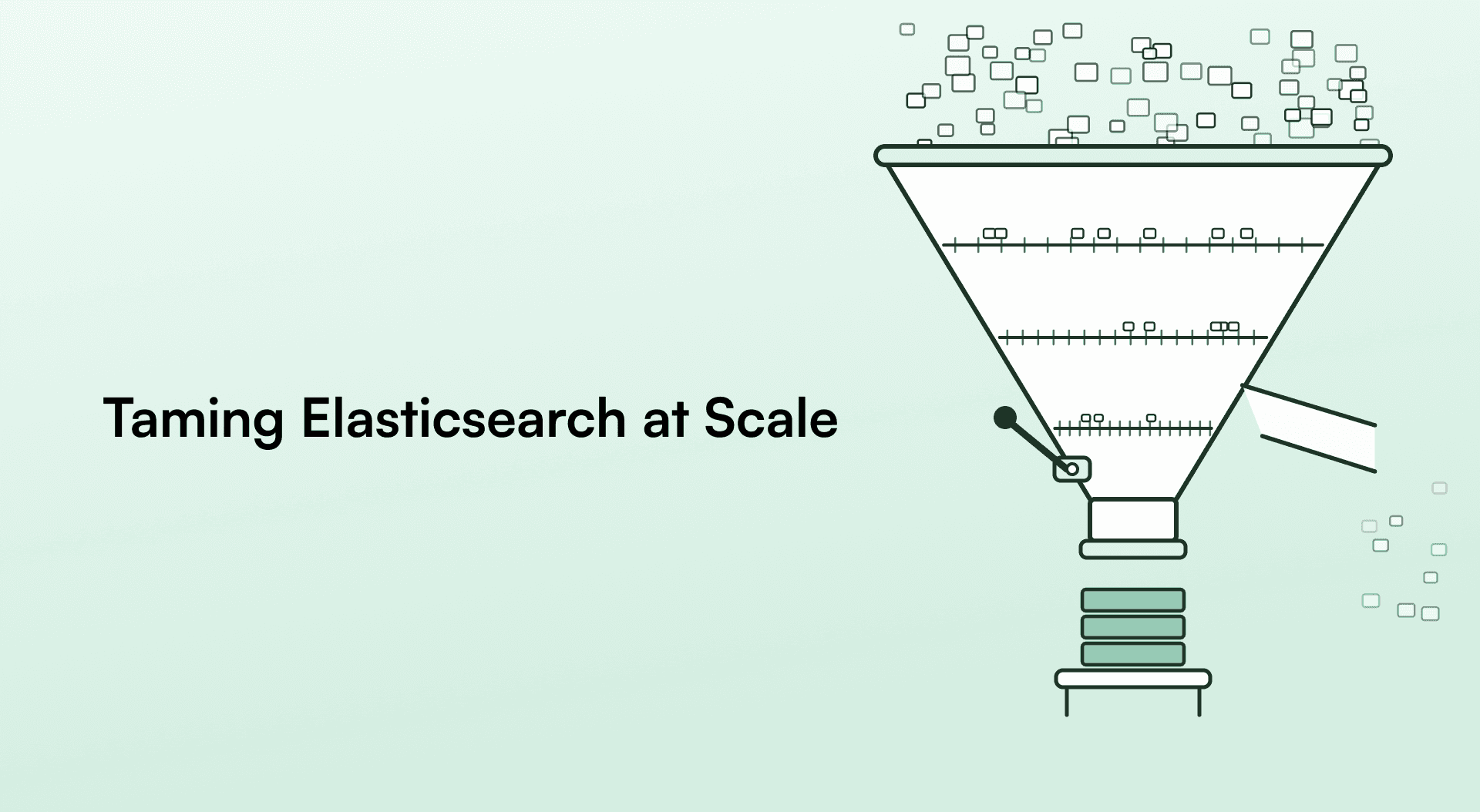
Taming Elasticsearch at Scale
Optimize Elasticsearch for millions of records with better pagination, leaner payloads, efficient filtering, faster ingestion, and frontend techniques that keep search responsive with increase in data.

GeekyAnts to Attend Money20/20 USA 2026 in Las Vegas as Fintech Enters Its Next Infrastructure Chapter
GeekyAnts will attend Money20/20 USA 2026 in Las Vegas as payments, cross-border finance, AI agents, fraud, and security reshape the infrastructure behind financial products.
Deep Linking for Mobile Apps(React Native) with NestJs, AWS CloudFront, S3 & ALB: A Complete Guide
Build a self-hosted deep linking and referral system for React Native without a third-party SDK. This guide covers Android App Links, iOS Universal Links, an S3 and CloudFront setup, and a NestJS backend that routes users to the right app store.

How to Choose an AI Product Development Company: 20 Questions About Production Experience, Security, Data, and ROI
A buyer's guide to choosing an AI product development company, built around 20 questions that separate production evidence from sales claims across architecture, security, data, cost, and ownership. It adds a 0 to 3 scoring method, a red-flag read, and a pre-signing checklist so a team can compare vendors on what they can actually prove.
How to Build a Payment Gateway: Cost, Architecture, Compliance, and Development Roadmap
Get insights on how to build a payment gateway with enterprise architecture, development costs, compliance requirements, security, and a practical development roadmap.
GeekyAnts Leadership Team Heads to TechCrunch Disrupt 2026 to Showcase AI-Native Product Development
GeekyAnts will exhibit AntFabric at TechCrunch Disrupt 2026 in San Francisco, bringing its AI-native workspace and product engineering experience to Booth E-8.
