
MVP with Custom-engineered Film Filters | SilverStack
See how SilverStack turned a film photography concept into a scalable MVP using custom camera filters, React Native, and rapid cross-platform development.




About the Client
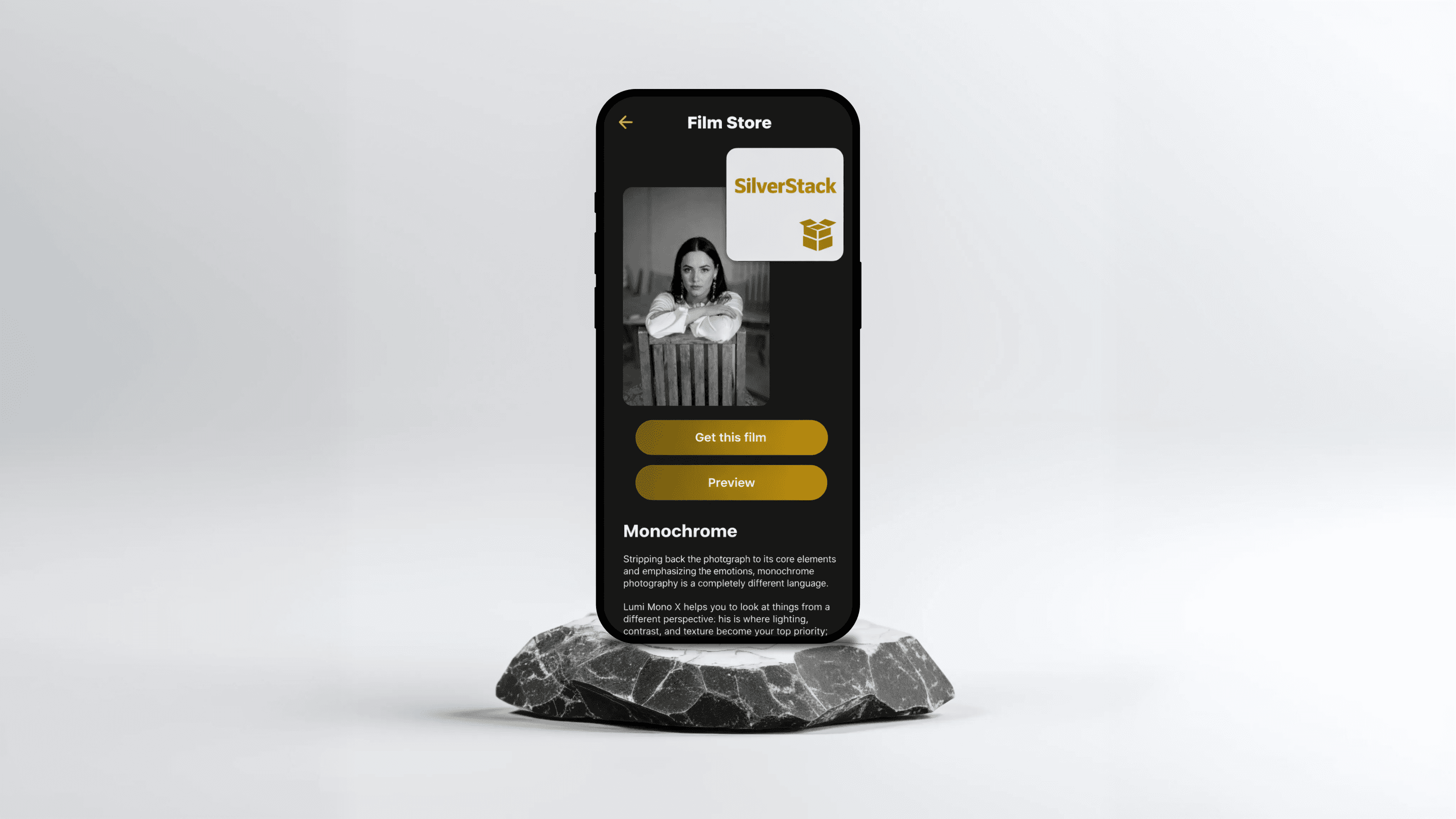
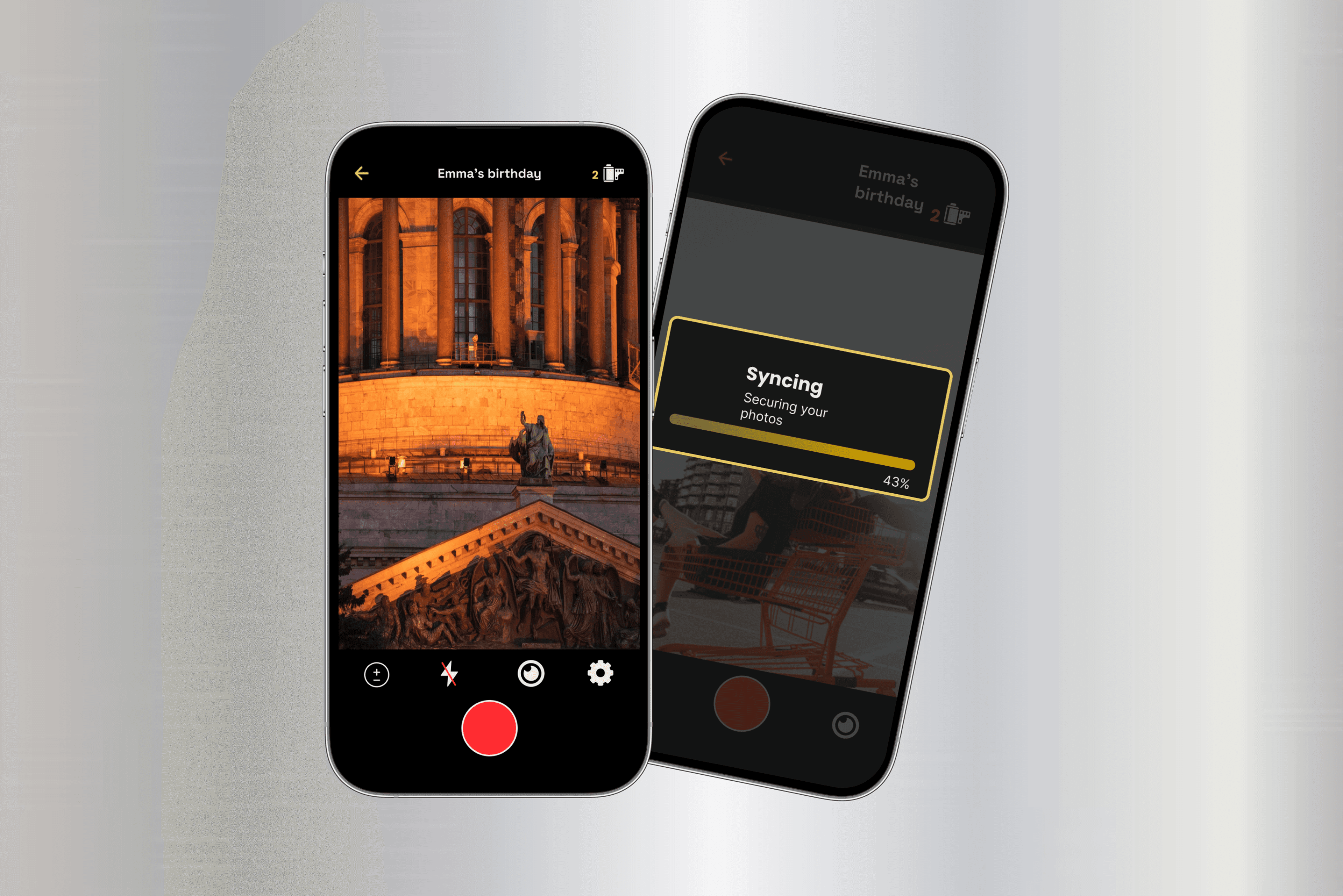
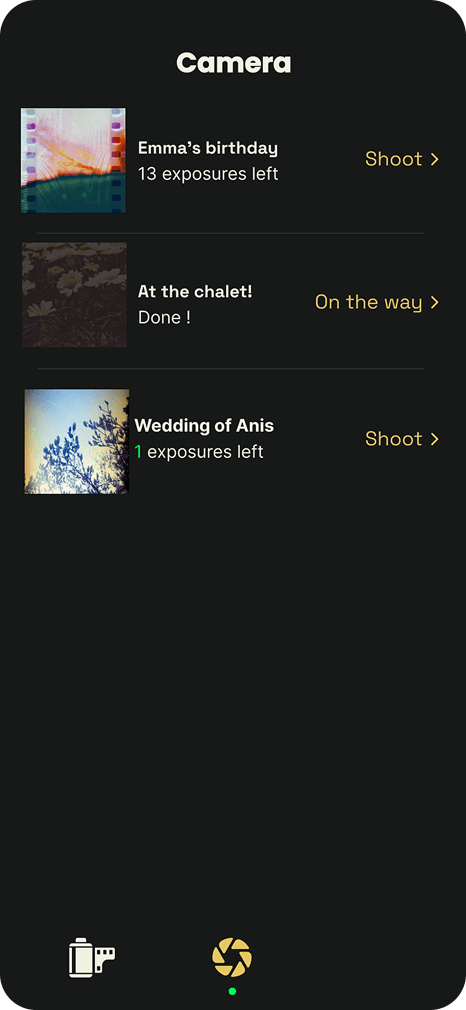
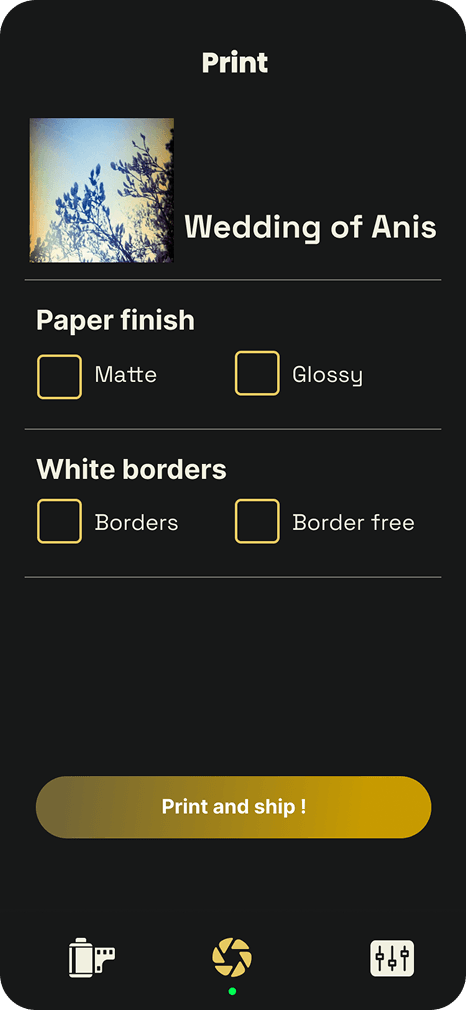
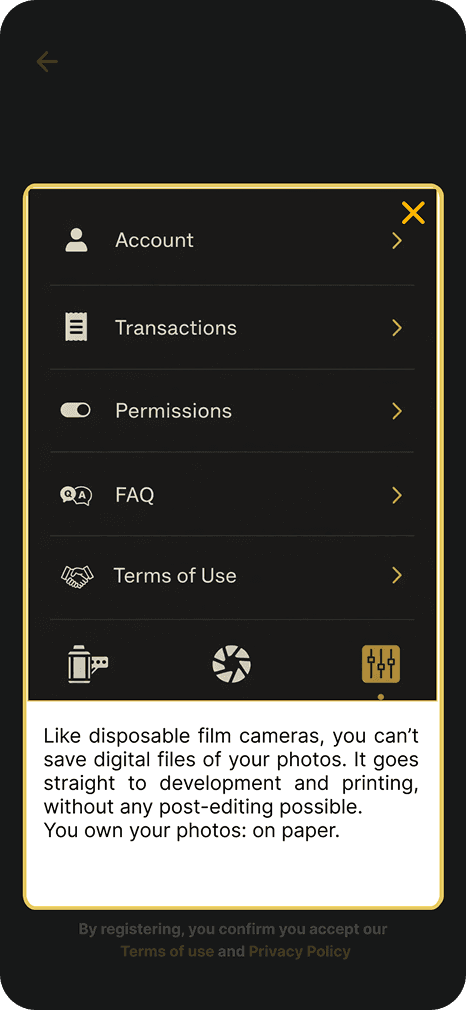
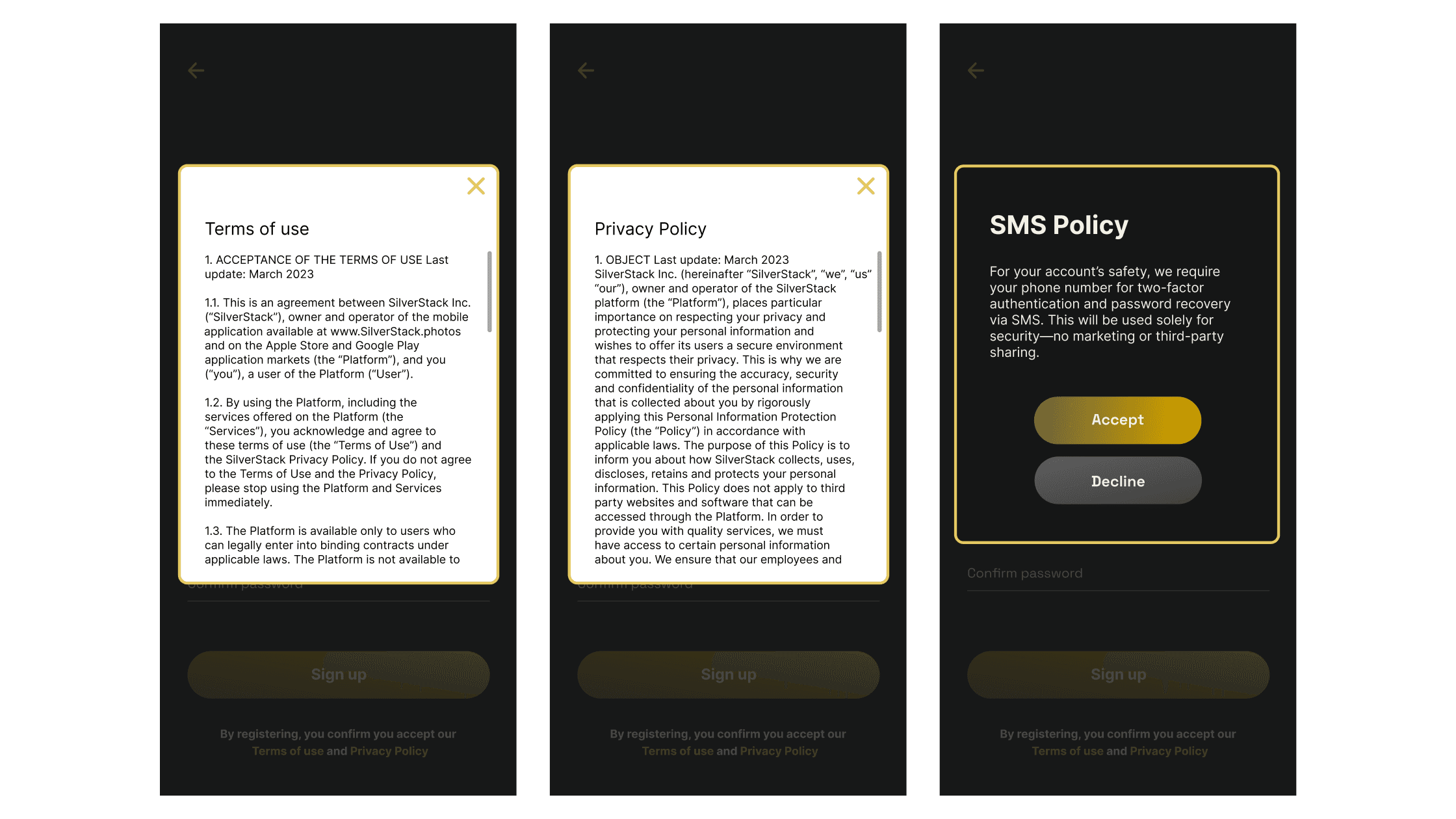
SilverStack is a Canadian company offering users digital photography tools that emulate the experience of film. Users purchase virtual film rolls, capture images via the app, and receive physical prints delivered to their doorstep. The platform manages the end-to-end journey from registration to physical fulfillment.
*All names and logos have been changed to respect the NDA*
About the project
Overview
The engagement focused on rapid experimentation and technical problem-solving to transform a concept into a market-ready product. GeekyAnts addressed complex camera and image-processing challenges while maintaining a lean development cycle suited for an MVP.
BUSINESS REQUIREMENT
The client required a cross-platform mobile application (Android & iOS) for international customers
Key Constraints:
- Limited initial budget and small team size.
- No existing product, system, or defined workflow.
- Requirement for rapid experimentation and frequent iteration.
CHALLENGES IN EXECUTION & SOLUTIONS
To address the challenge of escalating operational expenses, we conducted an audit of inherited infrastructure assumptions, realigning them with actual usage patterns to eliminate waste. This process targeted over-provisioned non-production environments, which were right-sized and converted to on-demand models, ensuring resources remain active only when necessary.
A systematic cleanup was initiated to identify and remove legacy and orphaned resources, utilizing a shared audit and approval tracking system to maintain transparency. To mitigate the risk of breaking production during these transitions, all modifications were executed through Terraform-backed rollouts, ensuring every change was evidence-based and reversible.
Unclear Requirements
Budget Constraints
Camera Performance
LUT Limitations
OUR SOLUTION
GeekyAnts adopted a highly adaptive development approach to accommodate evolving priorities. The team built the core architecture as a cross-platform app using React Native and Expo to ensure fast delivery. For the more specialized requirements, they utilized custom engineering to develop native patches and modules that support Look-Up Table (LUT) processing within the camera.
The solution included third-party integration of a robust stack for payments through Stripe, promotions via Vouchery, and taxes with Quadreno. To support the application, they established a scalable backend using AWS and managed all deployments via Expo EAS.
OUR APPROACH
We followed a phased, low-risk approach with clear milestones to ensure cost reduction without compromising system stability.
- GeekyAnts provided usability feedback and technical feasibility advice on client-led designs. Requirements were refined through regular meetings and frequent context switching to align with business goals.
RESULTS
The project resulted in a fully functional, scalable app prototype ready for market launch. The product matured sufficiently to secure future investment and phases, with the iOS app submitted for App Store review and the Android release pending final stabilization. The client awarded a 5-star Clutch rating and continues the partnership, expressing satisfaction with the project’s outcome and appreciating the team’s adaptability, proactive communication, and ability to deliver complex features with precision.
The collaboration continues with plans for SilverStack 2.0, including the introduction of new features and improved workflows. Future steps involve launching a managed beta phase post-Android release and dashboard development to expand the ecosystem with administrative tools.
The Right Conversation Can Save You Six Months
Contact us
More from our engineering work
Document Intelligence: Pillar Engine
We developed an AI-driven document intelligence platform that extracts answers and insights from large document repositories using LLM pipelines and automated workflows.
Read case study
Retail Platform for the Nordic Market
We re-engineered the infrastructure using a lightweight Kubernetes (K3s) architecture to make production MVPs scale-ready while keeping operational overhead low. The setup enabled automated deployments, environment parity, and cloud-agnostic scalability from day one.
Read case studyIndustrial SaaS: Digi Vendor
GeekyAnts built a SaaS platform for Digi Vendor using Next.js and Supabase—delivered in 12 weeks with 100% on-time launch, automation, and seamless user and admin experiences.
Read case studyA Mobile-First Wellness App
We built a mobile-first wellness app integrating tutorials, scheduling, and admin tools to enhance user engagement and simplify at-home workflows.
Read case studyPepperfry
We engineered a robust atomic design system that consolidated fragmented UI patterns and expanded responsiveness across five breakpoints.
Read case studyE-Commerce Web App For A Retail Giant
Developing an E-Commerce Web App & CMS with Shopify for a North American retail giant.
Read case study