

AWS to Azure Migration and Cost Optimization | AI-Powered Hiring Platform
How GeekyAnts built a blockchain-powered football management platform on Flutter Web — with a custom Web3 bridge, gasless transactions, and 5K+ concurrent users.


About the Client
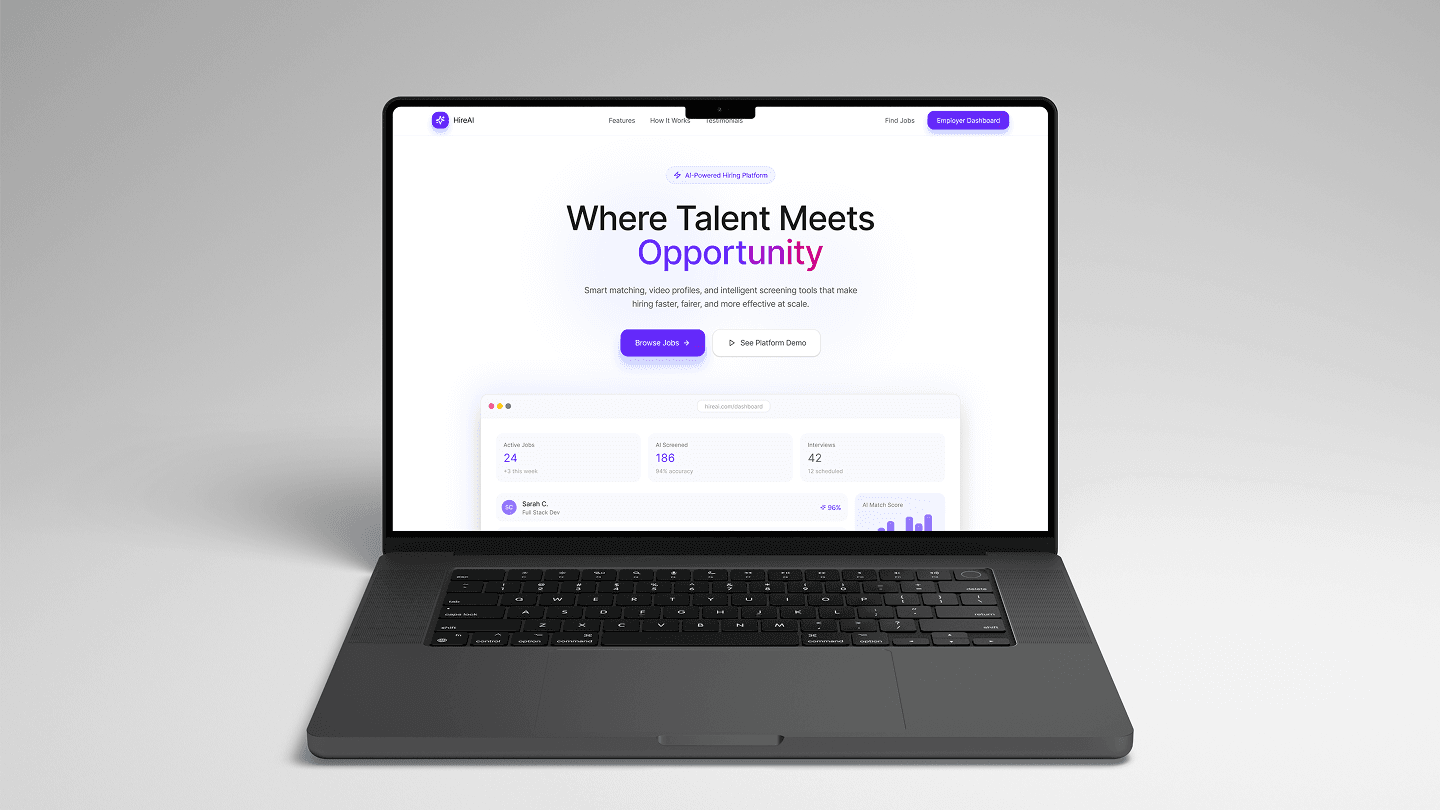
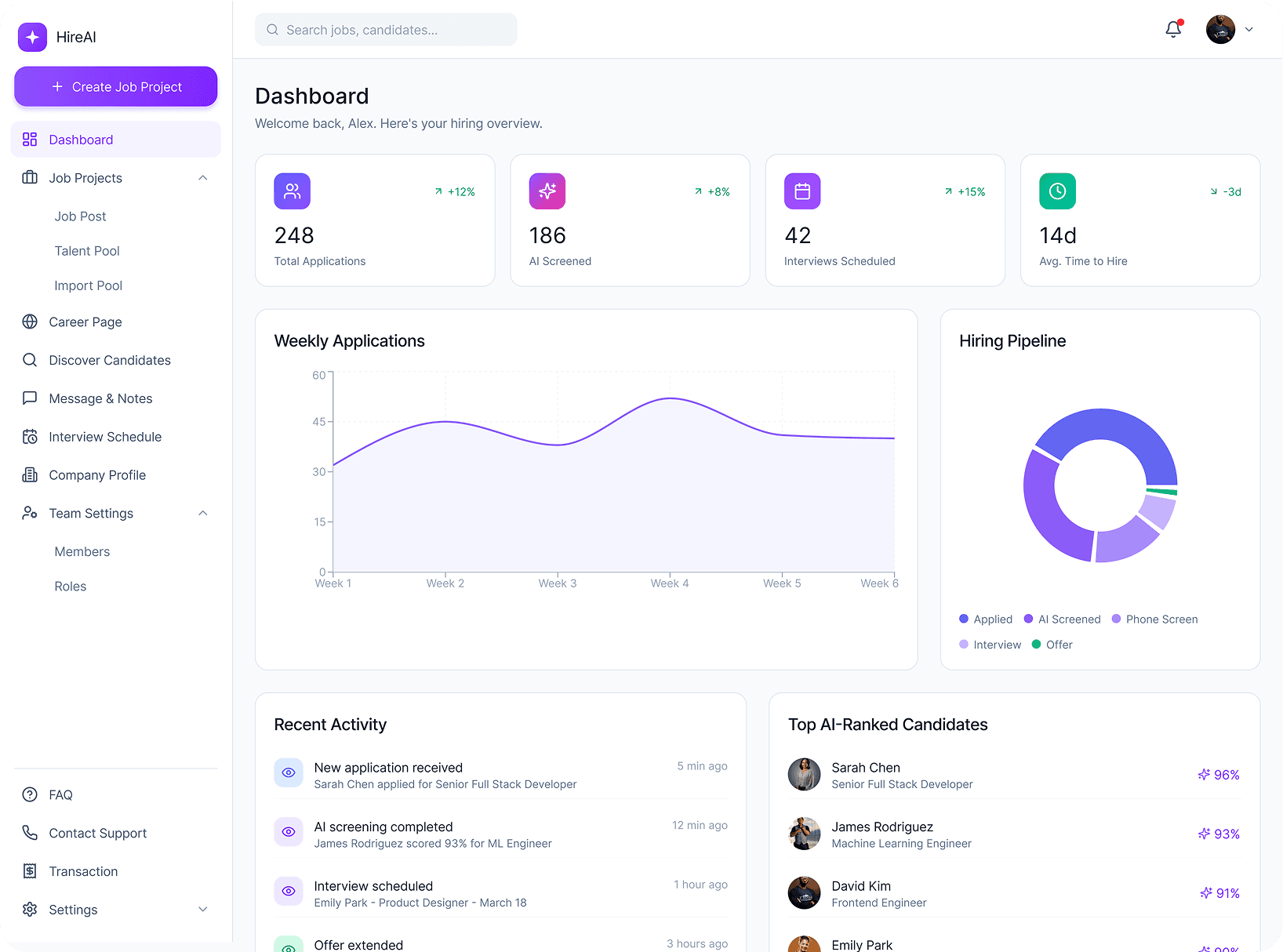
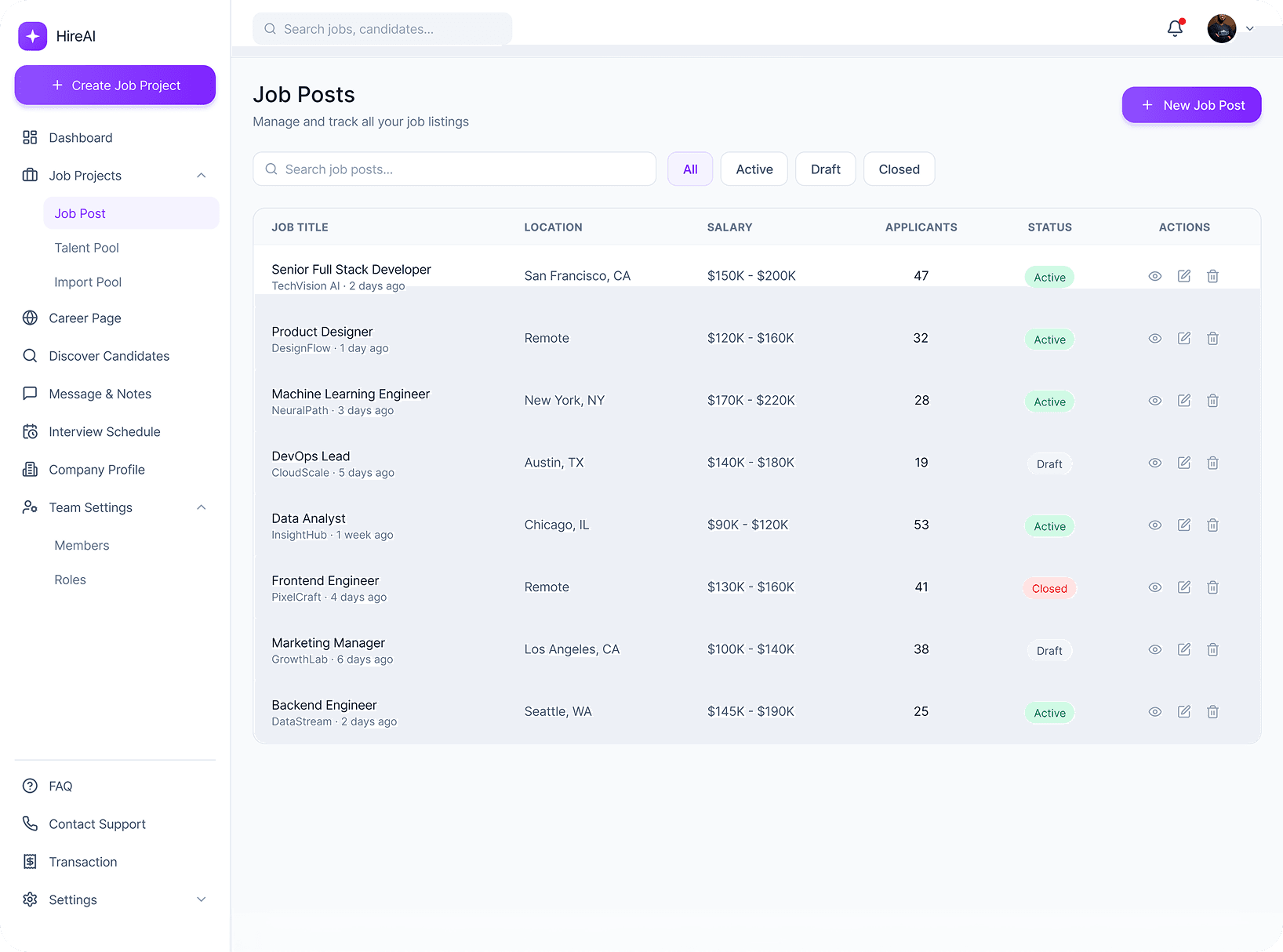
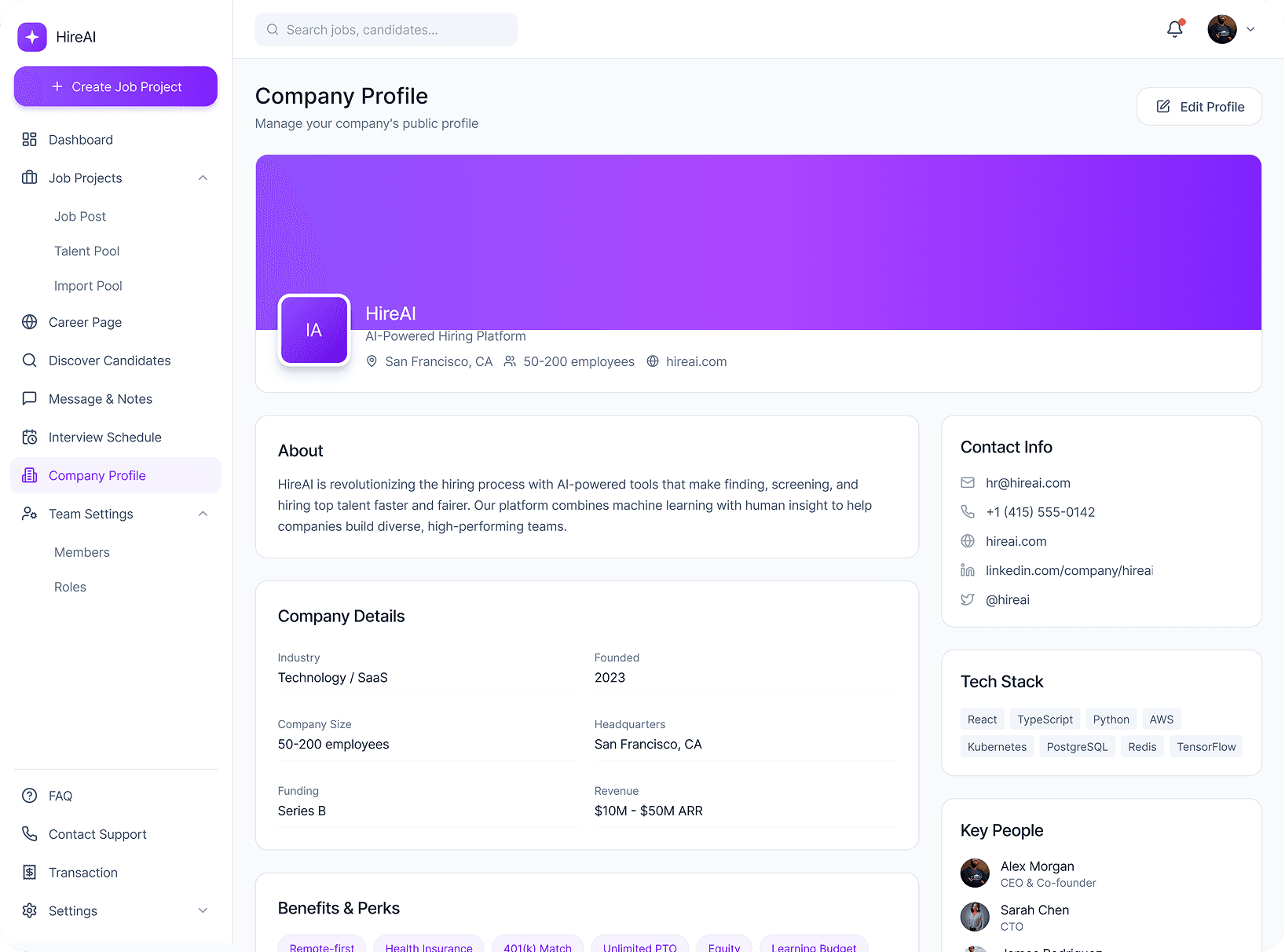
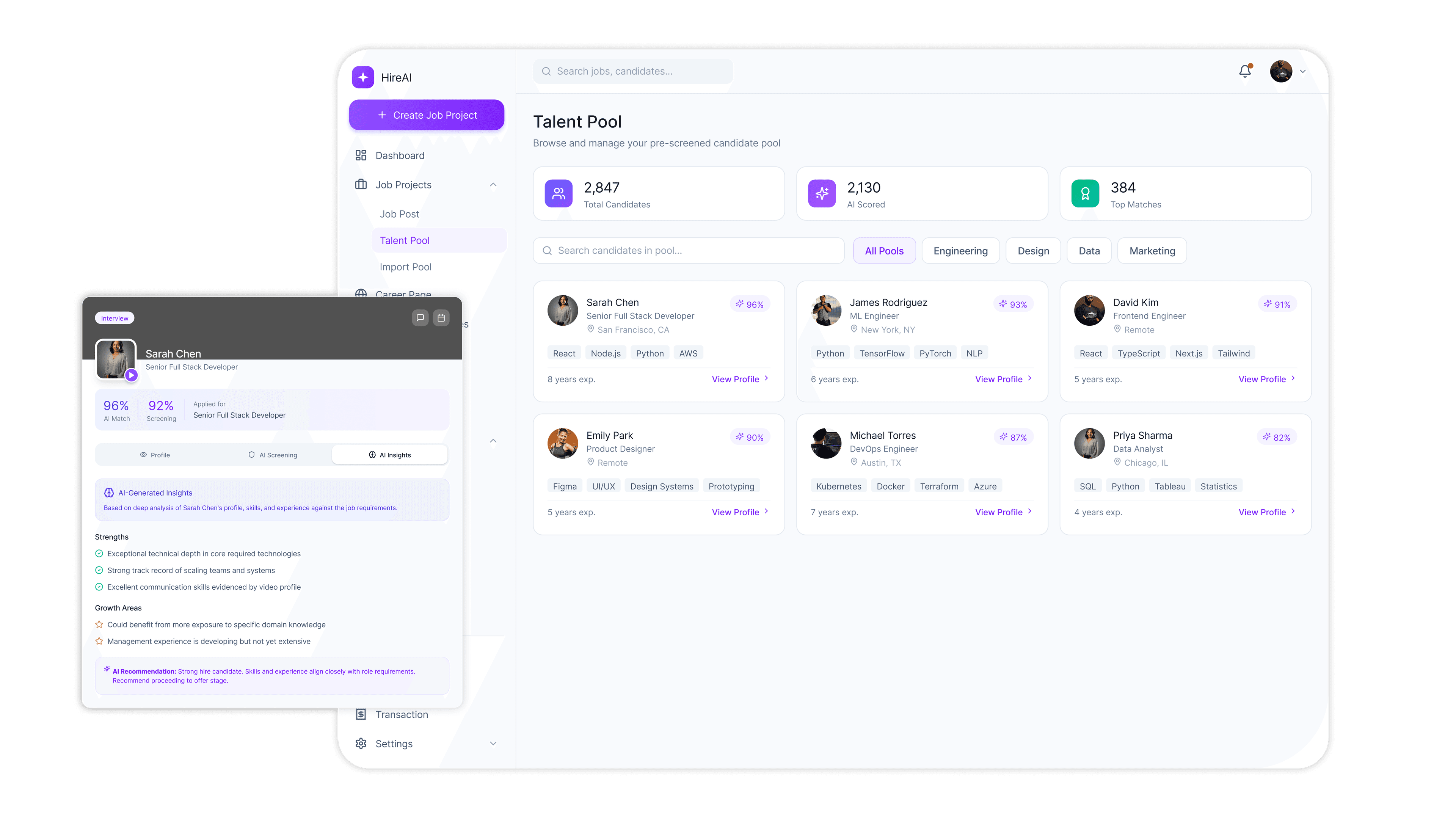
The client had an AI-powered hiring and job discovery platform built to simplify the way talent meets opportunity. They bridge the gap between employers and job seekers using smart matching, video profiles, and intelligent screening tools. Following our successful AWS to Azure migration, Geekyants further enhanced its infrastructure to make hiring faster, fairer, and more effective at scale.
About the project
Overview
The client’s over-engineered AWS EKS platform suffered from high cloud spend and poor visibility, with individual load balancers for every service stalling incident response.
We executed a strategic Azure migration in one week, with only one day of downtime, replacing the lift-and-shift approach with a leaner, redesigned architecture. This transformation slashed monthly infrastructure costs and replaced a reactive culture with a data-driven, production-grade platform that is easier to scale and monitor.
50%
Reduction in monthly infrastructure cost80%
Reduction in MTTR with monitoring and CI/CD pipelines.0
Reduction in MTTR with monitoring and CI/CD pipelines.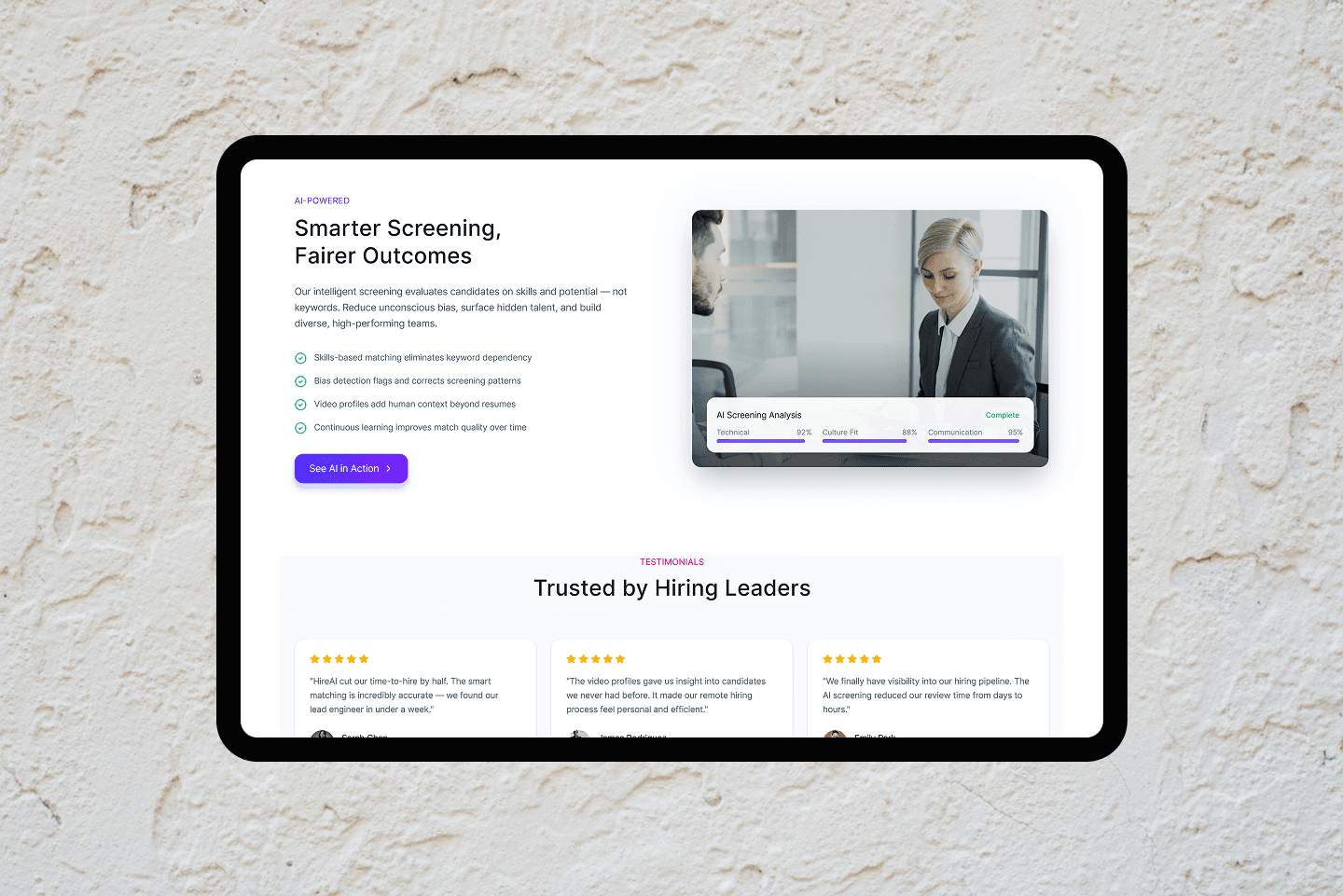
BUSINESS REQUIREMENT
The client needed a platform that could sustain growth without burning capital. Their existing setup was expensive, hard to operate, and lacked visibility, making it difficult to justify costs or respond quickly to incidents.
Key Requirements:
Reduce monthly cloud expenditure without sacrificing reliability
Improve operational visibility for faster incident response
Build a scalable foundation aligned with real traffic patterns
Migrate from AWS to Azure as part of their business decision
CHALLENGES IN EXECUTION & SOLUTIONS
To address runaway cloud costs and infra complexity, we streamlined the platform by decommissioning managed Kubernetes (EKS) and per-service load balancers in favor of right-sized Web Apps and VM-based deployments. This shift drastically reduced operational overhead by focusing only on essential business components.
To further harden and optimize the environment, we replaced bloated Docker images with secured, multi-stage builds and replaced manual, high-risk deployments with an optimized CI/CD pipeline featuring automated PR builds and real-time Slack alerts.
Runaway Cloud Costs.
Reduced infra complexity.
Bloated and Insecure Docker Images.
Manual and Risky Deployments.
OUR SOLUTION
We proposed a hybrid cloud-native architecture that uses the right level of abstraction for each workload—combining managed services with lightweight orchestration.
- Move frontend services to Azure Web App Services using existing Docker images
- Deploy backend services on Azure Virtual Machines with direct application hosting (no Kubernetes)
- Introduce endpoints monitoring and CI/CD pipelines to improve reliability and delivery speed
This solution intentionally avoided Kubernetes for backend services since scaling was not a business or technical requirement.
OUR APPROACH
We followed a milestone-driven approach to ensure fast delivery with minimal risk.
- Infrastructure audit and cost analysis
- Architecture redesign based on real traffic patterns
- Azure environment provisioning
- Migration and validation
- Endpoints monitoring, CI/CD, and optimization
- We analyzed the existing AWS EKS setup, mapped every service, and identified hidden cost drivers—especially the multiple Classic Load Balancers created per service. We reviewed traffic metrics and usage patterns to understand real-world load.This helped us answer critical questions:
- Which services truly need Kubernetes?
- Where is the money being burned?
- What level of scaling is actually required?
RESULTS
We transformed a costly and complex system into a lean and observable foundation for the product. By simplifying the architecture, we cut monthly infrastructure costs in half, dropping from $1,650 to $845.
This overhaul reduced complexity and incident response times, creating a much safer and more predictable deployment process. Most importantly, the team moved to a zero-touch operations model where intervention is only required if an automated alert triggers.
50%
Reduction in monthly infrastructure cost80%
Reduction in MTTR with monitoring and CI/CD pipelines.The Right Conversation Can Save You Six Months
Contact us
More from our engineering work
Simplifying Operations for Flexible Workforces
ShiftPilot helps businesses manage flexi-job workers, students, and temporary staff through connected scheduling, payroll, contracts, and automated Belgian employment declarations.
Read case study
AI-Powered Voice Interview Platform
We built an AI-led voice interview platform using GPT-4, WebSocket, and cloud speech technology to automate candidate screening.
Read case studyA Secure Casino Web Platform Built for KYC, Payments, and Geo-Compliance
Explore how GeekyAnts built an igaming casino web application with KYC verification, secure payments, real-time notifications, geo-compliance, Next.js, and AWS Amplify.
Read case studySPORTS FAN ENGAGEMENT PLATFORM
Discover how GeekyAnts built Chant, a fan engagement platform that unified memberships, ticketing, payments, and community experiences for sports supporters.
Read case studyDIGITAL ENTERTAINMENT COMPETITION PLATFORM
GeekyAnts built a video-based talent competition platform for a media and entertainment company and took it live on iOS and Android with 100% automated content moderation.
Read case studyEnd-to-End Event Management Platform with API-First Backend
A centralized event and hospitality operations platform built for ABC, consolidating key workflows into a single system.
Read case study