Manual Testing Services (Functional and Exploratory Testing)
Our manual testing approach validates core functionality, user workflows, and real-world usage scenarios, ensuring applications behave as expected. Through structured test execution and exploratory techniques, our QA engineers uncover critical defects, usability gaps, and edge cases to deliver stable, reliable digital experiences.
Share your requirements. Our QA team will follow up.


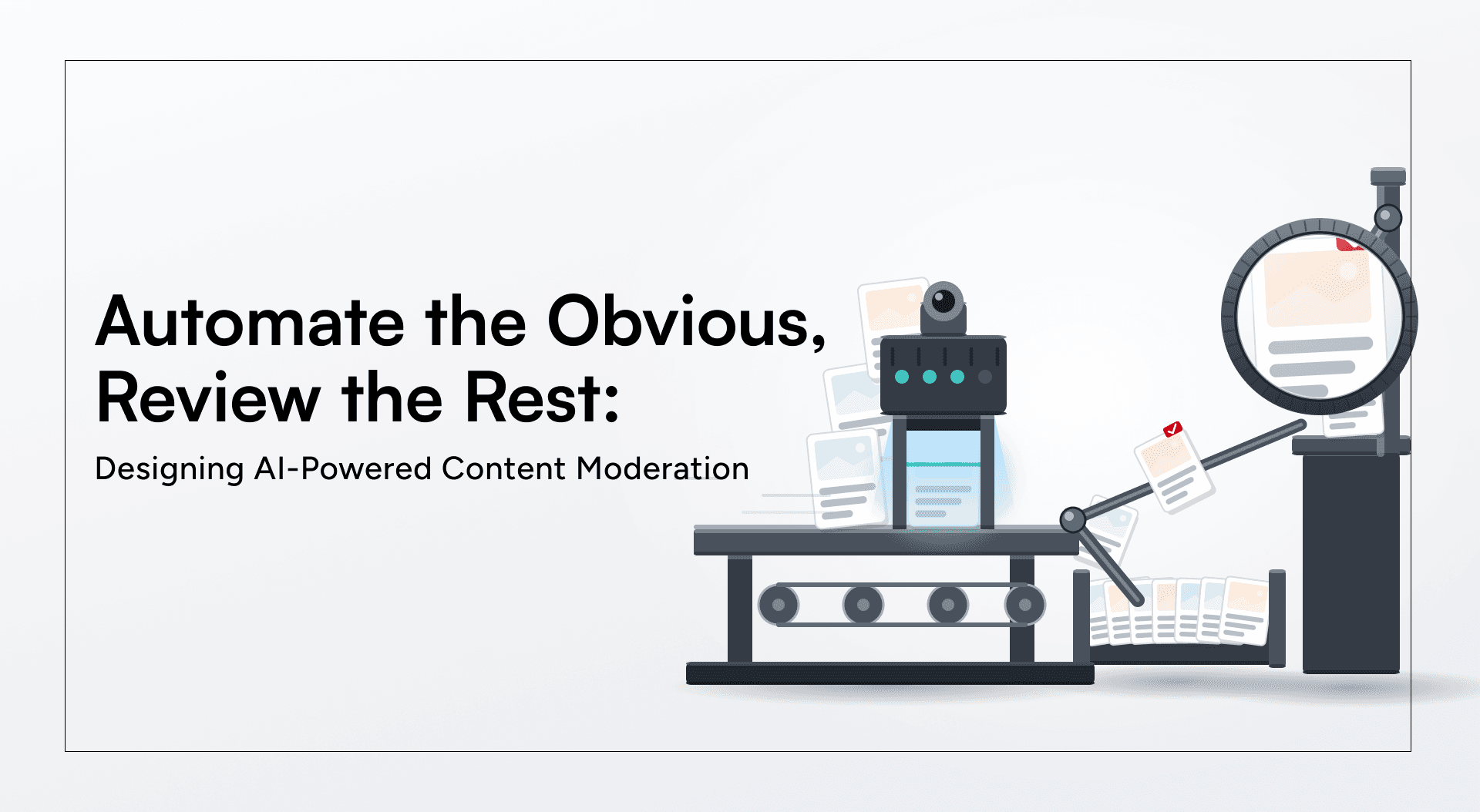
Manual testing sits at the human-centric core of quality assurance. Unlike automated scripts, it brings intuition, empathy, and exploratory rigor to the process of catching defects and experience gaps that tools alone cannot detect.
Our QA engineers go beyond test case execution to validate real-world usage, user alignment, and edge-case behaviour, ensuring every digital experience is stable, coherent, and production-ready.
70%+
Reduction in regression testing time
90%
Test coverage for critical flows
60%
Faster release cycles
80%
Defects are identified early
50%
Reduction in manual testing effort
3x
Faster feedback loops
Our Capabilities in Manual Testing (Functional and Exploratory Testing)
Our QA practice spans the full spectrum of quality engineering from test strategy and functional validation to performance, security, and accessibility.
Client Results and Success
We have partnered with 700+ clients across more than 50 industries to build systems that handle real-world scale. These stories show how we turn complex technical challenges into business growth and reliable performance.

High-performance and SEO-optimized healthcare platform
Rigorous QA cycles combined with performance optimization and Next.js architecture improved loading speed and overall platform reliability.
- performance score
- 100
- best-practice SEO score
- 100
- sec page load time
- 0.7

Improved security and authentication reliability
Automated testing and QA validation cycles ensured stable authentication across platforms and reduced compliance risks.
- Development Hours Saved
- 70%
- Boost in Security
- 80%
- Reduction in Compliance Risks
- 60%
Operational efficiency across fleet management systems
Integration testing and sprint-based QA ensured stable real-time data tracking and communication between system modules.
- week development timeline
- 6
- reduction in SMS notification costs
- 80%
Automated document processing and analytics at scale
Testing and iterative refinement ensured reliable AI-driven extraction and analysis across large document volumes.
- reduction in manual effort
- 99%
- pages processed in 2 minutes
- 10,000
- insight accuracy
- 85%+
Faster testing cycles with AI-driven validation
Automation and AI agents reduced manual validation overhead and accelerated testing cycles.
- reduction in manual validation cycles
- 50%
- faster testing cycles
- 30%
Technology Stack for Automation Testing
Every technology in our stack is selected to support scalable, reliable, and pipeline-ready quality engineering. From programming languages and automation frameworks to performance, security, and DevOps tools, each choice is deliberate, integration-ready, and built to scale with your development lifecycle.
- TypeScript
- Javascript

- Python

- java

- TestNG
- cucumber
- Data driven
- TestRail
- JIRA
- Allurereport
- k6
- apache streamline
- burp suite
- Owasp zap
- GitHub Actions
- Docker
- Kubernetes
- Jenkins
- BrowserStack
Comprehensive Solutions for QA Engineering
Our Latest Thinking
FAQs on Manual Testing (Functional and Exploratory Testing)
Manual testing is the process of validating software functionality, user workflows, and real-world usage scenarios through human-led test execution. It uncovers defects, usability gaps, and edge cases that automated scripts are not designed to catch. For applications where user experience and business logic are critical, manual testing is an essential layer of quality assurance.
Functional testing validates that an application behaves according to defined requirements and business workflows. Exploratory testing is an unscripted approach where QA engineers investigate the application to uncover hidden defects and experience gaps. Both techniques complement each other to deliver comprehensive test coverage.
Manual testing is the right choice for usability evaluation, exploratory coverage, and scenarios where human judgment is critical. It is also suited for short-term projects, early-stage products, and test cases that are too complex or dynamic to automate. A balanced QA strategy typically combines both manual and automated testing.
Applications with complex user journeys, frequent UI changes, or high usability requirements benefit most from manual testing. This includes enterprise software, consumer-facing products, e-commerce platforms, and healthcare applications where accuracy and user experience are non-negotiable.
Manual testing integrates into agile workflows through sprint-based test execution, exploratory testing sessions, and continuous defect tracking. QA engineers collaborate with developers and product teams to validate features at each sprint cycle, ensuring quality is maintained without slowing down release velocity.
Risk-based testing prioritizes test execution based on the likelihood and impact of defects in specific areas of the application. It ensures that critical business workflows and high-risk features receive the most testing coverage. This approach optimizes QA effort and reduces the probability of critical defects reaching production.
The effectiveness of manual testing is measured through defect detection rate, test coverage, defect leakage, and mean time to detect. Reporting tools such as Allure Report and TestRail provide visibility into test execution progress and quality metrics. These insights guide continuous improvement in the QA process.
Manual testing checkpoints can be embedded into CI/CD pipelines as quality gates before deployment. While automated tests run continuously, manual testing is triggered at key release milestones to validate critical workflows and user experience. This ensures quality is enforced at every stage of the development lifecycle.