
Enterprise Software Development Services
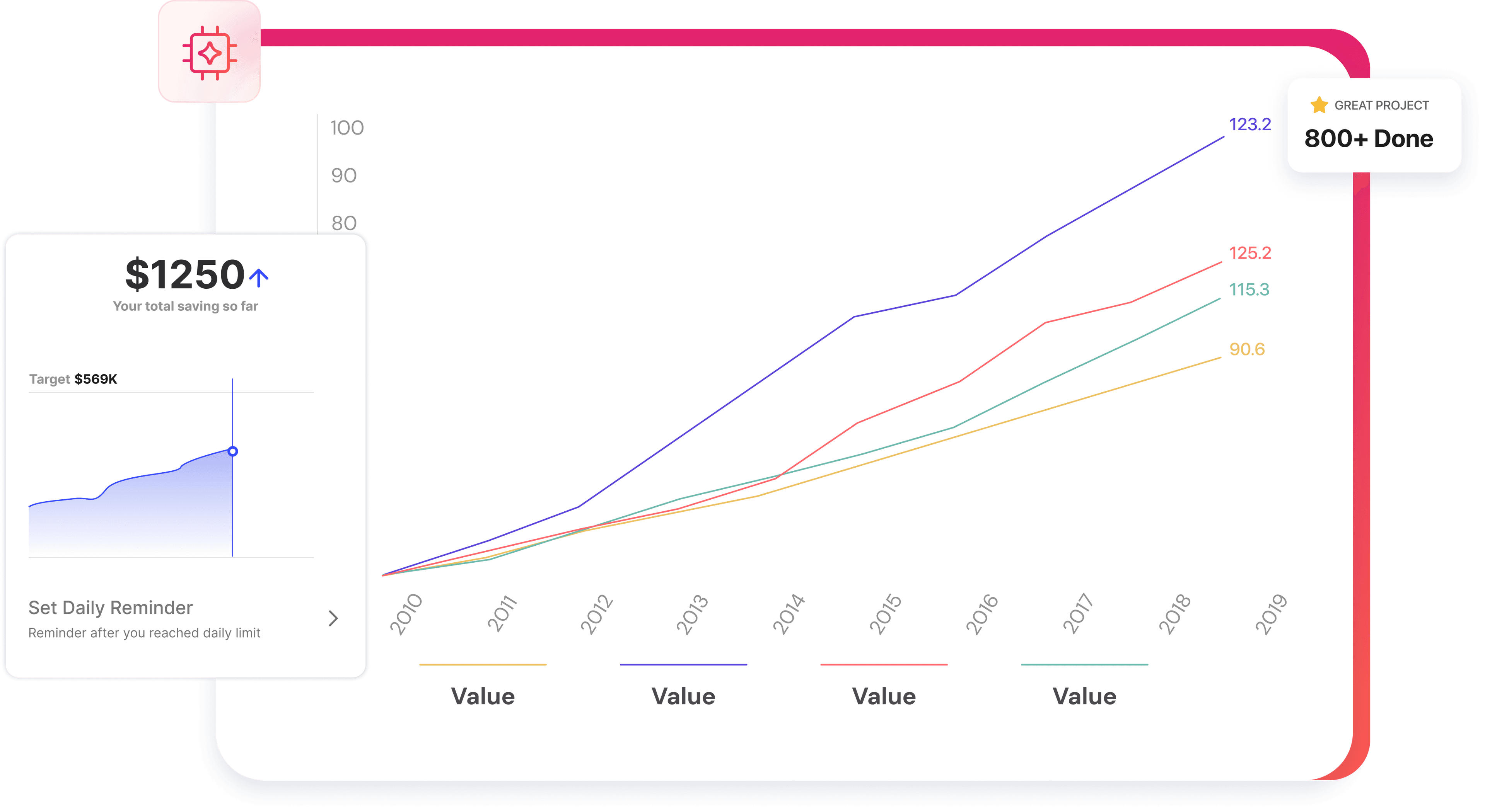











Impact We Have Made

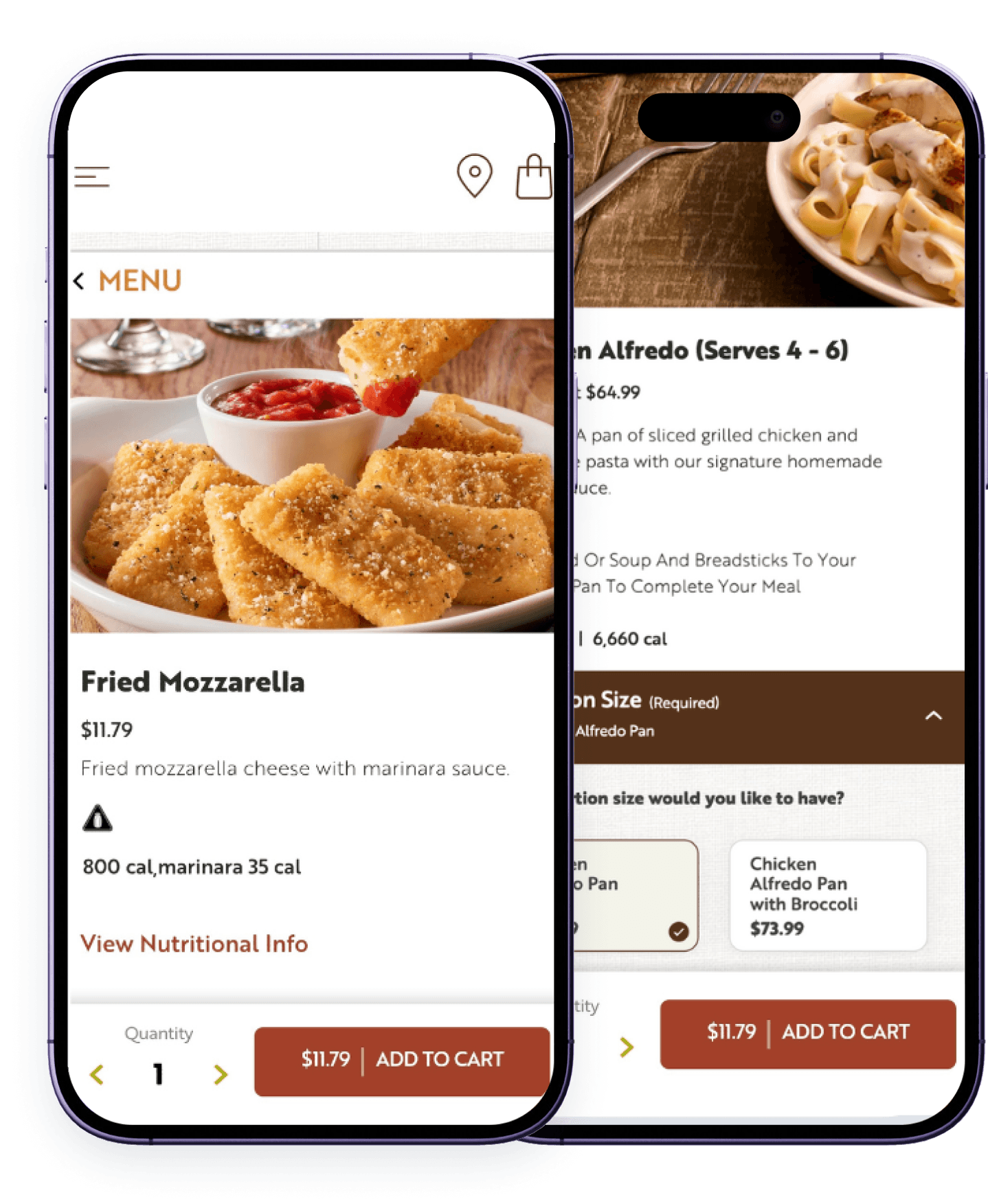
Darden
We partnered with Darden Restaurants to develop a user-friendly mobile app, resulting in increased customer engagement and loyalty.
1.6M+
Loyal Users
16
Apps with Sturdy Codebase
5%
Increase in User Satisfaction
Our Suite of Custom Enterprise Software Development Services
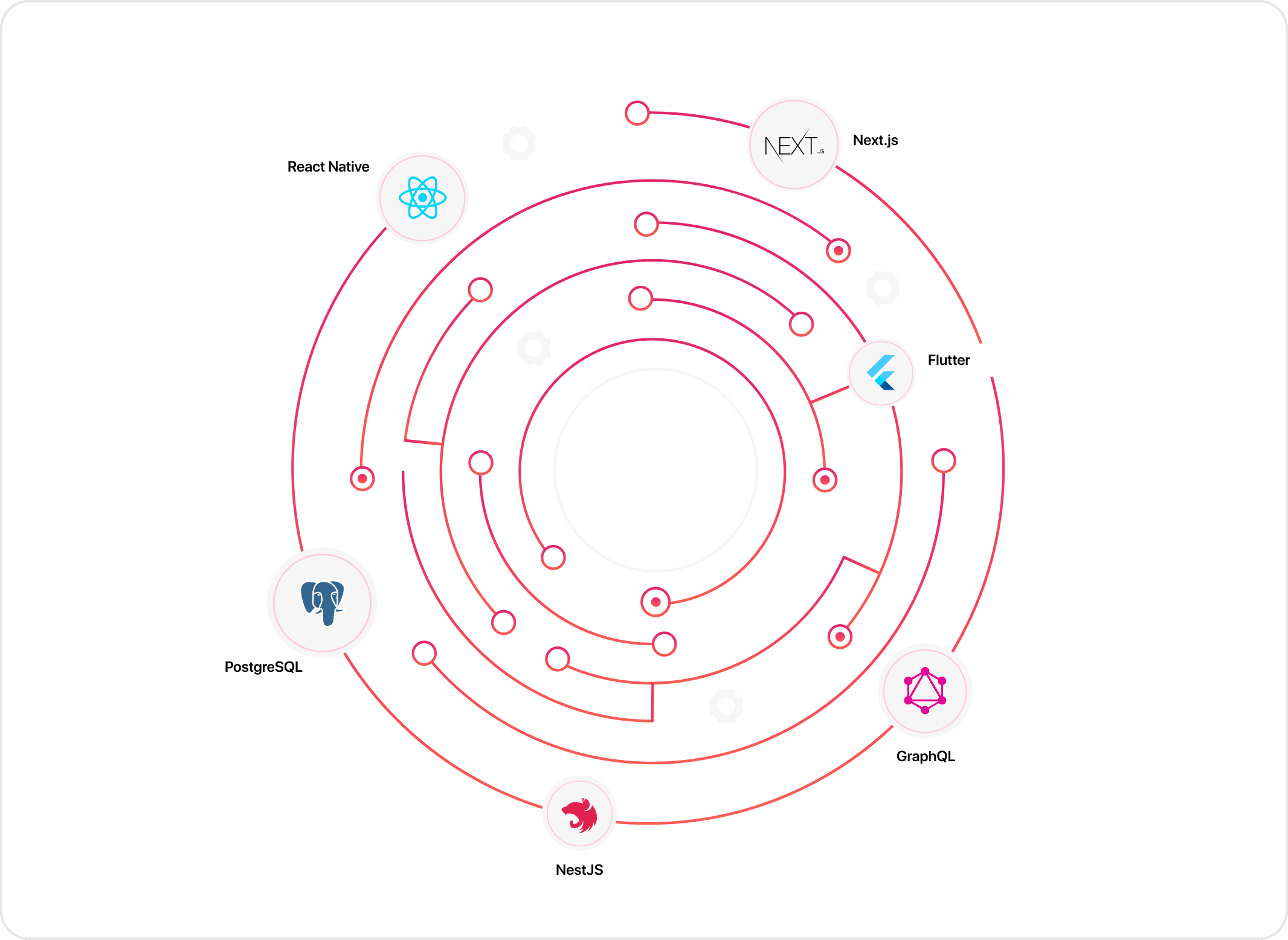
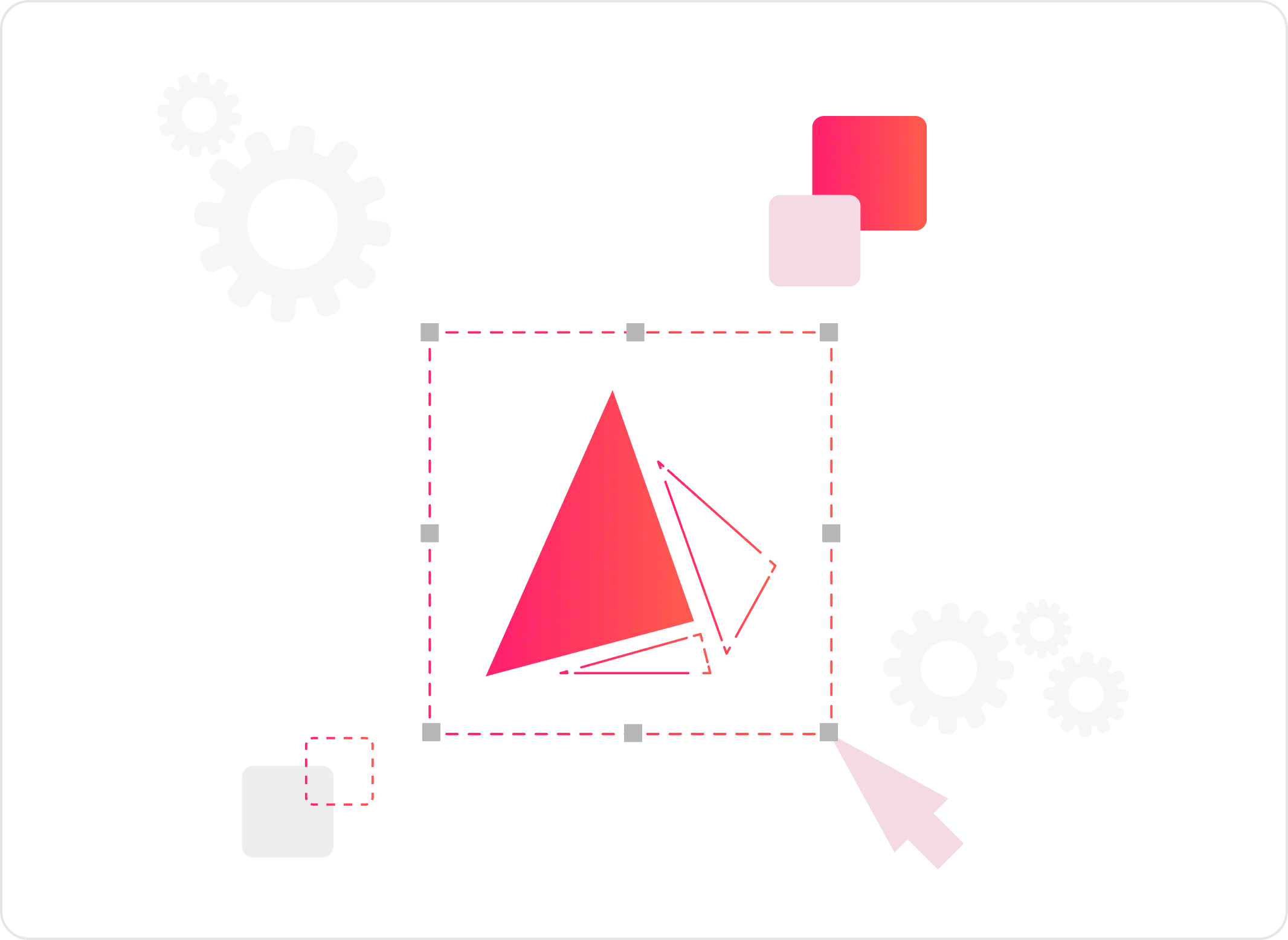
Our Custom Enterprise Software Development Solutions

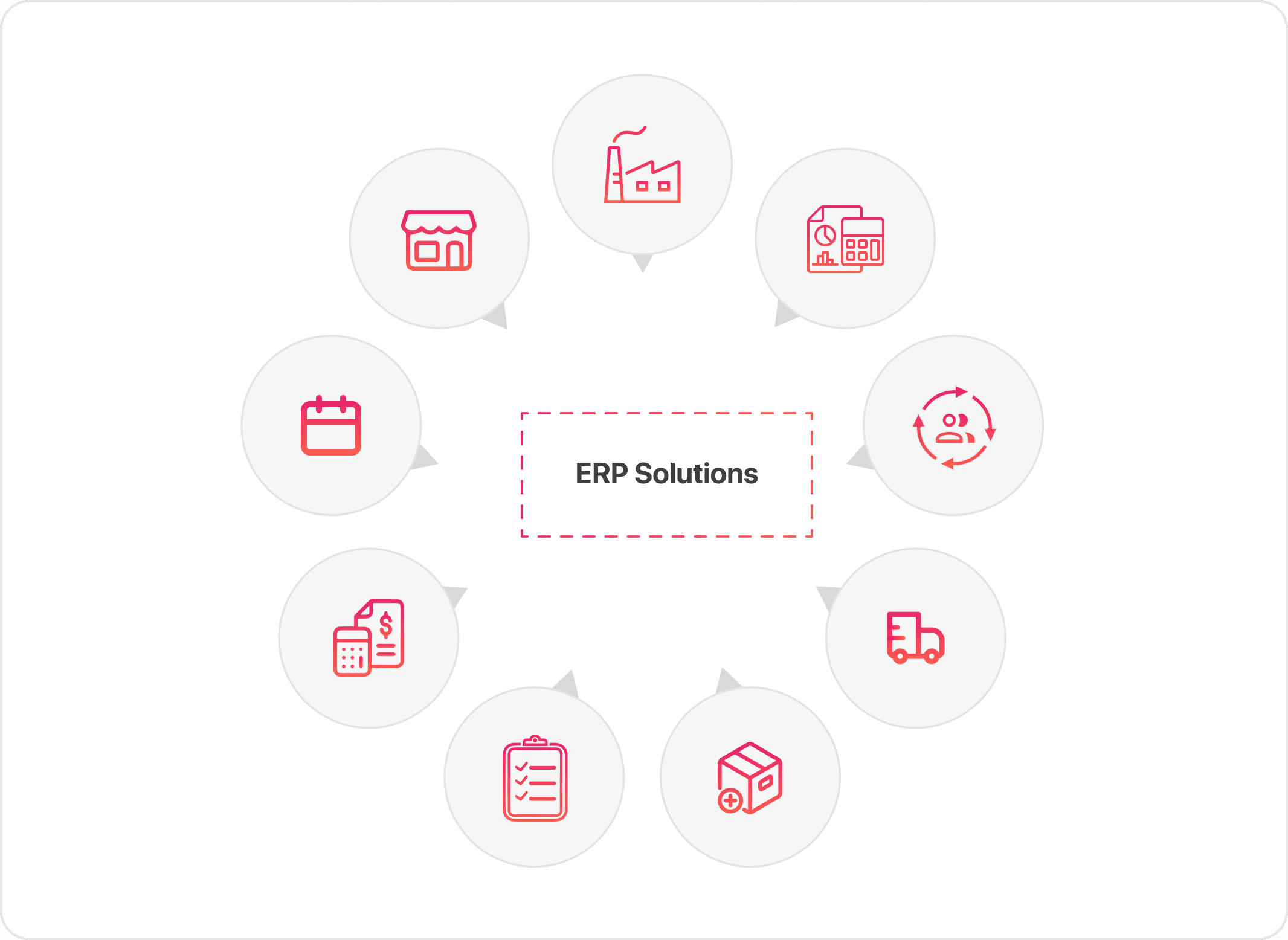
Enterprise Resource Planning (ERP)

Customer Relationship Management (CRM)

Supply Chain Management (SCM)

Human Capital Management (HCM)

Content Management Systems (CMS)

Learning Management Systems (LMS)

Data Analytics and Business Intelligence Tools

Project Estimation Builder

Project Management Software




Our Clients Love Us
"They anticipated potential problems and recommended solutions. This a rare skill."
- Project Director, Digital Transformation, AirOps


Tech Partnerships Built on Trust

Book A Free Discovery Call
Contact us
Learn More About our Custom Enterprise Software Development Services
- Project complexity: Features, functionality, and integrations all contribute to cost. Simpler applications cost less than those with complex features like AI or machine learning.
- Team location and experience: Developer rates vary by region and seniority. Highly experienced teams will cost more than less experienced teams.
- Development approach: Traditional development is often more expensive than using low-code platforms or cloud-based solutions.
A ballpark range for custom enterprise software development is $100,000 to $750,000. However, for a more accurate estimate, it's best to consult with a service provider to discuss your specific needs.
Other parameters to judge are:
- Expertise and Experience
- Communication and Collaboration
- Project Management Methodology
- Security
- Scalability and Flexibility
- Cost and Value
- Support
The chosen development methodology also impacts the timeline. Agile development often leads to faster iterations and potentially quicker completion.
- Refactoring: Updating the application's codebase to use modern technologies without changing core functionality.
- Re-platforming: Migrating the application to a new platform, like the cloud, for improved scalability and security.
- Rebuilding: Completely redeveloping the application with modern tools and technologies, potentially with a new user interface.
The best approach will depend on the specific application and your business goals.
- Increased Efficiency: Track time saved from improved workflows and automation.
- Reduced Costs: Calculate savings from lower maintenance costs and improved resource utilization.
- Enhanced Productivity: Measure employee output improvements due to the modernized application.
- Improved Customer Satisfaction: Track metrics like customer satisfaction surveys and support ticket volume.
Enterprise Software Development

Cloud ERP Integration with AI Process Automation: Real-Time Decision-Making for US Companies
Modernize your enterprise with Cloud ERP and AI process automation. This guide explores using Event-Driven Architecture and Agentic AI to reduce "time to decision," cut costs by 80%, and enable continuous financial close. Follow our 30/60/90-day implementation roadmap to transform static records into real-time operational insights.
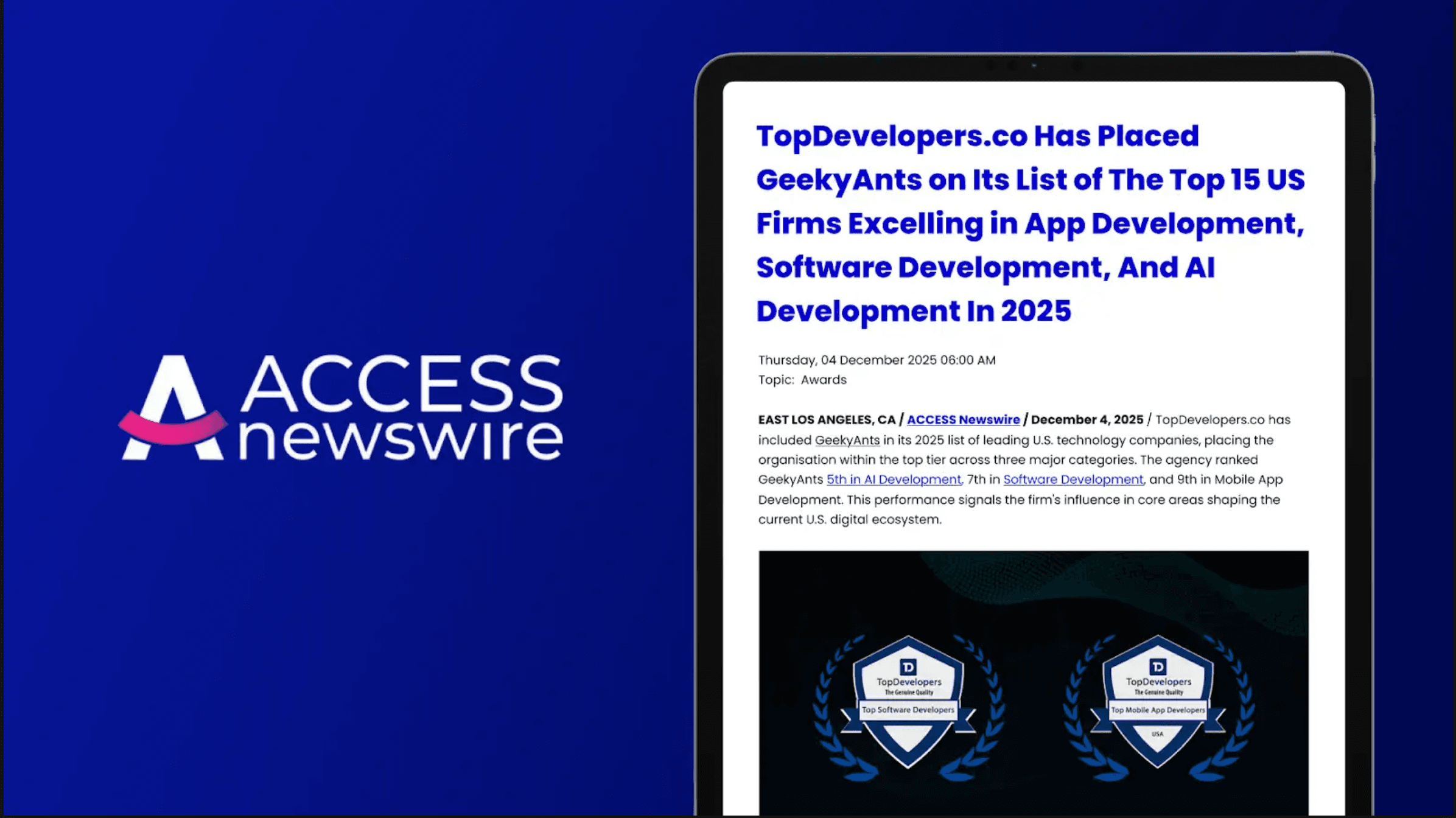
We Break Into the Top 10 for AI and Software Development in the US
Recognized by TopDevelopers.co, GeekyAnts secures a Top 10 ranking in AI and software development for delivering scalable, high-impact digital solutions.
Agentic capabilities available within AWS that worked for Pillar Engine
See how AWS Bedrock and Strands Agents power Pillar Engine’s autonomous workflow automation, cutting manual work and accelerating decision-making across enterprise teams.
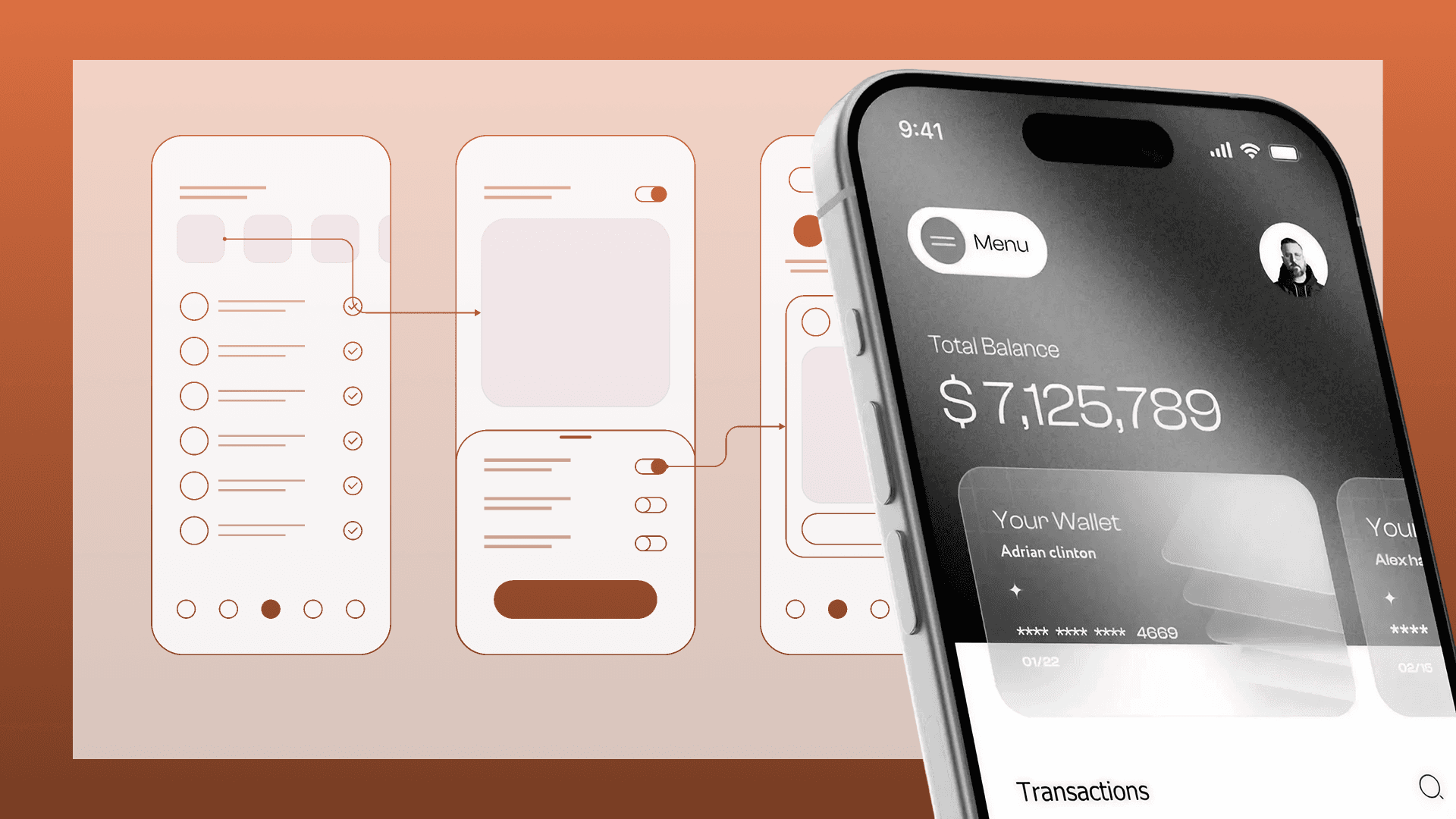
Personal Finance App Development Cost Guide for Startups
Explore personal finance app development costs in the U.S. From MVP to AI-driven builds, compliance, team rates, and budgeting strategies for fintech startups

Loyalty Program Software Cost Guide for U.S. Restaurants (2026 Edition)
A cost guide for U.S. restaurants that breaks down loyalty software pricing, hidden fees, reward funding costs, and the factors that truly drive ROI as brands scale in 2026.

Loyalty Software Program for U.S. Restaurant Chains: From Points to Lifestyle Brand
Build vs buy loyalty software for U.S. restaurant chains. Learn how loyalty platforms drive retention, data ownership, POS integration, and long-term growth.
