Health Information Exchange Platform Development
Health Information Exchange Platform Development Services
Healthcare Information Exchange Challenges We Help Solve
Patient Records Across Systems
Patient records are often spread across hospital laboratories, radiology systems, and other clinical sources, making it difficult to review a patient's complete medical history. We make relevant patient information easier to access and review in one place.Different Clinical File Formats
Hospitals receive HL7 ADT messages, C-CDA documents, laboratory results, and radiology feeds in different formats. Without consistent validation and transformation, teams struggle to use that information across connected clinical applications. We help teams work with these different types of data together.Clinical Data Without Context
Individual clinical files capture patient events but do not always show how they relate to daily facility operations. We help healthcare teams understand activities such as admissions, discharges, and readmissions.Limited Facility-Payer Visibility
Facilities and payers may have different permissions to access patient records, encounters, and clinical file updates. Unclear access boundaries and file statuses can make it difficult to know which information is available. We help authorized users view the records and delivery statuses relevant to their roles and workflows.Difficulty Tracing Original Records
When patient records contain incorrect or missing details, teams may struggle to identify which clinical file caused the discrepancy. We help them trace the affected information to its original source, making it easier to investigate errors and processing failures.Delayed Clinical Data Updates
Delays in processing clinical feeds can leave teams working with outdated patient records and care events. We help them access more current information as new updates become available.
Why Choose GeekyAnts as Your HIE Software Development Company?
Healthcare Data Engineering Experience
Experience With Real Clinical Data
Patient-Centric Engineering Approach
Understanding Facility-Payer Workflows
Focus on Data Accuracy and Traceability
Interoperability-Focused Architecture

Learn How to Modernize Healthcare Systems and Protect Patient Data
1M+
Concurrent Users Supported
40%
Reduction in Onboarding Time
35%
Improvement in doctor efficiency for treatment planning
20+
Dedicated Healthcare Engineers
10+
Healthcare Projects

Our Healthcare Software Development Experience

Secure Patient Communication for Marigold Health
- Applications for patients and healthcare professionals
- 2

JFIT Wellness Marketplace Across iOS, Android, and Web
- Expert categories live across 2 country markets
- 4
- Mobile screens across client, expert, and admin apps
- 104
Real-Time Diabetes Care Platform for GluconGuide
- Connected apps for nurses, children, and parents
- 3
- Health signals tracked in real time
- 5

Find Out Where Your Healthcare Data Exchange Needs Improvement
Health Information Exchange Software Development Services
HL7 and Clinical Data Processing
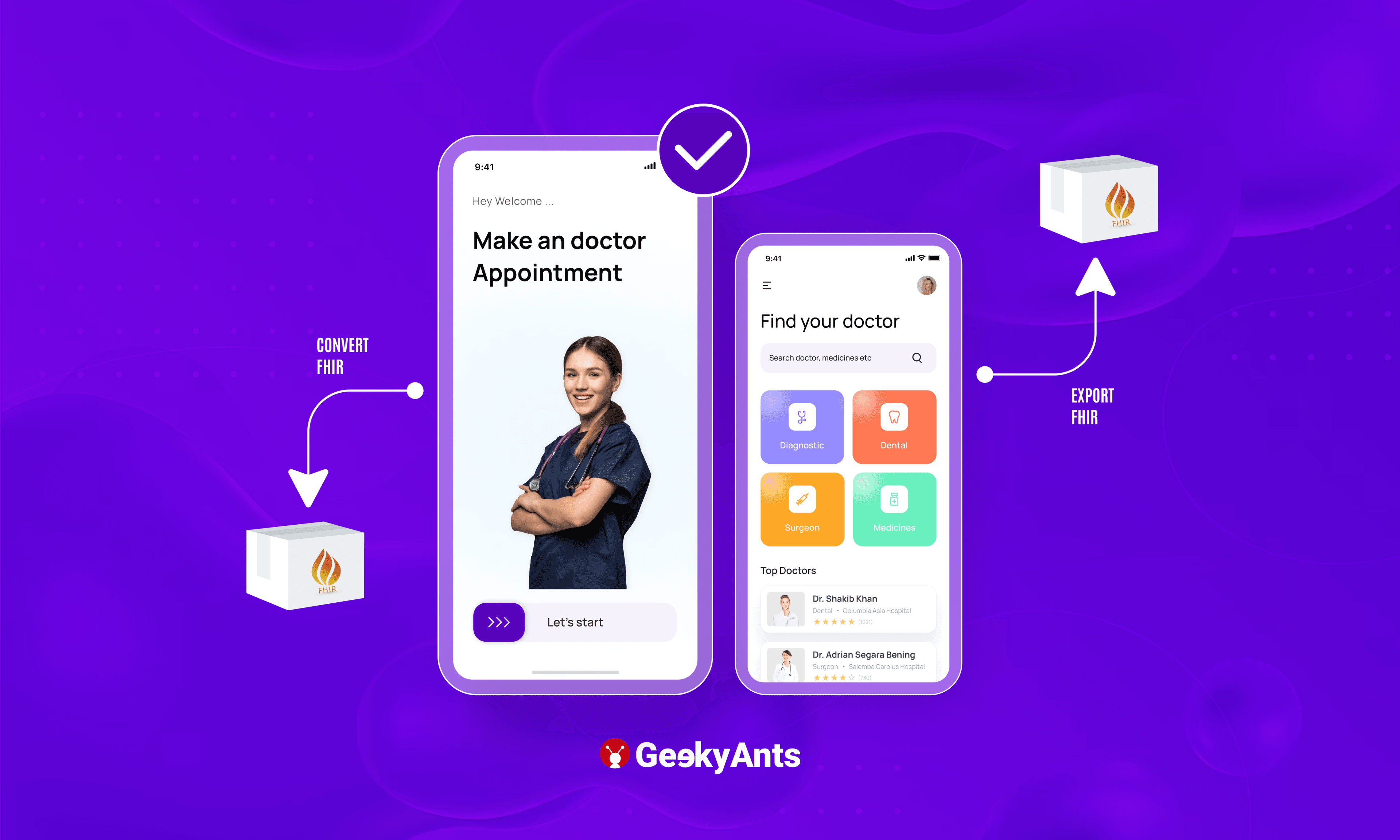
Patient Records and FHIR Integration
Patient Events and KPI Dashboards
Facility - Payer Data Exchange Platforms
EHR Modernization and File Tracking
Technologies We Use for Healthcare Data Exchange
- React

- Next.js

- Angular

- TypeScript
- React Native

- Flutter

- Document processing
- Retrieval
- Workflow orchestration
- Model evaluation
- Monitored outputs
- Human review paths
- Functional testing
- API testing
- Integration testing
- Performance testing
- Regression testing
- Accessibility testing
- Automated testing
- CI/CD
- Separated environments
- Identity and access management
- Encryption
- Audit logging
- Monitoring
- Alerting
- Recovery testing
Cross-Industry Engineering Expertise for Health Information Exchange
Healthcare Data Exchange Engagement Models
Platform Audit and Assessment
- Clinical data flow review
- HL7 and FHIR format checks
- Access and security review
- Prioritized integration plan
Integration and Build Sprint
- Scoped integration backlog
- Cross-functional delivery pod
- Data processing and testing
- Deployment and release checks
Dedicated Healthcare Team
- Clinical integration support
- Patient record improvements
- Monitoring and issue response
- Platform updates and testing
Our Technology Partners Supporting Health Information Exchange Development
OpenAI
OpenAI Select Partner
Models and APIs for evaluated document processing, retrieval, and workflow assistance across clinical records.
Anthropic / Claude
Claude Partner Network, Services Track
Claude-based assistants and enterprise workflows with defined data access and human oversight.
AWS
AWS Select Tier Partner
Cloud infrastructure, deployment, monitoring, and scaling for healthcare data exchange platforms.
Vercel
Official Partner
Frontend deployment and performance tooling for provider and payer-facing portals.
Hasura
Strategic Partner
GraphQL APIs and real-time access to exchange and patient record data.

GitHub
Technology Partner
Code collaboration, version control, and automated delivery pipelines.
Security and Compliance for Health Information Exchange
HIPAA
Health Information Privacy and Security
Shape PHI handling, participant access permissions, audit trails, and business associate responsibilities for applicable US healthcare organizations.
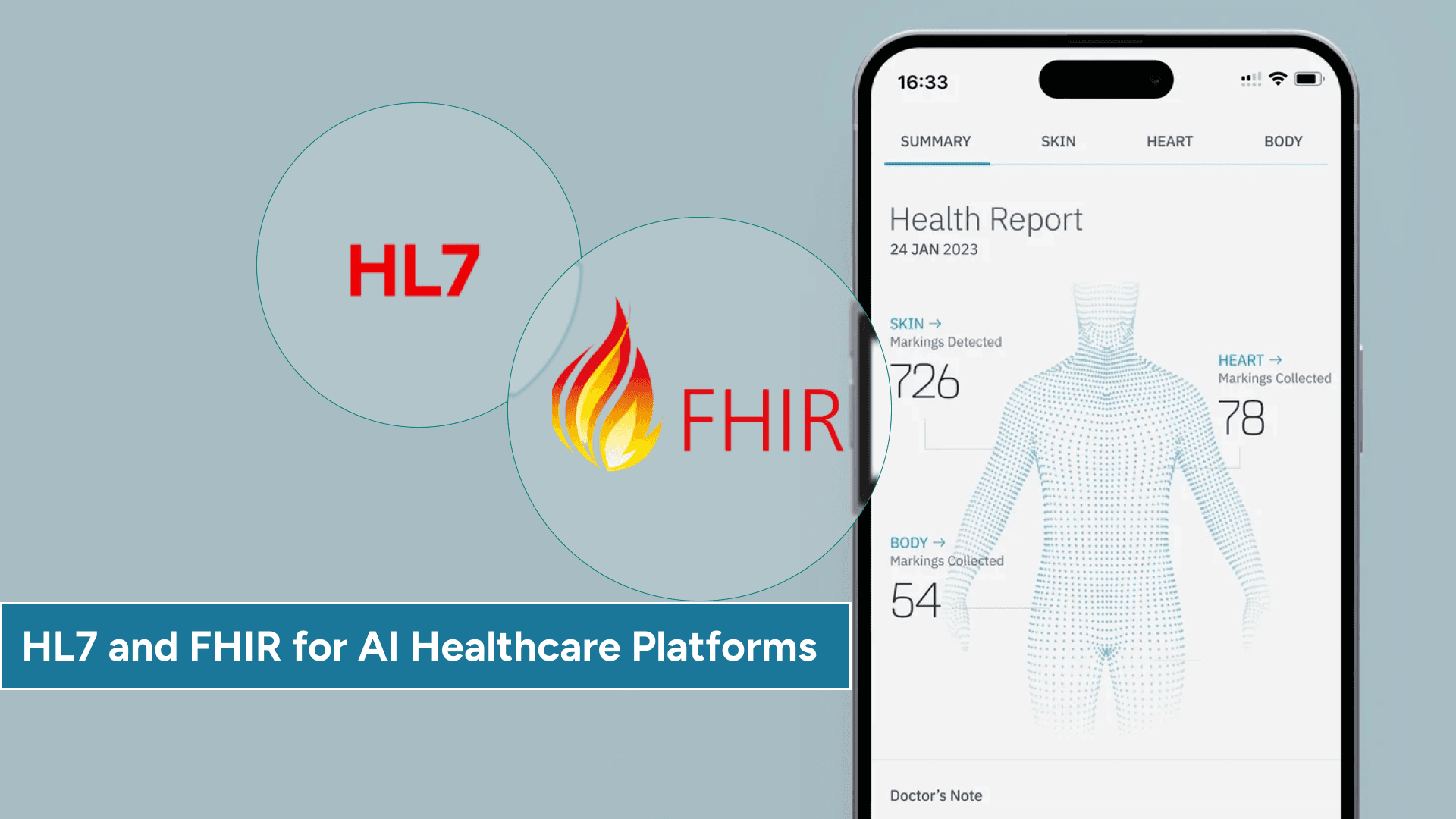
HL7 and FHIR
Healthcare Interoperability Standards
Connect clinical messages and APIs through validated mappings, authenticated access, and monitored exchange.
GDPR and UK GDPR
Personal Data Protection
Build privacy controls around lawful health-data processing, access rights, retention, and data-transfer requirements in applicable EU and UK deployments.
SOC 2
System and Organization Controls 2
Provides independent examination of service-provider controls within an agreed scope. GeekyAnts currently lists SOC 2 as upcoming.
HITECH
Health Information Technology for Economic and Clinical Health Act
Support breach-response workflows, incident records, and notification responsibilities alongside applicable HIPAA obligations.
ONC / Cures Act
Electronic Health Information Access
Plan access, exchange, and export workflows around applicable information-blocking rules, with permissions and exceptions reviewed by responsible stakeholders.
ISO/IEC 27001:2022
Information Security Management
Our certified management system supports risk assessment, information protection, access control, and incident response across delivery operations.
ISO 9001:2015
Quality Management
Our certified management system supports documented processes, delivery reviews, corrective actions, and continuous improvement.
ISO/IEC 20000-1:2018
IT Service Management
Our certified management system supports service planning, change control, incident management, and operational continuity.

How We Build Custom Healthcare Data Exchange Platforms

Step 01
Secure Facility Data Ingestion
Phase 01
Receive files through secure SFTP gateways from connected facilities. The platform brings supported clinical feeds into a controlled intake workflow for processing.
Step 02
File Identification and Processing
Phase 02
Identify each incoming file and route it according to its format. The system extracts patient, encounter, event, and clinical details needed for further processing.
Step 03
Healthcare Data Transformation
Phase 03
Transform raw HL7, XML, C-CDA, and other supported clinical messages into structured information that applications can use for patient records and reporting.
Step 04
Patient Record Consolidation
Phase 04
Associate processed information with the right patient and organize it into medical histories, encounters, and care events that authorized teams can review.
Step 05
Operational KPIs and Dashboards
Phase 05
Turn admissions, discharges, readmissions, and other events into dashboards and operational indicators so facilities can monitor patient activity.
Step 06
Facility and Payer Access
Phase 06
Make relevant patient records, encounters, and processing information available to authorized facility and payer users through controlled application views.
Step 07
Original File Traceability
Phase 07
Keep processed records linked to their original HL7, XML, or other source files. Authorized teams can open these files to validate records and investigate issues.
Step 08
FHIR Resource Processing
Phase 08
Use FHIR servers to ingest and organize patient records into standardized FHIR resources, supporting secure data exchange and scalability as data volumes grow.
Step 09
Continuous Data Updates
Phase 09
Process new feeds as they arrive and update patient histories, events, and dashboards. Teams can review current information as files move through the system.
Healthcare Interoperability and Data Exchange Resources